Apple Quietly Drops Handwashing Detection and Timer Feature from Apple Watch Series 12 and Ultra 4 Lineup

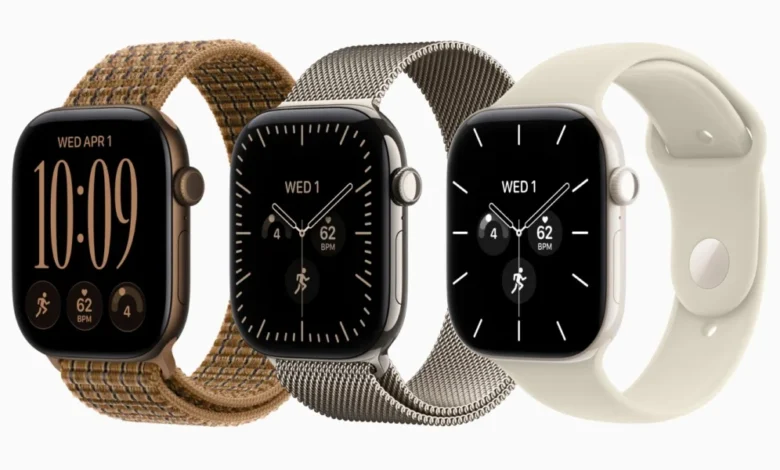
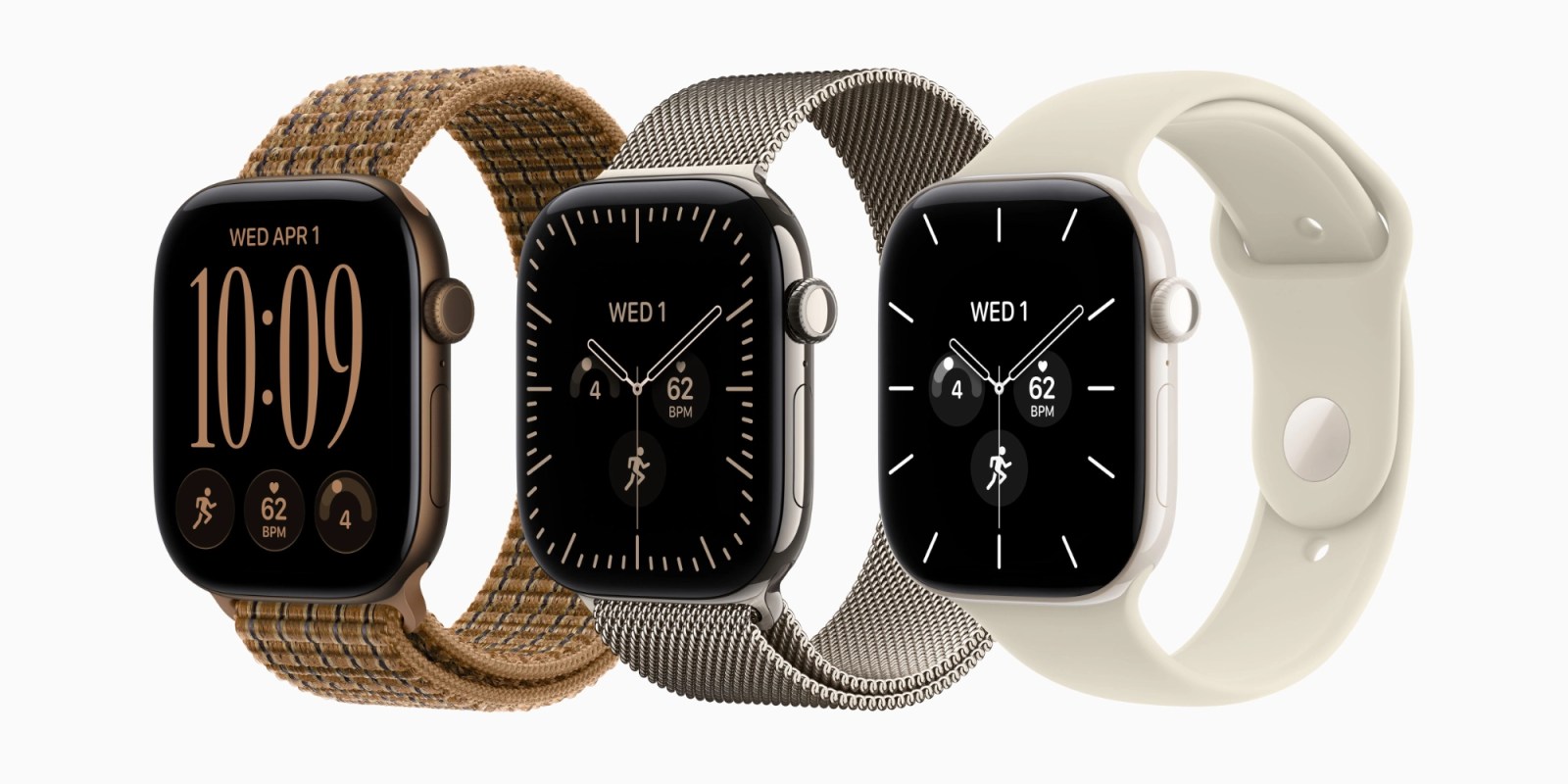
In a quiet departure from a staple wellness utility introduced during the height of the global health crisis, Apple’s latest wearable generation has omitted a familiar feature. Users and early adopters upgrading to the newly released Apple Watch Series 12 and the rugged Apple Watch Ultra 4 have noticed the complete absence of the native handwashing detection and countdown timer.
While the feature remains fully functional on preceding hardware iterations—such as the Apple Watch Series 11 and Apple Watch Ultra 3—and persists as a tracked metric within the Apple Health ecosystem on iOS 27.2, it is notably absent from the supported hardware documentation for Apple’s 2026 flagship lineup. As consumers scrutinize the technical specifications of the latest devices, the disappearance of this software tool has raised questions regarding hardware architecture shifts, shifting corporate priorities, and the lifecycle of pandemic-era digital health innovations.
The Missing Feature: What Is Handwashing Detection?
First introduced to the public in the summer of 2020 as a core component of watchOS 7, the handwashing detection utility was designed to promote public health hygiene. Utilizing a combination of the Apple Watch’s internal motion sensors, microphone, and on-device machine learning algorithms, the wearable could automatically sense when the user began scrubbing their hands.
Upon detection, the interface would instantly trigger a 20-second visual and haptic countdown timer, encouraging users to maintain proper hygiene standards recommended by global health organizations. Furthermore, the software included optional reminders to wash hands upon returning home and logged all completed hygiene sessions directly into the Apple Health application on the paired iPhone.
For years, the feature was hailed as a proactive, seamless integration of consumer technology and preventive healthcare. Its sudden omission from the Apple Watch Series 12 and Ultra 4 specifications catalog marks a surprising pivot for a company that has aggressively positioned its smartwatch ecosystem as a comprehensive health and wellness monitor.
Chronology of a Pandemic-Era Innovation
To understand the significance of this omission, it is helpful to examine the timeline of Apple’s health-focused software developments over the past six years:
- June 2020: Apple unveils watchOS 7 at the Worldwide Developers Conference (WWDC), introducing automated handwashing detection as a direct response to the COVID-19 pandemic.
- September 2020: The feature rolls out commercially to millions of users worldwide via software updates and the launch of the Apple Watch Series 6 and SE.
- 2021–2025: Handwashing detection remains a standard, ubiquitous feature across multiple hardware generations, quietly logging billions of hygiene cycles without requiring significant user intervention.
- September 2026: Apple releases the Apple Watch Series 12 and Apple Watch Ultra 4 alongside watchOS 27. Documentation accompanying the new operating system reveals that the handwashing detection feature is absent from the supported hardware list for these specific new devices, while remaining active on older models running the exact same software version.
Hardware Overhauls and Audio Intelligence Priorities
Industry analysts and technical observers suggest that the removal of the handwashing timer is likely tied to the significant internal redesign featured in Apple’s 2026 wearables. The Apple Watch Series 12 and the Ultra 4 introduce the first completely overhauled main processor architecture the product line has seen in several years.

This new silicon is purpose-built to power advanced computational capabilities, most notably on-device Audio Intelligence features such as Siri Recap and Live Rewind. These advanced audio processing tasks require dedicated hardware resources, algorithmic prioritization, and specific sensor allocations.
It is plausible that the machine learning models responsible for recognizing the specific acoustic signature of running water combined with the rhythmic motion of hand scrubbing were deprioritized—or rendered incompatible—by the new internal component layout. Rather than forcing legacy pandemic-era code onto a radically redesigned processing pipeline, engineers may have opted to phase out the utility entirely on new hardware tiers.
Official Documentation and User Reactions
As of the official product launch and the initial wave of device unboxings, Apple has not issued a dedicated press release or public statement explaining the removal of the handwashing detection tool. The discrepancy was first flagged by eagle-eyed users navigating the official Apple Support documentation for watchOS 27, where the Apple Watch Series 12 and Ultra 4 were conspicuously left off the list of compatible devices.
Consumer reaction across digital communities and developer forums has been mixed. While a segment of the user base views the handwashing timer as a mild novelty that was frequently turned off due to false positives, others view its removal as a step backward in Apple’s holistic wellness tracking portfolio. Critics argue that even if usage rates declined in the post-pandemic era, maintaining baseline hygiene tracking tools costs minimal system overhead and benefits health-conscious consumers.

Broader Impact and Implications for Apple’s Health Strategy
The quiet deprecation of the handwashing timer highlights the complex balancing act technology companies face when managing legacy features within rapidly evolving hardware ecosystems. Apple has built an immense brand loyalty around the Apple Watch by promoting it as a life-saving medical companion—capable of detecting atrial fibrillation, taking electrocardiograms, measuring blood oxygen levels, and monitoring sleep apnea.
Against the backdrop of these sophisticated, clinically oriented metrics, a simple motion- and audio-triggered hygiene timer may have simply reached the end of its commercial utility. However, the move serves as a reminder that software features tied to specific historical moments do not necessarily enjoy permanent residency in future hardware generations.
As Apple continues to pivot its wearable technology toward next-generation artificial intelligence, advanced biometrics, and heavy spatial computing integration, older utilities will inevitably be evaluated on a cost-benefit basis regarding battery consumption, sensor bandwidth, and processor allocation. Whether Apple will reintroduce an optimized version of the handwashing feature in a future software patch or quietly let the tool fade into technological history remains to be seen. For now, owners of the Apple Watch Series 12 and Ultra 4 will have to rely on traditional, unassisted hygiene habits.