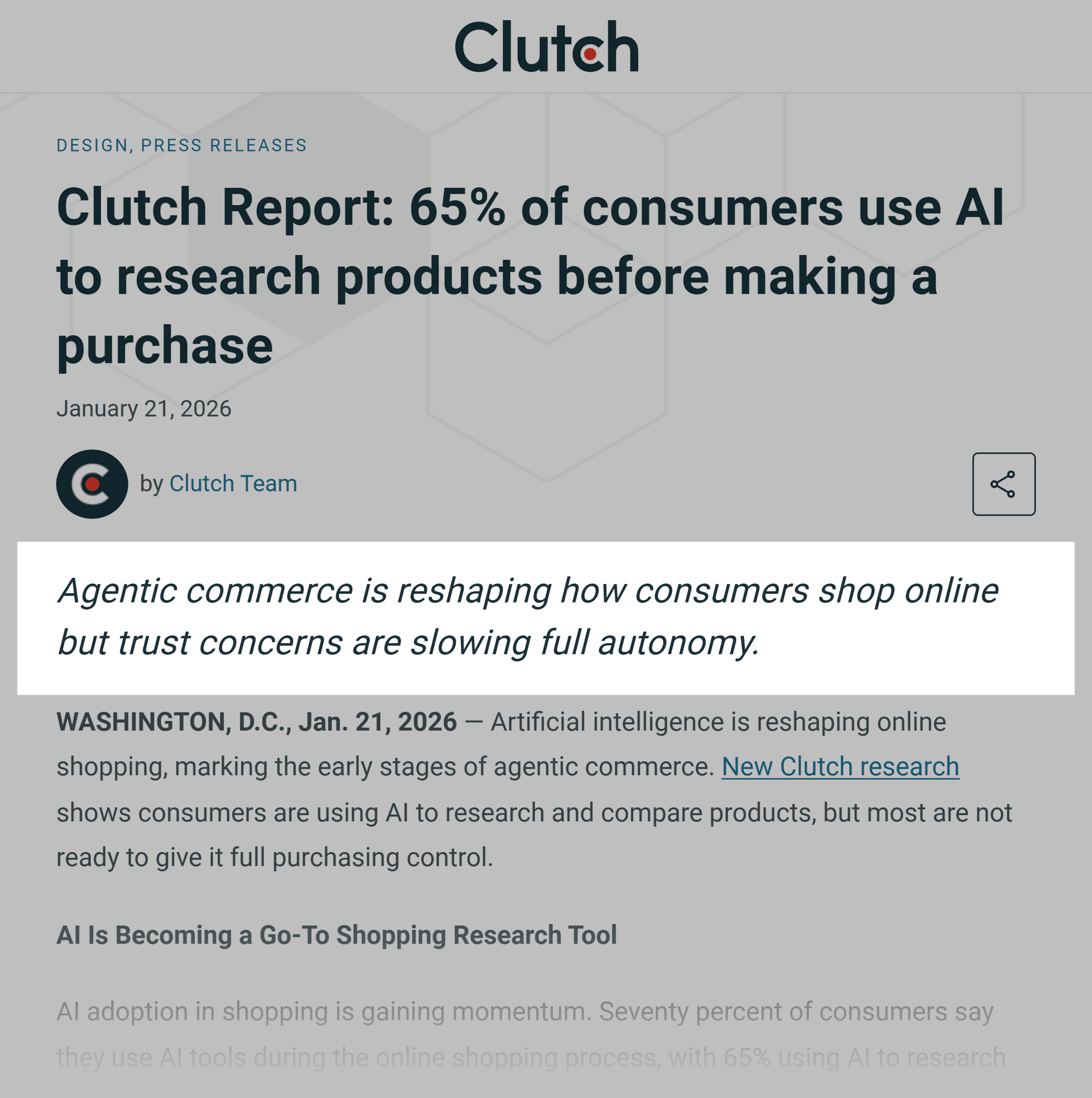
Website marketing has undergone a profound transformation, moving away from traditional, isolated site-promotion models toward a decentralized, multi-channel ecosystem. For decades, the digital marketing playbook centered heavily on optimizing a single domain to capture organic search traffic and convert incoming visitors. Today, however, the modern customer journey has fundamentally shifted. Research indicates that over 65% of buyers utilize artificial intelligence tools, social media platforms, and peer-to-peer discussion boards like Reddit to research products, services, and brands long before they ever click through to an official corporate website.
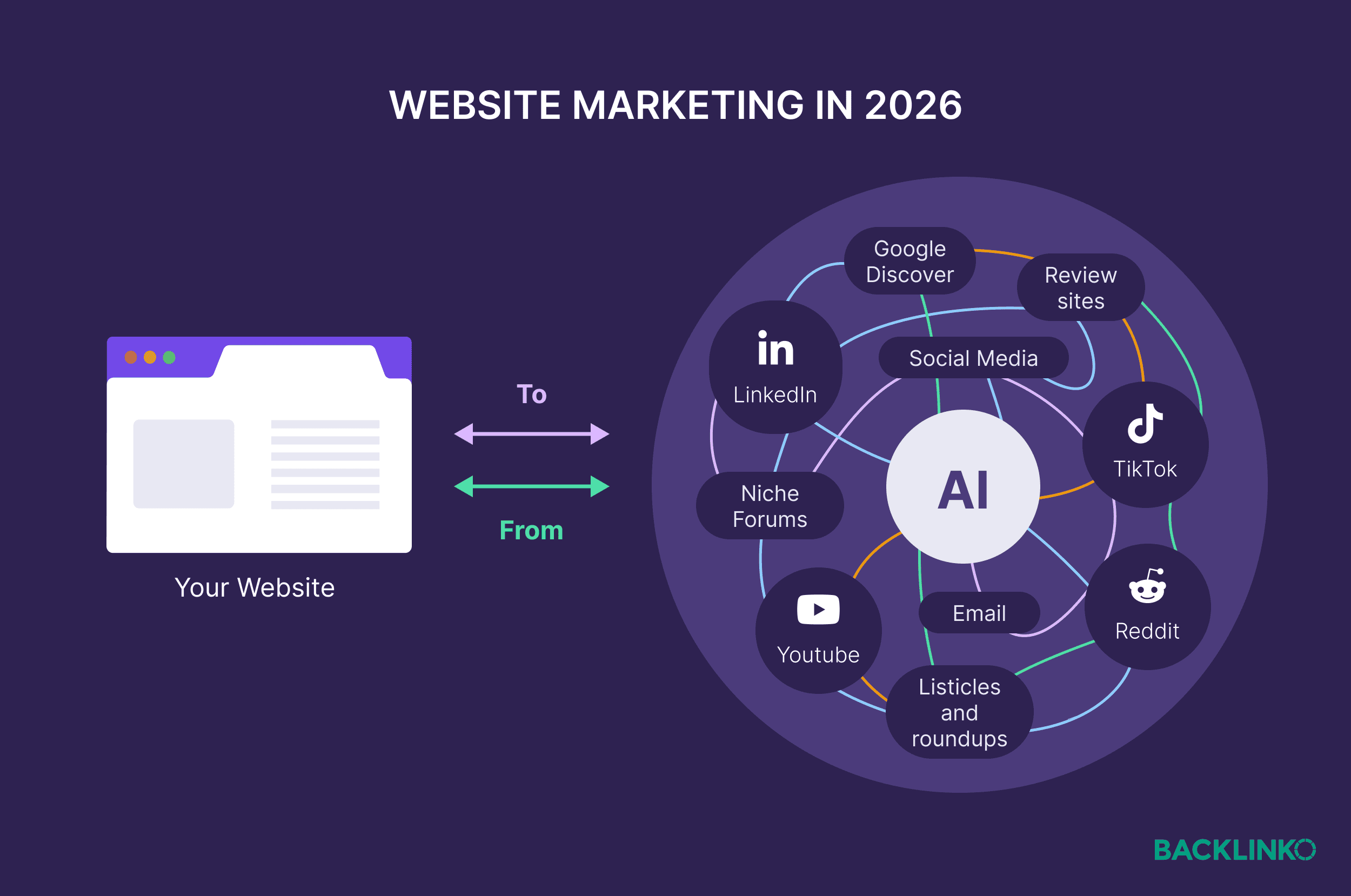
This behavioral evolution means that a brand’s reputation is increasingly shaped beyond its own web pages. If an enterprise lacks visibility, authority, and credibility across external AI and social ecosystems, prospective customers may form a firm opinion—or bypass the brand entirely—before the corporate domain enters the evaluation stage. Consequently, modern digital strategy requires a synchronized approach that influences third-party perceptions while maximizing the conversion potential of the website itself once high-intent traffic finally arrives.
The Rise of AI-Driven Brand Discovery and Semantic Search
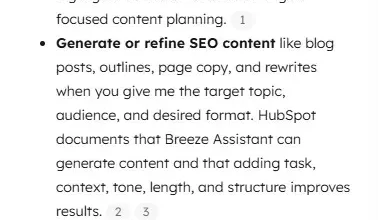
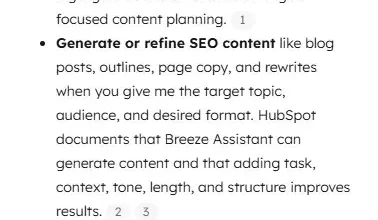
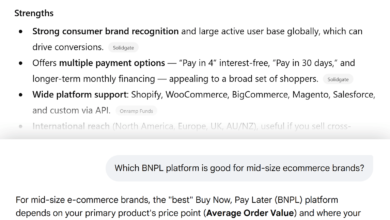
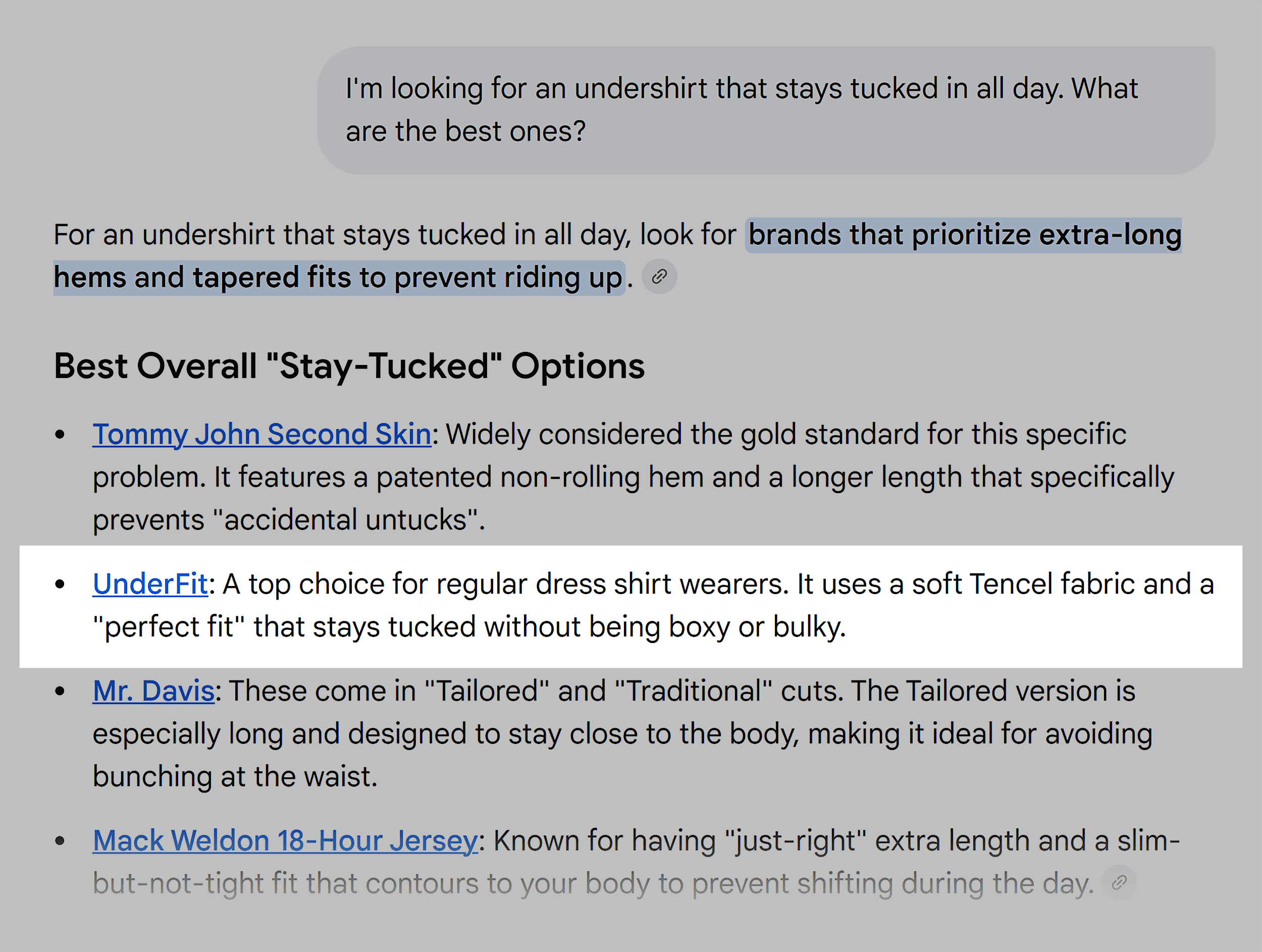
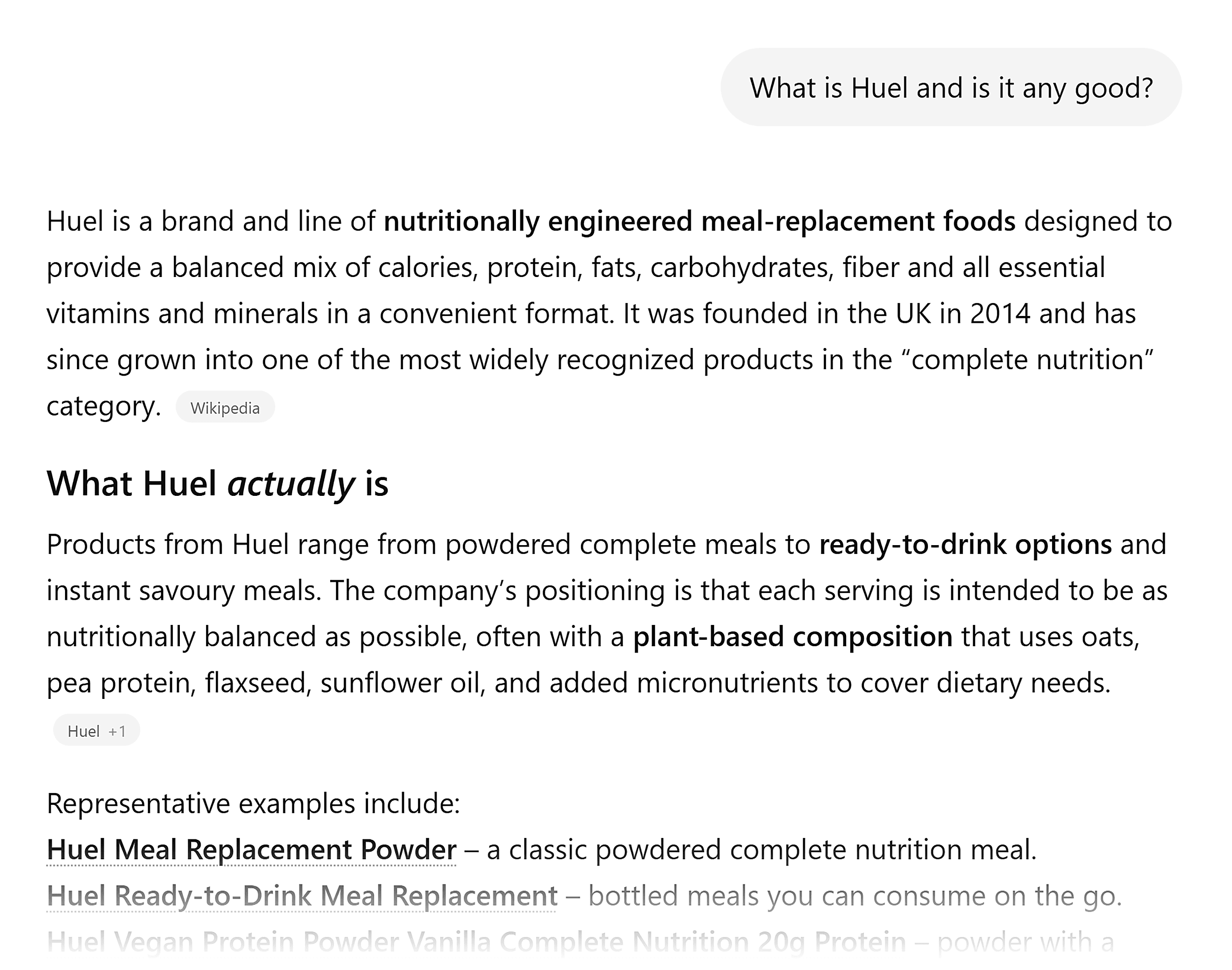
The proliferation of large language models (LLMs) and conversational search interfaces has radically changed how consumers discover and evaluate products. When users prompt AI assistants for recommendations, these systems aggregate sentiment and information from across the entire public web, including review sites, forums, and publisher networks. Industry data shows that consumers frequently rely on these AI engines to synthesize options, meaning brands can no longer afford to leave their digital footprint to chance.
To capture algorithmic and human discovery, leading organizations are actively engineering how the internet describes their brand. This initiative begins with rigorous brand messaging guidelines—documented frameworks that define a company’s core positioning, value propositions, and precise problem-solving capabilities. By ensuring that this messaging is consistently deployed across internal sales materials, partner communications, public relations efforts, and digital content, brands create a unified linguistic footprint. When LLMs repeatedly encounter these consistent phrasings across diverse online sources, they naturally associate specific benefits and categories with the brand, increasing the likelihood of appearing in AI-generated recommendation summaries.
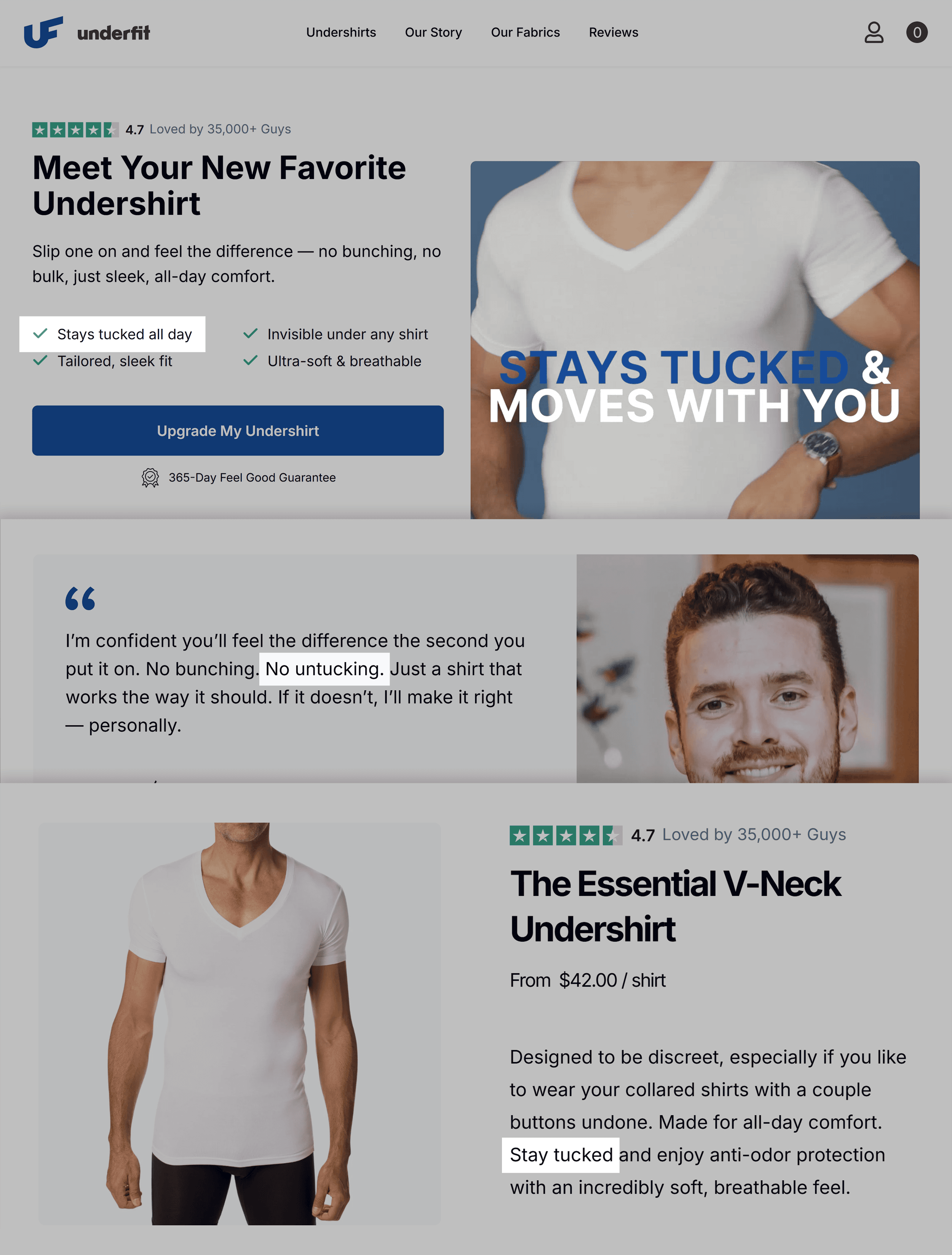
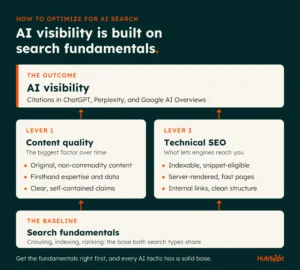
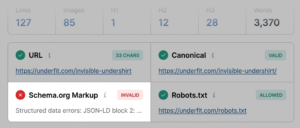
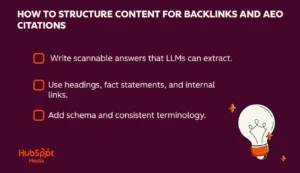
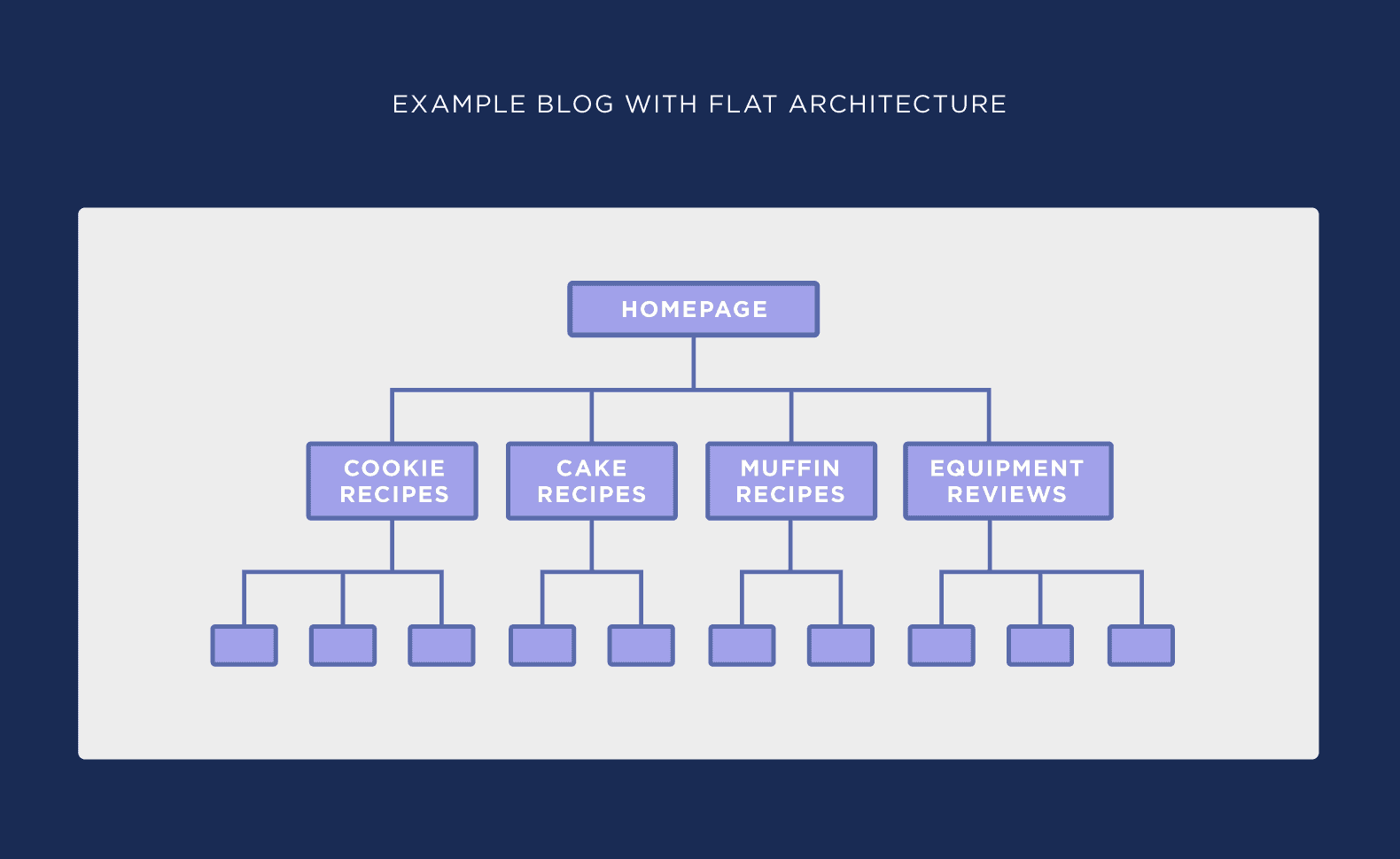
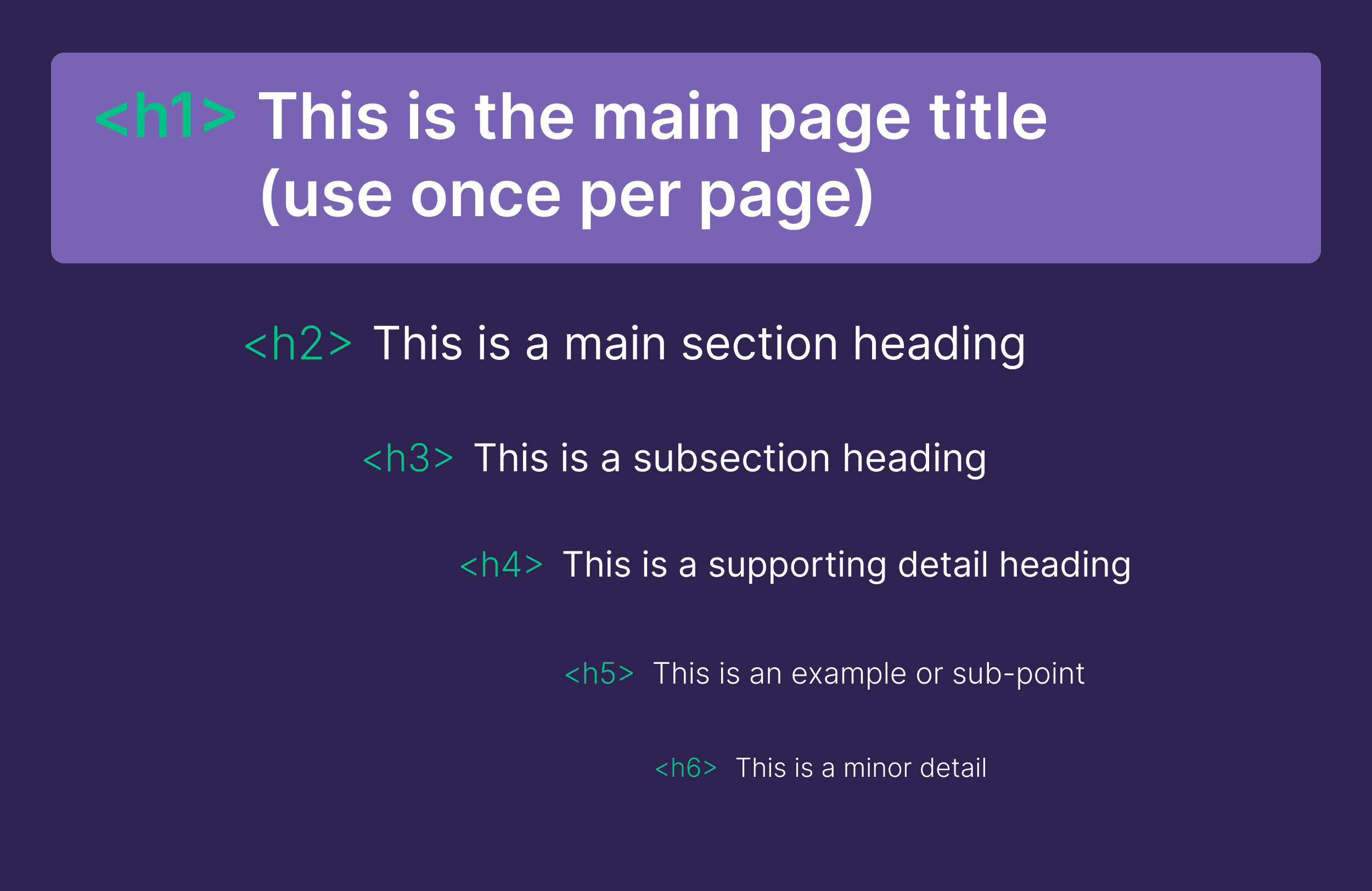
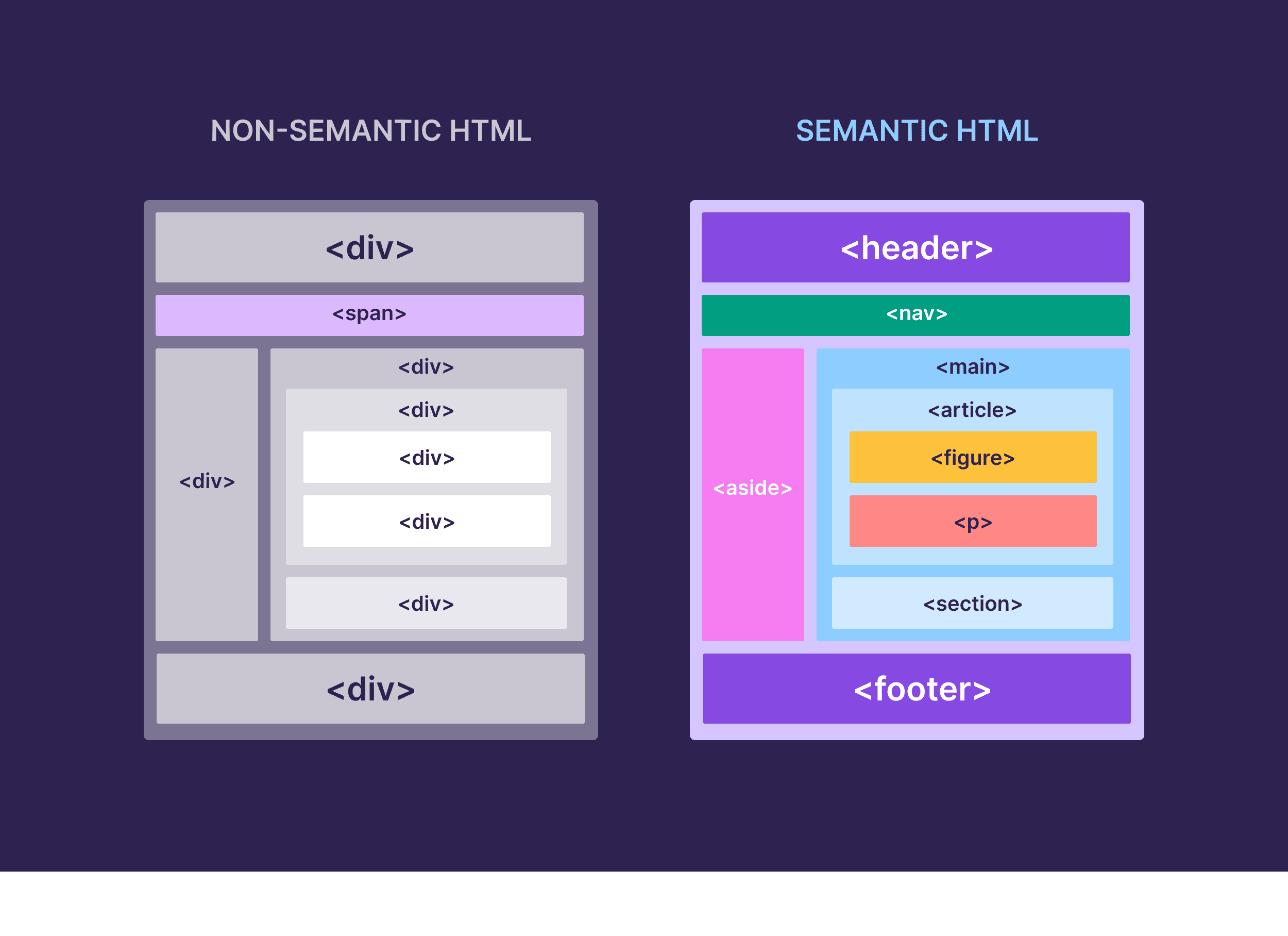
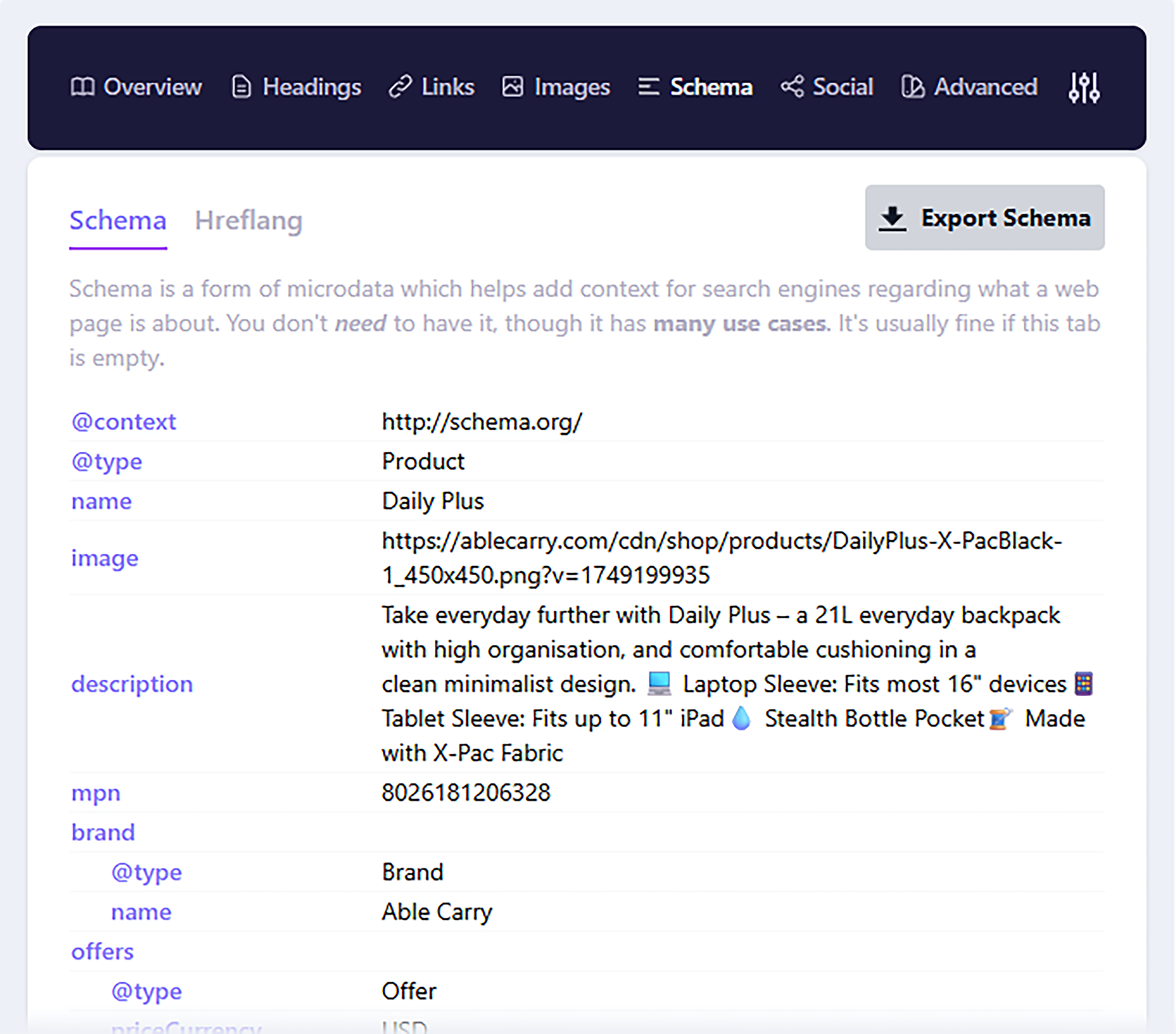
Complementing this external messaging alignment is the technical structuring of the website itself. Modern web architecture must cater not only to human readers through clean design, skimmable headings, and logical hierarchies, but also to automated parsing tools. Implementing semantic HTML, robust on-page metadata, and comprehensive structured data (schema markup) allows search engines and AI crawlers to accurately index and interpret site content. When technical clarity meets consistent external reputation management, brands position themselves advantageously across both traditional search engine results pages (SERPs) and emerging generative answer engines.
Diversifying Trust Through Video and Multimedia Assets
As digital spaces become increasingly saturated with automated text, consumers have placed a higher premium on authenticity and human connection. Video marketing has consequently transitioned from a supplementary tactic to a cornerstone of digital trust-building. Long-form video platforms, particularly YouTube, serve as critical evaluation hubs where prospective buyers research complex products and services through tutorials, webinars, and in-depth product breakdowns.
Organizations leveraging long-form video are finding success by aligning their visual content with specific audience intent—whether that involves establishing deep educational authority through complex explainers or providing transparent product demonstrations that address common buyer hesitations. Furthermore, short-form video formats on platforms like TikTok, Instagram Reels, and YouTube Shorts play an essential role in building brand familiarity through consistent, bite-sized touchpoints. By addressing real customer questions gathered from sales logs and support tickets in these short clips, brands can efficiently lower perceived risk and guide viewers naturally toward deeper digital properties.
Navigating Zero-Click Ecosystems and Google Discover
The digital landscape is heavily influenced by "zero-click" behaviors, wherein users receive direct answers from AI summaries, featured snippets, and personalized content feeds without visiting a traditional web page. A prominent driver of external discovery in this environment is Google Discover, a curated, interest-based feed integrated into mobile devices. Capturing traffic from Google Discover requires a distinct editorial strategy focused on timeliness, strong visual packaging, and clear narrative stakes.
Unlike traditional keyword-targeted content, Discover-optimized material typically connects a brand’s core expertise to current industry developments, emerging trends, or breaking news angles. Because Discover feeds prioritize compelling headlines and high-resolution imagery that capture attention in a fast-moving mobile environment, publishers must refine their editorial packaging to stand out among broad consumer interests. This environment demands that content not only answers user queries but also provides immediate relevance and tension that resonates with mobile readers on the move.
Optimizing Conversion Rates in High-Intent Environments
Because modern consumers often arrive at a corporate website pre-educated by AI summaries, peer reviews, and external research, traditional long-funnel browsing behaviors are declining. Visitors frequently land on a domain with higher purchase intent and clearer expectations, shortening the evaluation window. Consequently, conversion rate optimization (CRO) has emerged as a critical financial lever for modern digital strategies.
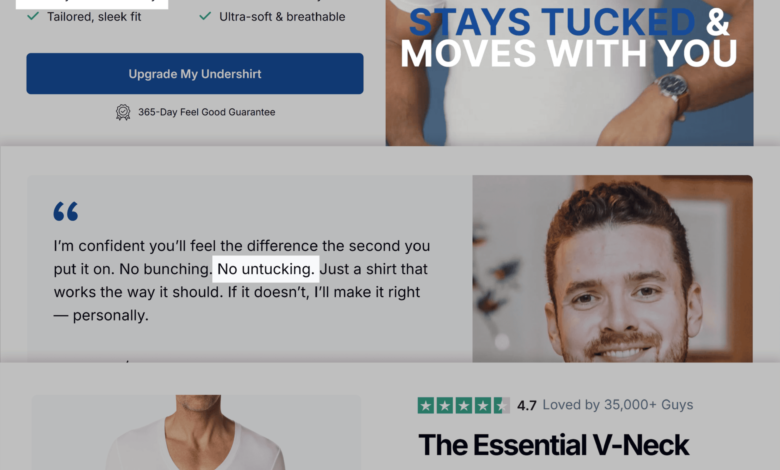
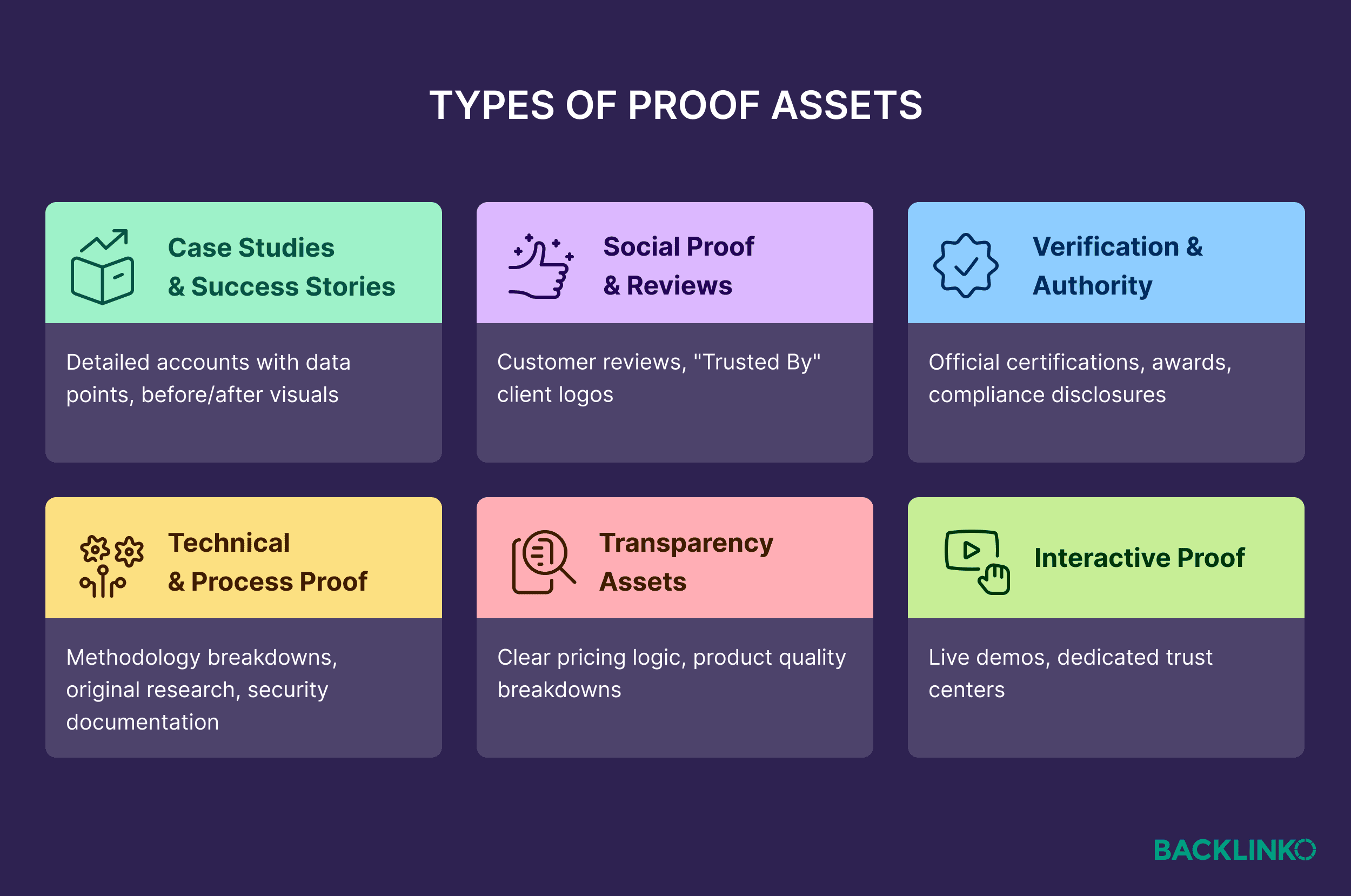
Marketing analysts emphasize the necessity of auditing websites for friction and anxiety. Friction encompasses technical barriers such as slow page load speeds and convoluted navigation, while anxiety relates to psychological hesitation driven by unclear pricing, insufficient security credentials, or a lack of trust signals. Organizations are addressing these barriers by streamlining user paths on high-intent pages—such as product pages, pricing matrices, and checkout flows—and bolstering credibility with visible compliance documentation, transparent guarantees, and robust customer testimonials.
To sustain engagement beyond the initial site visit, sophisticated brands are deploying behavioral email marketing. By utilizing automated workflows triggered by specific on-site actions—such as viewing a pricing tier, abandoning a cart, or completing a purchase—companies can deliver highly relevant, timely follow-up messages. Grounded in psychological principles of reciprocity and relevance, these behavioral touchpoints maintain momentum and successfully convert warm interest into finalized transactions.
Amplifying Niche Communities and Repurposing Frameworks
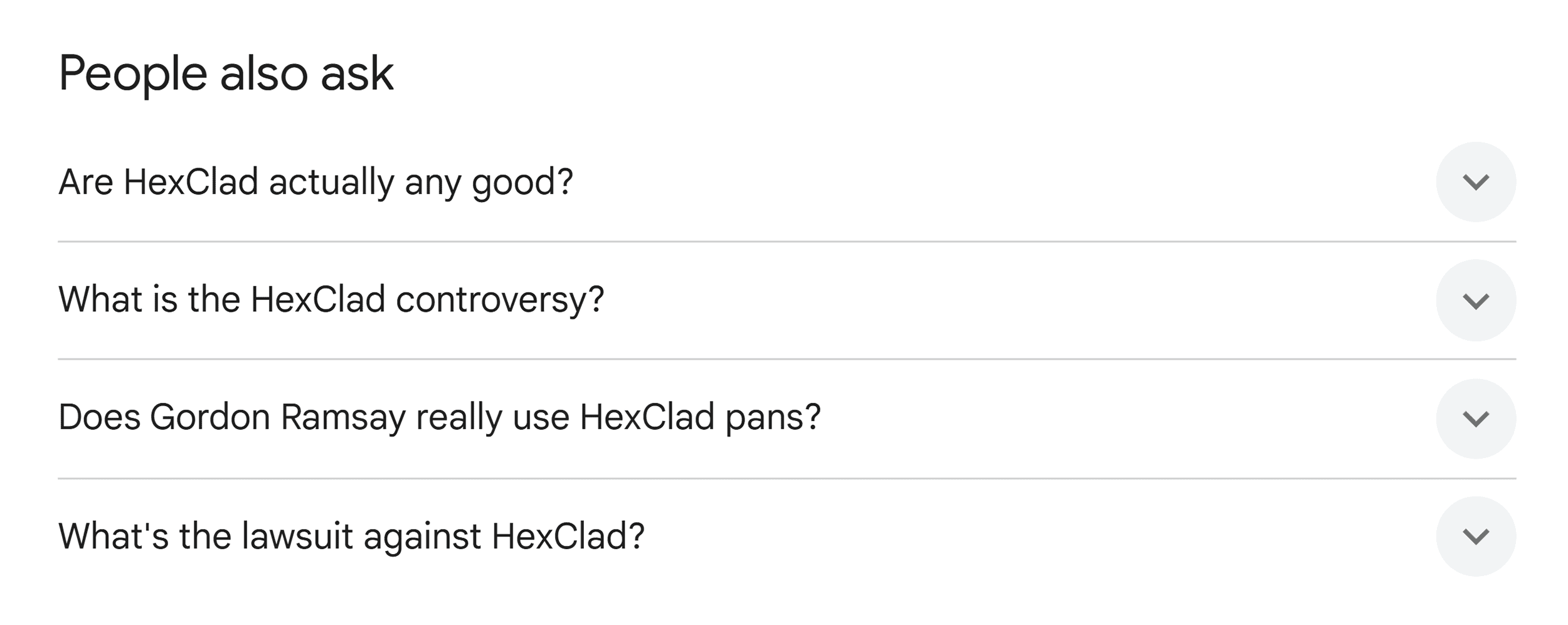
The modern web is built upon fragmented, highly engaged niche communities—ranging from specialized subreddits and Discord servers to private industry forums. Effective website marketing recognizes that active participation in these ecosystems must prioritize genuine assistance and community support over overt self-promotion. By observing community discussions, understanding recurring pain points, and contributing expert insights transparently, brands earn authentic credibility that ultimately reflects positively in both human perception and AI training datasets.
Finally, scaling these visibility efforts relies on disciplined content repurposing. Rather than generating endless streams of uncoordinated material, successful organizations identify high-performing foundational ideas—validated through social engagement or search analytics—and systematically expand them across multiple formats. By transforming comprehensive reports or successful articles into targeted social media threads, short-form video scripts, and newsletter editions, marketing teams can maximize their reach while maintaining a coherent, authoritative brand narrative across the digital landscape.