Unlocking New E-Commerce Horizons: CS-Cart and TackleTarts Reveal the Blueprint for Building Independent Digital Marketplaces

The modern digital commerce landscape is undergoing a fundamental structural transformation. While established multi-vendor ecosystems like Amazon, eBay, and Alibaba continue to dominate the global retail conversation, a parallel movement is quietly reshaping how independent merchants approach online sales. Rather than merely participating as third-party sellers on existing platforms, forward-thinking retailers are increasingly looking inward, asking a pivotal question: What if we built our own digital marketplace?
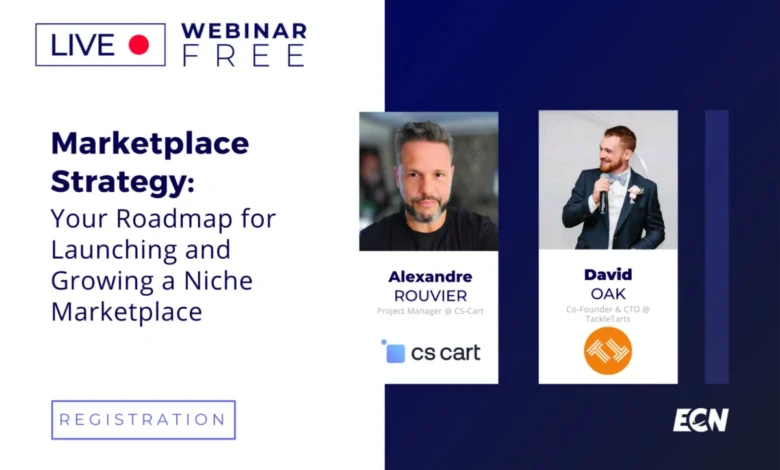
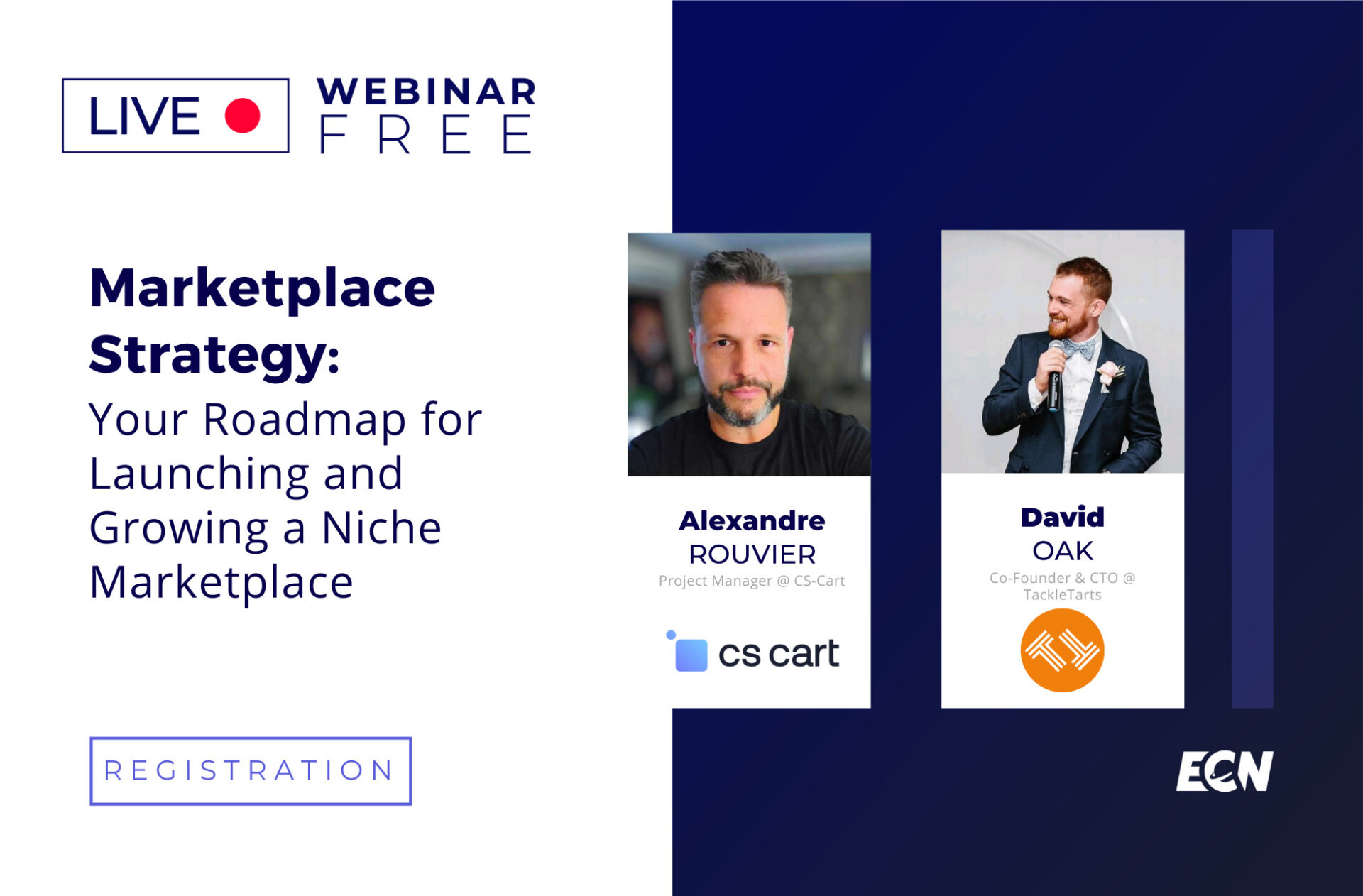
To address this exact paradigm shift, e-commerce software provider CS-Cart teamed up with specialized retail brand TackleTarts to host an exclusive educational webinar. Designed to deconstruct the mechanics of marketplace creation, the event provided a comprehensive case study on how merchants can transition from traditional storefronts to expansive, multi-vendor operators. For industry professionals who missed the live broadcast, the organizers have made the complete event replay accessible to the public via a dedicated registration portal.
The strategic imperative behind launching a proprietary marketplace lies in revenue diversification and ecosystem control. For years, traditional online retailers have relied on standard e-commerce platforms to sell directly to consumers. However, rising customer acquisition costs, fierce competition on aggregator sites, and restrictive platform policies have squeezed profit margins. By building an independent marketplace, a retailer transforms from a single merchant into a platform host, curating a collaborative network of complementary vendors. This model not only enriches the consumer product catalog but also generates passive revenue streams through commissions, vendor subscription fees, and targeted on-site advertising.
The collaboration between CS-Cart and TackleTarts served as a masterclass in this operational pivot. TackleTarts, a brand deeply embedded in the niche angling and outdoor recreation sector, shared firsthand experiences regarding the complexities and rewards of launching a multi-vendor platform. Through this detailed case study, the webinar offered participants a rare, behind-the-scenes look at the operational hurdles, technological integrations, and strategic partnerships required to turn a single-brand website into a thriving digital shopping destination.
Strategic Insights and the Mechanics of Marketplace Development
Developing a digital marketplace is vastly different from setting up a standard e-commerce website. It requires orchestrating a complex, multi-sided network where buyers, independent vendors, and the platform operator interact seamlessly. During the presentation, industry experts from CS-Cart outlined the core strategic pillars necessary to build a sustainable and attractive consumer offering.
A primary focal point of the discussion was vendor recruitment and retention. Unlike traditional retail, where inventory is centrally managed, a marketplace’s success depends entirely on the quality and variety of its third-party sellers. The CS-Cart team detailed strategies for identifying the right merchant partners—those whose product lines complement rather than cannibalize the host’s core offerings. Collaborating with trusted merchants allows marketplace operators to scale their product inventory exponentially without incurring the upfront capital costs associated with bulk purchasing and warehousing physical goods.
Furthermore, the case study addressed the technological backbone required to support such an operation. Building a marketplace demands robust software architecture capable of handling multi-vendor inventory sync, split payments, automated commission calculations, and independent vendor dashboards. CS-Cart, known for its specialized marketplace-building software, demonstrated how modern technological solutions can simplify these intricate backend processes. By utilizing pre-built frameworks, retailers can bypass the prohibitive costs and extended timelines of custom-coding a platform from scratch.
Another critical component explored during the session was consumer trust and brand consistency. When multiple third-party vendors sell under a single digital roof, maintaining uniform quality standards, shipping reliability, and customer service is paramount. The panel discussed methods for implementing rigorous vendor vetting processes, transparent review systems, and unified return policies to ensure that the end-consumer experiences a frictionless shopping journey, regardless of which specific vendor fulfills their order.
Chronology of the Event and Accessibility
The digital event, organized in partnership with prominent European B2B web media outlet E-Commerce Nation, took place against the backdrop of an increasingly saturated online retail market where differentiation is paramount. Announced in October 2023, the webinar attracted hundreds of retail professionals, entrepreneurs, and digital strategists eager to understand the practicalities of platform economics.
While the live interactive session provided attendees with the opportunity to pose direct questions to the panel of experts, the high demand from retailers unable to attend prompted the organizers to package the comprehensive event recording. The replay, which includes the complete slide presentation, the TackleTarts case study walkthrough, and the live question-and-answer segment, remains available for on-demand viewing.
Interested industry participants can access the content by visiting the official registration page hosted by E-Commerce Nation and completing a brief informational form. This ensures that the strategic insights shared during the broadcast remain a continuous, accessible resource for the broader e-commerce community.
Industry Implications and the Future of Retail Ecosystems
The growing popularity of independent marketplaces signals a broader democratization of digital retail infrastructure. Historically, the immense capital and technical expertise required to operate a multi-vendor platform restricted the model to tech giants and heavily funded venture-backed startups. However, the maturation of modular e-commerce software, headless commerce architectures, and specialized marketplace builders has drastically lowered the barrier to entry.
Industry analysts suggest that niche marketplaces will play a defining role in the next decade of retail. As consumers increasingly seek specialized, authentic, and community-driven shopping experiences over monolithic, mass-market superstores, independent retailers are uniquely positioned to capitalize on this demand. By uniting related micro-brands under a trusted industry authority, niche marketplaces can offer hyper-targeted product selections that larger competitors struggle to replicate.
The collaboration between CS-Cart and TackleTarts exemplifies this trend. By dissecting the practical realities of marketplace creation, the initiative has provided smaller merchants with the knowledge and confidence to look beyond traditional sales models. As more retailers adopt platform business models, the e-commerce ecosystem is poised to become more decentralized, collaborative, and consumer-centric.
For businesses contemplating this strategic pivot, educational resources such as the CS-Cart and TackleTarts webinar offer a vital roadmap. Understanding the technological requirements, avoiding common operational pitfalls, and mastering vendor collaboration are no longer optional luxuries for modern retailers—they are the foundational elements required to secure a competitive advantage in an evolving digital economy.