Snapchat Enter the Event Planning Space with Snapchat Plans to Challenge Partiful and Apple Invites

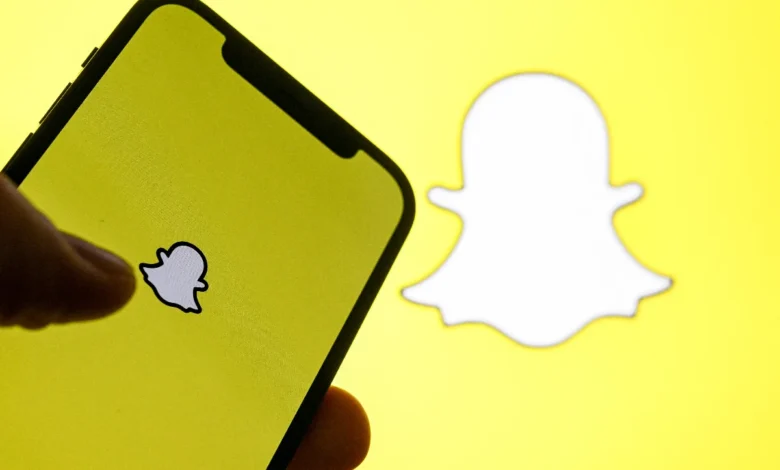
Snapchat has officially announced the rollout of “Snapchat Plans,” a comprehensive suite of native features designed to streamline the creation, management, and sharing of real-world events among friends. Unveiled on Thursday, the new tool aims to eliminate the friction typically associated with organizing get-togethers—such as buried group chat threads, forgotten details, and cumbersome external links—by centralizing invitations, scheduling, and attendee tracking directly within the platform.
This strategic move places the multimedia messaging giant in direct competition with emerging digital invitation platforms like Partiful, which has seen explosive growth among younger demographics, as well as tech behemoths like Apple, which entered the space with its custom invitation application. By anchoring event coordination inside its existing ecosystem, Snapchat is signaling a major shift in its product roadmap, evolving from a platform focused purely on digital communication to one that actively facilitates physical, real-world socialization.
Anatomy of Snapchat Plans: Features and User Functionality
The newly introduced Snapchat Plans framework is engineered to be intuitive, catering to a wide array of social gatherings ranging from casual weekend hangouts and impromptu study sessions to milestone birthday parties and sporting events.
To initiate a plan, a user creates a customized event by assigning a title, designating a specific date and time, and selecting up to 200 friends from their network to invite. Unlike traditional public event listings found on legacy social networks, Snapchat Plans are strictly private and invite-only. Once an event is configured, invitations are delivered directly into a one-on-one chat interface with each selected recipient, ensuring that the notification is hard to miss.
Upon receiving an invitation, guests can RSVP by selecting one of three distinct statuses: “Going,” “Maybe,” or “Can’t Go.” Hosts retain granular control over the event lifecycle, possessing the ability to monitor the real-time guest list, append additional friends to the invitation pool, and modify crucial event details as plans evolve. To ensure high attendance rates and minimize absent-minded flaking, the platform automatically dispatches a notification reminder to all confirmed guests exactly one hour prior to the event’s commencement.
Complementing the messaging integration is a dedicated “My Plans” section housed directly on user profiles. This repository allows individuals to effortlessly scroll through their historical, current, and upcoming itineraries. Furthermore, the platform introduces a contextual profile feature: when a user taps on a friend’s profile, they can instantly view any shared events or mutual plans linking their calendars.
Shifting Consumer Preferences: The Gen Z Push Toward In-Person Connection
The launch of Snapchat Plans does not occur in a vacuum; it is a calculated response to a profound cultural shift in how younger generations consume media and manage their social lives. Over the past several years, cultural observers and market researchers have documented a distinct fatigue regarding passive screen time, often characterized as "doomscrolling," accompanied by a surging desire for authentic, in-person community building.
Often referred to colloquially through trends like "community-maxxing," Gen Z consumers are actively seeking out real-world experiences. This cultural pivot has forced technology companies to rethink their utility. Dating apps, entertainment platforms, and social networks are increasingly pivoting toward real-world integration. For instance, legacy dating platforms have expanded physical events to dozens of cities globally to combat app fatigue, while music streaming giants report that younger demographics overwhelmingly prioritize live, shared cultural experiences over isolated digital consumption.
Historically, organizing these physical meetups required young users to fragment their planning across disjointed mediums—coordinating via messy group chats, utilizing third-party spreadsheets, or migrating to niche standalone invitation websites. Recognizing this friction, startups like Partiful capitalized on the gap, providing aesthetic, highly shareable digital invites that resonated deeply with college students and young professionals. Partiful’s rapid rise culminated in widespread industry acclaim, proving that event planning was ripe for digital innovation.
Big Tech Takes Notice: The Battle for the Digital Invitation Market

Snapchat is far from the only major technology enterprise attempting to capture the lucrative digital invitation and event-management sector. The market has transformed into a high-stakes battleground for user engagement and retention.
In early 2025, Apple made a decisive entry into the space by launching its own dedicated application focused on custom invitations for diverse social occasions. By providing native tools embedded within operating systems or widely adopted social ecosystems, tech giants aim to retain user attention loops. When social coordination happens outside an app, users inevitably leave the platform. By embedding Snapchat Plans natively into chats and profiles, Snapchat ensures that users remain within its walled garden from the nascent idea phase of an event all the way to its execution.
Industry analysts note that capturing the event-planning workflow yields significant long-term value. Events naturally drive downstream engagement: users open the app to check RSVPs, coordinate carpooling or meeting spots via chat, and subsequently share stories and Snaps during and after the gathering.
Corporate Strategy and Official Statements
Snapchat’s leadership has framed the introduction of Plans as a direct solution to modern social friction. In an official company blog post detailing the launch, the organization emphasized the psychological relief of streamlined coordination.
“No more missed get-togethers because of buried messages, lost details, or forgetting to create an invitation,” the company stated. “Snapchat Plans make it easier to organize these special in-person moments with your friends.”
By emphasizing privacy—underscoring that all plans remain strictly within invite-only parameters—Snapchat is also preempting privacy concerns that frequently plague broader public event discovery tools. Users maintain absolute autonomy over who views their schedules, mitigating the anxieties associated with broader social broadcasting.
Implications for the Social Media Landscape
The introduction of Snapchat Plans carries several broader implications for the competitive dynamics of consumer technology.
First, it blurs the line between utility software and social networking. By incorporating robust scheduling capabilities into a platform fundamentally built around ephemeral visual communication, Snapchat is attempting to become an indispensable daily utility. If successful, users will not only open the app to converse or consume content, but to actively manage their social calendars.
Second, it poses a direct existential threat to standalone invitation apps. While dedicated platforms like Partiful have built fiercely loyal user bases through specialized features, the sheer distribution power of established networks like Snapchat—which boasts hundreds of millions of daily active users globally—presents an intimidating scaling hurdle. When a feature is native to an app a user already opens dozens of times a day, the barrier to adoption drops precipitously.
Finally, the move underscores a maturation in how social media companies measure success. For over a decade, success was almost exclusively quantified by metrics such as time-on-device, daily active users, and passive content consumption. However, as societal conversations increasingly turn toward the mental health impacts of hyper-connectivity and isolation, consumer-facing technology companies are finding that enabling healthy offline behavior is a powerful retention strategy.
As Snapchat Plans rolls out globally to users, its adoption rate will serve as a critical test case for whether messaging-first platforms can successfully commandeer the event-planning lifecycle, setting a new standard for how digital networks facilitate real-world human connection.