Navigating X Analytics: A Comprehensive Guide to Tracking Metrics in the Era of Paid Subscriptions

The digital landscape of social media performance measurement continues to evolve rapidly, presenting new challenges for enterprise brands, independent creators, and digital marketing professionals alike. At the center of this transformation is the native reporting suite for X, formerly known as Twitter. Long regarded as an open-access utility for tracking digital reach and audience engagement, the platform’s analytics infrastructure has undergone significant structural revisions. With the full account-level dashboard now restricted primarily to X Premium subscribers and desktop-verified accounts, marketing teams are increasingly forced to reevaluate how they audit digital campaigns, measure audience sentiment, and prove return on investment to senior leadership.

Understanding the mechanics of these metrics and adapting to alternative reporting workflows has become essential for modern social media strategies. As platform algorithms shift and access models change, organizations must adopt a balanced approach that combines post-level insights, cross-platform aggregation tools, and rigorous benchmark tracking to maintain visibility into their digital footprint.
The Evolution of X Analytics and Access Models
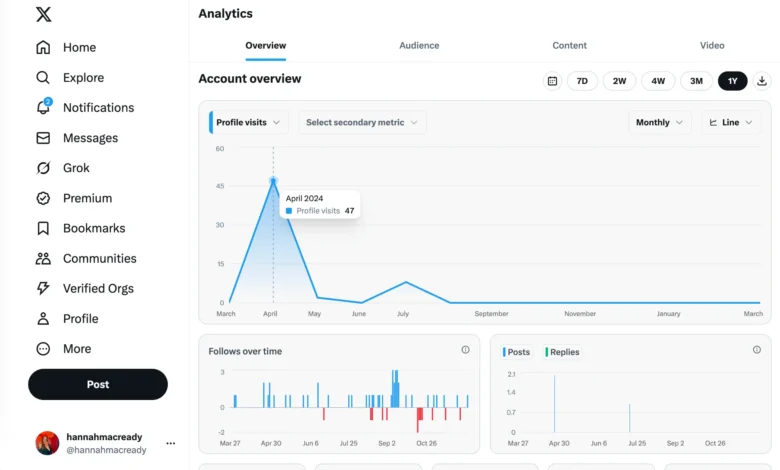
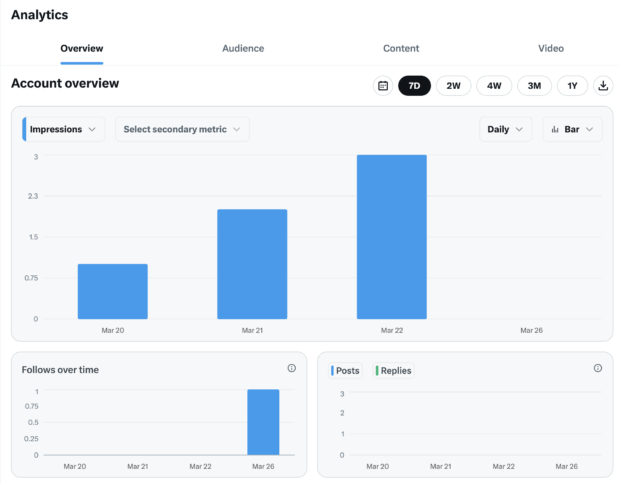
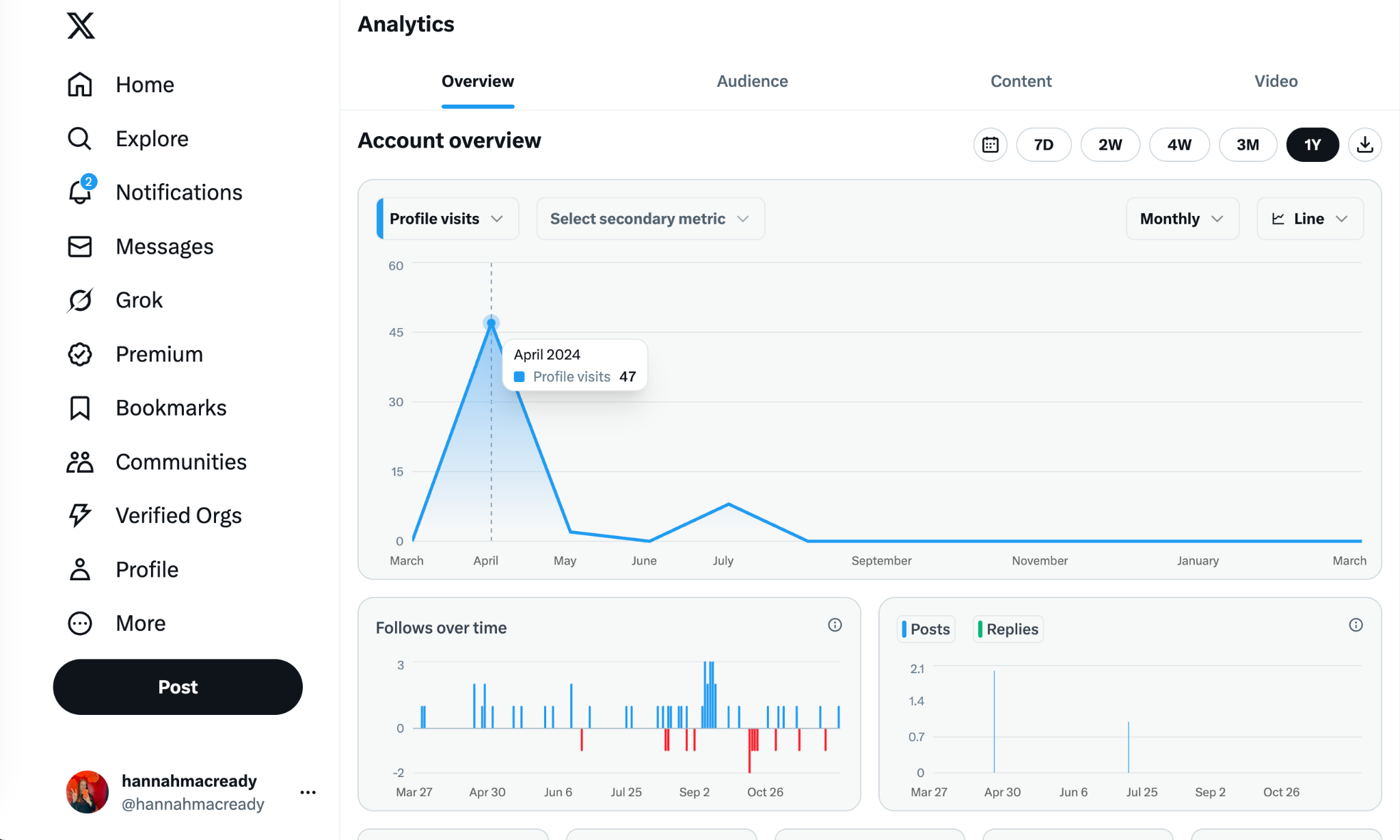
For years, the native Twitter analytics dashboard functioned as a baseline utility for anyone managing a digital presence. Users could freely log into their web browsers to review comprehensive overviews of impressions, profile visits, follower fluctuations, and engagement rates over customizable chronological windows. However, platform monetization strategies shifted this dynamic significantly.
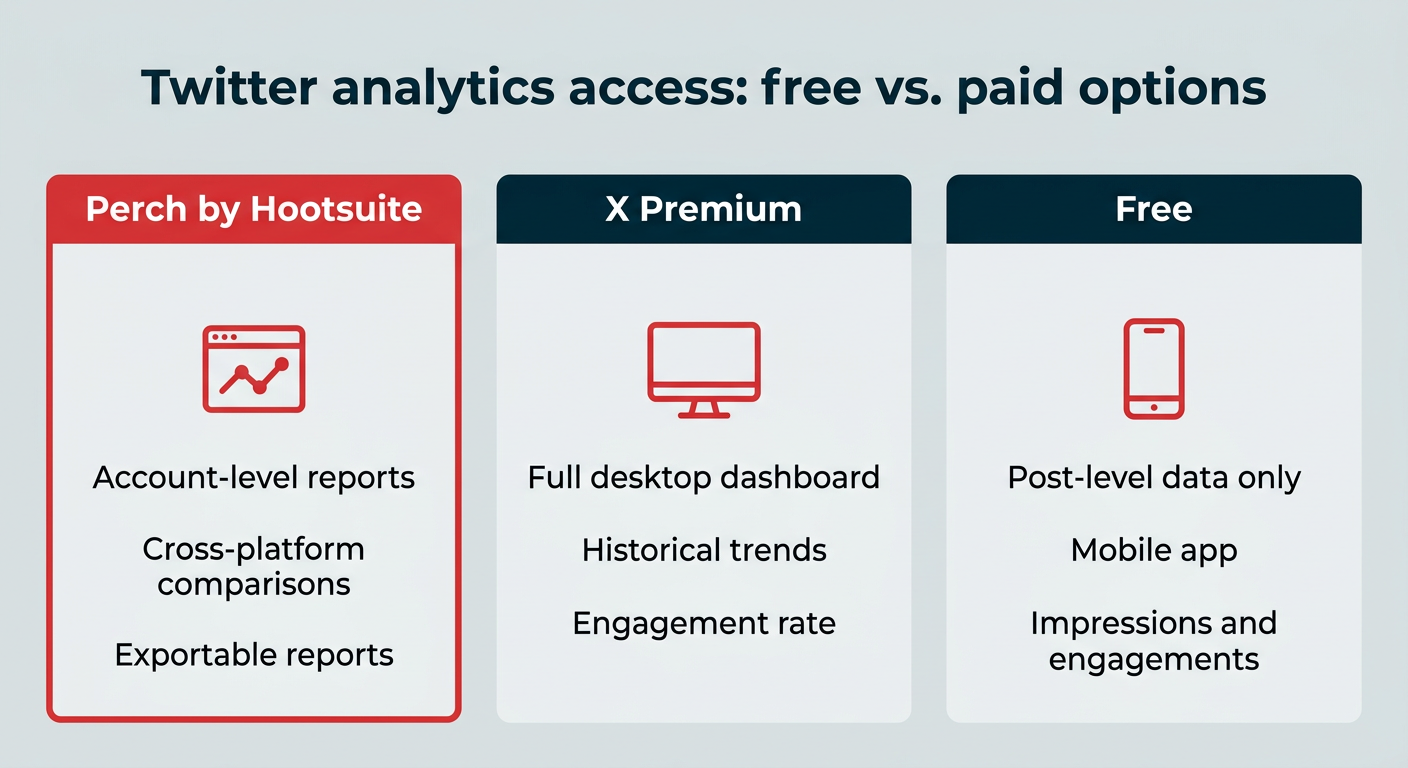
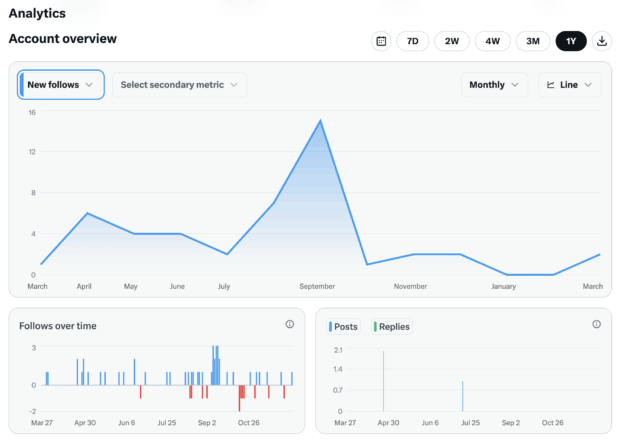
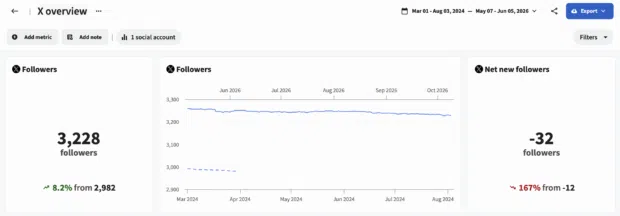
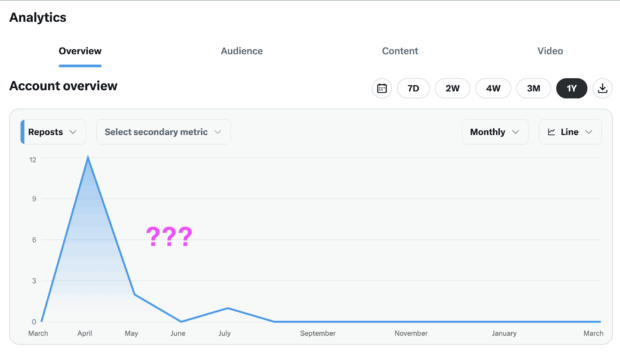
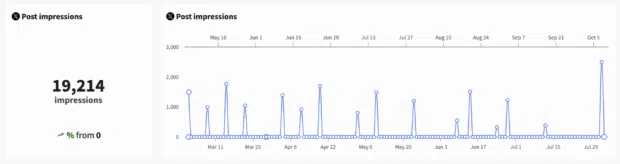
As of early 2026, the complete analytics dashboard is securely positioned behind the X Premium paywall, limiting full native reporting access to the platform’s roughly 4.4 million paid subscribers and desktop-verified accounts. For free-tier users, visibility is restricted to post-level data accessible individually through the mobile application. This tiered approach has created a fragmented environment for digital marketers. While basic metrics for individual posts remain available without a subscription, macro-level reporting—such as long-term follower growth curves and aggregate monthly impressions—requires either a direct platform investment or integration with third-party social media management systems.
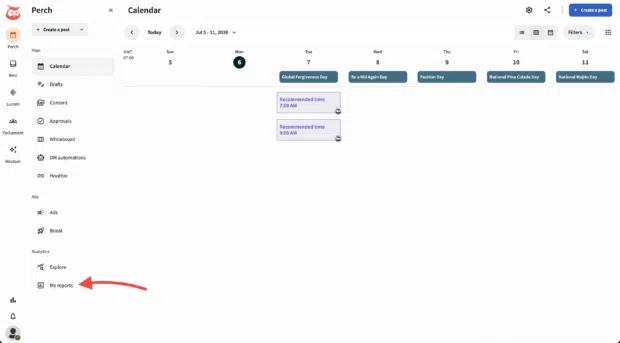
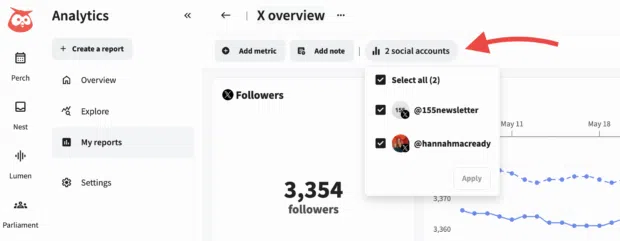
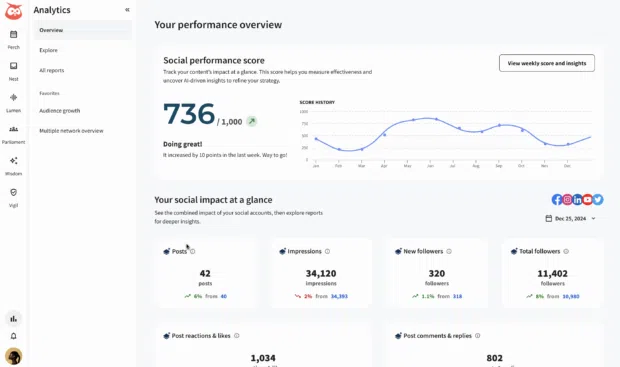
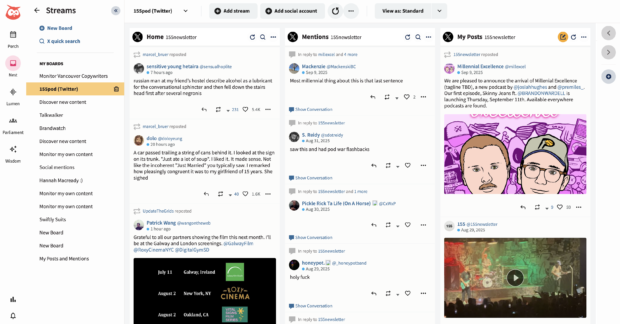
To bridge this reporting gap, many organizations have turned to integrated third-party platforms like Hootsuite, Buffer, and Later. These tools allow marketing teams to bypass platform-specific paywalls for account-level data while consolidating multi-network reporting into a single dashboard. This shift has fundamentally altered how digital strategists gather intelligence, emphasizing the need for flexible, cross-platform software solutions in modern marketing stacks.

Key Performance Indicators in Modern Digital Strategy

Effective social media reporting requires disciplined alignment between overarching business objectives and specific data points. Drowning in raw numbers without a strategic framework often leads to misallocated resources and misunderstood campaign results. Industry experts advocate for a goal-oriented approach, dividing metrics into distinct categories based on marketing intent: awareness, engagement, community building, web traffic generation, and brand perception.
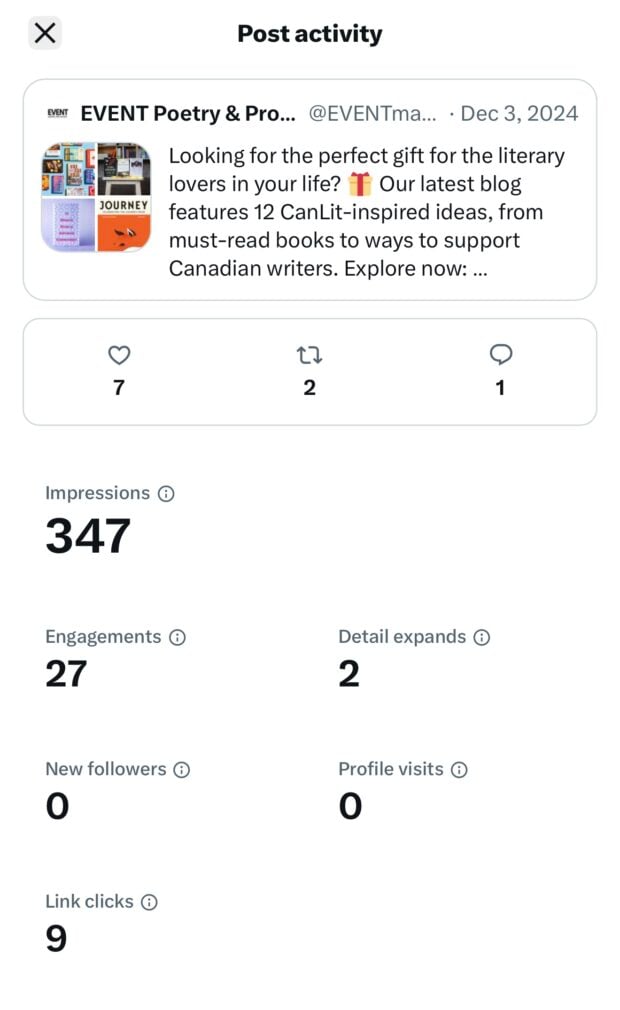
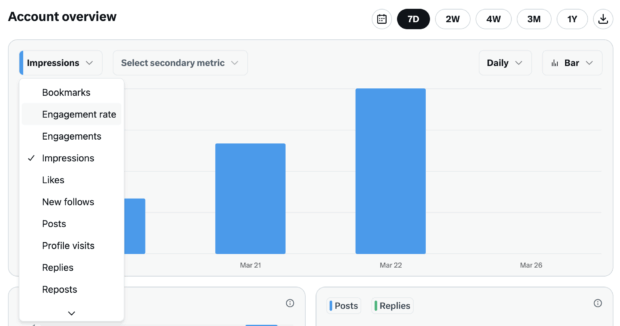
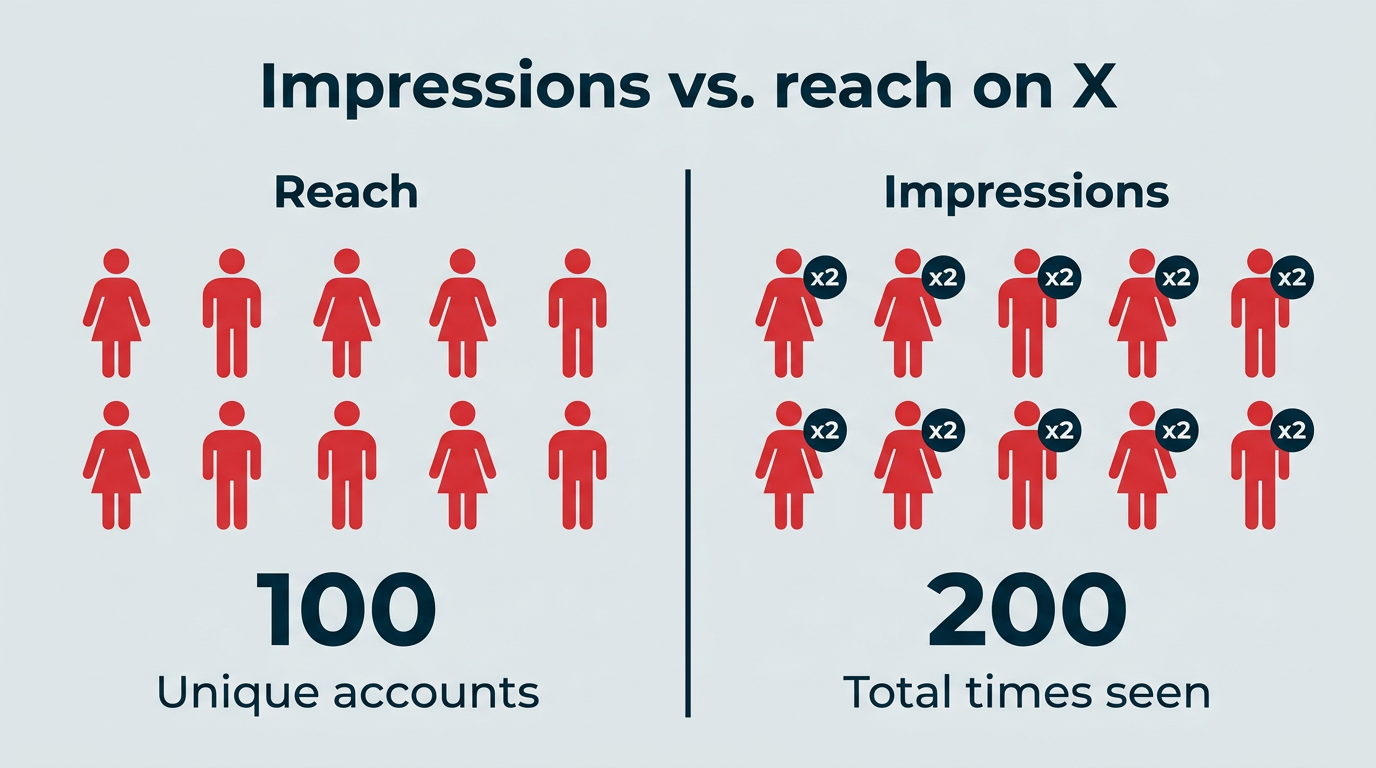
When evaluating brand awareness, metrics such as total impressions, unique reach, profile visits, and direct mentions serve as primary indicators. Impressions measure the total volume of times content appeared on a screen, while unique reach calculates the actual number of individual accounts that viewed the post. Tracking both metrics simultaneously helps marketers understand whether visibility is expanding into new audiences or simply cycling through existing followers.
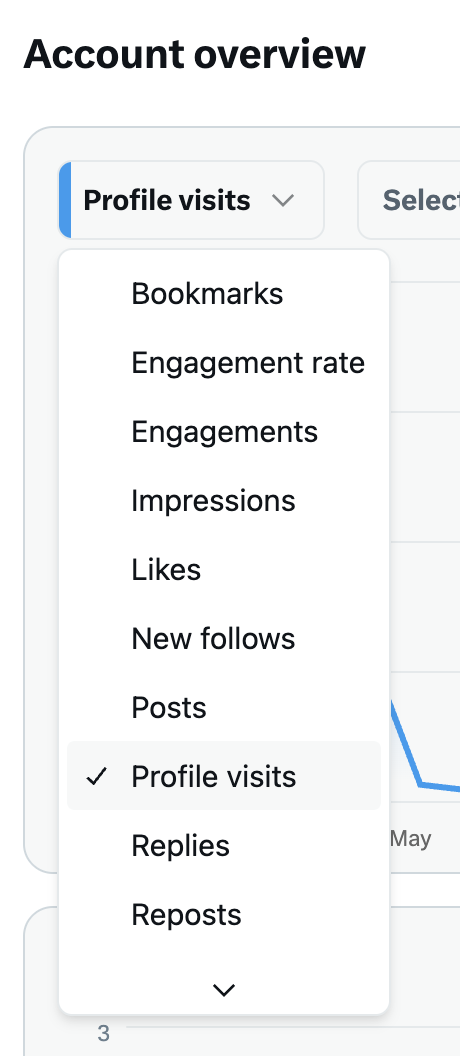
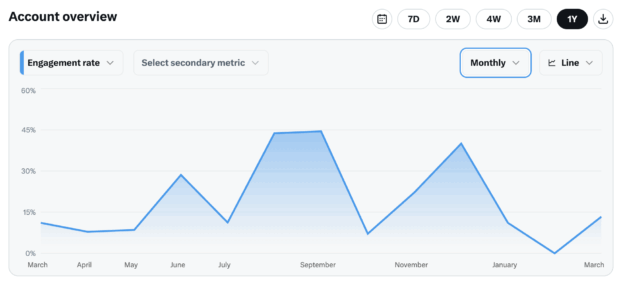
For engagement and community building, strategists closely monitor engagement rates, replies, reposts, and likes. Engagement rate—calculated by dividing total engagements by total impressions and multiplying by 100—provides an immediate assessment of how well content resonates with viewers. High engagement signals to the platform’s content delivery algorithm that a post warrants wider distribution, triggering a cascading effect on overall reach.
Furthermore, link clicks and profile visits remain vital for organizations focused on driving web traffic and bottom-line conversions. These metrics measure the transition from passive scrolling to active consideration, offering tangible data on the effectiveness of calls-to-action and content hooks.
Industry Perspectives and Expert Workflow Integration
Adapting to these analytical shifts requires structured workflows that blend granular post-level analysis with macro-level trend observation. According to Nick Martin, Social Media Marketing Manager at Tipalti, successful digital strategies depend on maintaining a dual perspective.
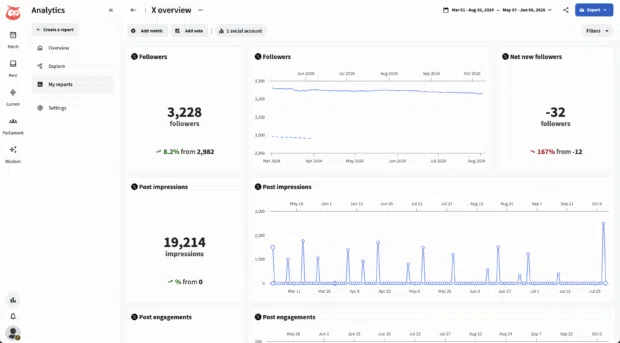
"I zoom out to see how our profile is performing on a weekly, monthly, and quarterly basis," Martin explains, emphasizing the balance between immediate tactical adjustments and long-term strategic planning. "The fast feedback from individual post analytics will help me make adjustments so that I can be more successful with my posts in the future."
Martin notes that underperforming content should not be viewed as a campaign failure, but rather as an experimental data point. By systematically altering variables such as visual assets, post length, formatting, or narrative hooks, marketers can iteratively refine their messaging.
In addition to internal performance tracking, industry leaders emphasize the value of competitive intelligence. Because direct access to competitor analytics is restricted, marketing teams frequently utilize social listening tools and private monitoring lists to observe peer performance. By analyzing which topics, formats, and conversational prompts generate high engagement for competitors, brands can proactively adapt their own content strategies without relying on guesswork.
Evaluating Third-Party Reporting Tools
The commercial market for social media management and analytics software has expanded to meet the demands of restricted native data environments. Organizations evaluating reporting solutions typically weigh cost, feature depth, and cross-platform capabilities.
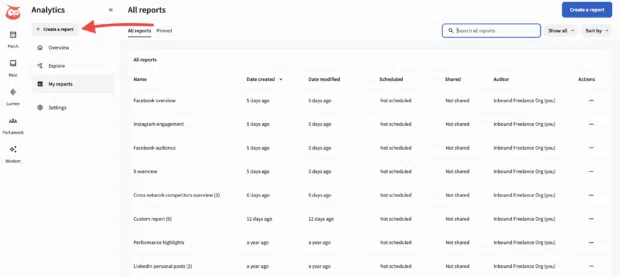
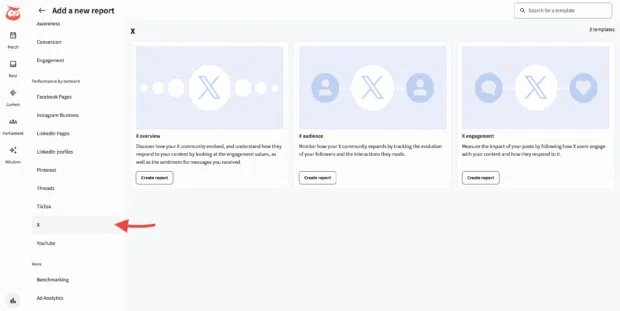
Perch by Hootsuite positions itself as a robust solution for enterprise teams and growing brands, offering comprehensive cross-platform comparisons, custom reporting dashboards, and advanced social listening integrations via Talkwalker. While carrying a higher price point suited for organizational deployment, it eliminates the need to navigate platform-specific paywalls manually.
Conversely, solutions like Buffer and Later cater effectively to solo marketers, small businesses, and content creators seeking streamlined, cost-effective reporting. Buffer provides rapid access to core post metrics with minimal learning curve, while Later focuses heavily on scheduled content performance and optimal posting time recommendations. However, these lighter tools often lack the deep social listening, sentiment analysis, and multi-account competitive tracking required by enterprise-level marketing operations.
Implications and Future Outlook for Digital Marketers
The integration of paid subscription models into social media analytics highlights a broader industry trend toward platform monetization and walled-garden data practices. For marketing professionals, this evolution underscores the importance of data diversification. Relying solely on a single platform’s native reporting suite is increasingly risky as access terms and pricing structures evolve.
Moving forward, the most successful digital strategies will be those that integrate quantitative metrics with qualitative brand health indicators. By combining robust multi-channel reporting tools, disciplined benchmark tracking, and cross-departmental insight sharing—where social data informs product development, sales strategies, and creative direction—organizations can transform routine analytics into a strategic competitive advantage. As the digital ecosystem continues to mature, the ability to interpret data accurately and pivot quickly will remain the defining characteristic of high-performing marketing teams.