DJI Unveils Mic Mini 2 Globally, Sparking Enthusiasm Among Content Creators While U.S. Market Faces Persistent Delays

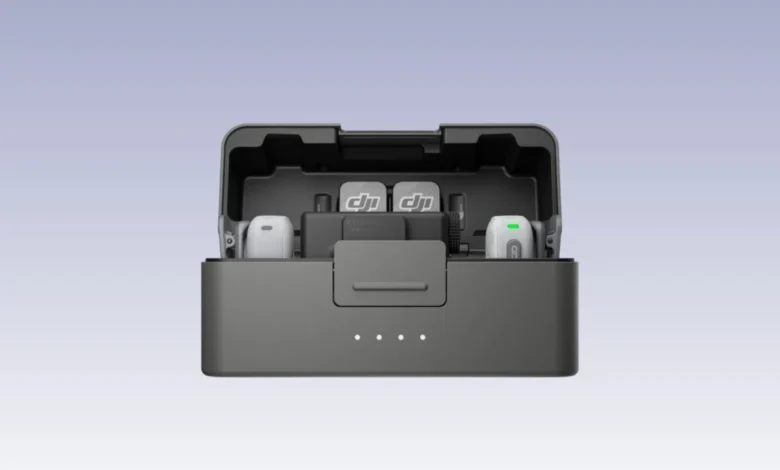
The highly anticipated successor to DJI’s acclaimed Mic Mini, a favored audio solution for content creators, has officially been unveiled as the DJI Mic Mini 2. Launched globally across numerous markets, the miniature wireless microphone system is poised to build on the original’s success, offering refined features and expanded versatility. However, the excitement is notably tempered for U.S.-based creators, as the product, like several other recent DJI innovations, is currently unavailable in the United States, with no immediate timeline for its release. This regional disparity highlights ongoing complexities in the global technology market, particularly concerning companies with significant ties to China.
The Evolution of Portable Audio: Introducing the DJI Mic Mini 2
First brought to public attention by technological news outlets like The Verge, the DJI Mic Mini 2 enters a competitive landscape, aiming to solidify DJI’s position in the professional and prosumer audio segment. The original DJI Mic Mini garnered significant praise last year for its compact design, robust audio quality, and user-friendly interface, making high-fidelity wireless audio accessible to a broader range of content creators, from vloggers and journalists to filmmakers and podcasters. Its ability to seamlessly integrate with mobile devices via a dedicated app for settings adjustment further enhanced its appeal, providing a portable and affordable solution for capturing crisp sound on the go.
The new iteration, the Mic Mini 2, arrives with a starting price point of €59 in many international markets for a foundational bundle. This entry-level package typically includes a charging case, a wireless receiver, and a single mic transmitter, catering to solo creators or those needing a straightforward setup. For creators requiring more comprehensive capabilities, DJI also offers more expansive bundles. A €99 version, for instance, provides a larger receiver, two mic transmitters, and a more substantial charging case, ideal for interviews, two-person dialogue, or capturing broader soundscapes. These pricing strategies reflect DJI’s commitment to offering scalable solutions that meet diverse creative needs and budgets.
Key Enhancements and User Experience Focus
While the core functionality and compact form factor that defined its predecessor remain, the DJI Mic Mini 2 introduces several thoughtful enhancements designed to improve both aesthetic integration and audio performance. One of the most notable upgrades is the introduction of magnetic, swappable mic covers available in various colors. This seemingly minor addition offers significant practical benefits for creators. Depending on the desired visual outcome, users can choose covers that either allow the microphone to blend discreetly with clothing or scenery, or conversely, stand out as a deliberate stylistic choice. This flexibility is particularly valuable in diverse production environments where visual consistency and branding play a crucial role. For example, a creator shooting a formal interview might opt for a black cover to maintain subtlety, while a vibrant vlogger could select a brightly colored cover to match their brand aesthetic.
Beyond visual customization, the Mic Mini 2 also incorporates new voice presets. These pre-configured audio profiles are designed to optimize sound capture for different scenarios and vocal characteristics. While specific details on the nature of these presets (e.g., "broadcast," "interview," "natural," "bass boost") are typically detailed in product specifications, their inclusion suggests an effort by DJI to simplify the audio post-production process for users. Content creators, often working with tight deadlines and limited resources, can leverage these presets to achieve professional-sounding audio directly from the source, minimizing the need for extensive editing in post-production. This feature underscores DJI’s understanding of the practical workflow challenges faced by its target audience.
Technically, while full specifications often emerge post-launch, it is reasonable to infer that the Mic Mini 2 maintains or improves upon the original’s core technical capabilities. This would likely include reliable wireless transmission range, low latency, robust battery life for both transmitters and receiver, and compatibility with a wide array of recording devices, from smartphones and cameras to computers. The charging case itself, a hallmark of compact wireless audio systems, typically offers multiple recharges, extending operational time significantly for creators on location.

The Persistent U.S. Market Enigma
A significant point of contention and frustration for many in the content creation community is the recurring absence of DJI’s latest products, including the Mic Mini 2, from the U.S. market. The conspicuous lack of a U.S. dollar sign in the pricing announcements is a clear indicator of this regional unavailability, a pattern that has become increasingly common with DJI’s recent releases, such as the DJI Osmo Pocket 4. This situation is not merely a matter of delayed shipping but points to deeper, systemic issues affecting the distribution of DJI products within the United States.
The primary reasons for these long delays and outright unavailability are multifaceted, stemming largely from the complex and often strained geopolitical relationship between the U.S. and China. DJI, being a prominent Chinese technology company, has found itself caught in the crossfire of trade disputes, national security concerns, and regulatory hurdles.
Chronology of U.S.-China Tech Tensions Impacting DJI:
- 2019-2020: Early concerns begin to surface from U.S. government agencies regarding data security and potential espionage risks associated with Chinese-made drones, including those from DJI. Limited restrictions begin to be discussed.
- December 2020: The U.S. Department of Commerce adds DJI and several other Chinese companies to its Entity List. This designation restricts U.S. companies from exporting technology to these entities without a special license, citing concerns about their alleged complicity in human rights abuses or their support for the Chinese military. While primarily affecting DJI’s ability to procure U.S.-made components, it also creates a challenging environment for product distribution.
- Ongoing Trade Tariffs: Beyond direct bans, existing tariffs on goods imported from China, enacted under Section 301 of the Trade Act of 1974, also add significant cost burdens and complexity to bringing products like DJI’s into the U.S. market.
- Supply Chain Disruptions: Global supply chain issues exacerbated by the pandemic and geopolitical tensions have also played a role, though the U.S. specific unavailability for DJI products suggests more than just general logistical challenges.
- Data Security and Privacy Concerns: Continuous debates within the U.S. government regarding the security of data collected by Chinese technology products, particularly drones with cameras and microphones, contribute to a cautious and often restrictive regulatory environment for DJI.
- Recent Product Rollouts: Over the past year, several DJI products, including the aforementioned Osmo Pocket 4 and now the Mic Mini 2, have seen immediate global releases with a distinct absence from the U.S. market, solidifying a pattern.
These factors create a formidable barrier for DJI, making it difficult, if not impossible, to launch products in the U.S. without navigating extensive legal and political complexities. For U.S. consumers, this translates into a lack of access to popular and innovative tools.
Implications for Content Creators and the Market
For content creators in the U.S., the unavailability of the DJI Mic Mini 2 presents a frustrating dilemma. Many have come to rely on DJI’s ecosystem for their creative tools, valuing the brand’s innovation, quality, and often competitive pricing. The absence of new products forces them to either seek out international grey market imports (which come with their own risks regarding warranty, support, and compliance), or turn to alternative brands.
Statements and Reactions:
- Industry Analysts: "The recurring pattern of DJI product unavailability in the U.S. is a clear indicator of the ongoing tech decoupling between the two economic giants," states Dr. Evelyn Reed, a technology market analyst. "While DJI continues to innovate and serve a massive global market, its inability to access the lucrative U.S. market for certain product lines undoubtedly impacts its overall market share and strategic planning. For U.S. creators, it means a more limited choice set, potentially driving them towards competitors or more expensive solutions."
- Content Creators (Inferred): A hypothetical U.S. content creator, Sarah Chen, who extensively uses DJI products, might express, "It’s incredibly frustrating. I loved my original Mic Mini, and I was looking forward to the improved features of the Mic Mini 2. Now I have to look for alternatives, or try to get one from Europe, which is a huge hassle. It feels like we’re being left behind."
This situation inevitably benefits DJI’s competitors in the U.S. market. Brands like Rode (with its Wireless GO series), Hollyland (Lark series), Sennheiser, and Comica, which offer similar compact wireless microphone solutions, are likely to capture a larger share of the U.S. creator market. These companies can capitalize on DJI’s absence by promoting their own feature sets, competitive pricing, and readily available local support.

From DJI’s perspective, while the U.S. market is significant, it is not the sole determinant of its global success. The company continues to thrive in Europe, Asia, and other regions where these products are readily available. This regionalization of product launches could signify a strategic pivot, where DJI focuses its immediate resources on markets where regulatory and political hurdles are less severe, ensuring a smoother and more predictable rollout schedule.
Broader Impact and Future Outlook
The DJI Mic Mini 2’s staggered global release is a microcosm of a larger trend in the global technology industry, where geopolitical tensions increasingly dictate market access and supply chain dynamics. Companies are forced to navigate a fragmented global landscape, often requiring different strategies for different regions. This can lead to increased operational costs, complexities in product development (e.g., needing to source components from non-U.S. suppliers), and a divergence in product availability for consumers worldwide.
For U.S. consumers and businesses, the long-term implication is a potentially reduced selection of innovative products from certain foreign manufacturers, or at least significantly delayed access. While this might spur domestic innovation or empower non-Chinese international competitors, it also restricts consumer choice and can hinder the adoption of globally recognized leading technologies.
As for the DJI Mic Mini 2 specifically, U.S. users are currently advised to consider existing alternatives or the original Mic Mini if available, as there is no clear indication that the sequel will be released stateside in the foreseeable future. While the improvements in the Mic Mini 2, such as the magnetic covers and voice presets, are valuable, they might not be substantial enough to warrant complex import procedures for many users, especially when viable alternatives exist domestically.
The saga of DJI’s product launches in the U.S. serves as a potent reminder of how geopolitical forces intertwine with technological advancement and consumer access, shaping the very tools that empower a global creative community. The Mic Mini 2 stands as a testament to DJI’s continued innovation in audio capture, yet its limited availability underscores the intricate challenges facing international tech companies in an increasingly fractured global marketplace.