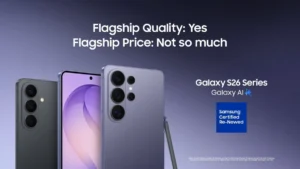
The introduction of the Galaxy S26 lineup to the "Re-Newed" store comes as a strategic move to optimize inventory management and sustain market share during a period of shifting consumer spending habits. This program, which functions as Samsung’s internal answer to the growing secondary mobile market, ensures that every device sold undergoes a rigorous inspection and restoration process.
The Scope of the Re-Newed Program
Samsung’s "Certified Re-Newed" initiative is distinct from standard refurbished marketplaces found on third-party sites like eBay or Amazon. According to the manufacturer’s documentation, every device processed through the program is stripped down and rebuilt using 100% genuine Samsung components. Perhaps most importantly for the longevity of the device, every unit receives a brand-new battery and a new outer casing, effectively making the physical hardware indistinguishable from a factory-sealed unit.
These devices are covered by a one-year warranty, which is the same duration provided for brand-new, retail-packaged smartphones. By providing this level of assurance, Samsung is effectively mitigating the "risk factor" that traditionally deters consumers from buying used or refurbished electronics.
Pricing Structure and Market Positioning
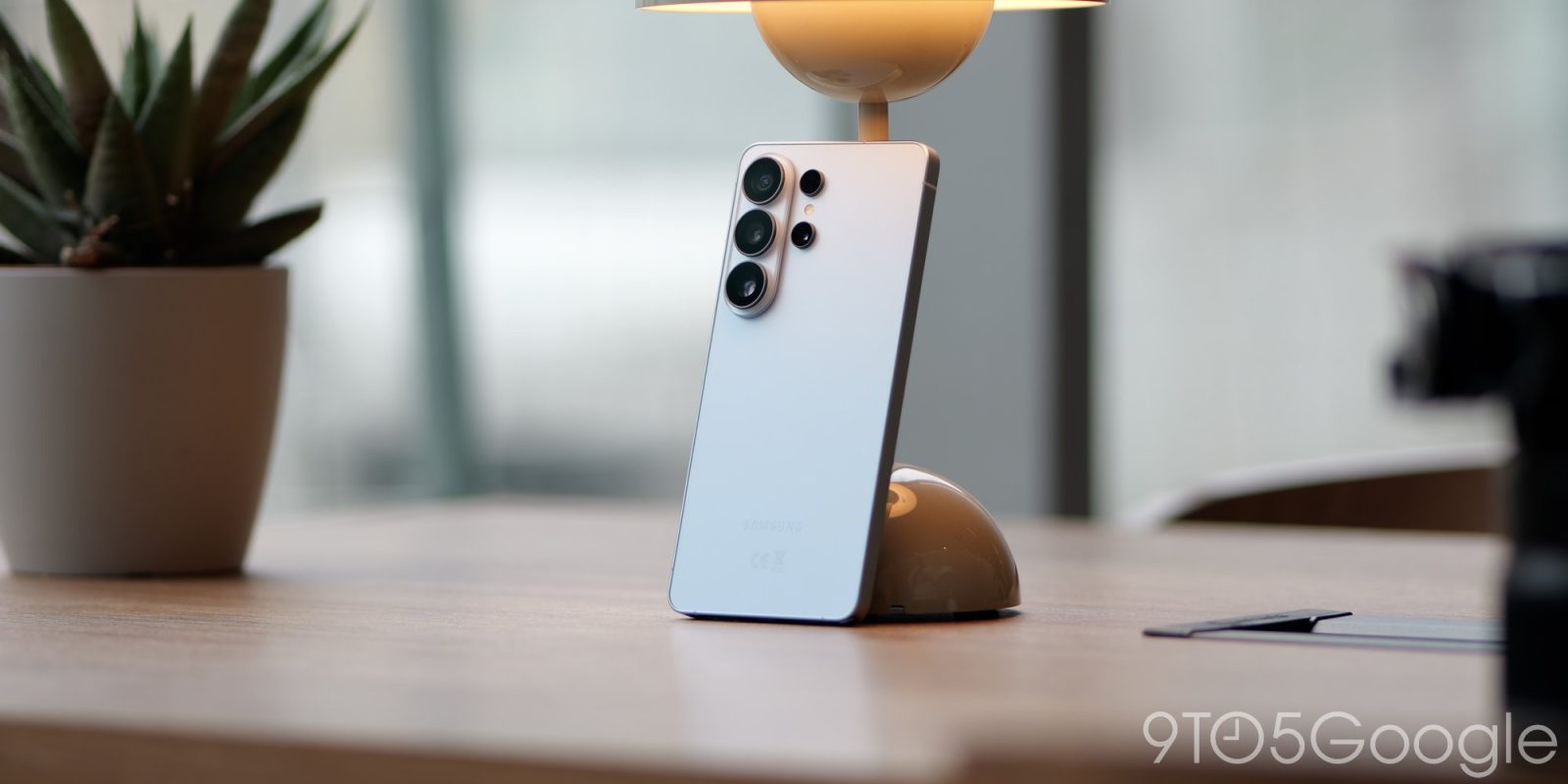
The arrival of the Galaxy S26 series in this program introduces a roughly $200 discount across the board compared to current retail MSRPs. While the Galaxy S26+ remains notably absent from the initial launch of the Re-Newed inventory, both the standard S26 and the top-tier S26 Ultra are currently available for purchase through the official Samsung online store.
For the base model Galaxy S26, the savings provide a compelling alternative to mid-range devices that lack the high-end camera sensors and processing power of the S-series. The Galaxy S26 Ultra, which represents the pinnacle of Samsung’s mobile engineering, becomes significantly more accessible, potentially undercutting the resale value of private-party sellers who cannot offer the same official warranty protections.
When compared to the standard retail prices—$899 for the base S26, $1,099 for the S26+, and $1,299 for the Ultra—the $200 discount represents a 15% to 22% reduction. This pricing strategy is designed to appeal to the "prosumer" market segment that is willing to accept a previous-generation or pre-owned device provided it still carries the manufacturer’s stamp of approval.
Chronology of the S26 Market Cycle
The lifecycle of the Galaxy S26 has been defined by rapid market movement. Following the global launch of the series earlier this year, the devices saw strong initial adoption. However, as the smartphone industry enters the second half of the year, manufacturers typically begin to look for ways to maintain sales momentum before the cycle resets with the next iteration.
Industry analysts note that the introduction of refurbished models usually occurs six to nine months post-launch. By deploying this inventory now, Samsung is effectively clearing out return stock or carrier-overstock units before the rumored price hikes expected in October. This timeline suggests a calculated effort to maximize revenue from existing hardware before new market conditions take effect.
Broader Implications of the Secondary Market
The growth of the certified refurbished sector is not merely a tactic to sell older phones; it is a fundamental shift in the circular economy of the smartphone industry. With the average cost of flagship devices climbing well past the $1,000 threshold, consumers have increasingly turned to installment plans or trade-ins. The Re-Newed program provides a third, more sustainable path.
By refurbishing and reselling these devices, Samsung is also addressing concerns regarding electronic waste. Extending the life of a smartphone by two to three years through official channels reduces the carbon footprint associated with the manufacturing of new units. This alignment with sustainability goals is becoming an increasingly important metric for corporate social responsibility (CSR) reporting, particularly for publicly traded technology firms.
Analysis of Competitive Pressures
The timing of this announcement is noteworthy given the wider economic landscape. Reports have circulated regarding potential price increases for the Galaxy S26 series as early as October, likely driven by rising component costs, specifically in the domains of generative AI-integrated chips and high-resolution camera optics. By introducing lower-cost, certified-refurbished options now, Samsung provides a "safety valve" for customers who may find the potential upcoming price hike prohibitive.
Furthermore, the competition in the refurbished space is intensifying. Companies like Back Market and Swappa have dominated the secondary market for years by aggregating sellers and providing buyer protection. Samsung’s decision to move aggressively into this space with its own "Re-Newed" store is a direct challenge to these platforms. By owning the entire refurbishment process, Samsung can offer a level of quality control that third-party resellers simply cannot match, leveraging its proprietary diagnostic tools and original parts supply chain.
Impact on Consumer Behavior
For the average consumer, the shift toward accepting refurbished hardware as a legitimate alternative to new models is well underway. Surveys indicate that younger demographics, particularly Gen Z and younger Millennials, are significantly more open to purchasing refurbished goods, citing both environmental concerns and fiscal responsibility as primary motivators.

Samsung’s marketing of the "Re-Newed" program targets this psychological shift. By emphasizing that the device has been "serviced by Samsung directly," they are effectively reframing the "used" label into a "restored" label. The inclusion of a brand-new battery is a critical value proposition, as battery degradation is the most common complaint associated with purchasing pre-owned mobile devices.
Looking Ahead
As Samsung continues to refine its Re-Newed program, market observers expect further expansion of the lineup. The presence of the Galaxy S23 and S25 series, alongside foldables like the Galaxy Z Flip5, indicates that the program is intended to be a permanent fixture of Samsung’s retail ecosystem.
The strategy serves multiple functions:
- Inventory Control: It prevents high-end hardware from depreciating in third-party channels.
- Customer Acquisition: It allows price-sensitive customers to enter the high-end Samsung ecosystem.
- Brand Loyalty: By ensuring a high-quality experience even with refurbished devices, Samsung prevents customers from jumping to competing operating systems due to the cost of new hardware.
In conclusion, the addition of the Galaxy S26 series to the Samsung Certified Re-Newed store is a multifaceted strategy that addresses consumer demand for value, corporate environmental goals, and the competitive realities of the global smartphone market. As the industry faces potential price volatility in the coming months, this program provides a stable, reliable, and manufacturer-guaranteed path for consumers to access flagship technology. Whether this will successfully offset the impact of the rumored price hikes remains to be seen, but it certainly provides a robust option for those seeking the latest Samsung technology without the premium associated with a brand-new retail unit.
The program remains exclusive to the Samsung.com portal, ensuring that the company maintains full control over the customer experience and the data associated with these transactions. As the secondary market continues to evolve, Samsung’s direct-to-consumer refurbished model will likely serve as a benchmark for how manufacturers manage the later stages of a product’s lifecycle in an increasingly expensive tech market.