Three men charged in armed hijacking of truck carrying $1.2 million in Apple gear

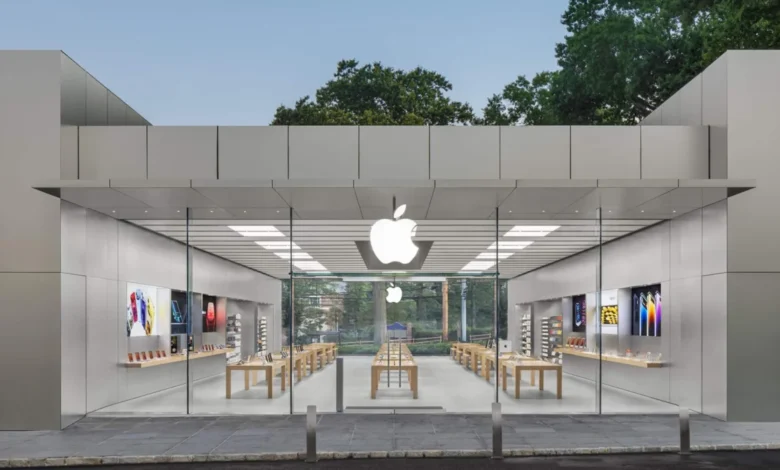
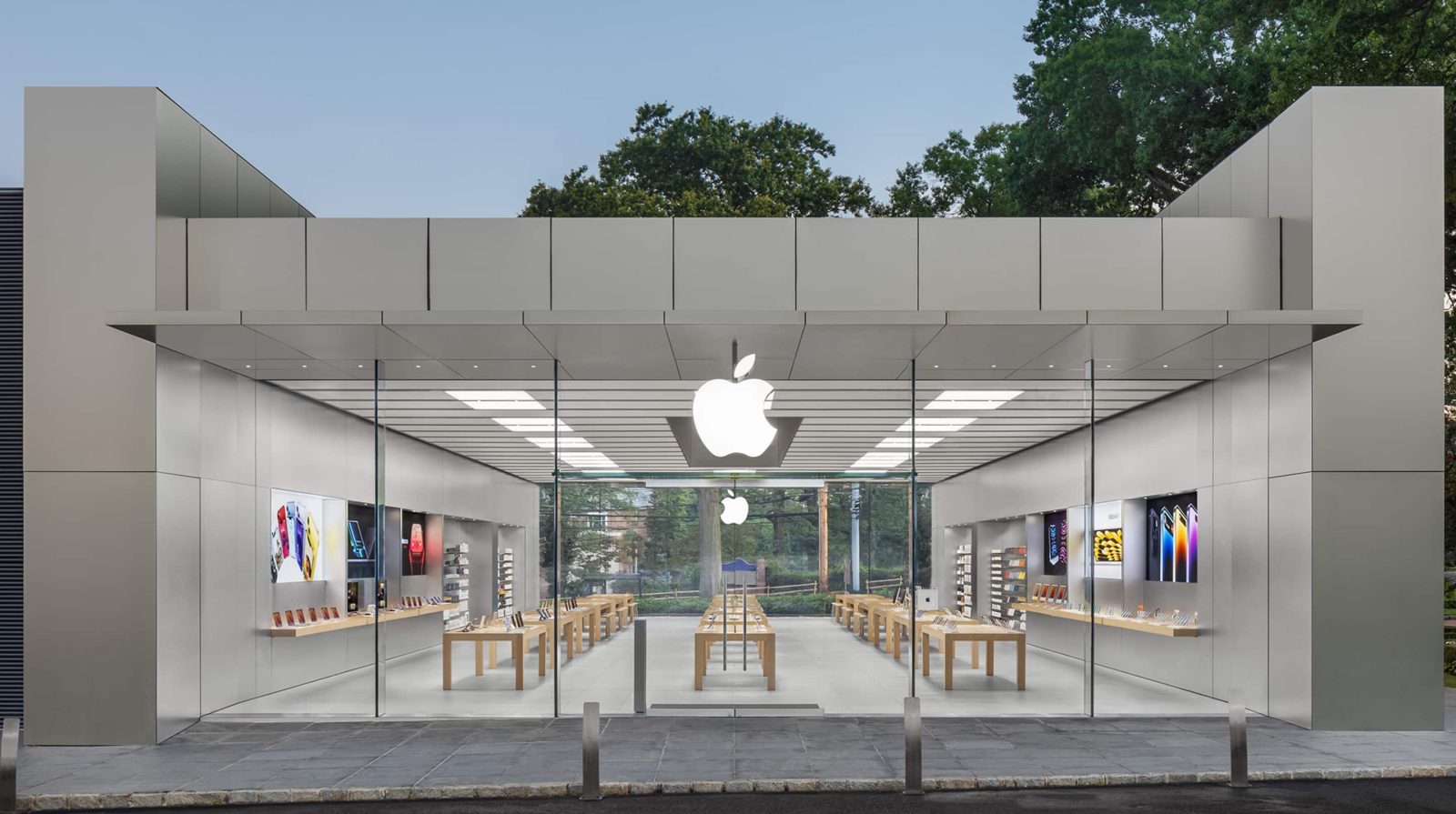
In a significant development stemming from a brazen daylight robbery earlier this year, federal prosecutors have indicted three individuals in connection with the armed hijacking of a delivery truck laden with over $1 million worth of Apple products. The incident, which unfolded with chilling precision outside the prestigious Apple Store at the Americana Manhasset mall in New York, underscores the growing sophistication and audacity of organized retail crime networks targeting high-value merchandise. The U.S. Attorney’s Office for the Eastern District of New York announced the indictments this week, identifying the accused as Alan Christhofer Cedeno-Ferrer, Michael Mejia-Nunez, and Ennait Alexis Sirett-Padilla. Each faces severe charges that carry a potential sentence of up to 30 years in federal prison upon conviction, signaling the gravity with which law enforcement views such egregious acts against commercial enterprises and public safety.
The Audacious Heist: A Detailed Chronology of January 3, 2026
The meticulously planned operation commenced on the morning of Friday, January 3, 2026, at approximately 8:00 a.m. The target was a routine delivery to one of Apple’s most prominent retail locations, situated within the upscale Americana Manhasset shopping center, known for its luxury boutiques and affluent clientele. A delivery truck, carrying an estimated $1.2 million in high-demand Apple devices, including the latest MacBooks, iPhones, iPads, and Apple Watches, had just arrived and parked outside the store. Two unsuspecting delivery workers were inside the vehicle, diligently preparing to unload the valuable cargo, a task that typically involves a strict protocol for handling high-security shipments.
Suddenly, the routine morning was shattered by the arrival of three armed men. According to the federal indictment, Cedeno-Ferrer, Mejia-Nunez, and Sirett-Padilla, wielding handguns, confronted the delivery personnel. The initial moments of the encounter were characterized by swift and brutal efficiency. One of the workers was forcibly moved to the back of the delivery truck, where his hands were immediately bound with zip ties, incapacitating him and preventing any resistance or immediate alert. The second worker was then coerced into the driver’s seat, his role shifting from delivery professional to unwilling accomplice under duress.
Under the explicit command of the hijackers, the victim-driver was instructed to navigate the delivery truck away from the bustling mall area to a more secluded location. This pre-selected spot was identified as a discreet parking area situated behind an office building on Northern Boulevard in Manhasset, strategically chosen for its relative isolation and lack of immediate witnesses. Upon reaching this secondary location, the driver was also ordered into the cargo section of the truck, where his hands were zip-tied, effectively neutralizing both victims and securing their confinement.

The next phase of the heist involved the transfer of the stolen goods. A Home Depot box truck, which investigators later determined had been rented by Cedeno-Ferrer using a fraudulent Pennsylvania driver’s license, pulled into the parking area. The perpetrators expertly backed the rented truck up to the rear of the delivery vehicle, aligning their cargo sections to facilitate a rapid and seamless transfer. Working quickly and under the constant threat of their firearms, the men systematically moved the entirety of the $1.2 million worth of Apple merchandise from the original delivery truck into the Home Depot rental. Once the transfer was complete, the cargo door of the delivery truck was unceremoniously slammed shut, trapping the bound victims inside. The hijackers then made their escape, leaving the victims to their fate.
Miraculously, one of the trapped victims managed to free himself from his restraints shortly after the perpetrators departed. Demonstrating remarkable composure under immense stress, he was able to reach a phone and dial 911, alerting authorities to the audacious crime and their perilous situation. This quick action was crucial in initiating the subsequent law enforcement response and investigation.
The Unraveling Investigation and Indictments
The aftermath of the hijacking saw a rapid deployment of law enforcement resources. Initial reports highlighted the severity of the crime, not just for the substantial financial loss but also for the violent nature of the armed robbery and the confinement of the victims. The investigation swiftly focused on tracing the stolen goods and identifying the perpetrators.
A critical breakthrough occurred two days after the heist when the Home Depot truck, used to transport the stolen Apple products, was discovered abandoned in the Bronx. This recovery provided investigators with a crucial starting point for forensic analysis. According to prosecutors, Cedeno-Ferrer’s fingerprints were found on a copy of the rental agreement recovered from inside the abandoned vehicle. This physical evidence directly linked him to the vehicle used in the crime, providing a significant piece of the puzzle.
Further investigation revealed that the stolen Apple gear was initially transported to a self-storage facility located in Paterson, New Jersey. This facility played a pivotal role in the criminals’ operational logistics. Sirett-Padilla, one of the indicted individuals, had rented a storage unit under his own name. This unit was subsequently used as a staging ground to "facilitate transferring the stolen Apple goods from the Home Depot truck to a U-Haul truck and another vehicle being driven by a coconspirator." This detail illustrates the layered approach taken by organized crime rings, often employing multiple vehicles and temporary storage solutions to obscure the trail of stolen goods and make recovery more challenging.
Perhaps one of the most compelling pieces of evidence linking the suspects directly to the stolen merchandise came from the activation of some of the devices. Prosecutors stated that Cedeno-Ferrer was observed activating two of the stolen Apple Watches several days after the heist. Apple’s robust tracking and activation protocols, designed to deter theft and aid in recovery, often prove to be a powerful tool for law enforcement in these types of cases. While not explicitly detailed, the ability to track activated devices can provide crucial geolocation data and user identification, further solidifying the case against the accused.
Based on the confluence of forensic evidence, witness accounts, and digital tracking, federal grand juries returned indictments against Alan Christhofer Cedeno-Ferrer, Michael Mejia-Nunez, and Ennait Alexis Sirett-Padilla. The specific charges were not fully detailed in the press release but typically include armed robbery, conspiracy, and potentially kidnapping or unlawful restraint, given the confinement of the victims. If convicted, the three men face substantial prison sentences, up to a maximum of 30 years, reflecting the serious nature of federal charges related to armed hijacking and organized crime.
The Broader Context: Escalating Organized Retail Crime and High-Value Targets
The Manhasset Apple Store hijacking is not an isolated incident but rather a stark illustration of a growing national trend: the proliferation of organized retail crime (ORC). ORC involves professional criminal enterprises that engage in large-scale theft of retail merchandise, often for resale through illicit channels. The National Retail Federation (NRF) consistently reports that ORC is a major concern for retailers, with annual losses estimated in the tens of billions of dollars. In 2022, the average value of a retail crime incident surpassed $2,000, a significant increase from previous years, indicating that criminals are increasingly targeting higher-value items or executing more extensive heists.
Apple products, due to their high demand, premium pricing, and robust secondary market, are particularly attractive targets for these criminal organizations. Devices like iPhones, iPads, MacBooks, and Apple Watches command significant resale value, both domestically and internationally, making them ideal for quick liquidation. The sophisticated nature of this particular heist – involving armed perpetrators, a decoy vehicle, a staging facility, and a multi-step transfer process – is characteristic of ORC groups rather than opportunistic individual thieves. These groups often operate across state lines, complicating investigations and requiring federal intervention.
New York, as a major commercial hub with numerous high-end retail establishments and extensive transportation networks, is frequently impacted by cargo theft and ORC. Statistics from the FBI and various security organizations indicate that cargo theft, which includes the hijacking of delivery trucks, is a persistent threat across the United States. While specific figures for New York are often aggregated with broader regional data, incidents involving high-value electronics are a recurring concern for law enforcement and logistics companies operating in the metropolitan area. The cost of such thefts extends beyond the value of the stolen goods, encompassing increased insurance premiums, supply chain disruptions, and heightened security costs for businesses.

Law Enforcement Response and Deterrence
The U.S. Attorney’s Office for the Eastern District of New York, in collaboration with federal agencies like the FBI and local police departments such as the Nassau County Police Department, has prioritized combating organized retail crime and cargo theft. U.S. Attorney Breon Peace has repeatedly emphasized the commitment of his office to prosecuting individuals who engage in such violent and economically damaging crimes. "These indictments send a clear message that those who threaten the safety of our communities and undermine legitimate commerce through armed violence will be met with the full force of federal law," a representative might infer from such statements, highlighting the multi-agency coordination required to dismantle these criminal networks.
The severity of the charges – carrying up to 30 years in prison – serves as a significant deterrent. Federal laws related to armed robbery, conspiracy, and interstate transportation of stolen goods are robust and designed to address the complex nature of organized crime. The successful identification and indictment of the suspects in this case demonstrate the effectiveness of combining traditional investigative techniques (fingerprint analysis, witness interviews) with modern technological tools (device tracking, surveillance footage).
Implications for Supply Chain Security and Retail Operations
This incident at Americana Manhasset will undoubtedly prompt a reevaluation of security protocols for high-value deliveries, particularly in high-profile retail locations. Logistics companies transporting electronics and luxury goods often employ advanced security measures, including GPS tracking, armed guards, and unmarked vehicles. However, the sophisticated planning evident in this heist suggests that criminals are constantly adapting their tactics to circumvent existing safeguards.
For Apple and other high-end retailers, such incidents pose significant challenges. Beyond the direct financial loss, there are reputational concerns, potential impacts on customer availability, and the psychological toll on employees who are victimized. Retailers and their logistics partners may need to explore enhanced security features, such as more covert delivery methods, increased surveillance at delivery points, and advanced anti-theft packaging that makes goods harder to move or resell. The integration of technology, like Apple’s robust tracking capabilities, will continue to be a crucial element in both deterring theft and aiding in the recovery of stolen merchandise. The ability to "brick" or remotely disable stolen devices can significantly diminish their black market value, making them less attractive targets for thieves.
Moreover, the case underscores the ongoing battle against the illicit secondary market for electronics. The ease with which stolen goods can be transferred, stored, and then potentially sold online or through informal networks fuels organized retail crime. Disrupting these downstream channels is as critical as apprehending the initial perpetrators.

Conclusion
The indictment of Alan Christhofer Cedeno-Ferrer, Michael Mejia-Nunez, and Ennait Alexis Sirett-Padilla in the $1.2 million Apple product hijacking represents a significant victory for law enforcement in its ongoing fight against organized retail crime. The brazen nature of the heist, the significant value of the stolen goods, and the violent tactics employed by the perpetrators highlight the persistent threat posed by sophisticated criminal organizations. As the legal proceedings against the accused move forward, this case serves as a powerful reminder of the commitment of federal and local agencies to protect businesses and communities from such predatory acts, while also prompting critical discussions about the future of supply chain security in an increasingly vulnerable retail landscape. The pursuit of justice in this case will send a strong message that these illicit activities will not be tolerated and that those who engage in them will face severe consequences.