Apple Health App Gets a Massive Overhaul in iOS 27.2 Beta Including New Longevity and Insights Tabs

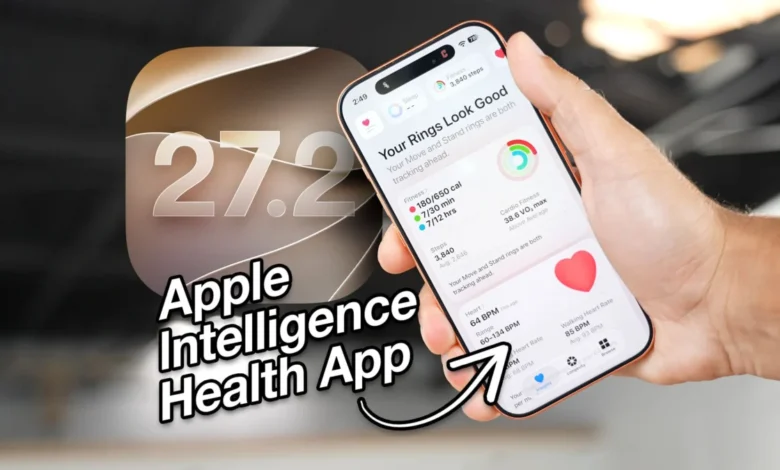
Apple has officially initiated the testing phase for a significantly redesigned Health application as part of the newly released iOS 27.2 beta. This update, which was originally teased during Apple’s high-profile September iPhone event, represents the most substantial architectural and functional shift to the platform since the introduction of the Health dashboard over a decade ago. While the core of the experience remains rooted in data aggregation, the new iteration shifts focus toward proactive wellness, predictive analytics, and long-term health span management.
The update, currently available to developers and public beta testers, introduces two primary pillars to the user interface: the Insights tab and the Longevity tab. These additions move the application away from a simple repository of medical records and activity logs toward a more diagnostic-forward experience, leveraging the advanced sensor suites found in the latest Apple Watch Series 12 and Apple Watch Ultra 4.
The Evolution of Health Metrics: The Insights Tab
The newly implemented Insights tab serves as a central hub for real-time health data, providing users with a synthesized view of their daily physiological state. Apple has prioritized the visualization of high-frequency data, including the classic Activity Rings, heart rate variability, nocturnal sleep staging, and critical vitals.
The primary objective of the Insights tab is to distill complex biological data into actionable information. While the current beta version focuses on data display, Apple has confirmed that the final release will incorporate a personalized guidance engine. This system is expected to utilize machine learning algorithms—processed on-device to ensure user privacy—to identify patterns in user behavior and suggest micro-adjustments to daily routines.
For owners of the Apple Watch Series 12 and the Ultra 4, a major highlight is the introduction of a sophisticated "Readiness Score." This metric is calculated by cross-referencing recent activity intensity with overnight vitals and sleep quality. By quantifying physiological recovery, the software provides users with a data-backed recommendation on whether to engage in high-intensity training or prioritize recovery, thereby reducing the risk of overtraining syndrome and injury.
Longevity and Biological Age Assessment
Perhaps the most ambitious aspect of the iOS 27.2 update is the Longevity tab. This feature shifts the narrative from daily tracking to long-term health span optimization. The Longevity tab aggregates longitudinal data—tracking trends over months and years—to calculate a user’s "Health Age." This score is derived from a complex matrix of inputs, including VO2 max, cardiovascular efficiency, activity consistency, and sleep architecture.
To ensure the accuracy of these assessments, Apple has introduced in-app fitness and mobility evaluations. Users can perform guided tests directly through their iPhone’s camera and sensor array to measure functional capabilities such as static balance, joint flexibility, and cardiovascular endurance. These assessments provide a baseline that the Health app uses to refine the Health Age score, creating a feedback loop that encourages users to engage in corrective exercises to improve their biological markers over time.
Strategic Partnerships and Clinical Integration
In a move that underscores Apple’s commitment to bridging the gap between consumer wearables and clinical medicine, the company has announced a partnership with Quest Diagnostics. As part of this initiative, users will have the option to order a comprehensive laboratory panel directly through the Health app for $119.
This service allows users to integrate standardized blood chemistry results—such as metabolic panels, lipid profiles, and hormone levels—directly into their Health profile. By incorporating clinical lab data alongside wearable sensor data, the Health app provides a more holistic view of systemic health. For users who prefer to use their own healthcare providers, the update also streamlines the process of uploading existing lab reports, ensuring that the Health Age score remains as accurate as possible regardless of where the diagnostic testing occurs.
Context and Development Timeline
The announcement of the redesigned Health app follows a busy period for Apple’s software division. On September 14, 2026, Apple released iOS 27 to the general public, a major update that introduced enhanced Siri AI capabilities, the new "iPhone Handoff" feature for dual-iPhone users, and a host of system-wide stability improvements. The decision to exclude the redesigned Health app from the initial iOS 27 release and instead reserve it for the 27.2 point release suggests a strategic move to ensure the stability of the core OS before introducing these high-complexity features.
The timeline for the rollout is as follows:
- September 2026: Initial preview of the Health app overhaul at the iPhone 18 Pro event.
- September 14, 2026: General release of iOS 27.
- September 16, 2026: Commencement of iOS 27.2 beta testing, including the new Health architecture.
- Q4 2026: Anticipated official launch of the redesigned Health app to the public.
Implications for the Wearable Ecosystem
The transition toward a more analytical Health app highlights the increasing importance of the Apple Watch as a medical peripheral. The dependency on the Apple Watch for the full functionality of the Longevity and Readiness features signals a shift in Apple’s business model, where the value proposition of the hardware is increasingly tied to the depth of the software ecosystem.
Analysts suggest that by focusing on longevity and clinical diagnostics, Apple is positioning itself to be a primary stakeholder in preventative healthcare. By providing users with the tools to monitor their biological age, Apple is tapping into the growing "bio-hacking" and longevity market, where consumers are increasingly looking for quantifiable data to extend their health span.
However, this transition is not without challenges. The integration of clinical-grade data requires stringent adherence to privacy standards and regulatory frameworks. Apple has emphasized that all health data, including lab results and Readiness scores, remains end-to-end encrypted and stored primarily on the user’s device. This privacy-first approach remains the company’s primary defense against the increasing scrutiny regarding the handling of sensitive medical information.
Broader Impact on Personal Wellness
The shift toward proactive health tracking represents a cultural change in how technology interacts with the human body. By providing users with a "Health Age," Apple is gamifying the aging process in a way that encourages sustainable lifestyle changes. When combined with the new Siri AI capabilities introduced in iOS 27, which can parse natural language queries about health trends, the potential for personalized, AI-driven health coaching becomes significant.
As the iOS 27.2 beta continues to evolve, developers and users alike are watching closely to see how Apple handles the data privacy nuances of the Quest Diagnostics integration and how the predictive models for the Readiness Score perform across different demographics. While the Health app has long been a staple of the iOS experience, this overhaul confirms that Apple intends for the iPhone to serve not just as a communication tool, but as a comprehensive guardian of personal health and longevity. The coming months will be critical in determining whether this new suite of tools can successfully translate complex medical data into a format that the average user can reliably trust to make informed life decisions.
Related posts: