The Evolution of Website Marketing: Adapting to the AI and Multi-Platform Landscape

The digital marketing landscape has undergone a profound transformation, moving away from traditional, single-channel optimization toward a decentralized ecosystem heavily influenced by artificial intelligence and peer recommendations. Historically, digital strategy centered almost entirely on driving direct traffic to a primary corporate website through search engines and paid acquisition campaigns. Today, however, a significant portion of the consumer decision-making journey occurs long before a user ever lands on a brand’s official web domain.
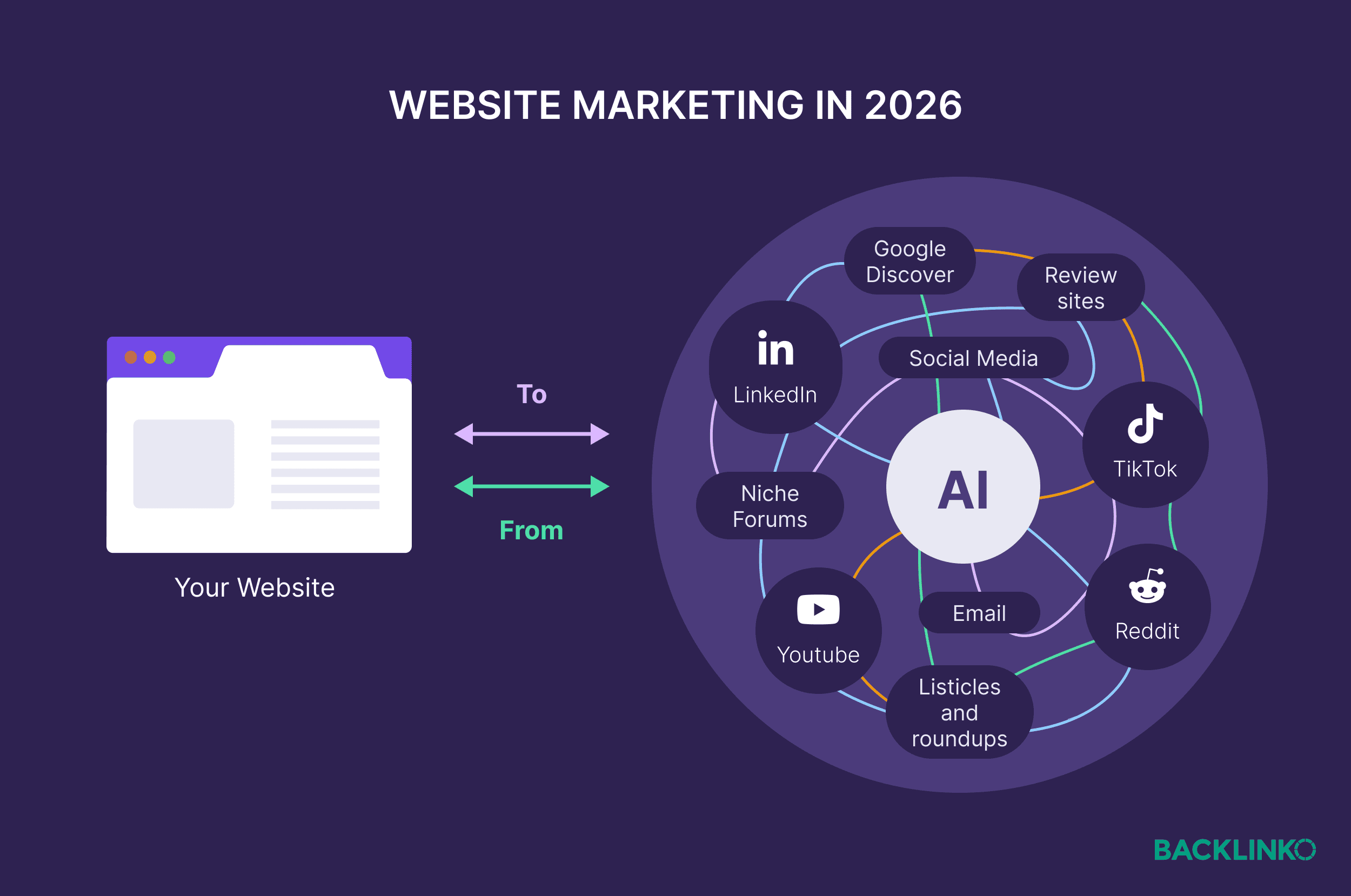
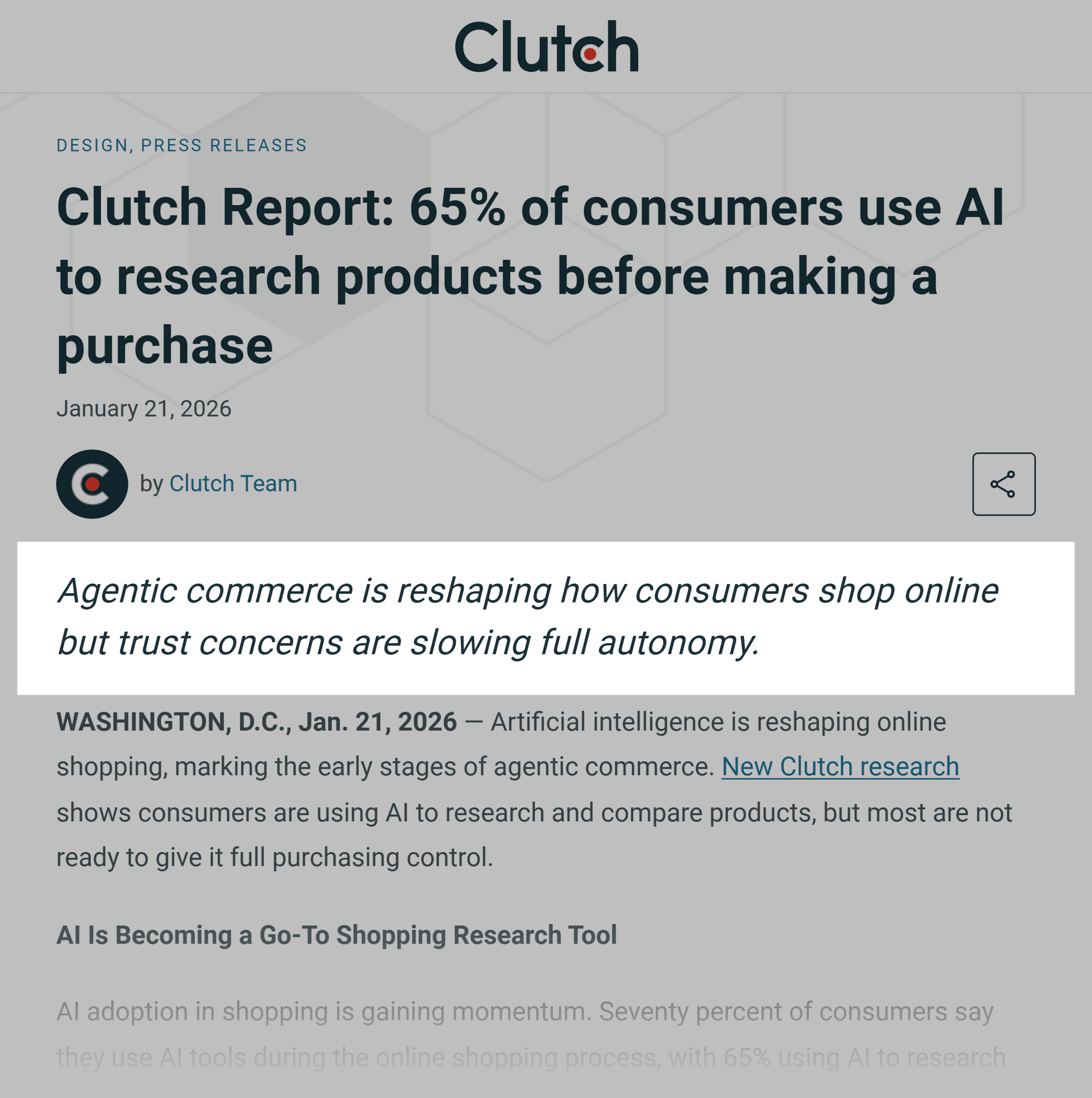
Recent industry data underscores this shift. According to recent surveys conducted by research firms such as Clutch, more than 65% of modern buyers now utilize generative artificial intelligence tools, Reddit threads, and specialized social media networks to research products and services before interacting directly with corporate web properties. Consequently, consumer perception of a brand is frequently established across third-party platforms well in advance of a direct site visit. Organizations that fail to maintain visibility and authority across these external channels risk losing potential conversions before the acquisition funnel even begins.
The shifting paradigm requires a comprehensive restructuring of how brands approach online visibility, technical optimization, and user conversion. To remain competitive, marketing executives must integrate multi-platform discovery tactics with robust, highly optimized web architecture.

The Rise of AI-Driven Discovery and Reputation Engineering
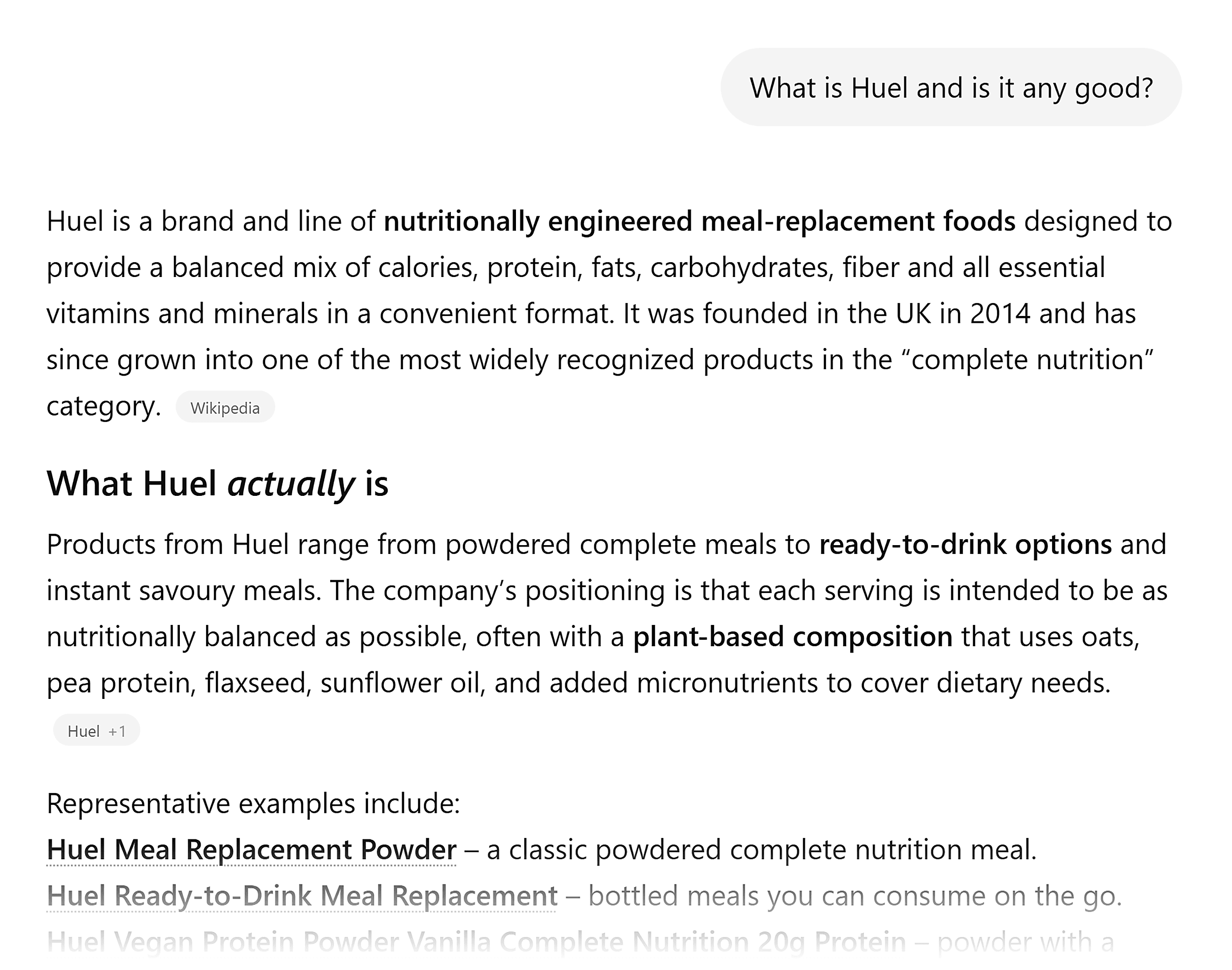
As large language models (LLMs) and conversational search interfaces become primary gateways for consumer research, managing a brand’s digital footprint requires active narrative engineering. When prospective buyers query AI systems for product recommendations or category overviews, the generated responses rely heavily on the aggregate sentiment and contextual data available across the open web.
To influence these outputs, organizations must establish a rigorous brand messaging strategy that defines core positioning, unique value propositions, and foundational terminology. By maintaining strict consistency across all internal communications, press releases, partner networks, and external content, companies can train both human consumers and machine-learning algorithms to associate their brand with specific, desirable industry categories.
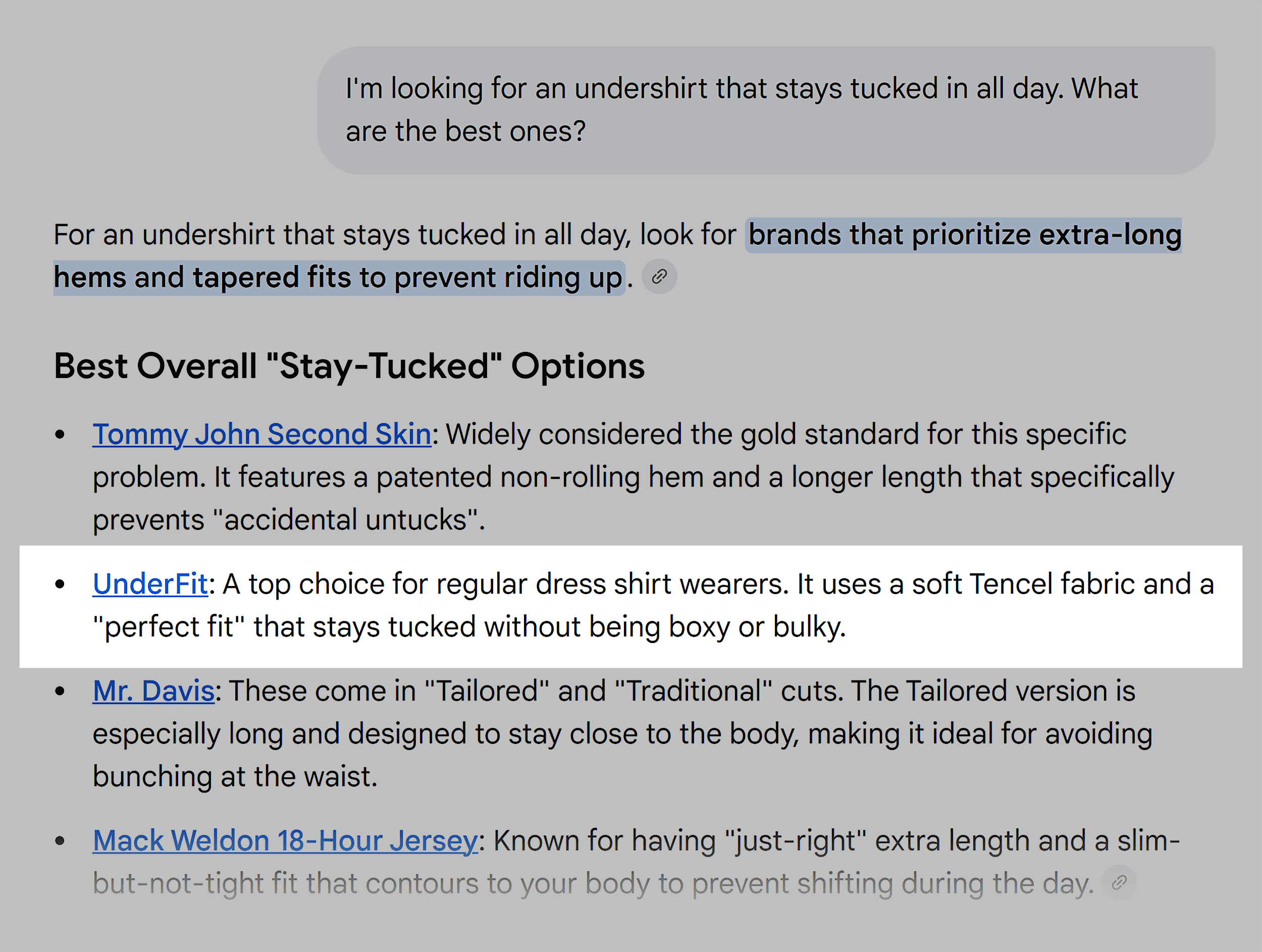
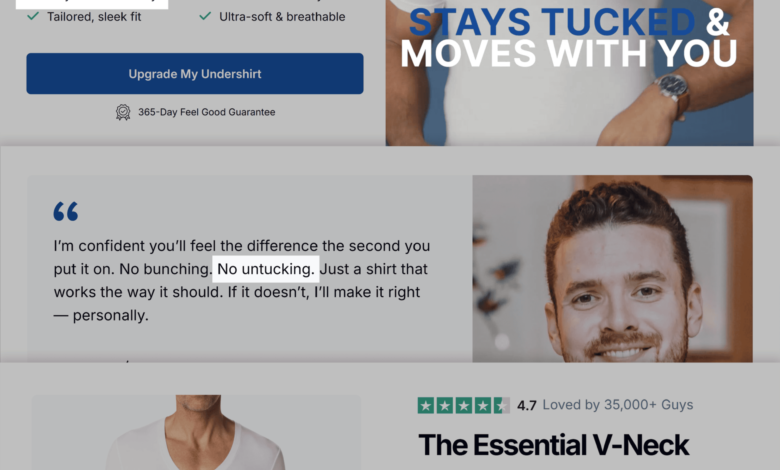
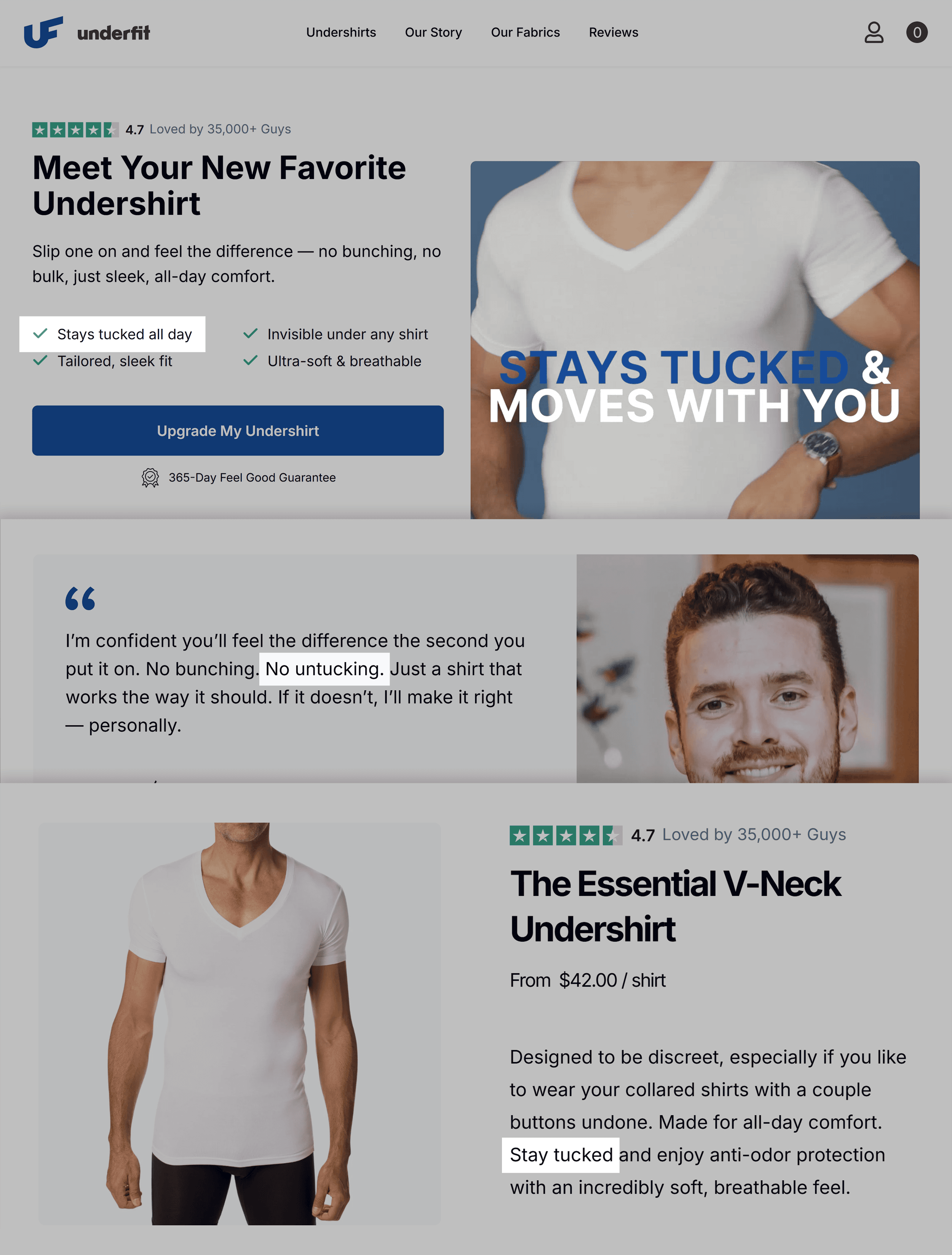
Industry analysts note that brands successfully appearing in AI-curated summaries—such as ecommerce apparel line UnderFit, which consistently reinforces its "stays tucked all day" product benefit across reviews and community forums—benefit directly from semantic repetition. Conducting routine AI audits by querying popular language models with high-intent prospect questions allows marketing teams to evaluate their current digital narrative, identify gaps, and correct misalignments before they impact consumer trust.
Modern Website Architecture and Semantic Optimization
While external discovery channels dictate initial brand awareness, the corporate website remains the critical conversion hub. However, modern web pages must be structured to accommodate both human readers and automated LLM parsers.
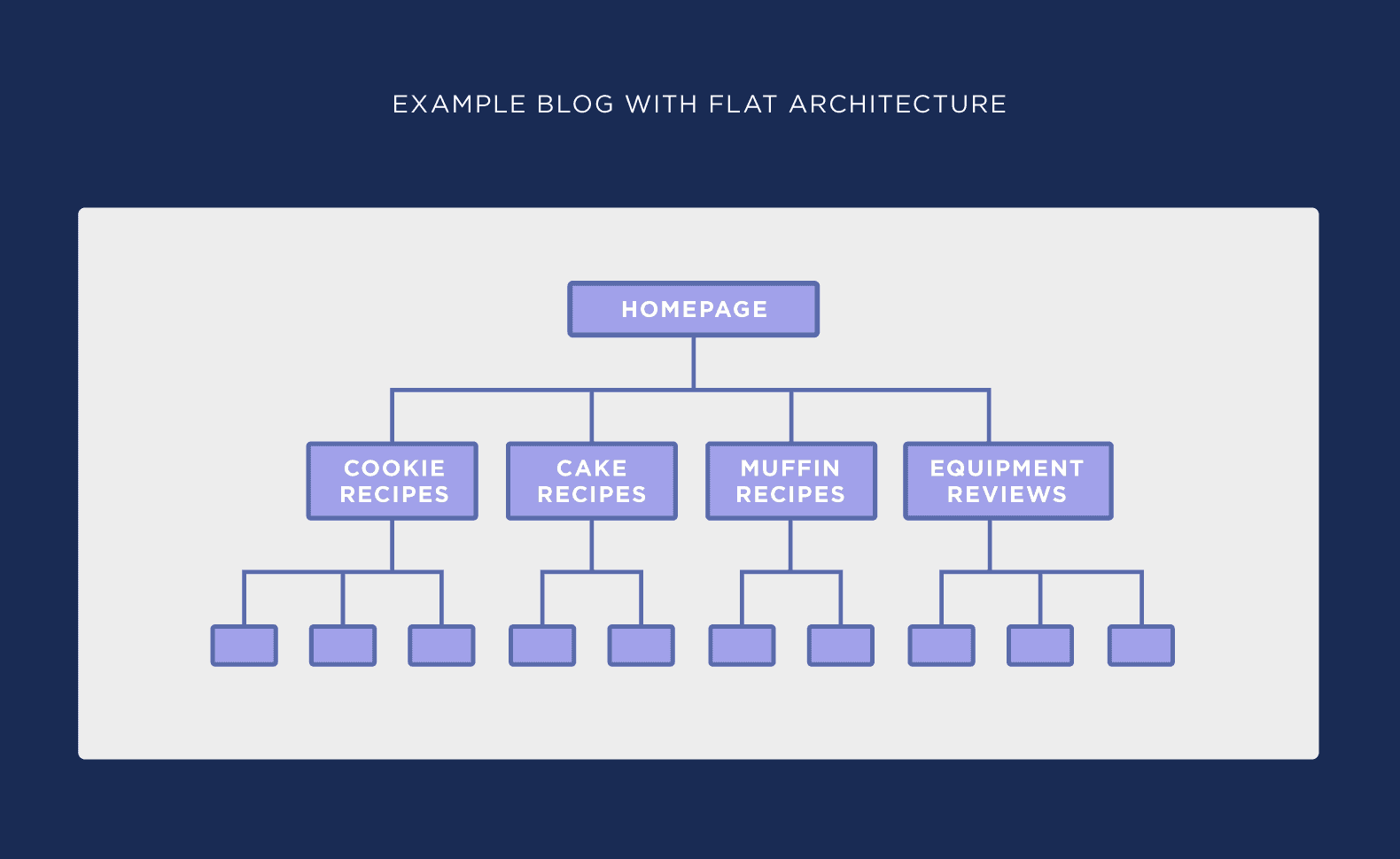
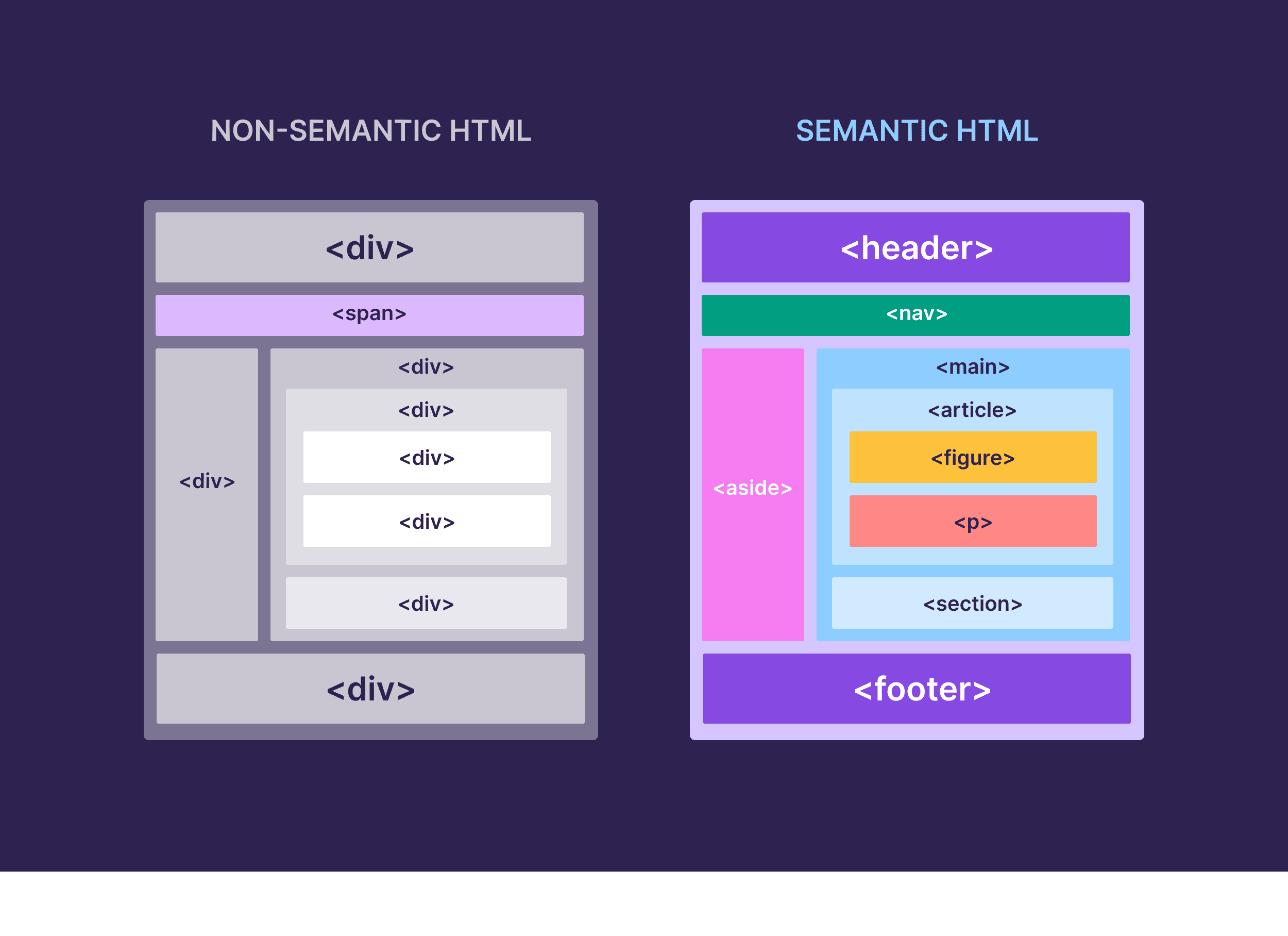
Technical optimization in the current digital era goes beyond basic keyword inclusion. It requires clean, flat website architecture with logical categorization, making it effortless for search engines and AI crawlers to map content relationships. Furthermore, the implementation of semantic HTML—utilizing proper heading hierarchies (H1, H2, H3), structured lists, and explicit section elements—provides explicit structural signals that define content hierarchy.

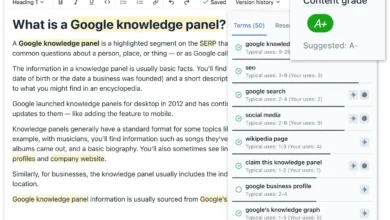
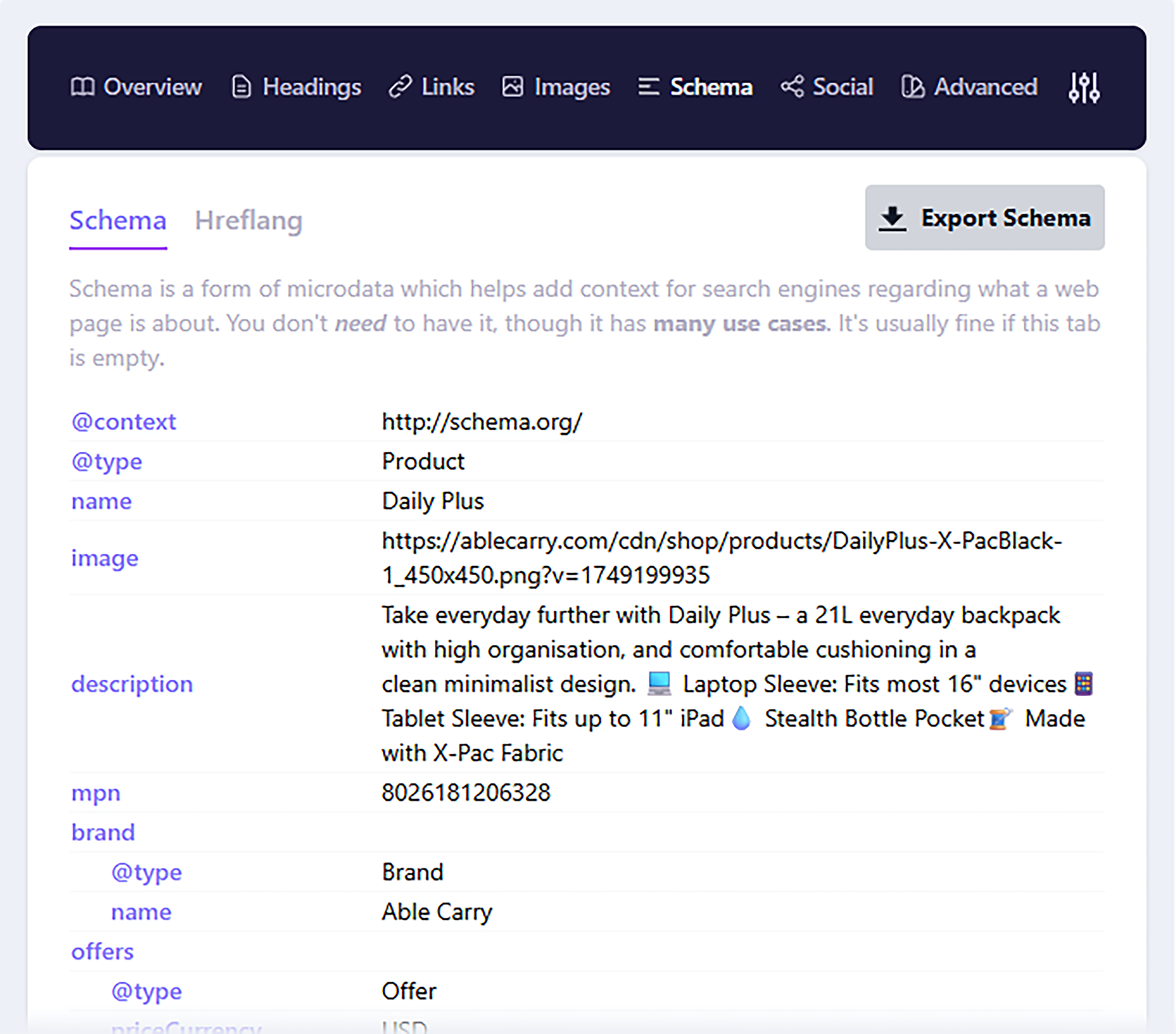
Coupled with comprehensive schema markup and adherence to core on-page search engine optimization standards, these technical measures ensure that automated systems can accurately interpret and contextualize enterprise web content. This structural clarity is increasingly vital as search engines transition from simple keyword matching to intent-based semantic retrieval.
The Convergence of Video Content and Brand Credibility
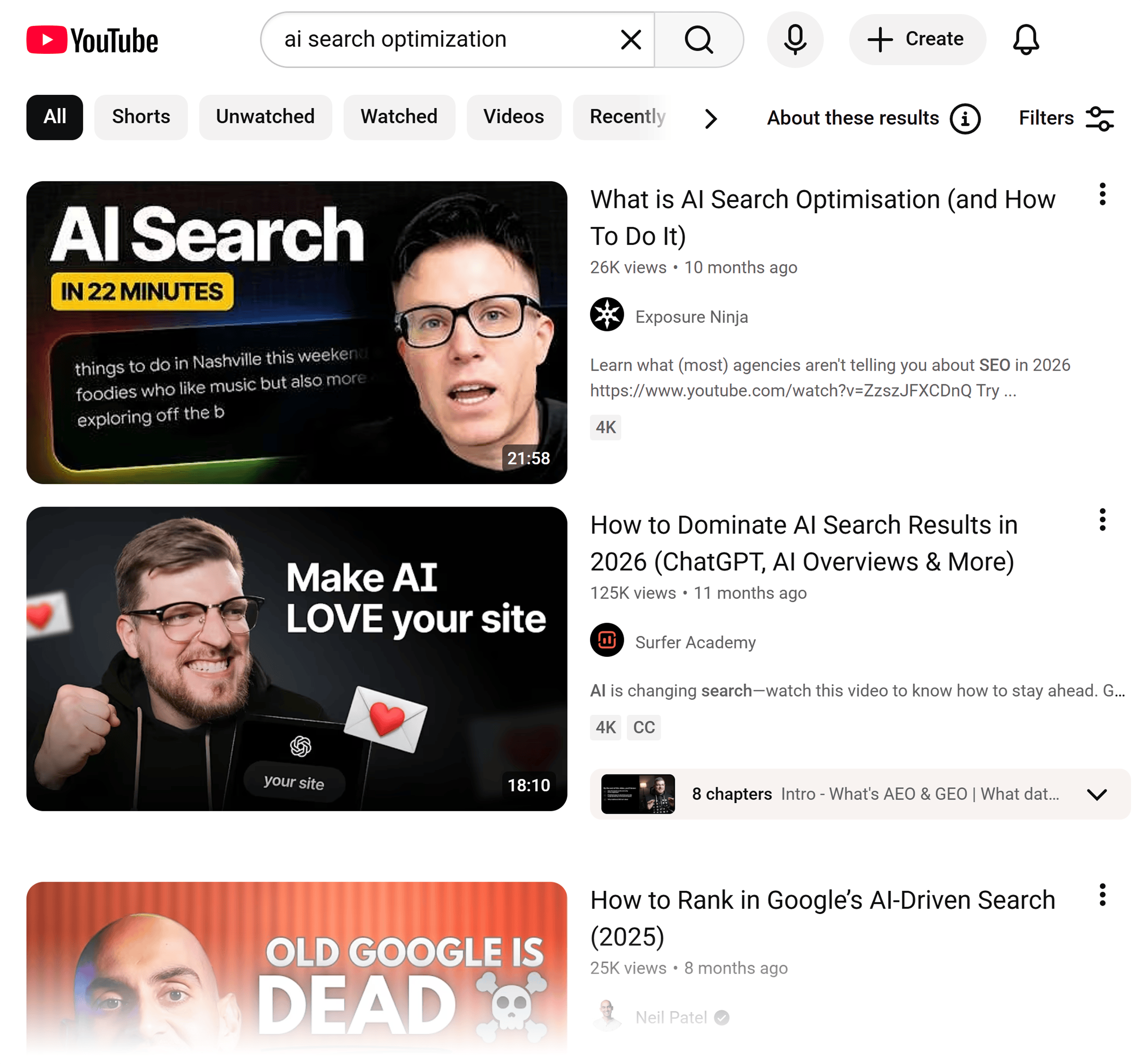
Video marketing has transitioned from an optional supplementary tactic to a fundamental pillar of consumer trust-building. Long-form video platforms, webinars, and educational series allow enterprises to humanize their operations and provide substantive value during the evaluation phase of the buyer journey.
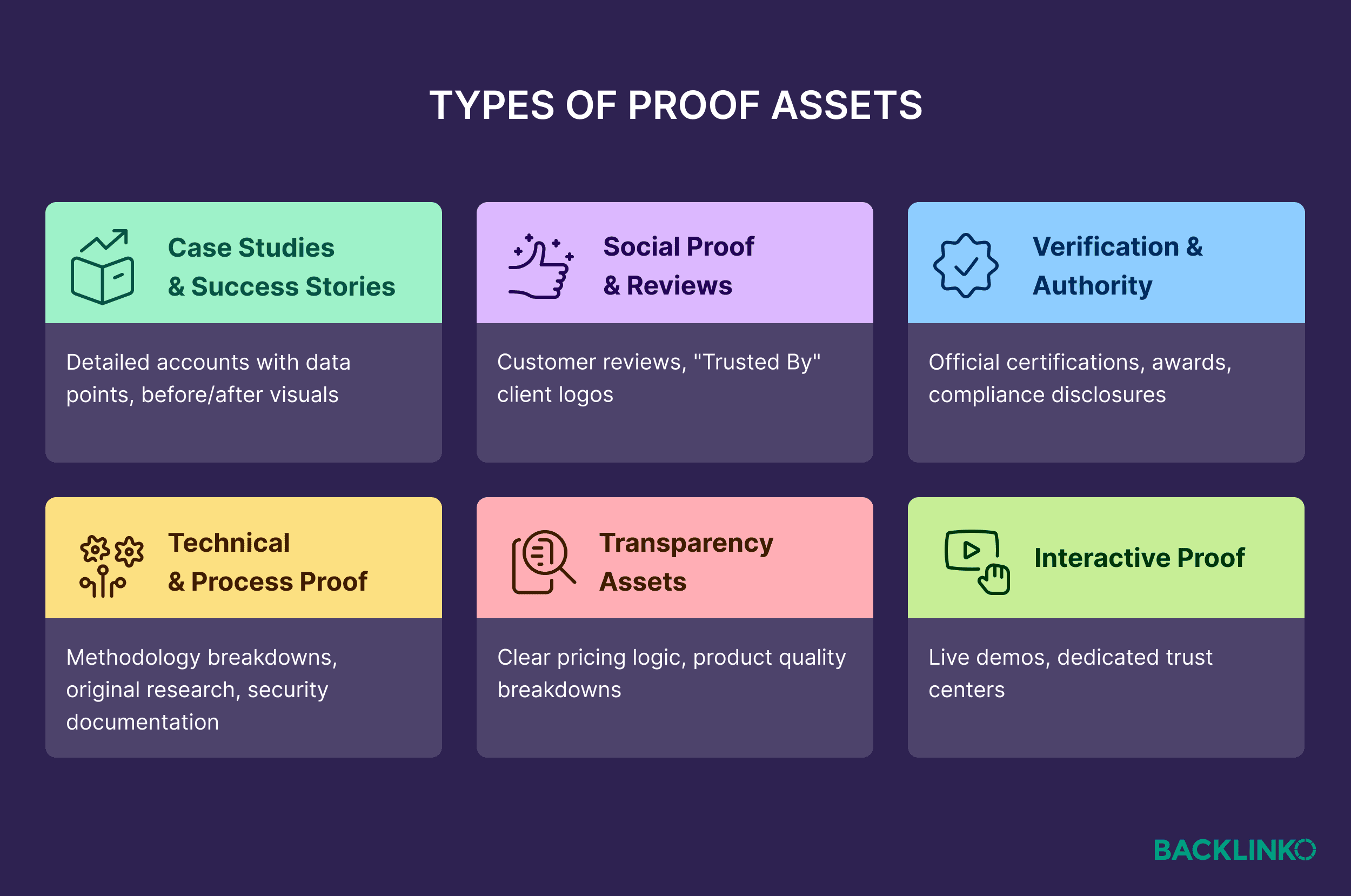
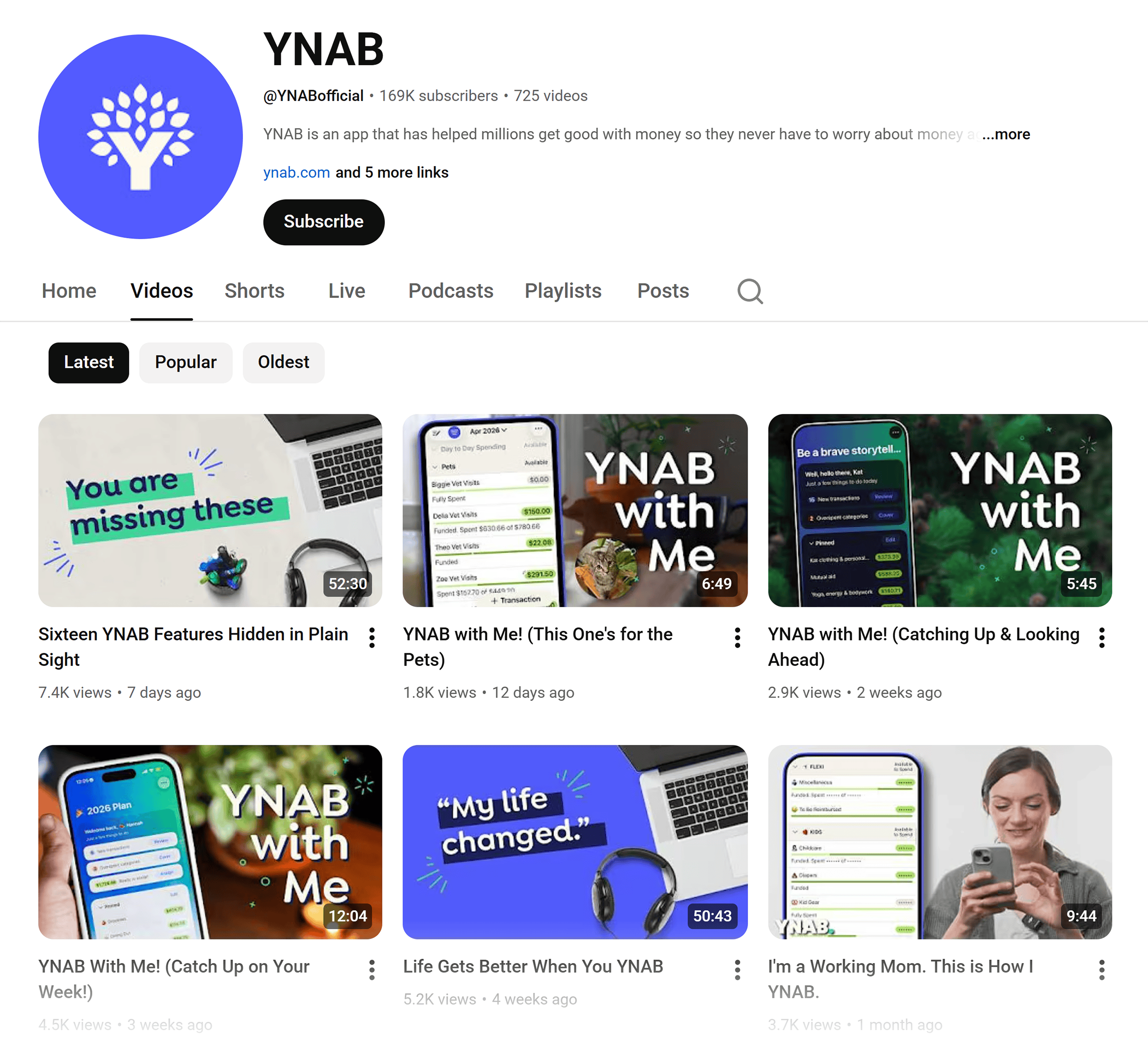
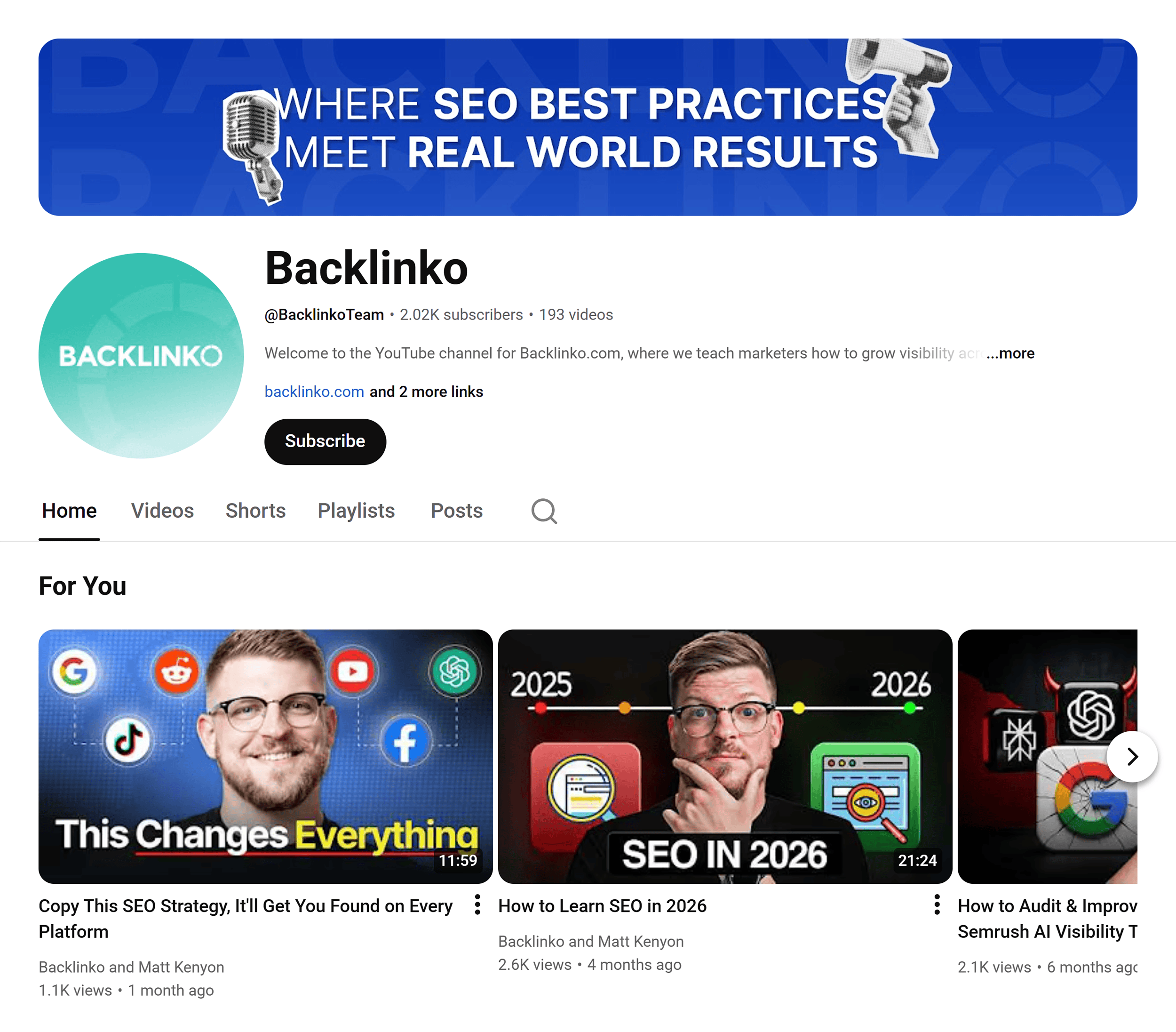
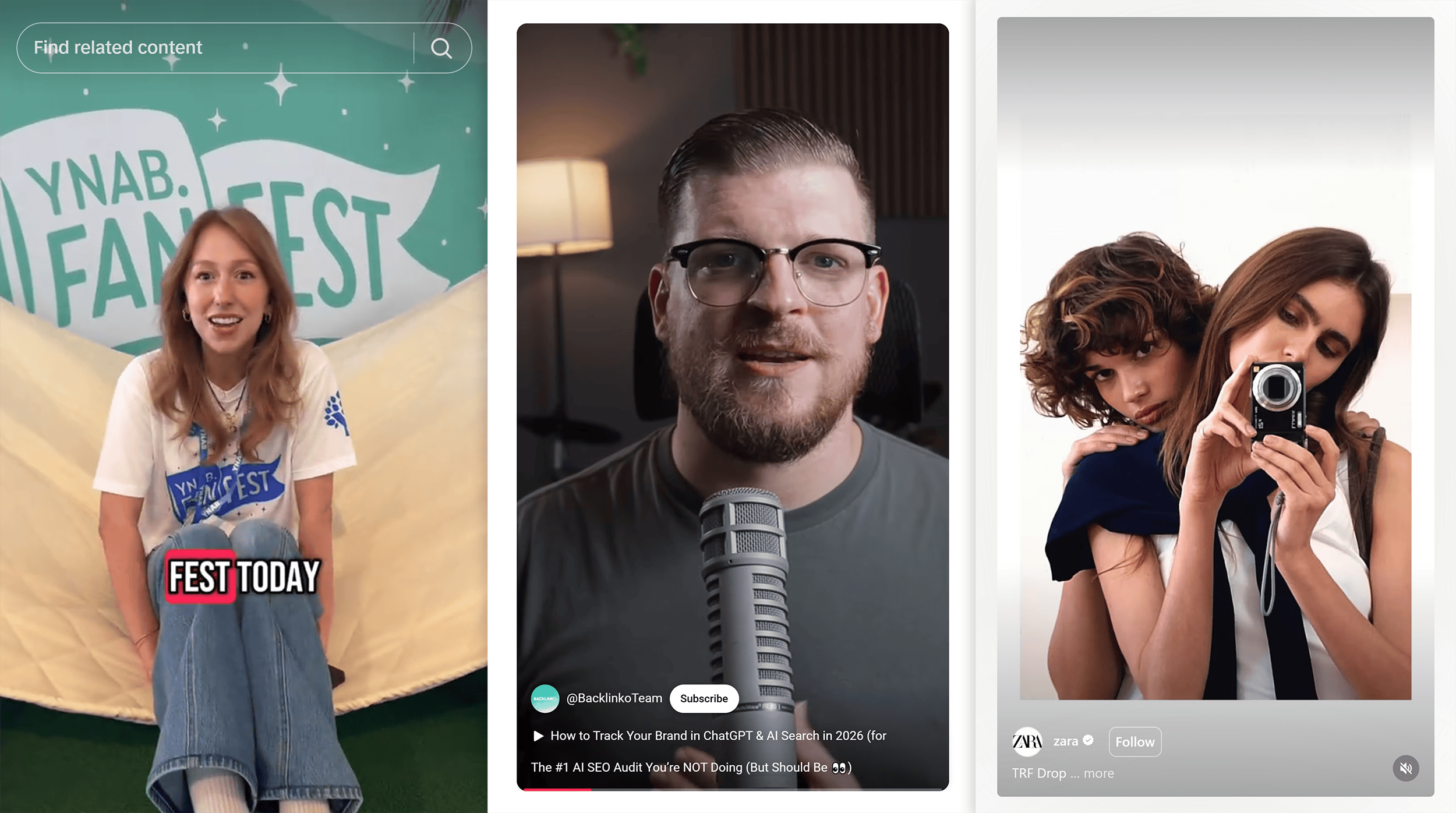
Brands leveraging long-form video effectively—such as financial software provider YNAB and educational platforms like Backlinko—focus on producing content that directly answers complex evaluative questions. By establishing expertise through transparent tutorials and detailed explainers, these organizations build familiarity and authority long before a user converts.
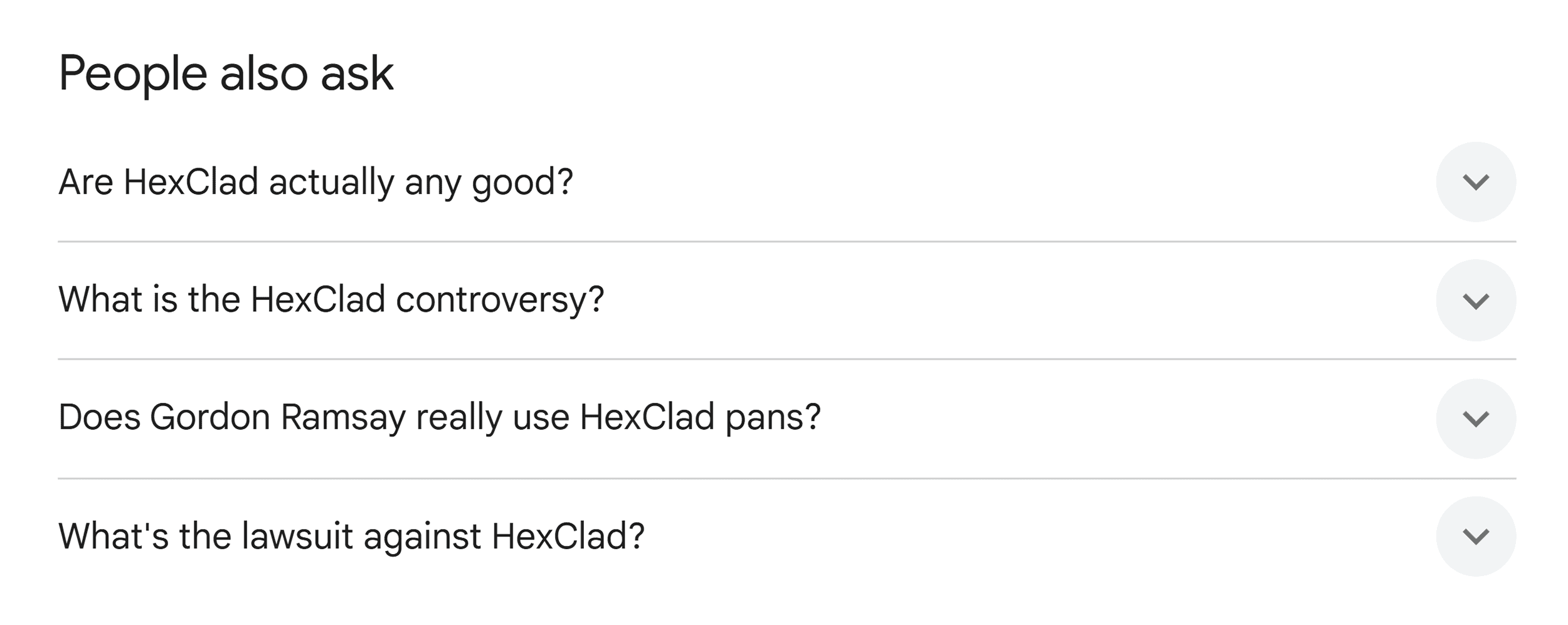
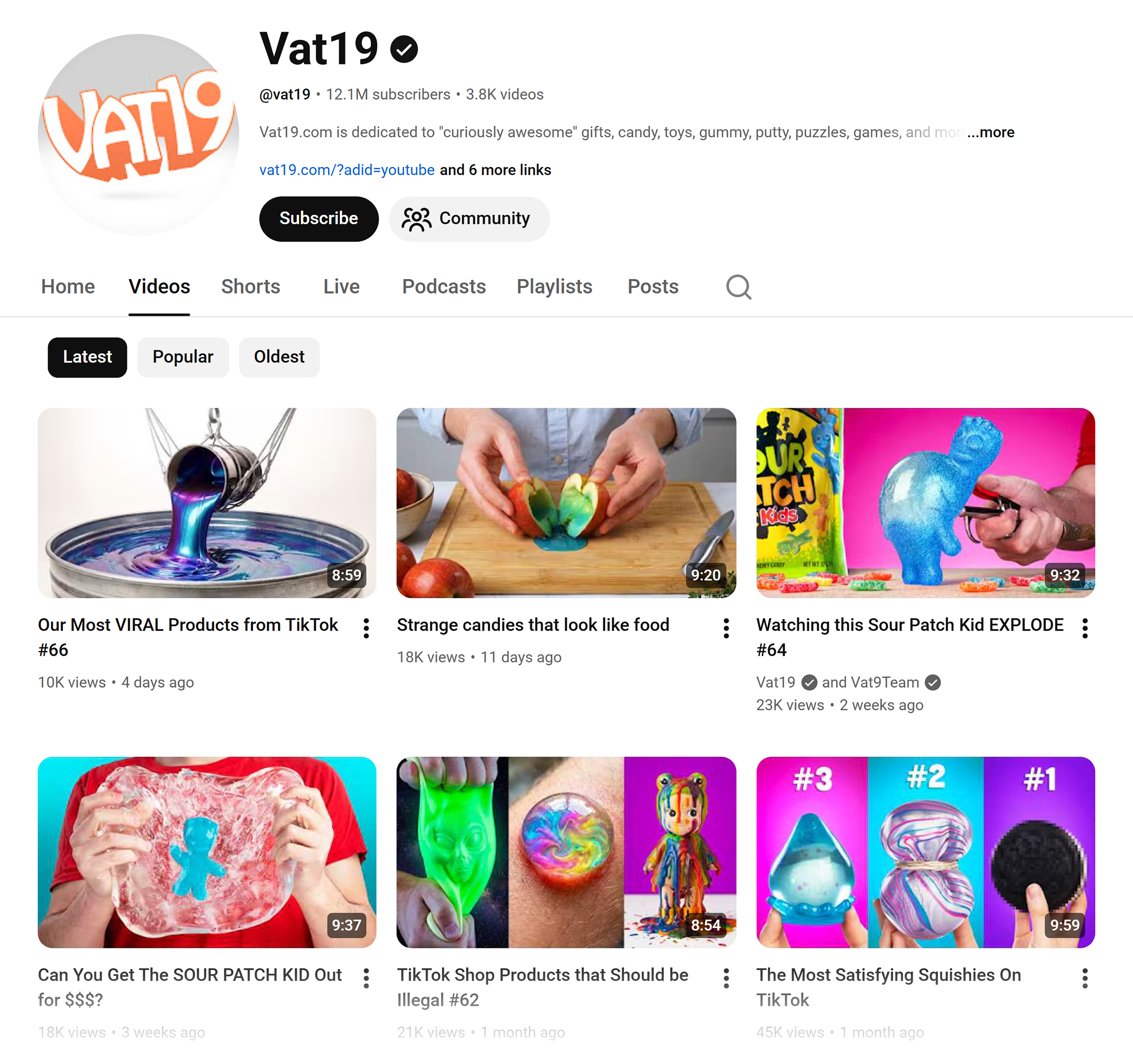
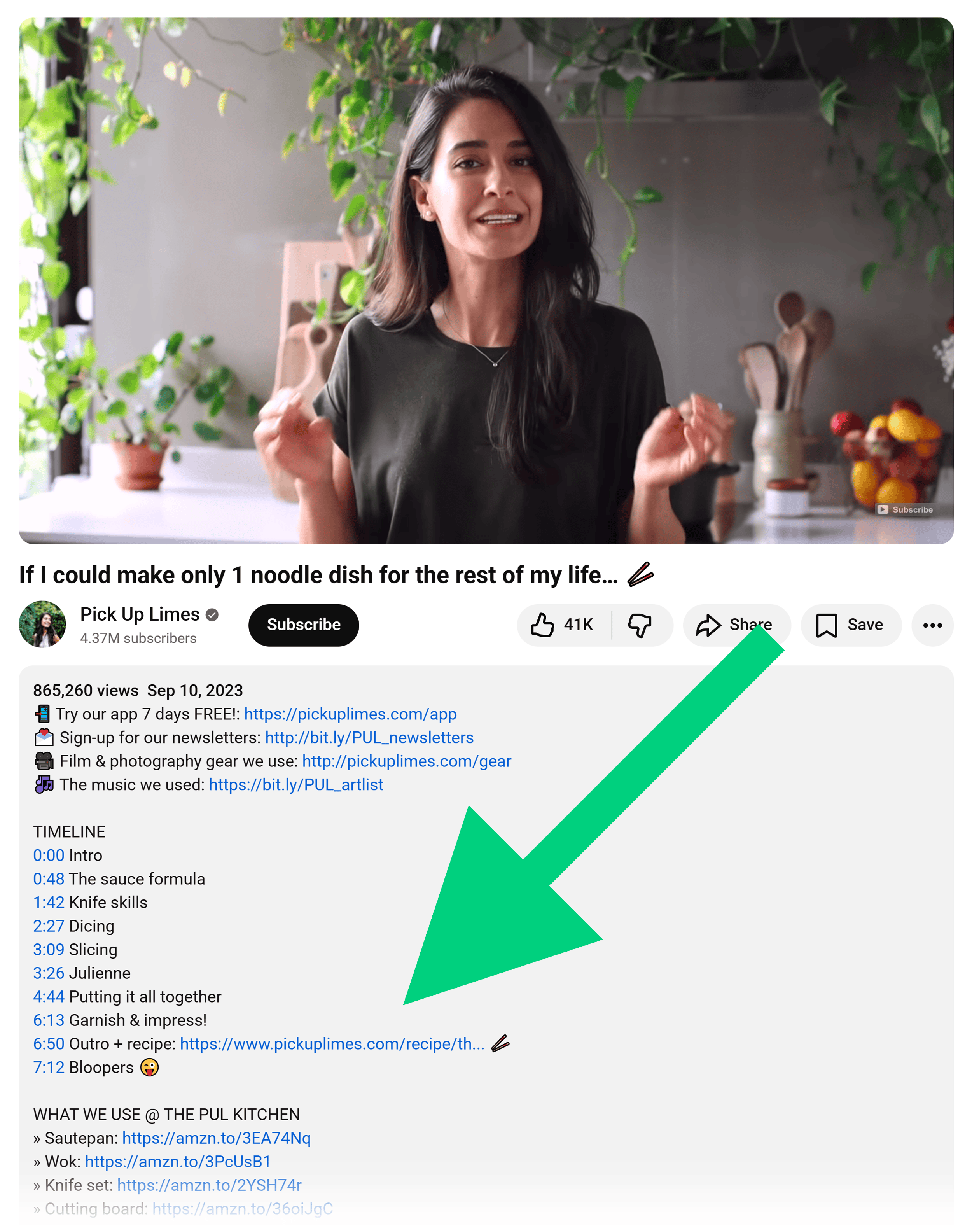
Simultaneously, short-form video ecosystems on platforms like TikTok, Instagram Reels, and YouTube Shorts provide continuous reinforcement through frequency. By systematically addressing recurring customer objections and support inquiries via short-form video, brands maintain top-of-mind awareness and drive high-intent traffic back to their primary web properties through targeted links and descriptions.
Capitalizing on Interest-Based Discovery via Google Discover
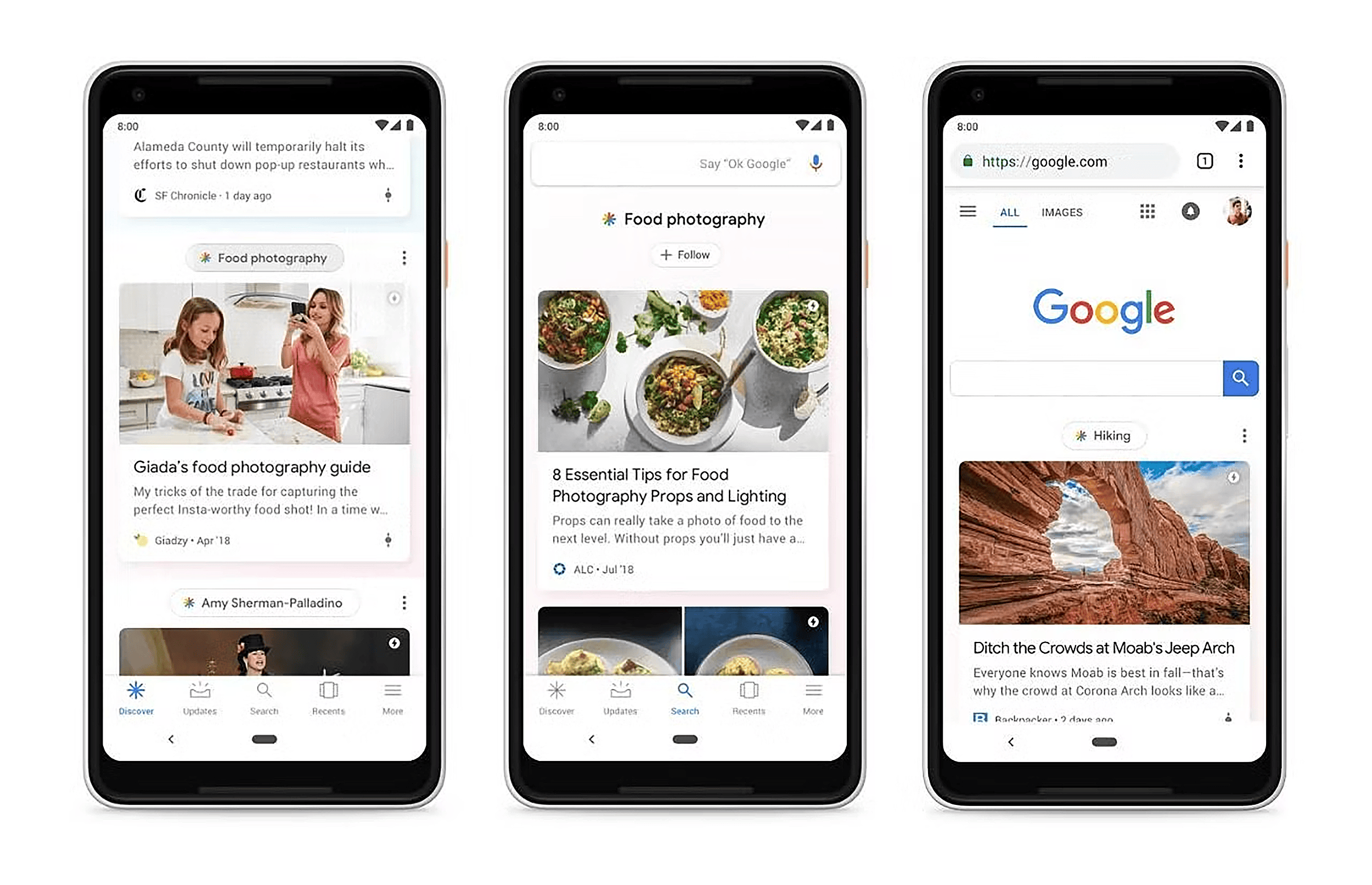
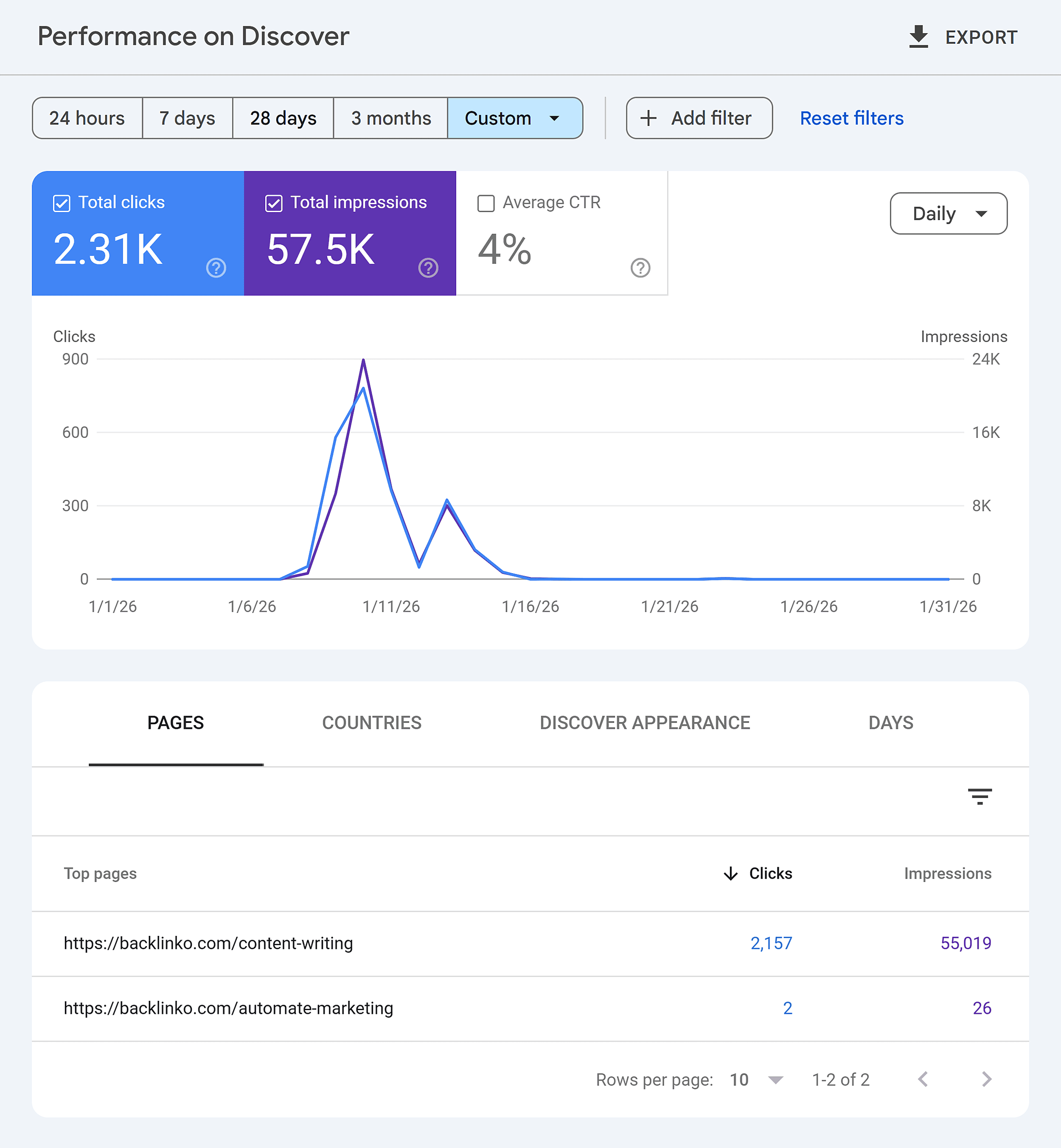
Beyond traditional intent-driven search queries, personalized content feeds such as Google Discover have emerged as major drivers of sudden, high-volume web traffic. Google Discover curates content based on individual user browsing history and expressed interests, functioning more like an editorial news feed than a reactive search engine.
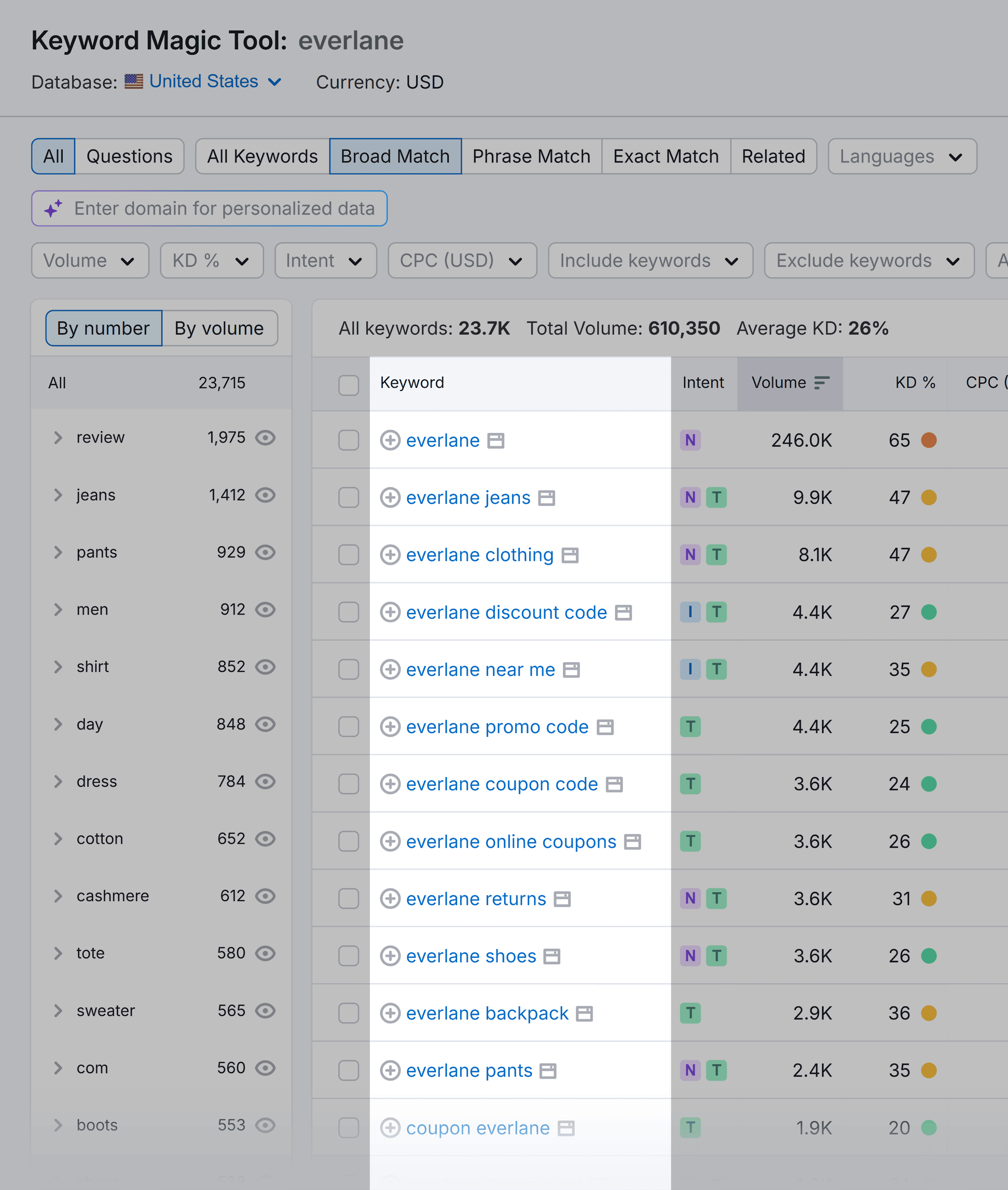
Achieving visibility within Google Discover requires a distinct content strategy focused on timeliness, narrative tension, and strong visual packaging. Content optimized for Discover typically addresses emerging industry developments, regulatory changes, or macroeconomic trends, providing a clear answer to why the topic matters at the current moment.
Publishers targeting this channel must pair timely, high-stakes headlines with large, high-resolution featured images (1,200 pixels or wider) and mobile-optimized layouts. Because Discover feeds present a highly competitive environment spanning entertainment, finance, lifestyle, and global news, editorial packaging and compelling visual hooks are absolute prerequisites for capturing user attention.
Enhancing Conversion Rates in a Zero-Click Environment
The proliferation of zero-click search results and AI-generated summaries means that visitors arriving at a corporate website are generally better educated and further along in the purchasing funnel than in previous years. Consequently, businesses must prioritize conversion rate optimization (CRO) to maximize revenue per visitor.
With pre-educated consumers requiring fewer introductory touchpoints, organizations must ruthlessly eliminate friction and anxiety from their web properties. Friction—manifested as slow page load speeds, convoluted navigation, or complex checkout processes—frustrates users, while anxiety—driven by unclear pricing, hidden fees, or a lack of security credentials—causes hesitation.
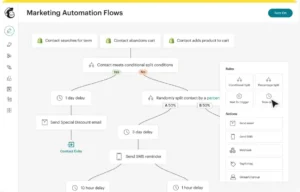
To counteract this, digital marketers must audit their highest-intent pages, particularly product catalogs, pricing tiers, and checkout funnels. Additionally, integrating behavioral email marketing based on specific site actions, such as cart abandonment or repeated pricing page visits, allows brands to maintain communication while buyer intent remains high. Applying psychological principles such as reciprocity through personalized follow-ups significantly increases the probability of converting casual browsers into paying customers.
Humanizing the Enterprise and Supporting Niche Communities
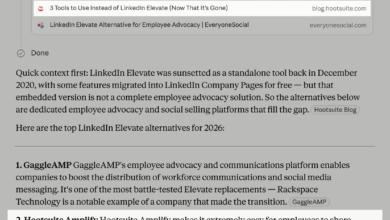
In an era saturated with automated, AI-generated text, human authenticity commands a distinct market premium. Highlighting the individuals behind a corporation—whether through executive thought leadership, employee advocacy on professional networks like LinkedIn, or visible public representation—reduces perceived risk for prospective buyers.
Furthermore, active engagement within third-party niche communities—such as specialized Reddit subreddits, Discord servers, and industry-specific forums—is essential for building foundational credibility. Brands that succeed in these spaces approach them with a philosophy of contribution rather than direct promotion. By consistently answering questions, sharing genuine expertise, and supporting community members without aggressive self-interest, organizations earn organic mentions that ultimately feed the broader digital reputation ecosystem.
Strategic Implications and Future Outlook
The evolution of website marketing reflects a broader shift toward a holistic, ecosystem-wide approach to digital presence. Enterprises can no longer rely solely on optimizing their own web domains; instead, they must actively engineer their reputation across AI knowledge bases, social platforms, video networks, and third-party communities.
By combining rigorous brand messaging, technical semantic optimization, multi-format video production, and human-centric thought leadership, organizations can build resilient marketing funnels capable of thriving in an increasingly automated and decentralized digital economy.