Honor Shines Amidst an Overall Decline in the EMEA Android Tablet Market with Impressive Q2 2026 Growth

The global technology landscape is frequently scrutinized for cyclical downturns, shifting consumer habits, and emerging hardware categories that threaten legacy devices. Recently, the debate surrounding the long-term viability of standalone tablets has intensified, with skeptics pointing to the rise of expansive foldable smartphones and ubiquitous personal computers. However, fresh market data released by the International Data Corporation (IDC) for the second quarter of 2026 provides a nuanced reality. While the broader Android tablet ecosystem within Europe, the Middle East, and Africa (EMEA) experienced a notable contraction, specific manufacturers managed to defy the downward trend, led by a standout performance from Honor.
According to the comprehensive IDC report published in mid-September 2026, total unit shipments for Android tablets in the EMEA region dropped by 10.5% year-over-year, settling at approximately 5.9 million units. Despite this regional downturn—driven largely by macroeconomic pressures, consumer saturation, and prolonged hardware replacement cycles—the market landscape is undergoing a structural shift. Samsung continues to maintain its traditional stronghold as the volume leader in tablet shipments across the territory, but challenger brands are rapidly eating into historical market shares by introducing aggressive hardware innovations and leveraging established footholds in the mobile phone sector.
A Closer Look at the Q2 2026 IDC Data
The regional contraction reported by IDC highlights ongoing volatility across consumer electronics. The 10.5% year-over-year decline in EMEA Android tablet shipments follows a broader pattern of sluggish hardware sales that has affected multiple consumer technology sectors throughout 2026. Global smartphone shipments have similarly faced headwinds, dipping roughly 4% globally during the same quarterly period due to persistent supply chain constraints and an ongoing memory component pricing crisis.
Yet, within this challenging environment, Honor emerged as the primary growth engine for the Android tablet ecosystem. The company posted a staggering 25.3% year-over-year increase in regional tablet shipments during Q2 2026. This performance marks the highest recorded growth rate among all major Android manufacturers operating within the EMEA marketplace.
Daniel Goncalves, Senior Research Manager at IDC, offered vital context regarding this surge, pointing to Honor’s strategic integration of its mobile and tablet divisions. "Many of these recent challengers to Samsung’s dominance in the Android tablet space, such as Honor, have established a robust presence in the smartphone market first," Goncalves noted. "They have effectively utilized that existing consumer trust, distribution channels, and software ecosystems to seamlessly expand their footprints into the tablet category."
Aside from Honor, Xiaomi was the only other major Android original equipment manufacturer (OEM) to record positive growth in the EMEA region for the quarter, though at a more modest rate of 3.4% year-over-year. The remaining market share was largely split among legacy players and smaller white-label manufacturers that bore the brunt of the double-digit market contraction.
Hardware Innovation as a Catalyst for Growth
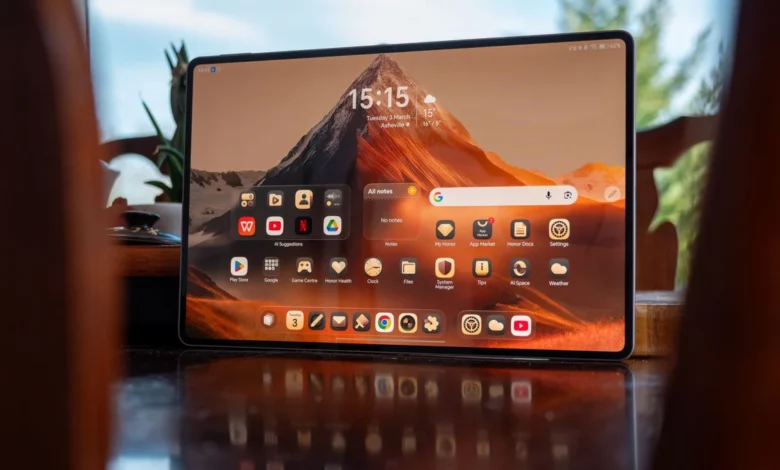
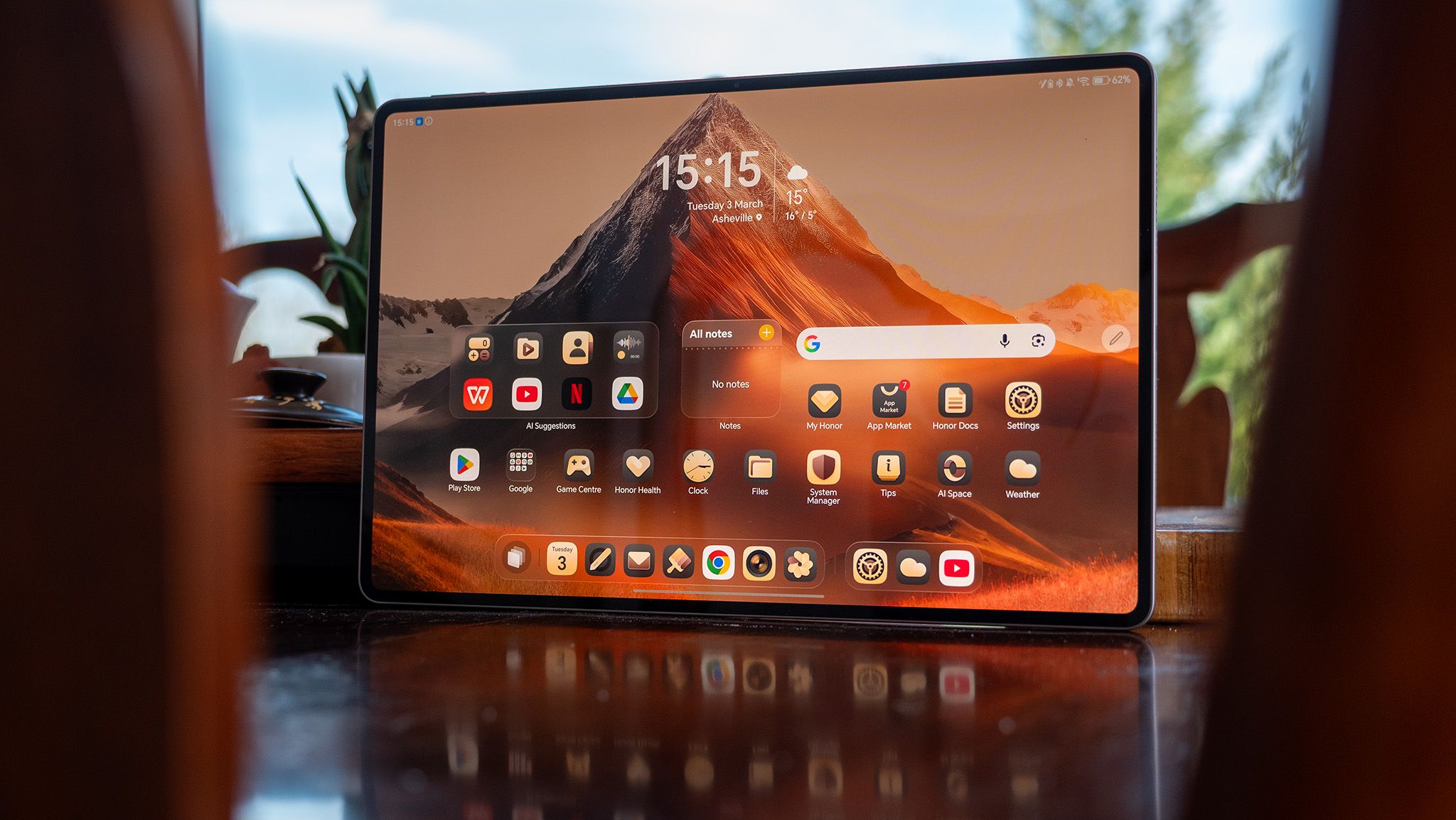
Honor’s market success is not merely a byproduct of aggressive marketing or cross-device ecosystem bundling; it is deeply tied to a concerted hardware evolution. For years, critics of Android tablets pointed to stagnant display technologies, mediocre processing power, and a lack of meaningful ergonomic improvements as reasons consumers skipped upgrades. Honor sought to disrupt this stagnation with the release of its flagship device, the MagicPad 4.
The MagicPad 4 represents a significant philosophical departure from Honor’s 2025 hardware lineup. Moving away from standard, cost-effective LCD panels that characterized previous generations, the MagicPad 4 introduces an advanced, high-luminance OLED display. This transition delivers vastly superior color reproduction, deeper contrast levels, and significantly higher peak brightness, addressing one of the most common consumer complaints regarding media consumption on portable screens.
Furthermore, Honor prioritized eye comfort and advanced engineering by incorporating ultra-high-frequency 5,320Hz PWM (Pulse Width Modulation) dimming into the MagicPad 4’s screen architecture. This engineering choice addresses display flicker at low brightness levels—a persistent issue for users sensitive to eye strain during extended reading or productivity sessions. Industry analysts have pointed out that while competing manufacturers often prioritize raw processing metrics or slim form factors, Honor’s hyper-focus on ergonomic and visual health features has created a distinct product differentiator that resonates with enterprise and consumer buyers alike.
The Broader Ecosystem Dilemma: Tablets Versus Foldables
The resilience demonstrated by Honor’s tablet division occurs against a backdrop of fundamental shifts in how consumers manage mobile computing. Over the past several years, the rapid maturation of foldable smartphone technology has introduced devices with internal screens approaching small tablet dimensions. Devices that seamlessly transition from a standard pocket-sized smartphone into an 8-inch tablet have forced consumers to reevaluate whether they require a separate, dedicated slate for media consumption and light productivity.
Compounding this device convergence is the persistent memory crisis affecting the wider technology sector. Higher component costs have pushed average selling prices upward across smartphones, tablets, and personal computers. In Q2 2026, the global smartphone market contracted by roughly 4%, with industry giants like Samsung and Apple experiencing only marginal single-digit gains (2% and 4%, respectively). IDC analysts warn that these macroeconomic pressures could dampen seasonal holiday sales later in the year, leaving little room for error among hardware vendors.
Despite these hurdles, the performance of brands like Honor suggests that a dedicated tablet category remains viable, provided manufacturers offer compelling utility that foldables cannot replicate. Larger screen real estate (exceeding 11 to 13 inches), dedicated multitasking software suites, superior battery capacity, and lower price points relative to premium foldables continue to secure a distinct market space for traditional tablets.
Industry Implications and Future Outlook
The Q2 2026 IDC findings signal a maturing market where generalist strategies are no longer sufficient to secure growth. As macroeconomic pressures constrain discretionary spending, consumers demand higher value and clear technological upgrades before parting with their money.
For Honor, the strategy of leveraging smartphone brand equity to cross-sell companion devices has paid clear dividends. By establishing trust in the mobile sector, the company has lowered the friction required to convince buyers to choose its tablets over entrenched competitors. If Honor and other high-performing challengers can maintain this momentum, the competitive landscape of the Android tablet market—long dominated by a singular hardware giant—may experience a sustained decentralization.
Looking forward, the remainder of 2026 will test whether challenger brands can convert their quarterly shipment spikes into long-term brand loyalty. With component costs remaining volatile and consumer demand sensitive to broader economic indicators, manufacturers will need to continue pushing the envelope in display technology, software optimization, and cross-device integration. For now, however, Honor’s Q2 data serves as definitive proof that the tablet market is far from obsolete; rather, it is undergoing a Darwinian evolution where only the most innovative survive.
Related posts: