The Shift From Software Ownership to the Subscription Economy and the Rise of Lifetime Cloud Storage Alternatives

The modern digital landscape is defined by an ongoing financial migration from asset ownership to recurring service models. Over the past decade, consumers and enterprises alike have watched traditional software, media, and digital utilities transition from one-time purchases to continuous subscriptions. This shift has fundamentally altered household and corporate budgeting, creating widespread subscription fatigue. From productivity suites and password managers to streaming entertainment and virtual private networks, the average consumer now manages a portfolio of monthly obligations that steadily accumulate over time.
This economic model has progressively expanded beyond software and digital media into physical hardware and automotive amenities. Industry attempts to monetize hardware features through software gates—such as luxury automakers experimenting with subscription-based heated seats—have met with fierce consumer backlash. Yet, while discretionary subscriptions like streaming platforms or specialized applications remain easy to cancel, essential digital infrastructure has proven remarkably resistant to consumer pushback. Cloud storage sits at the center of this dilemma. Because modern operating systems, high-resolution smartphone cameras, and remote work environments demand expansive digital lockers, users find themselves inextricably bound to cloud providers to preserve their personal photographs, documents, and professional archives.
The Structural Evolution of Digital Storage and Consumer Costs
Cloud storage providers established their pricing architectures nearly a decade ago, setting industry standards that have remained largely static despite massive technological deflation in actual hardware costs. Apple, for instance, introduced its complimentary five-gigabyte iCloud tier in 2011 alongside the debut of iOS 5 and iCloud services. More than a decade later, that baseline allocation remains entirely unchanged.
As smartphone camera sensors have evolved from single-digit megapixels to capture 48-megapixel ProRAW files and 4K video, individual media file sizes have grown exponentially. Consequently, the free five-gigabyte tier is typically exhausted within days of device activation, forcing users into paid tiers such as the popular two-terabyte iCloud+ plan, which runs approximately $9.99 monthly, or roughly $120 annually. Over a standard device lifecycle of five to seven years, the cumulative expenditure on cloud storage frequently surpasses the resale value of the hardware itself. Google Drive, Microsoft OneDrive, and Dropbox employ structurally similar monetization frameworks, effectively locking users into perpetual payment loops where pausing subscription fees risks the retention of critical personal data.
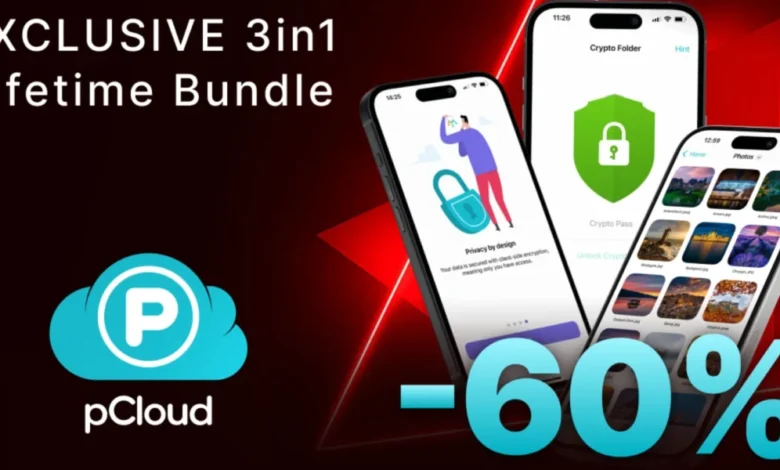
In response to widespread consumer fatigue surrounding recurring billing models, alternative service providers have introduced non-traditional pricing structures. Companies like pCloud have pioneered and sustained lifetime access models for nearly a decade, challenging the hegemony of traditional subscription-based tech conglomerates. Operating under Swiss jurisdiction—a legal environment globally recognized for stringent data privacy protections—pCloud has amassed a user base exceeding 24 million individuals by offering a single upfront payment model. Under this paradigm, users pay once for a designated storage tier, completely eliminating subsequent monthly or annual renewals.

Financial Analysis and Comparative Value Metrics
An economic evaluation of lifetime storage models versus traditional subscription structures reveals distinct long-term financial divergences. When benchmarked against standard industry pricing, a two-terabyte lifetime storage plan typically achieves full cost parity within approximately three to four years of continuous subscription payments. Beyond that threshold, every subsequent year represents a net financial saving for the consumer.
Industry analysts tracking the subscription economy note that lifetime business models require careful balancing of server maintenance costs, infrastructure scaling, and customer lifetime value. For established providers with mature server architecture, such offerings serve as an effective customer acquisition tool during high-volume retail periods like Black Friday and the end-of-year shopping cycle. By securing large blocks of upfront capital, these companies can fund long-term infrastructure expansion while appealing directly to consumers seeking budget predictability amidst rising inflation across the broader technology sector.
Technical Integration and Multi-Platform Ecosystems
Beyond pure cost considerations, modern cloud storage solutions must integrate seamlessly into complex, multi-device consumer hardware ecosystems. Historically, third-party cloud services operated strictly as web-based portals or secondary sync folders, requiring manual file uploads and downloads. Contemporary implementations, however, utilize native operating system integration to function as direct extensions of local hardware.
Services such as pCloud Drive employ native desktop applications across macOS, Windows, and Linux environments to mount remote storage directly into system file managers like Finder and Windows Explorer. This allows users to access massive file archives without consuming local solid-state drive capacity. A user operating a base-model 256 gigabyte MacBook Air can theoretically expand their accessible storage footprint to multiple terabytes via cloud virtualization, pulling data locally only when actively in use. Furthermore, real-time synchronization protocols ensure continuous parity across desktop platforms, mobile devices running iOS and Android, and web browsers.
Data redundancy and offsite backup capabilities represent another critical dimension for both individual power users and small-to-medium enterprises. Modern cloud platforms increasingly support advanced networking protocols including WebDAV, Rsync, SFTP, and SCP. This technical versatility enables direct backups from home network-attached storage devices, such as Synology or QNAP hardware, establishing secure offsite disaster recovery pathways that protect against localized hardware failures, theft, or environmental damage.

Media Management and Cross-Platform Document Interoperability
As digital photography continues to drive storage consumption, cloud providers have integrated advanced asset management tools directly into their platforms. Traditional cloud storage folders have evolved into intelligent media galleries featuring automated timeline organization, facial recognition, and algorithmic object tagging.
Automatic camera roll backups on mobile operating systems allow users to offload local smartphone storage safely without sacrificing accessibility to historical photo libraries. Built-in editing suites—offering cropping, rotation, exposure adjustments, and one-click filters—reduce the friction of managing media across disparate applications. Similarly, integrated document processing tools, including document scanners that convert physical paperwork into searchable PDFs, streamline administrative workflows.
Furthermore, multi-device households frequently suffer from ecosystem fragmentation, where family members utilize competing platforms such as Google Workspace, Microsoft 365, and Apple iCloud simultaneously. Advanced cloud aggregation tools now allow users to ingest and centralize data streams from disparate third-party services—including Google Photos, Google Drive, Dropbox, OneDrive, and social media platforms—into a single unified repository. This consolidation eliminates the cumbersome process of manually downloading and re-uploading massive datasets when migrating between technology providers.
Data Security, Privacy, and Zero-Knowledge Encryption
Security architecture remains a primary consideration for consumers evaluating cloud storage options, particularly in an era characterized by routine corporate data breaches and regulatory scrutiny over data privacy. While standard cloud storage solutions employ transport-layer security (TLS/SSL) to protect data while in transit between devices and server farms, data stored at rest on provider servers is frequently accessible to the hosting company under standard operational mandates.
To address these concerns, advanced privacy-focused providers utilize client-side, zero-knowledge encryption protocols. Under this technical framework, files designated for secure storage are encrypted directly on the user’s local device before transmission to the cloud. The encryption keys are generated locally and retained exclusively by the user; the service provider possesses no technical capability to decrypt, read, or audit the contents of the secure directory. This zero-knowledge approach provides an essential layer of confidentiality for sensitive personal records, including tax documentation, legal filings, and identity documents.

In tandem with encrypted storage, password management has emerged as an integral component of digital security ecosystems. Because human cognitive limitations often lead to weak master passwords or dangerous credential reuse across multiple websites, dedicated password management applications have become essential utilities. Bundling encrypted storage, cloud backup, and cross-platform password management into consolidated licensing models represents a growing trend designed to reduce overall subscription fatigue while maintaining robust digital hygiene.
Broader Implications for the Digital Marketplace
The persistence of alternative pricing models, such as lifetime access licenses, highlights a growing counter-movement within the technology sector against universal subscription adoption. While software-as-a-service (SaaS) remains the dominant monetization strategy for enterprise software and continuously updated development pipelines, consumer demand for predictable, non-recurring expenses remains high.
As digital service providers compete for market share during major promotional windows like the November retail season, consumers are increasingly empowered to audit their recurring expenditures. The viability of lifetime storage models demonstrates that market segments exist where upfront capital investment can successfully displace perpetual monthly overhead, offering a sustainable alternative for users seeking long-term control over their digital infrastructure.
Related posts: