Android 17 QPR1 update introduces unexpected status bar icon changes on Pixel devices

The latest stable rollout of Android 17 QPR1, the first Quarterly Platform Release for Google’s current operating system, has introduced a series of subtle yet noticeable interface adjustments to the Pixel status bar. While these updates typically focus on backend stability, performance optimizations, and security patches, users have identified two specific visual deviations that appear to have bypassed the typical beta testing feedback loop. The most prominent change involves the system’s mute and silent mode indicator, alongside a modification to the VPN status icon, both of which have prompted speculation regarding Google’s long-term design language strategy.
The Evolution of the Silent Mode Indicator
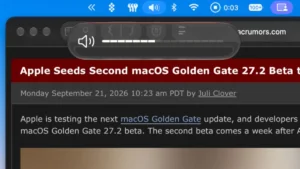
For years, the iconography used to denote a silenced device has been a point of refinement for Google’s Material Design team. In the stable release of Android 17 QPR1, the silent mode icon—which typically appears in the top-right status bar—has transitioned from the long-standing crossed-out speaker icon back to a bell symbol. This shift represents a regression to a design language that Google had explicitly moved away from during the Android 14 development cycle.
Historically, the bell icon was associated with notification alerts. When a user toggled their phone to silent, the transition to a crossed-out speaker was designed to provide immediate, intuitive clarity that audio output was disabled. By reverting to the bell, even if it is meant to represent "silence" in a different visual context, Google risks introducing cognitive friction for users who have been conditioned to interpret the speaker icon as the definitive signal for audio status.
Interestingly, this change appears to be isolated to the status bar itself. Within the volume adjustment slider, the switcher continues to utilize the bell icon, creating a visual inconsistency between the primary system UI and the granular controls within the volume panel. Furthermore, internal testing data confirms that this change was absent during the entire Android 17 QPR1 beta cycle. Beta testers reported the presence of the traditional speaker icon throughout the pre-release period, suggesting that the revert occurred at the final stage of the build process before the OTA (Over-the-Air) deployment.
VPN Iconography and Visual Density
In addition to the mute icon, the VPN status indicator has undergone a significant aesthetic overhaul. The icon is now notably thicker and filled in, moving away from the more minimalist, hollowed-out aesthetic that has characterized recent iterations of the Android status bar.
This change is particularly relevant given Google’s increased emphasis on privacy and security visibility. As the company continues to integrate Google One VPN features and third-party security protocols more deeply into the Pixel ecosystem, the status bar serves as the primary notification hub for active encryption tunnels. The decision to make this icon bolder suggests a design intent to prioritize visibility, ensuring that users are aware of their privacy status at a glance. However, the lack of a clear rationale—coupled with its surprise arrival in the stable build—has led to questions about whether the UI/UX team is experimenting with higher-contrast iconography for better accessibility.
A Chronology of the QPR1 Rollout
The release of Android 17 QPR1 followed a standard, albeit compressed, development timeline. The beta program, which allowed developers and enthusiasts to preview upcoming features, maintained a consistent visual language through five major beta iterations. During these testing phases, the status bar icons remained aligned with established Android 17 design standards.
- Initial Beta Phase: Stability and core functionality testing; status bar icons consistent with Android 17.
- Beta 4 & 5: Final bug squashing and performance tuning; no indication of impending icon changes.
- Stable OTA Deployment: Unexpected appearance of the modified mute and VPN icons.
- Current State: Android 17 QPR2 Beta 5 continues to display the older speaker icon, highlighting a divergence between the current stable branch and the ongoing development branch.
The fact that the QPR2 Beta 5 build—a version further along in the development lifecycle—retains the "old" speaker icon reinforces the theory that the changes in QPR1 might be an unintentional regression or a localized build error rather than a deliberate, cross-platform design pivot.
Implications for Future Firmware Updates
The presence of these icon changes in the stable release without accompanying documentation or beta feedback presents a challenge for Google’s design consistency. Historically, when Google makes intentional changes to the Android UI, they are documented in the release notes or introduced via a phased rollout to gauge user response. The absence of such communication suggests that these changes were either accidental or part of a "silent" A/B test that was pushed to the production environment prematurely.
Industry analysts suggest that if this is indeed a regression, a fix is unlikely to be prioritized until the release of the next major Quarterly Platform Release, specifically QPR2. QPR2 is currently slated for a December rollout, which is expected to be a substantial update containing not only stability improvements but also potential features held back from the initial QPR1 release.
Furthermore, the delay of the Android 17 QPR1 update for the Pixel 11 series is a critical detail. As the newest hardware in the lineup, the Pixel 11 requires a more refined set of drivers and optimization profiles. The fact that these devices have not yet received the update suggests that Google may be holding back the rollout to verify the impact of these UI changes or to bundle a "hotfix" that reverts the icons to their intended state before they reach the latest flagship handsets.

The Role of User Feedback and Design Stability
Google’s Material You design language relies heavily on consistency, fluidity, and user-centric logic. When a fundamental UI element like the silent mode icon is altered without warning, it can disrupt the user experience, particularly for those who rely on visual cues for quick status verification.
While the change from a speaker to a bell may seem trivial to the casual user, it underscores the complexity of maintaining a consistent OS across a wide array of devices. With the Pixel line now encompassing a diverse range of screen sizes, resolutions, and display technologies, the status bar—a limited, high-real-estate area—must be carefully managed.
If Google chooses to keep the current icons, it would represent a departure from the established visual language of the last two years. If they choose to revert them, it would be an admission of a development oversight. Regardless of the outcome, the incident highlights the ongoing tension between rapid, iterative software development and the need for a cohesive, predictable interface.
Broader Impact on the Pixel Ecosystem
The Pixel user base is known for its sensitivity to UI changes. Historically, the transition from Android 12 to 13 and subsequently to 17 has been marked by a shift toward more vibrant, personalized UI elements. However, the status bar remains one of the few areas where utility and legibility are expected to trump aesthetic experimentation.
As Google looks toward the upcoming December update, the community will be watching closely to see whether these icons are updated to match the rest of the OS, or if the current status bar will become the new "new normal." For power users, the inconsistency between the status bar and the volume slider serves as a reminder that even in a mature operating system, the underlying code—and the design decisions associated with it—remains a work in progress.
In conclusion, the surprise arrival of the updated mute and VPN icons in Android 17 QPR1 serves as a snapshot of the challenges inherent in modern software distribution. Whether an accidental regression or a bold design choice, the discrepancy between the stable release and the ongoing beta tracks will remain a point of interest until the December QPR2 update provides definitive clarity on Google’s long-term design intentions for the Pixel interface.