The Paradox of Retail Expansion: Why Established Brands Struggle to Break into the U.S. Spa Market

The landscape of the American beauty industry is undergoing a significant shift as digital-first brands attempt to transition into brick-and-mortar luxury spaces. For many online-only beauty companies, the transition from direct-to-consumer (D2C) dominance to physical retail placement within high-end spas and resorts is often viewed as the final frontier of brand legitimacy. However, the reality of this expansion is governed by a distinct set of professional barriers, risk-aversion, and consumer psychology that frequently leaves international brands—even those with high market penetration in Europe and Asia—at a standstill.
The Retail Risk-Aversion Factor
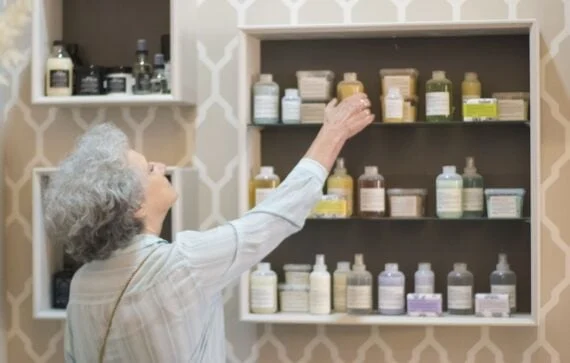
The primary obstacle for emerging brands attempting to enter the spa market is the conservative procurement philosophy held by spa managers. In a recent case study, a representative for a successful French beauty brand attempted to secure shelf space at a high-end California spa. Despite the brand’s proven success in international markets, the spa manager declined the partnership. The rationale provided was rooted in consumer behavior: the spa’s clientele consistently gravitates toward established, recognized names or products recommended by peers and industry experts.
For the spa operator, introducing an unknown entity is perceived as a commercial risk. Unlike a digital marketplace where shelf space is virtually infinite, physical spa space is a limited commodity. Every square inch of retail display represents an opportunity cost. If a product does not move quickly, it occupies space that could be utilized by a high-velocity, recognizable brand. This "known-brand" bias acts as a significant gatekeeper, forcing companies to reframe their strategy from aggressive sales conversion to long-term brand awareness.
Industry Networking and the Cost of Entry
Successful entry into the U.S. luxury wellness sector requires a strategic pivot toward industry-specific networking. Unlike standard retail, where data-driven pitch decks are often sufficient, the spa industry relies heavily on professional vetting through trade associations and curated events. Organizations such as the SoCal Spa Wellness Collective serve as critical intermediaries, fostering environments where boutique spas and luxury brands can interact.
The financial commitment required to gain a foothold is substantial. Participation in industry-specific trade events, such as those hosted by Live Love Spa, often serves as the most effective, albeit expensive, entry point. With booth fees starting at approximately $4,000, these events provide a direct line to spa directors—the primary decision-makers. While European founders often express skepticism regarding the return on investment for such events, data suggests that the "first-mover" advantage is vital. Once a single flagship resort or regional chain adopts a new brand, the social proof generated often creates a "domino effect," simplifying the procurement process for subsequent locations.
The Inefficiency of Cold Outreach
Data gathered from industry professionals indicates that cold outreach, particularly via email, yields diminishing returns in the spa sector. While open rates for cold emails in the beauty industry can occasionally peak at 80% due to subject-line optimization, the actual conversion rate remains notably low.
Spa managers and directors are frequently inundated with vendor requests. Consequently, they tend to prioritize communications from existing partners, clients, or industry peers, relegating unsolicited pitches to the periphery. An exception exists within the esthetician community; as the primary practitioners who interact with consumers during treatments, estheticians are more receptive to new product education. However, targeting this demographic requires a nuanced approach. A strategy that attempts to bypass the decision-making hierarchy by pitching trainers directly often fails. Instead, the most successful trajectory involves a six-month developmental phase: beginning with initial outreach, progressing to seasonal education sessions for estheticians, and finally navigating the administrative requirements for retail procurement.
B2B Versus D2C: The Shift in KPIs
The shift from a D2C model to a B2B (business-to-business) retail model requires a fundamental recalibration of Key Performance Indicators (KPIs). In the digital realm, success is measured by conversion rates, customer acquisition costs (CAC), and average order value (AOV). In the spa retail environment, these metrics are secondary to brand visibility and professional trust.
For B2B growth, companies should prioritize the following metrics:
- Branded Search Volume: Measuring how often potential customers search for the brand by name after visiting a spa.
- Direct Traffic: An indicator of brand awareness independent of paid advertising.
- Pro-Registration Rates: The frequency at which industry professionals sign up for educational or wholesale accounts.
- Sample Request Velocity: An indicator of professional interest and future retail potential.
Furthermore, a brand’s digital storefront must function as a digital showroom for spa managers. Managers perform extensive due diligence on a brand’s website before committing to a partnership. A site that lacks professional imagery, detailed ingredient transparency, or clear, well-structured product information will be dismissed, regardless of the product’s quality.
Protecting the Omnichannel Ecosystem
A sophisticated omnichannel strategy is essential to prevent channel conflict. Brands must ensure that their D2C and B2B pricing remain harmonious to avoid undercutting their retail partners. A common best practice is to gate professional-use products and bulk pricing behind a secure, login-only portal.
Retail-ready products, such as sunscreens, cleansers, and makeup removers, can remain accessible to the public, but the brand must strictly enforce Minimum Advertised Price (MAP) policies. When a digital storefront offers deep discounts that undercut the retail price charged by a physical spa, the professional relationship is compromised. By maintaining consistent pricing across all channels, brands can reassure spa managers that their partnership is a protected, value-added business arrangement.
The Role of the Esthetician as Influencer
In the spa sector, the traditional influencer marketing model—which often relies on high-reach social media personalities—is largely ineffective. The true influencers in this ecosystem are the estheticians. These professionals act as the primary consultants for consumers, and their endorsement carries significant weight.
Research into consumer purchase patterns shows that the most influential factor in a post-facial retail purchase is the recommendation of the attending esthetician. Brands that invest in educating these professionals, providing them with the necessary tools and product knowledge to make informed recommendations, see a higher rate of long-term success. Unlike mass-market influencers, an esthetician with a modest, highly engaged audience of clients provides a level of trust that is difficult to replicate through digital advertising alone.
Broader Implications and Strategic Patience
The process of penetrating the U.S. spa market is a marathon, not a sprint. The standard timeline from the initial introduction to the placement of the first order typically spans six months. This period is not merely administrative; it is a time for building the professional relationships and educational foundations required to sustain a long-term partnership.
The ultimate takeaway for beauty brands is that product quality alone is insufficient. In the highly competitive world of physical retail, success is contingent upon the ability to solve a spa’s immediate operational problems—whether that means filling a gap in their product range during peak seasons or providing the training necessary for staff to confidently sell the items. By aligning with the needs of the spa manager and the expertise of the esthetician, brands can successfully bridge the gap between their digital origins and the lucrative, high-trust environment of the professional spa. The brands that thrive will be those that embrace patience, professional networking, and a disciplined approach to their omnichannel pricing strategy.