Apple rumor mill surges as October event looms alongside Siri AI settlement updates

The technology sector is currently witnessing a confluence of significant developments from Apple Inc., ranging from imminent hardware releases to the resolution of long-standing litigation. As September 2026 draws to a close, internal leaks have provided a comprehensive roadmap for an anticipated October product event, while concurrently, millions of iPhone users have become eligible to seek compensation stemming from a class-action lawsuit regarding Siri AI functionalities. These events, coupled with new operational requirements for flagship hardware, paint a portrait of a company balancing aggressive product cycles with increasing regulatory and legal scrutiny.
The October Roadmap: Hardware and Software Integration
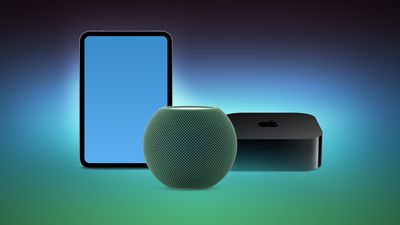
Industry analysts are closely monitoring reports regarding an upcoming suite of product announcements scheduled for October 2026. According to internal data leaks, Apple is preparing to refresh several pillars of its ecosystem, specifically the iPad mini, the HomePod mini, and the Apple TV 4K.
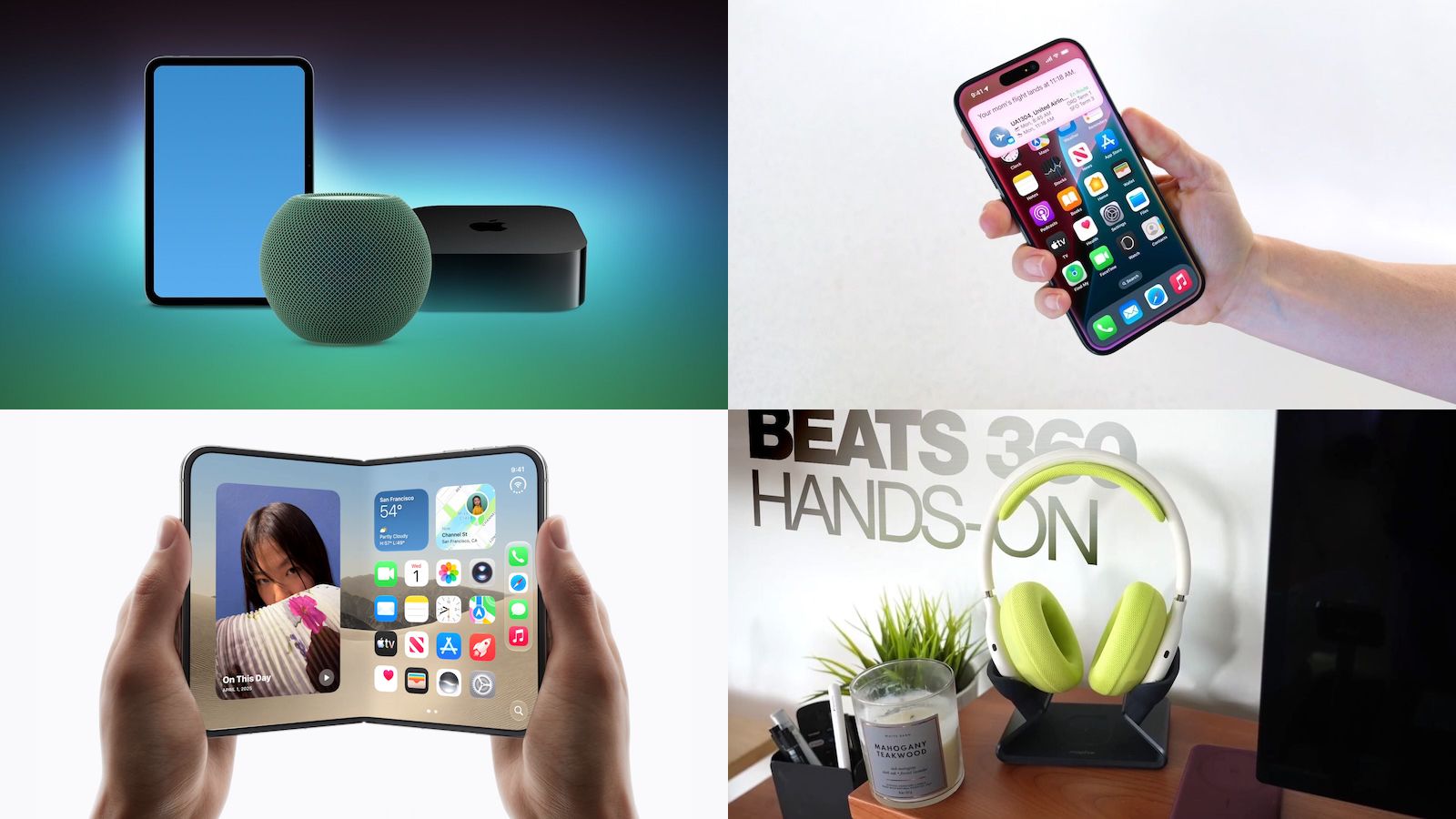
The most anticipated hardware update involves the eighth-generation iPad mini. Sources indicate that this device will be powered by the A20 Pro chip, a significant leap in processing power that suggests Apple is leaning into more intensive machine learning tasks for its smaller tablet form factor. Furthermore, the redesign reportedly includes a shift to a landscape-oriented front camera—a design choice aimed at improving video conferencing utility—and a revamped internal speaker array to enhance audio fidelity.
Simultaneously, the HomePod mini is expected to receive a aesthetic refresh with the introduction of new color palettes, including green and pink, intended to integrate more seamlessly into modern home decors. Perhaps most notably, the Apple TV 4K is slated for a fourth-generation refresh. This development marks the end of a four-year stagnation period for the product line, signaling a potential pivot toward a more robust living room entertainment strategy. Perhaps the most significant "leak" within this cycle is the development of an entirely new operating system designed to bridge the gap between these disparate hardware devices, indicating a move toward a more unified and responsive smart home environment.
Chronology of the Siri AI Legal Settlement
The intersection of technology and law has culminated in the activation of a claims website for the class-action lawsuit regarding Siri AI. The legal battle, which centered on allegations that Apple misled consumers regarding the performance and availability of advanced Siri AI features, reached a turning point in May 2026 when the company agreed to a $250 million settlement.
The chronology of this case is as follows:
- Initial Filing: Plaintiffs alleged that marketing materials for Siri AI during the rollout phase exaggerated the capabilities and timeline for specific generative features.
- May 2026: Apple reached a settlement agreement to resolve the dispute, explicitly denying any wrongdoing but opting to avoid the protracted costs of a full-scale trial.
- September 21, 2026: The claims website went live, allowing eligible U.S. iPhone owners to submit their requests for compensation.
- December 21, 2026: The deadline for submitting claims.
Eligible customers can expect an estimated payout of $25 per device, though this figure remains fluid based on the volume of valid claims submitted. The settlement structure allows for a maximum payout of $95 per claimant, a variability that underscores the complexity of mass-tort settlements in the tech sector.
Operational Constraints for High-Performance Hardware
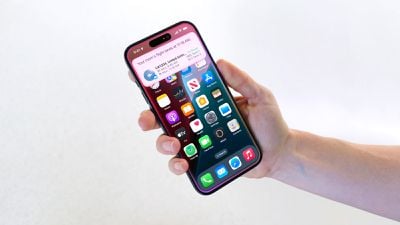
The release of the iPhone 18 Pro and Pro Max has introduced a novel logistical challenge for the company: battery shipping regulations. Due to the high-density nature of the new single-cell batteries, which exceed the 20-watt-hour threshold, the devices are subject to strict international transportation safety protocols.
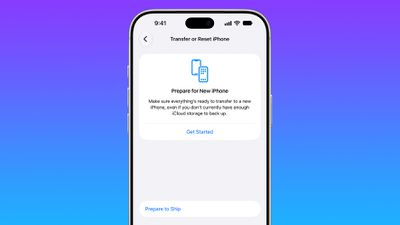
To circumvent the logistical hurdles of shipping high-capacity lithium-ion batteries, Apple has implemented an "innovative battery-firmware solution." This software-based mechanism artificially limits the battery’s charge to below 20Wh during the transit phase from the factory to the consumer. Once the user activates the device, the firmware unlocks the battery’s full potential.
This has broader implications for the secondary market and the repair industry. Owners of the iPhone 18 Pro Max who need to ship their devices for trade-in, warranty repair, or resale must utilize a specific "Prepare to Ship" feature in the settings menu. This feature forcibly discharges the battery to the legal safety limit and imposes a software lock to ensure compliance during air and ground transport. While this ensures safety, it creates a new layer of friction for the consumer lifecycle, requiring users to be cognizant of firmware-level power management.
The iPhone Duo and the Challenge of Foldable Durability
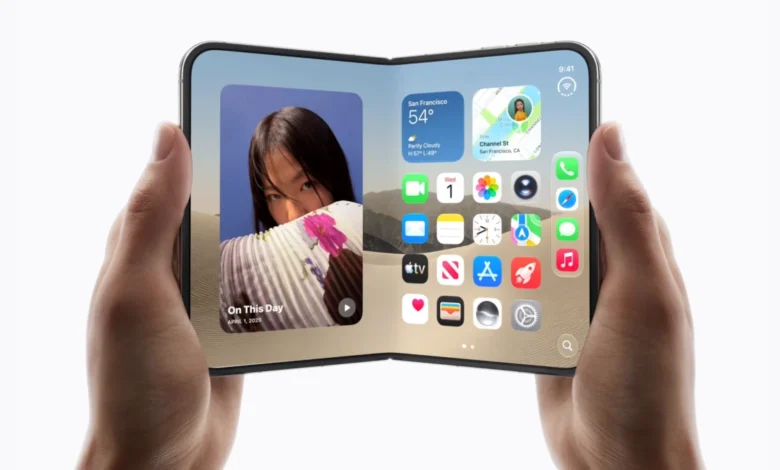
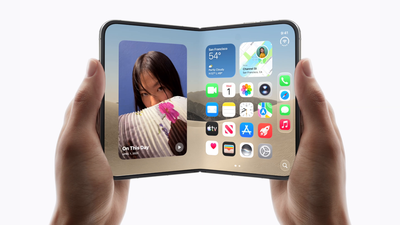
As Apple prepares to enter the foldable market with the iPhone Duo, engineering concerns regarding screen longevity remain at the forefront. Tom Marieb, Apple’s Vice President of Hardware Engineering, recently addressed these concerns, specifically regarding the "crease" that has plagued competitors’ foldable devices for years.
The iPhone Duo utilizes a specialized matte nano-texture display, which Apple claims will not only reduce glare but also mitigate the visual impact of the folding mechanism. Marieb’s invitation for the public to "hold the company accountable" for the crease visibility suggests a high degree of internal confidence in their material science. The use of an upgraded "Ceramic Shield 2" on the front display further implies that Apple is attempting to solve the durability issues that have historically prevented foldables from achieving mass-market appeal. If successful, the iPhone Duo could set a new industry standard for the foldable form factor, shifting the focus from "if" a device will crease to "how much" it is visible.
Long-term Outlook: The iPhone 20 Pro and Beyond
Looking ahead to the 20th-anniversary iPhone, currently referred to as the iPhone 20 series, preliminary data from supply chain sources indicates an upward trend in display dimensions. Early specifications suggest that the iPhone 20 Pro will feature a 6.41-inch display, while the Pro Max model is expected to scale up to 6.96 inches.
This consistent increase in screen size, when compared to the 6.27-inch and 6.86-inch dimensions of the iPhone 18 series, demonstrates a clear consumer preference for larger viewing areas, likely driven by the integration of more complex multitasking features and AI-driven content consumption. However, these increases in size must be balanced against the physical ergonomics of the devices.
Beats 360 and the Strategy of Customization
The debut of the Beats 360 headphones represents a strategic pivot for Apple’s audio division. Priced at $349.99, the headphones are designed to exist alongside the Studio Pro, which remains in the lineup at a lower price point. The Beats 360 features a completely redesigned acoustic architecture, promising a 12dB increase in output and 1.75x greater noise cancellation compared to its predecessor.
The emphasis on customizability—specifically, the ability for users to swap ear and headband cushions—is a departure from the traditional "locked" design philosophy. By offering discounted cushion kits, Apple is attempting to foster a sense of individual ownership and style, which is often a key differentiator in the crowded premium audio market.
Analytical Summary
The current landscape of Apple’s product development and legal positioning reveals a company under immense pressure to innovate while managing legacy issues. The settlement of the Siri AI lawsuit serves as a reminder that as Apple integrates more complex AI features, its legal and regulatory exposure increases proportionately. Simultaneously, the logistical hurdles of the iPhone 18 Pro Max demonstrate the physical limitations of current battery technology, which even the most sophisticated software solutions can only partially alleviate.
As Apple heads into the final quarter of 2026, the focus will undoubtedly be on the October event. The potential launch of a new operating system, alongside hardware that promises to push the boundaries of processing power and display technology, suggests that the company is attempting to reset its narrative. For stakeholders and consumers alike, the coming months will be a critical test of whether Apple can deliver on its promises of technological sophistication while maintaining the reliability that the brand has historically commanded.