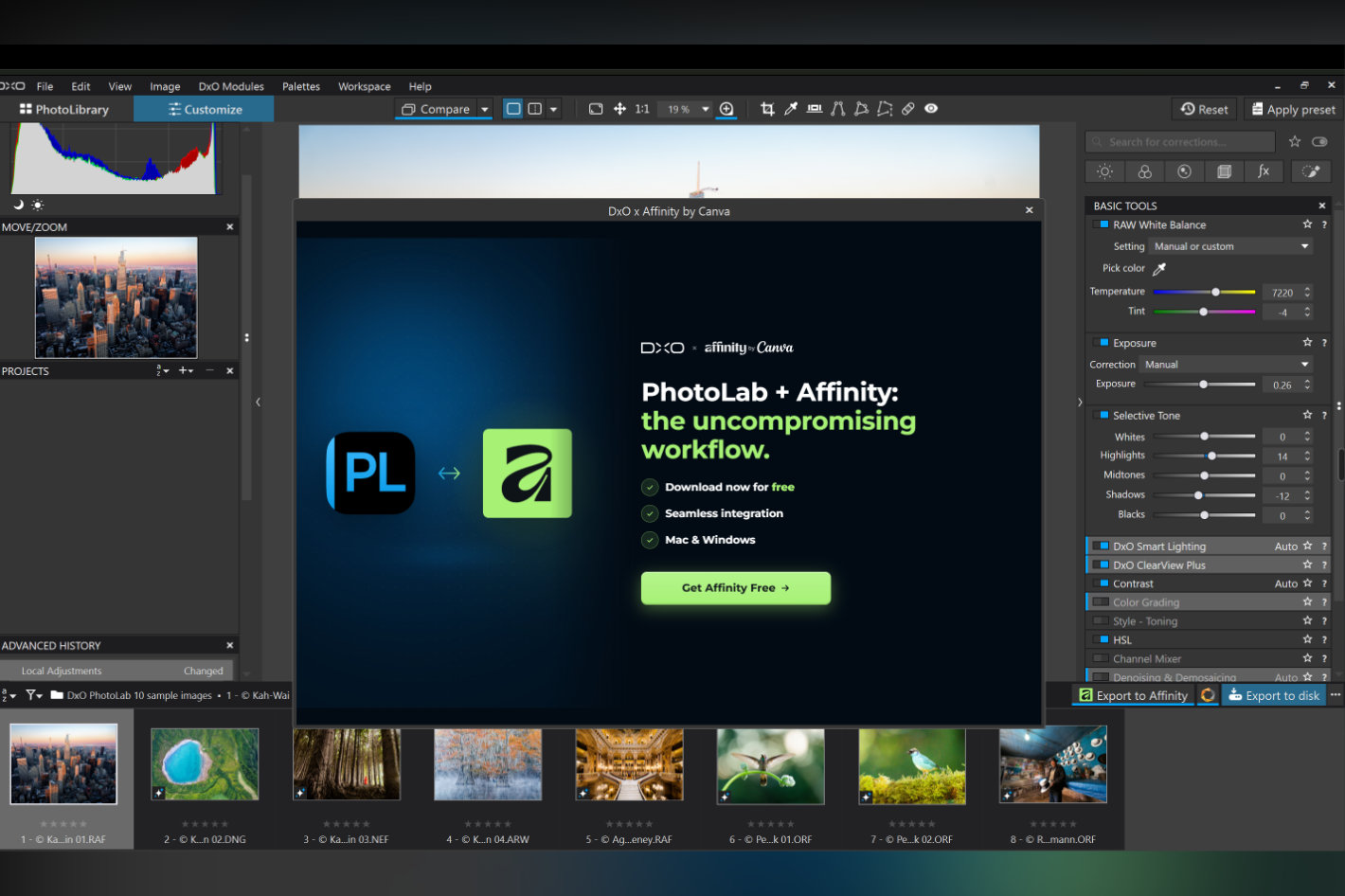
The landscape of digital imaging workflows has undergone a significant transformation with the release of DxO PhotoLab 10.1, a software update that bridges the gap between high-fidelity RAW processing and complex creative post-production. This release marks the inauguration of a strategic partnership between DxO, a long-standing leader in optical science and RAW development, and Affinity, the creative suite now under the stewardship of Canva. By enabling a seamless, one-click transition from DxO’s RAW processing engine to Affinity’s native .af file format, the update effectively removes the traditional barriers that have long forced photographers to navigate cumbersome intermediate file exports.
The Evolution of the Digital Darkroom
For over two decades, DxO has established its reputation by focusing on the mathematical rigor of RAW conversion. The company’s proprietary algorithms for lens correction, noise reduction, and sensor-specific demosaicing have made its software a staple for professional photographers who prioritize image integrity. However, the lifecycle of a professional photograph rarely ends at the RAW development stage. Retouching, complex compositing, typography, and layout design have historically required users to export images into secondary applications—often resulting in loss of metadata, unnecessary file conversions, or the degradation of bit depth.
Affinity, which has gained significant market traction for its non-subscription model and high-performance, layer-based editing tools, offers the precise functionality that RAW developers often lack. By integrating the two, the new update allows for a cohesive workflow where the RAW file is processed with DxO’s industry-leading optics technology and then pushed directly into an Affinity workspace. This integration is designed to maintain the "source of truth" status of the RAW file while providing a sophisticated, native environment for final creative output.
Chronology of the Integration
The development of this partnership reflects a broader industry trend toward interoperability. While the official rollout of the .af export feature arrived with the 10.1 version of PhotoLab, the groundwork was laid in the months following Canva’s acquisition of Affinity.
- Initial Strategic Alignment: Following the acquisition, leadership at both organizations identified a shared user base—photographers who value professional-grade tools but prefer to avoid the high cost and restrictive nature of subscription-based software models.
- Version 10 Launch: The recent release of DxO PhotoLab 10 introduced advanced AI-powered tools that pushed the boundaries of RAW processing, setting the stage for more complex integrations.
- The 10.1 Update: The current update serves as the first technical realization of the partnership, focusing specifically on file-format compatibility.
- Future Roadmap: DxO has confirmed that the integration is not limited to PhotoLab. The company plans to extend similar Affinity-native support to the Nik Collection and other software modules throughout the remainder of the calendar year.
Technical Implications for Professional Workflows
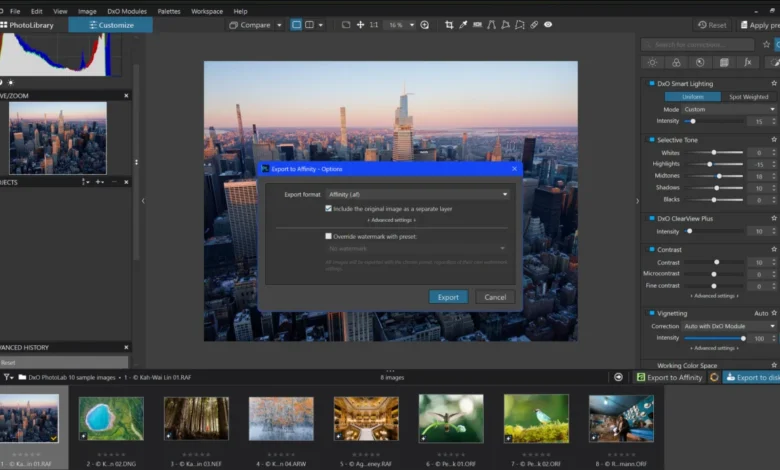
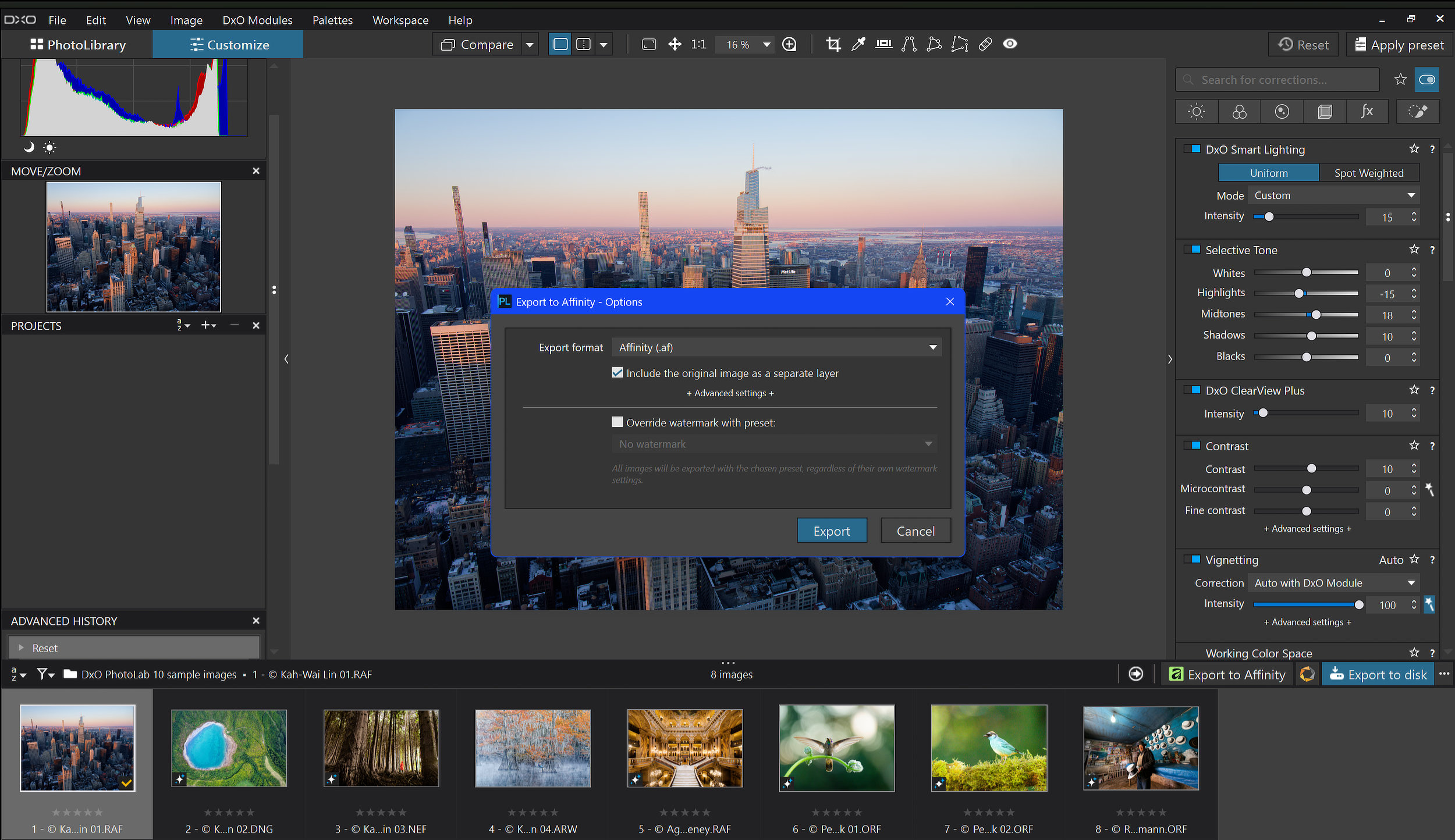
The core technical innovation of this update is the creation of a native Affinity document that preserves the integrity of the image while providing non-destructive editing options. When a user executes a one-click export, the software generates a document that includes the fully developed image. Critically, it also offers an option to include the original, unprocessed RAW file as a secondary, hidden layer.
This specific feature provides significant utility for high-end retouchers. By keeping the original, unprocessed data available within the same document, artists can perform masking, color grading, and compositing with the ability to reference the clean, baseline file at any time. Because Affinity utilizes a single, unified file architecture for its Pixel, Vector, and Layout studios, the transition from an initial retouching session to a final page layout for print or digital publication occurs without the user ever needing to exit the application or convert files between formats.
Statements and Industry Perspectives
The collaboration has been received as a landmark move for independent creators. Duncan Clark, CEO of Pro Design for Canva, emphasized that the shift is a direct response to feedback from the creative community. "Photographers and designers have been telling us loud and clear that they want simple, smooth workflows instead of fighting to get different products to talk to each other," Clark noted. "This partnership is further evidence that a new generation of creative tools is meeting that need."
Jérôme Ménière, founder and CEO of DxO, echoed these sentiments, framing the partnership as a logical conclusion to the RAW development process. "For more than twenty years, DxO has focused on extracting every ounce of quality from a RAW file," Ménière stated. "What happens after the RAW is developed—retouching, compositing, layout—deserved a partner of the same calibre. With Affinity, PhotoLab users now have a complete professional workflow, from RAW file to finished page, with no subscription required."
Analysis of the Market Impact
The impact of this integration extends beyond mere convenience; it highlights a growing resistance to the "siloed" software ecosystems that have dominated the professional photography market for years. By pairing a specialized, science-focused tool (DxO) with a versatile, broad-spectrum design suite (Affinity), both companies are effectively creating a competitive alternative to industry-standard subscription bundles.
Furthermore, the integration process itself is designed to lower the barrier to entry. Users who do not currently own the Affinity suite are guided through a streamlined installation process directly within the DxO interface. Since Affinity has adopted a policy of free access for many users through the broader Canva ecosystem, this integration provides a low-friction entry point for photographers looking to upgrade their post-processing capabilities without incurring additional, recurring monthly costs.
Looking Ahead: The Future of the Partnership
DxO has indicated that the current update is merely the first phase of a multi-tiered expansion. The upcoming integration with the Nik Collection—a suite of plugins widely used for film emulation, black-and-white conversion, and creative finishing—is expected to further solidify the synergy between the two brands.
For the end user, this means that the workflow of the future will likely see a more granular connection between DxO’s optics-led RAW development and Affinity’s creative finishing tools. With the iPad version of the Affinity suite anticipated for release in November, the potential for mobile-to-desktop workflows is expected to increase significantly. The combination of hardware-accelerated RAW processing on desktop machines and portable, tablet-based retouching represents a significant leap forward in mobile professional photography.
Availability and Technical Specifications
DxO PhotoLab 10.1 is currently available as a free update for all existing users of version 10. The software is compatible with both macOS and Windows environments, maintaining parity across operating systems to ensure that professional studios with mixed hardware can adopt the workflow without complication.
For prospective users, DxO continues to offer a 30-day free trial through its official website. The Affinity suite, which is the necessary component for the one-click export feature, remains accessible for all users who possess a free Canva account. By aligning their technical roadmaps, DxO and Affinity are positioning themselves as the primary choice for photographers who demand high-performance output, scientific accuracy, and an affordable, sustainable software acquisition model. As the partnership evolves, the integration of these two distinct technologies promises to refine the digital production pipeline, allowing creators to spend less time managing file formats and more time on the creative execution of their work.