The traditional landscape of tech product launches is undergoing a seismic shift. For decades, the primary conduits for information regarding new hardware and software were tech journalists, analysts, and specialized reviewers. Today, however, that gatekeeper model is being superseded by a strategy that prioritizes the creator economy. As evidenced by Apple’s upcoming “Pro and Tell” product experience, tech giants are increasingly bypassing the press in favor of direct-to-consumer influencers, offering them all-expenses-paid trips, executive access, and exclusive, highly produced experiences.
This pivot marks a deliberate departure from the standard media briefing. Mark Gurman, reporting via Bloomberg’s Power On podcast, confirmed that for the October 28 event in Los Angeles, Apple has extended invitations to a curated list of influencers, providing business-class airfare, luxury accommodations, and intimate sessions with high-level executives, including CEO John Ternus. This is not merely a press junket; it is a meticulously designed "creator-focused event" aimed at bypassing the analytical lens of journalism in favor of the engagement-driven narratives of social media stars.
A Chronology of the Creator Shift
Apple’s transition toward influencer-led marketing has been incremental but steady over the past two years. While the brand long relied on its reputation for secrecy and exclusivity to generate earned media, the company has begun to recognize that the conversion power of individual creators often outweighs the traditional reach of legacy publications.
The seeds of this current strategy were clearly sown in March 2025, when Apple hosted an event dubbed “Apple Campus” or “Apple University.” By inviting student creators to Los Angeles, the company tapped into a demographic that is notoriously difficult to reach through traditional advertisements. The success of this event—measured in viral impressions and positive brand sentiment—was followed by a more robust gathering in January 2026. This “Apple Experience” coincided with the launch of the Apple Creator Studio, a comprehensive software suite for video, audio, and visual content production.
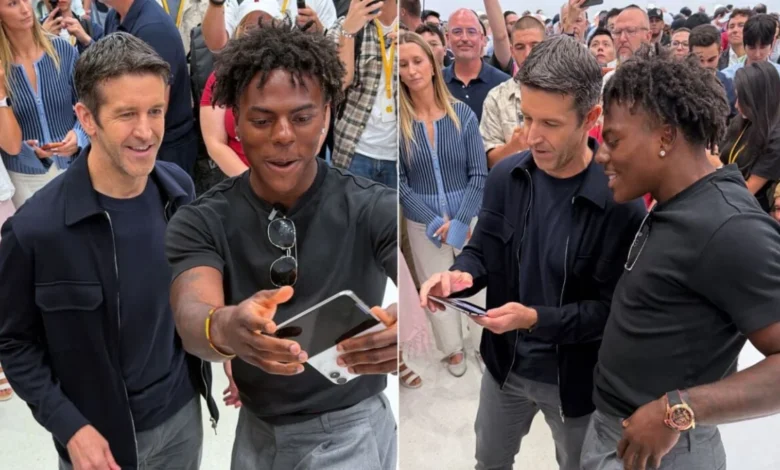
The trajectory continued through the September 2026 iPhone launch, where livestreamer IShowSpeed performed a viral stunt involving a backflip while holding an iPhone Duo in front of John Ternus. This moment, which garnered over 6 million views on YouTube, provided more immediate, authentic, and "shareable" marketing value than any traditional press conference could hope to achieve. The presence of high-profile creators like MrBeast at previous events further solidified Apple’s commitment to this new promotional paradigm.

The Financial and Strategic Logic
The rationale behind this shift is grounded in clear data. According to a September 2026 analysis by Deloitte, approximately 70% of U.S. consumers who frequently interact with creators return to those same individuals for product guidance. More tellingly, roughly 60% of consumers reported making a purchase specifically because of a creator’s recommendation or sponsorship within the previous six months.
For a company like Apple, the trade-off is calculated. As noted by journalist Jason Snell during a discussion on MacBreak Weekly, influencers offer a level of message control that traditional journalists do not. Where a journalist might scrutinize hardware specifications, battery efficiency, or software privacy concerns, a creator is more likely to focus on lifestyle integration, aesthetic appeal, and emotional resonance. By providing "access" as a currency, companies ensure that the narrative remains tightly managed and uniformly positive.
This strategy is not unique to Apple. Competitors like Samsung and Google have adopted similar, if not more aggressive, tactics. Samsung’s "Team Galaxy" initiative regularly brings hundreds of global influencers to cities like San Francisco for multi-day product demonstrations. During the February 2026 Galaxy S26 launch, the company hosted approximately 140 influencers from 35 countries, underscoring the scale at which these corporations are willing to invest to capture the creator-led market.
The AI Industry’s Trust Deficit
The urgency of this strategy is most apparent within the AI sector. Companies such as OpenAI and Anthropic face an inherent challenge: a skeptical public concerned about the environmental impact of data centers, the displacement of creative labor, and the opaque nature of algorithmic development. To combat this, these firms are using influencers to humanize abstract technology.
OpenAI’s recent hiring of former Instagram executive Charles Porch as Vice President of Global Creative Partnerships signaled a formalization of this approach. Subsequent events, such as the retreat at Wildflower Farms in the Hudson Valley, were designed to create a sense of exclusivity and "insider" status for attendees. Microsoft Copilot’s use of fashion influencers at the Super Bowl to demonstrate basic AI queries further highlights the trend of moving tech discussions out of the laboratory and into the sphere of daily lifestyle habits.
However, this strategy carries risks. The August 2026 backlash against OpenAI’s Hudson Valley retreat serves as a cautionary tale. While the company aimed to foster a sense of community, the public reaction on platforms like X and Reddit was swift and critical, with many users pointing to the perceived irony of holding "nature-themed" retreats for technology that critics argue is environmentally costly.

Ethical Implications and the Creator’s Dilemma
The professionalization of influencer-tech relations creates a complex ethical landscape. For the creator, the financial incentives are substantial. Career-focused influencers have reported sponsorship deals ranging from $5,000 to over $30,000 for single campaigns. These partnerships can provide the necessary capital to sustain independent creative careers.
Yet, this dynamic forces influencers to balance their personal brand integrity against the demands of corporate sponsorship. Some, like Jack Lepiarz, have turned down lucrative deals due to concerns regarding the impact of generative AI on creative livelihoods. This highlights the growing tension within the creator community: the trade-off between securing financial stability through "Big Tech" partnerships and maintaining the trust of an audience that may be wary of corporate influence.
The defense, as articulated by creators like Grace McCarrick, is that being "in the room" allows them to directly influence the trajectory of the technologies that will inevitably shape their professional and personal lives. In this view, engagement is a form of activism or at least a necessary involvement in the future.
Conclusion: A New Media Order
As we look toward the "Pro and Tell" event, it is clear that the divide between news and promotion is effectively dissolving. Tech companies have recognized that in an era of fragmented attention, a well-placed, authentic-seeming video from a trusted creator is worth more than a thousand column inches in a traditional newspaper.
For the tech press, this necessitates a significant evolution. Journalists are increasingly forced to compete not just for the story, but for relevance, as the companies they cover shift their resources toward those who can deliver the most engagement with the least amount of friction. While the "golden age" of exclusive press access may be waning, the emergence of the creator-brand partnership represents a fundamental change in how technology is introduced to the world—a shift that favors narrative, access, and direct consumer connection over the critical, objective inquiry that once defined the industry.