The Current State of Consumer Technology: Balancing Innovation with Societal Impact

The landscape of consumer technology in the mid-2020s exists in a state of profound paradox. On one hand, the industry is witnessing an unprecedented acceleration in artificial intelligence capabilities, a surge in high-performance hardware, and a proliferation of experimental form factors that challenge traditional user interactions. On the other hand, these advancements are increasingly scrutinized for their psychological and societal effects, leading to a palpable tension between the convenience of modern gadgets and the desire for digital well-being. This divergence raises a critical question for both manufacturers and consumers: which pieces of modern technology are currently fostering positive human experiences, and which are creating unnecessary friction?
The Evolution of Wearable Tech: From Quantified Self to Holistic Wellness
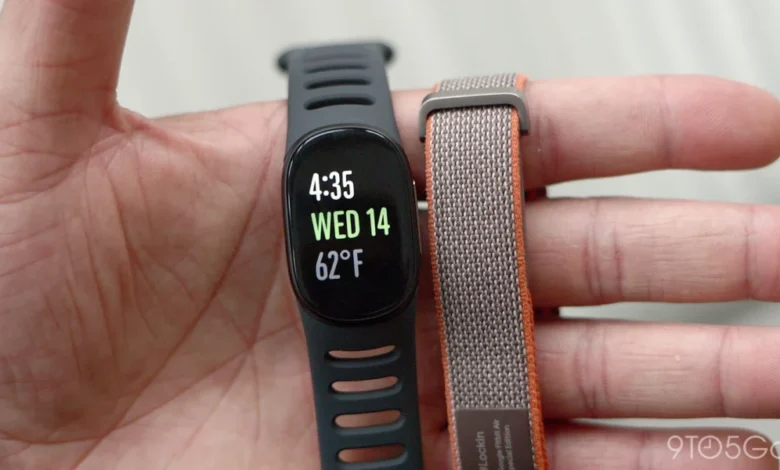
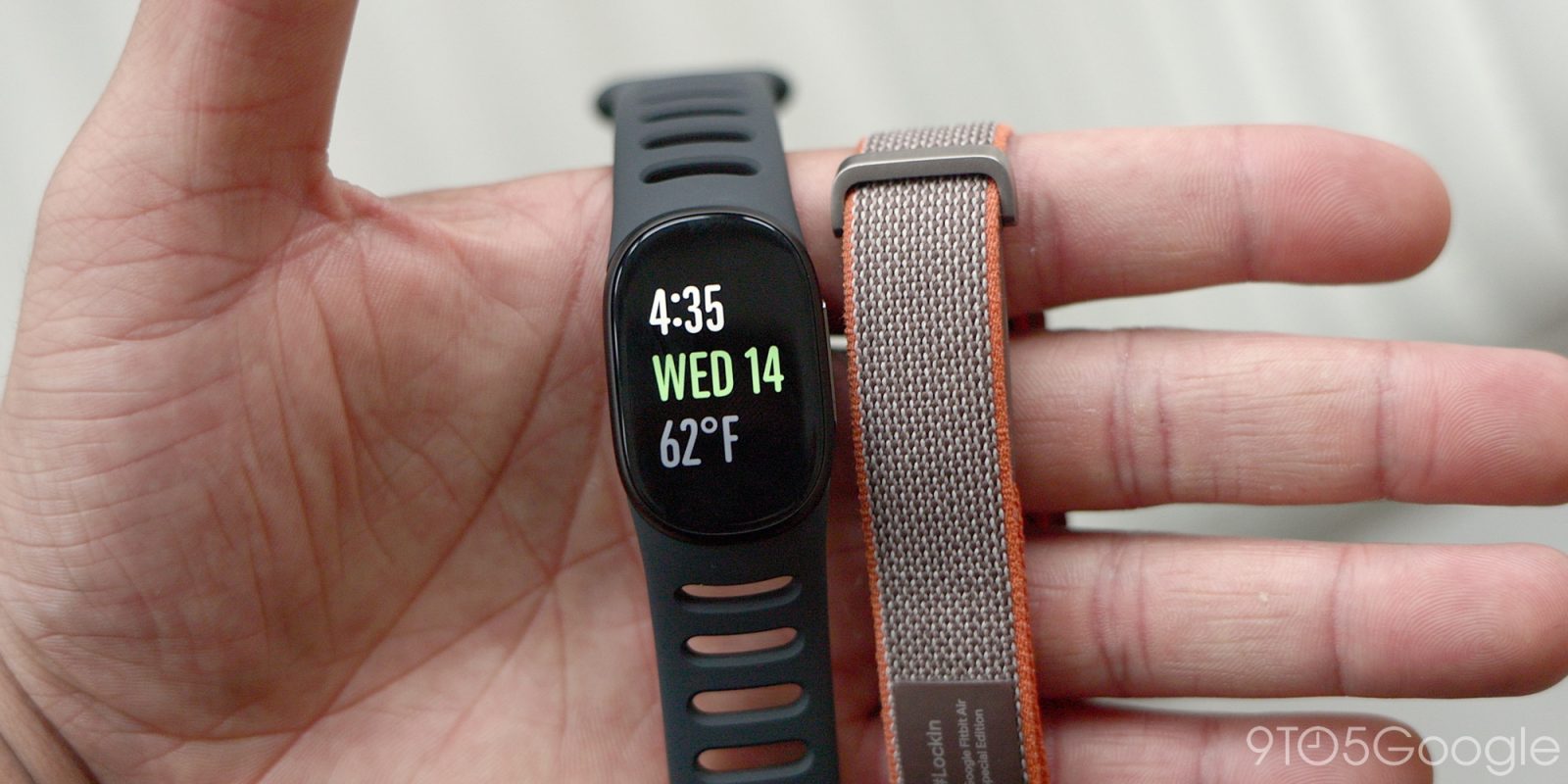
At the heart of the current consumer tech conversation is the wearable market, exemplified by the competition between product lines like the Fitbit Edge and the Fitbit Air series. The evolution of these devices reflects a broader shift in the tech industry’s philosophy. A decade ago, wearables were primarily focused on "quantified self"—the raw data of steps, calories, and distance. Today, the focus has migrated toward holistic wellness, encompassing sleep architecture, stress recovery, and continuous glucose monitoring.
This shift is not merely cosmetic; it is a response to consumer demand for technology that provides actionable insight rather than just data points. The integration of AI into these platforms allows devices to interpret complex physiological signals, providing users with "readiness scores" or stress management prompts. However, this level of oversight has sparked debates regarding data privacy and the psychological impact of being constantly monitored by one’s own devices.
A Chronology of Modern Tech Integration
The integration of advanced AI and high-frequency sensor suites has been a multi-year trajectory. To understand the current climate, one must look at the timeline of the "Connected Era":
- 2020–2021 (The Pandemic Shift): The necessity of remote work and digital communication forced a rapid adoption of sophisticated collaboration tools and home office infrastructure. This period solidified the role of technology as a critical lifeline for social and professional connectivity.
- 2022–2023 (The AI Explosion): The introduction of generative AI models shifted the focus from hardware-centric improvements to software-driven capabilities. Consumer electronics began to prioritize NPU (Neural Processing Unit) performance, setting the stage for on-device intelligence.
- 2024–2025 (The Hardware-AI Convergence): The industry saw the launch of products that blurred the line between smartphone and wearable. Devices began to offload processing to the cloud or local AI clusters, allowing for more compact and efficient form factors.
- 2026 (The Current State): As of October 2026, the market is characterized by a "fatigue of complexity." Consumers are now seeking devices that offer "calm tech"—technology that works efficiently in the background without demanding constant attention or cognitive overhead.
Supporting Data: The Consumer Sentiment Shift
Market analysis from firms such as Gartner and IDC indicates a subtle but significant shift in purchasing behavior. In the first three quarters of 2026, while spending on premium hardware remained high, there was a measurable uptick in demand for "digital detox" accessories and software features that limit screen time.
According to recent surveys, nearly 62% of consumers in the North American and European markets expressed concern regarding "digital overload." This is a stark contrast to the 2018 figures, where 74% of users prioritized "constant connectivity" as a primary feature in new device acquisition. This data suggests that the value proposition of tech is no longer just about capability—it is about the quality of the time spent using that technology.
Official Responses and Industry Stance
Industry leaders have begun to address these concerns through specific design languages. Companies like Google, Apple, and Fitbit have introduced "Focus Modes" and "Mindfulness" suites into their operating systems.
In a recent industry forum, representatives from major wearable manufacturers acknowledged the responsibility of developers to mitigate the "attention economy." The current development roadmap for major tech firms is now heavily influenced by "Humane Design" principles. This involves minimizing notifications, utilizing haptic feedback to reduce screen interaction, and ensuring that AI-driven insights are delivered in a supportive, non-punitive tone. This institutional pivot is a direct response to both regulatory pressures and the changing demands of the end-user base.
Broader Implications for the Future of Technology
The implications of this shift are wide-reaching. For hardware manufacturers, the challenge lies in maintaining performance metrics while reducing the intrusiveness of the device. We are seeing a move toward "ambient computing," where the device disappears into the user’s daily workflow. For example, rather than a smartphone vibrating every minute, future devices may rely on more subtle, context-aware alerts that only surface when truly necessary.

Furthermore, the integration of AI is moving away from "generative" features—which often create more work for the user—toward "agentic" features. These are AI agents designed to handle administrative tasks, scheduling, and information filtering, effectively acting as a buffer between the user and the chaotic information landscape of the internet.
The Psychological Impact: The Quest for "Good Tech"
The search for technology that "makes us happy" is ultimately a search for agency. Consumers are gravitating toward tools that grant them more time, reduce their anxiety, or simplify their decision-making processes. Devices that offer clear health benefits without requiring excessive manual input are finding the most success in the current climate.
When evaluating a device, the modern user is increasingly asking: "Does this device serve me, or do I serve this device?" The products that succeed in 2026 and beyond will be those that answer this question in favor of the user. Whether it is a smart watch that helps you recover from a long day or an AI assistant that clears your inbox, the benchmark for "good" technology is becoming its ability to facilitate a better quality of life.
Conclusion: Navigating the Digital Frontier
As we move toward the end of 2026, the tech industry is at a crossroads. The excitement surrounding artificial intelligence and new hardware form factors remains high, but it is now tempered by a more mature understanding of the role technology should play in our lives. The focus is shifting from "how much can technology do?" to "how well does it serve human needs without causing harm?"
For the average consumer, the current landscape offers a wealth of choice, but it also necessitates a more intentional approach to what we invite into our daily routines. By prioritizing devices that align with personal well-being and reducing the noise of unnecessary digital friction, users can harness the power of modern innovation while maintaining the balance that is essential for a healthy relationship with technology. The future of consumer tech is not just about the silicon and the code; it is about the experience of being human in an increasingly digital world.
Related posts: