Google’s Pixel Feature Strategy Under Scrutiny as AI Capabilities Become Hardware Exclusive

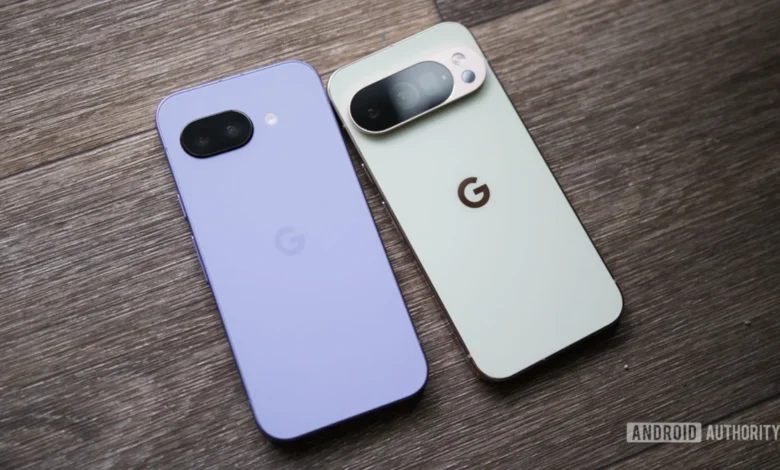
The strategic shift from Qualcomm’s Snapdragon processors to Google’s proprietary Tensor chips within its Pixel smartphone lineup marked a pivotal moment for the tech giant. This move towards vertical integration, mirroring Apple’s long-standing approach, promised Google unprecedented control over the symbiotic relationship between hardware and software. Initially, this deep integration delivered substantial advantages, particularly for consumers. Pixel phones quickly gained a reputation for being "future-proof," as Google adeptly ported new, cutting-edge features from newer models back to older generations, often within weeks or months of their debut. This practice fostered a strong sense of loyalty among Pixel users, who appreciated receiving continuous enhancements without the immediate pressure to upgrade their devices. This era cemented the Pixel’s appeal as a device that truly evolved with its software, offering sustained relevance and value over time.
However, recent developments, particularly with the introduction of the Pixel 9 and Pixel 10 series, suggest a significant departure from this consumer-friendly philosophy. The once-dependable flow of innovative features to older Pixel models appears to have largely ceased, raising questions about Google’s commitment to the longevity it once championed. The latest generation of AI-driven capabilities, central to Google’s marketing of these new devices, are increasingly being locked to the newest hardware, fundamentally altering the value proposition for existing Pixel owners and reshaping expectations for future purchases. This shift has ignited a debate among enthusiasts and industry observers alike, pondering whether Google is prioritizing sales incentives over its established reputation for extending the life and utility of its products.
The Golden Age of Pixel Longevity: Pre-Pixel 9 Era
For several years, the Pixel brand flourished on the back of its consistent software updates and, crucially, its "Feature Drops." These periodic updates delivered a steady stream of new functionalities, many of which leveraged Google’s burgeoning AI capabilities, to a wide range of Pixel devices. The benefits of the Tensor chip’s vertical integration were immediately apparent. When the Pixel 6 series, powered by the first-generation Tensor G1 chip, launched in 2021, it introduced groundbreaking features like Magic Eraser. This innovative photo editing tool, capable of seamlessly removing unwanted objects from images, was initially a Pixel 6 exclusive. Yet, in a testament to Google’s commitment to broader accessibility, Magic Eraser soon trickled down to even older, Snapdragon-powered devices like the Pixel 5 and Pixel 4, showcasing an unparalleled dedication to feature dissemination.
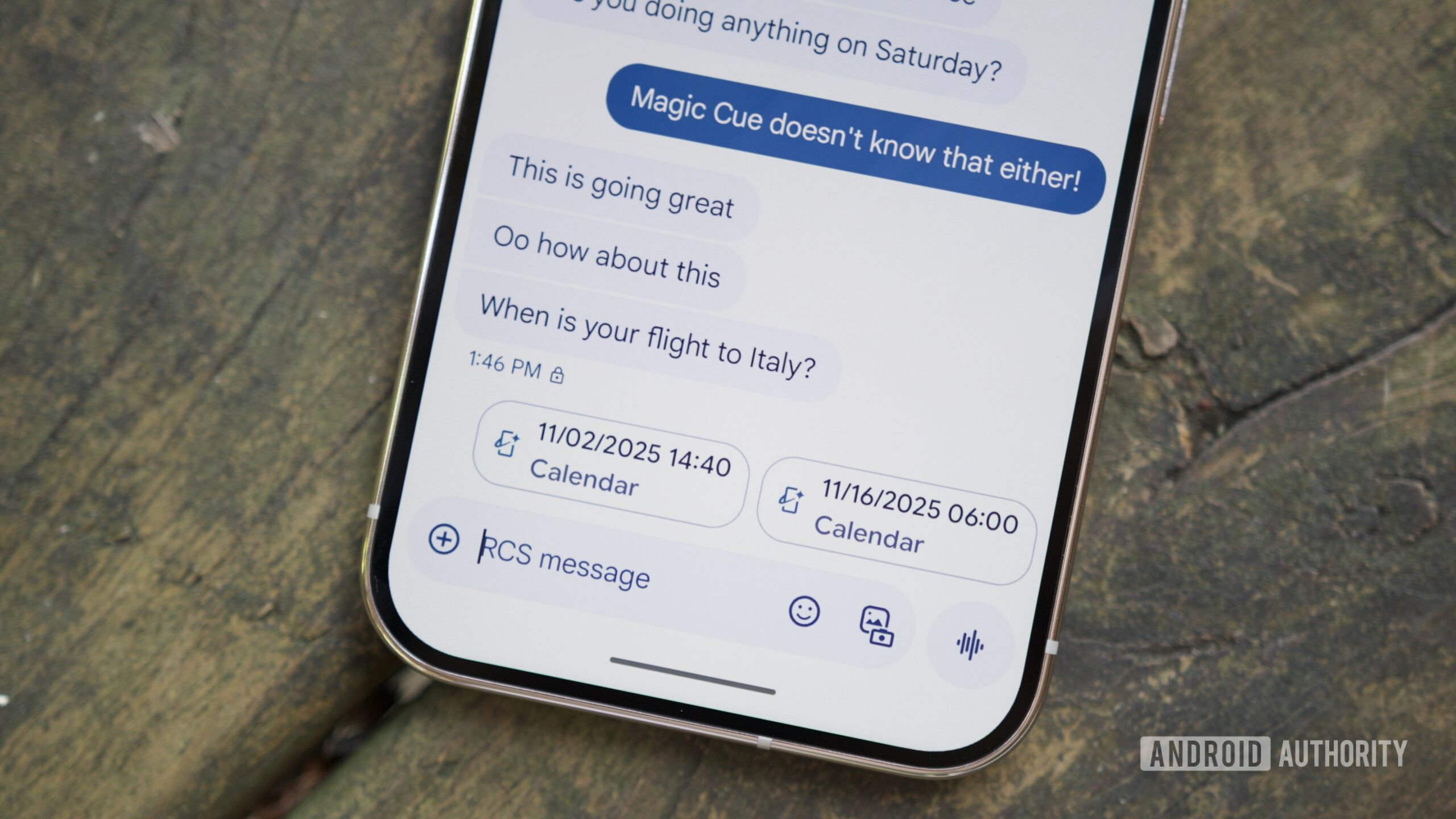
This trend continued robustly with subsequent Pixel generations. The Pixel 8 lineup, featuring the Tensor G3 chip, debuted with highly anticipated AI enhancements such as Circle to Search and an advanced Magic Editor. Circle to Search allowed users to effortlessly search for anything on their screen by simply circling it, while the enhanced Magic Editor provided more sophisticated image manipulation capabilities. Crucially, these features, initially touted as Pixel 8 exclusives, were quickly made available to the previous generation Pixel 6 and Pixel 7 phones. This rapid propagation, sometimes within a mere few weeks or months, underscored Google’s promise of ongoing value. Users of older Pixels found themselves enjoying the latest AI innovations, mitigating the feeling of obsolescence that often accompanies smartphone ownership. The implicit message was clear: investing in a Pixel meant investing in a device that would remain at the forefront of software innovation for years, irrespective of being the absolute latest model. This period represented a "golden age" for Pixel users, where loyalty was rewarded with continuous software enrichment.
The Pixel 9 and 10: A New Era of Hardware Exclusivity
The landscape began to change definitively with the arrival of the Pixel 9 and, subsequently, the Pixel 10 series. These latest iterations, featuring advanced Tensor processors (presumably G4 and G5 respectively, based on their hypothetical 2024/2025 release cycle as per image dates), have introduced a suite of powerful, AI-driven features designed to enhance user convenience and productivity. However, unlike their predecessors, these innovations have remained rigidly exclusive to the new hardware. Despite the Pixel 10 having been available for over half a year and the Pixel 9 for even longer, not a single one of these flagship AI features has been extended to older Pixel devices.
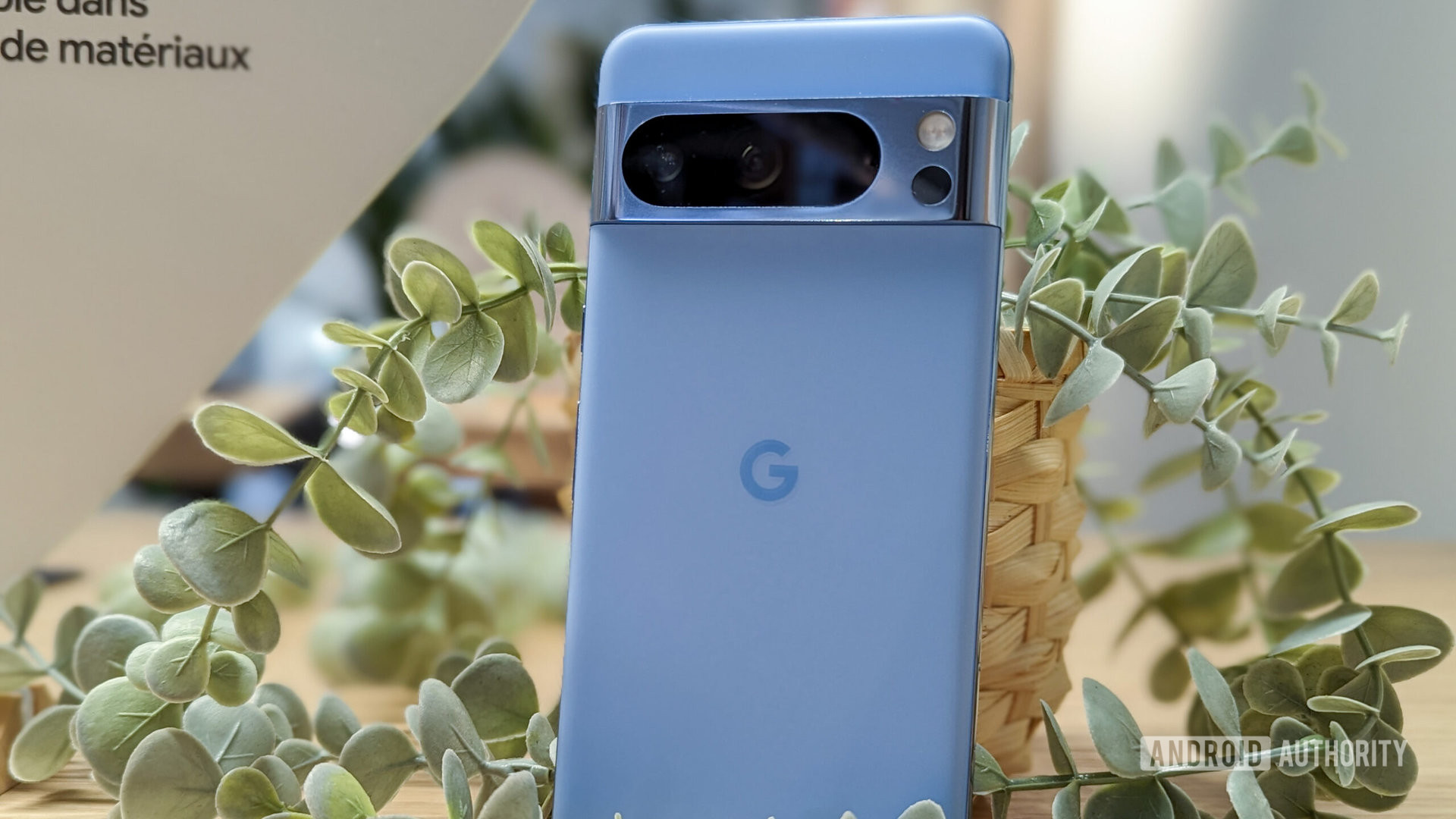
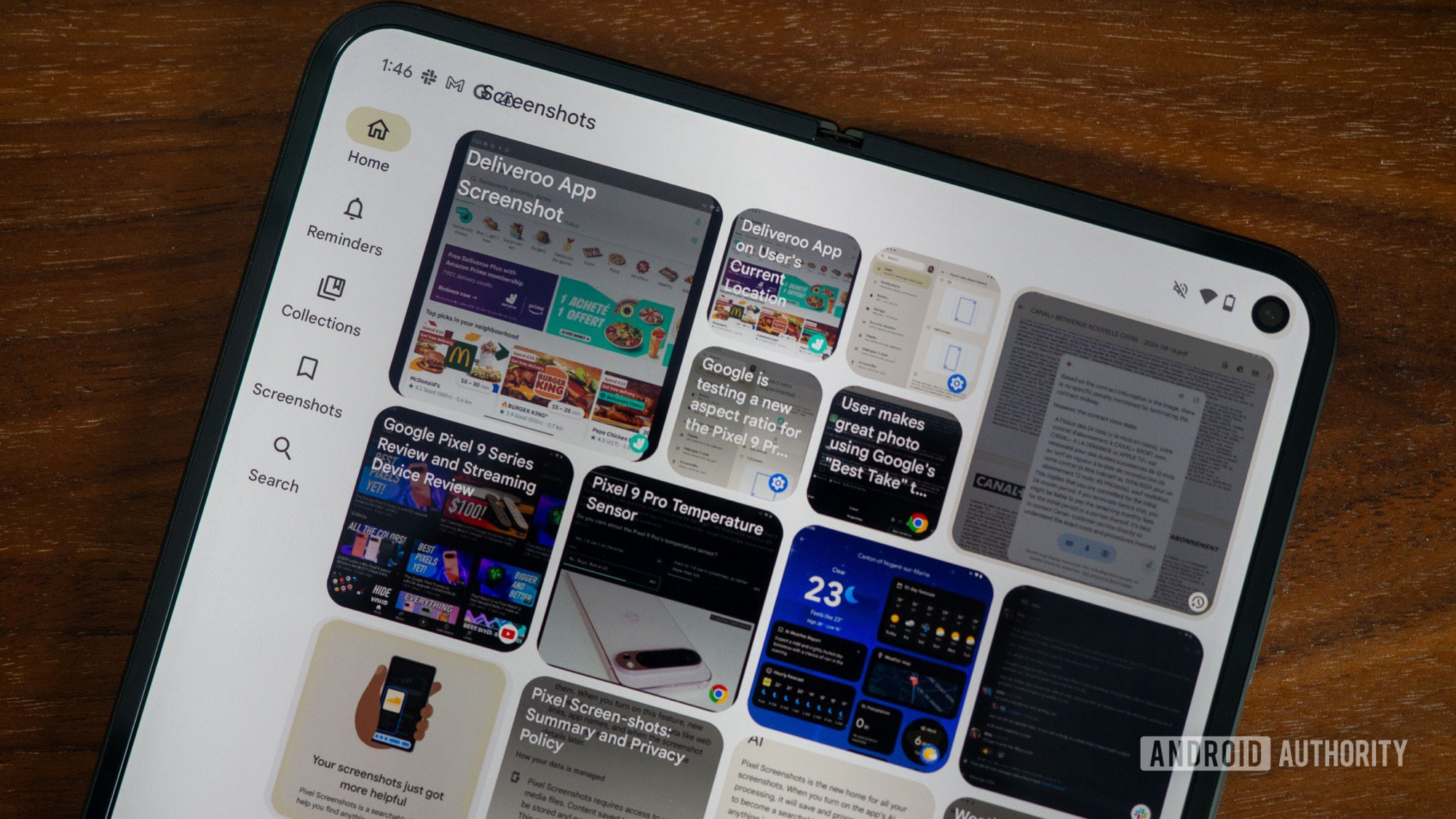
Among the most prominent of these locked features is Magic Cue, an intelligent assistant that proactively surfaces relevant information based on real-time context and historical user data. For instance, it could display a boarding pass during a call with an airline or suggest pertinent details during a conversation. Another notable exclusion is the enhanced Pixel Screenshots app, which likely offers advanced editing and organizational capabilities powered by AI. Newer camera features, such as Add Me (which might involve AI-powered object insertion into photos) and Auto Frame (intelligently adjusting framing during video calls), have also been strictly confined to the latest models. Furthermore, a host of other AI-driven tools, including advanced versions of Call Notes (beyond the text-only output available on some older phones) and the comprehensive Pixel Studio (a potential suite of generative AI tools for media creation), remain exclusively within the purview of the Pixel 9 and 10 series. This decisive "gatekeeping" marks a stark contrast to Google’s earlier philosophy and has prompted considerable frustration among the loyal Pixel user base.
Underlying Factors: Business Strategy and Technical Imperatives
The abrupt shift in Google’s feature distribution strategy can be attributed to a confluence of business objectives and increasingly demanding technical requirements. From a commercial standpoint, product differentiation is paramount in the fiercely competitive smartphone market. By reserving cutting-edge AI features for its newest flagships, Google creates a compelling incentive for consumers to upgrade. This strategy aligns Google more closely with rivals like Apple, which has historically tied its most advanced software features to its latest hardware, and Samsung, which has aggressively promoted its "Galaxy AI" features as exclusive to its newest flagship devices. In a market where hardware innovation often reaches incremental plateaus, software-driven AI features become a critical differentiator, justifying premium pricing and driving sales volumes for new models. While this approach may risk alienating a segment of its loyal customer base, the immediate business imperative to boost new device sales appears to be a significant driver.
Beyond commercial considerations, there are genuine technical justifications for the observed feature exclusivity. Google’s growing emphasis on on-device AI processing is a cornerstone of its current AI strategy. Unlike cloud-based AI, which relies on sending data to remote servers for computation and then receiving results, on-device AI processes information directly on the smartphone’s hardware. This approach offers several distinct advantages, primarily reduced latency, enhanced privacy, and offline functionality.
The advanced AI features introduced with the Pixel 9 and 10 are designed to operate with minimal delay, often requiring real-time processing. Consider Magic Cue: for it to be truly useful, it must process contextual information and historical data instantly to surface relevant prompts or information. Relying on cloud processing for such a feature would introduce noticeable latency, rendering it less effective or even frustrating. Similarly, Call Notes, particularly features like real-time summarization or scam detection during an active call, necessitates immediate, on-device computation. Any delay could compromise the utility or safety aspect of the feature.
This push for on-device processing necessitates more powerful underlying hardware, specifically a robust Neural Processing Unit (NPU) within the System-on-Chip (SoC) and a greater allocation of Random Access Memory (RAM). While earlier Tensor chips (G1, G2, G3) were competent, the AI models powering features like Magic Cue and advanced Call Notes are likely far more complex and resource-intensive. Industry trends indicate a continuous escalation in NPU capabilities and RAM in flagship smartphones, with models increasingly featuring 12GB, 16GB, or even more RAM to support sophisticated on-device AI operations. Older Pixel phones, even with their Tensor chips, may simply lack the raw processing power and memory bandwidth required to efficiently run these advanced AI models locally without significant performance degradation or excessive battery drain.
Furthermore, Google has been actively positioning its on-device AI as a privacy-conscious alternative. By keeping sensitive user data and AI computations entirely on the device, Google can offer a stronger privacy narrative, assuring users that their personal information is not constantly transmitted to and stored on cloud servers. This aligns with a growing consumer demand for greater data control and security, providing Google with a competitive edge in a privacy-sensitive world. While cloud-based AI offers scalability and the ability to update models more easily, the real-time, privacy-focused nature of many of Google’s new AI features makes on-device processing a strategic imperative.
The Search for a Middle Ground and Future Implications
Despite the compelling technical and business reasons behind Google’s current strategy, the question remains whether a more inclusive approach could still be adopted for certain features. It is reasonable to argue that some of the exclusive functionalities, while benefiting from the latest hardware, do not strictly necessitate on-device processing for their core operation. For instance, a feature like "Try It On" (hypothetically, for virtual clothing try-ons) or certain generative image capabilities within Pixel Studio could potentially leverage cloud-based AI without a significant compromise to the user experience, especially if real-time interaction is not paramount. Similarly, the full Pixel Screenshots app, while enhanced by AI, could likely function effectively on the Pixel 8 series, which already supports Gemini AI models locally.
Encouragingly, Google has demonstrated a willingness to relax hardware boundaries in the past. A notable example is the eventual rollout of Gemini Nano to the standard Pixel 8, after initially suggesting that this advanced on-device AI model would be exclusive to the more powerful Pixel 8 Pro. This precedent offers a glimmer of hope that Google’s engineers may be actively exploring ways to optimize and port some of the Pixel 9 and 10’s features to slightly older, still capable hardware.
A potential solution lies in a hybrid processing model. Google could offer users the option to opt into cloud-based processing for certain less latency-sensitive features, even on older devices. This approach would come with transparent disclaimers regarding potential latency and privacy trade-offs, empowering users to make an informed choice. While the cloud-based experience might not be as instantaneous or as private as its on-device counterpart, it would nonetheless grant access to features that would otherwise remain locked away, catering to users who prioritize functionality over absolute peak performance or strict on-device privacy. For features like image generation in Pixel Studio, where a few seconds of processing time is acceptable, a cloud-fallback could significantly broaden accessibility.
The implications of this evolving strategy for the Pixel brand are significant. Google must carefully balance its desire to drive sales of new hardware with the maintenance of its reputation for delivering long-term software value. If the perception of "future-proofing" erodes, loyal Pixel users might reconsider their upgrade cycles or even switch to competing ecosystems that offer a more consistent experience across generations. The long-term success of the Pixel brand has historically been rooted in its unique software experience and its commitment to continuous innovation for its entire device family. Moving forward, Google’s challenge will be to innovate with its hardware without alienating the very community that has championed its software-first philosophy, potentially by exploring nuanced, hybrid approaches that bridge the gap between cutting-edge hardware and beloved legacy devices.