IFixit Teardown of Apple’s iPhone Duo Reveals Record-Breaking Repairability Score alongside Potential Structural Flaws

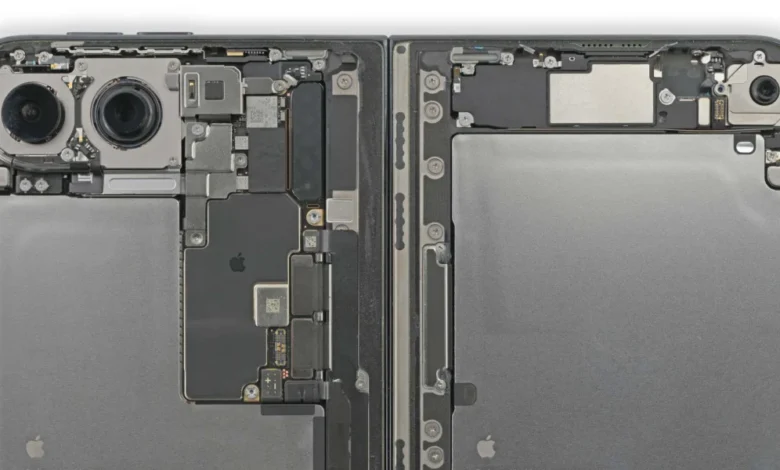
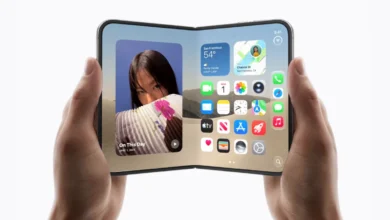
Apple’s highly anticipated first foray into the foldable smartphone market, the iPhone Duo, has officially undergone the rigorous disassembly treatment by the hardware repair experts at iFixit. The resulting teardown offers a fascinating, microscopic look at the engineering marvels and potential vulnerabilities packed into Apple’s inaugural foldable device. Earning a provisional repairability score of 5 out of 10, the iPhone Duo has claimed the title of the most repairable foldable smartphone evaluated by the platform to date. However, the comprehensive teardown also sheds light on the complex internal mechanics that may be contributing to early screen durability issues reported by consumers.
Main Facts and Disassembly Discoveries
The release of the iPhone Duo marked a monumental shift in Apple’s hardware design philosophy, bridging the gap between traditional slab-style smartphones and the burgeoning foldable market. When iFixit analysts set to work on the device, their primary goal was to evaluate how Apple managed the immense engineering challenges of combining a flexible internal display, a complex mechanical hinge, and the rigid structural requirements of a modern flagship device.
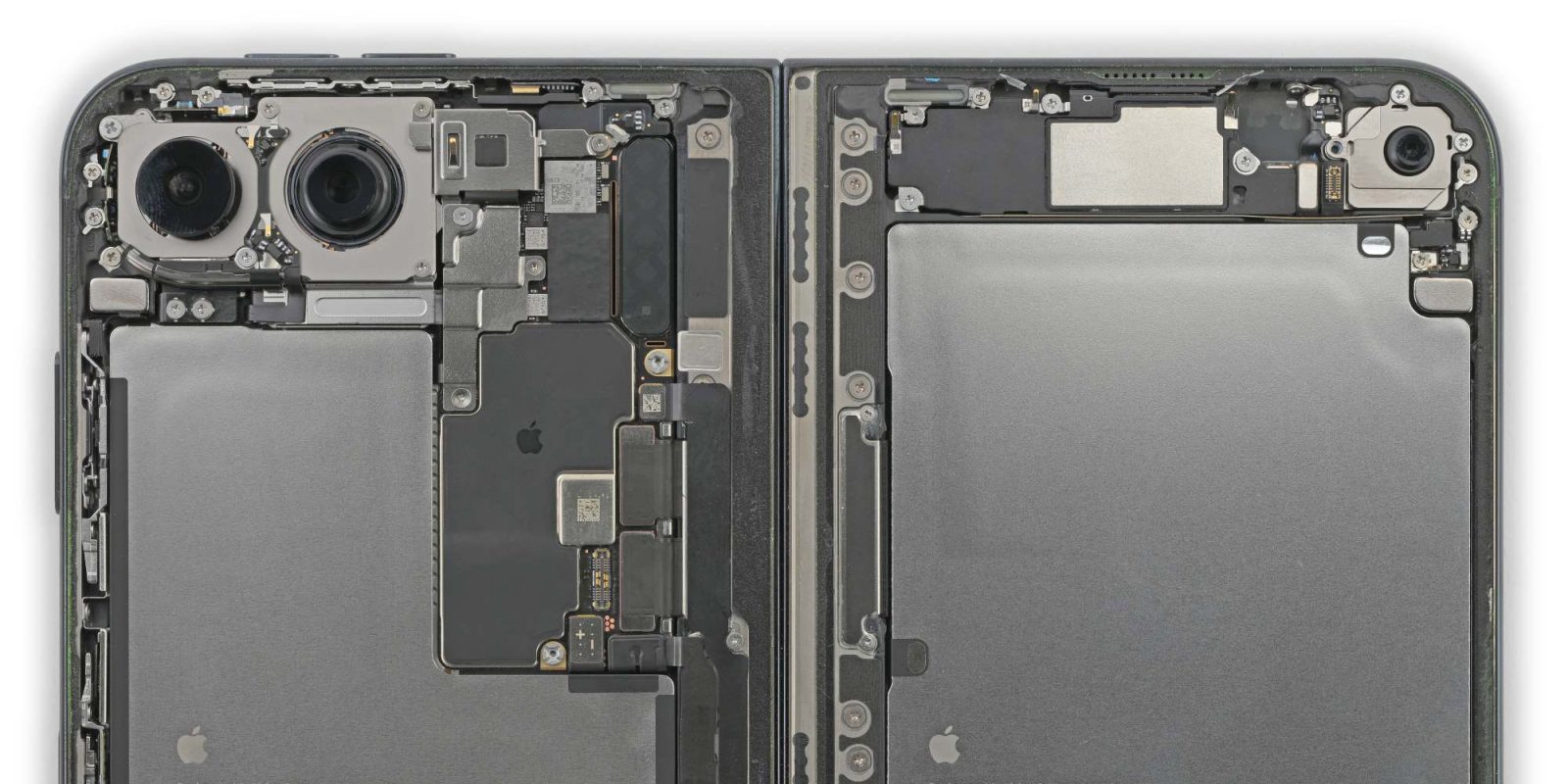
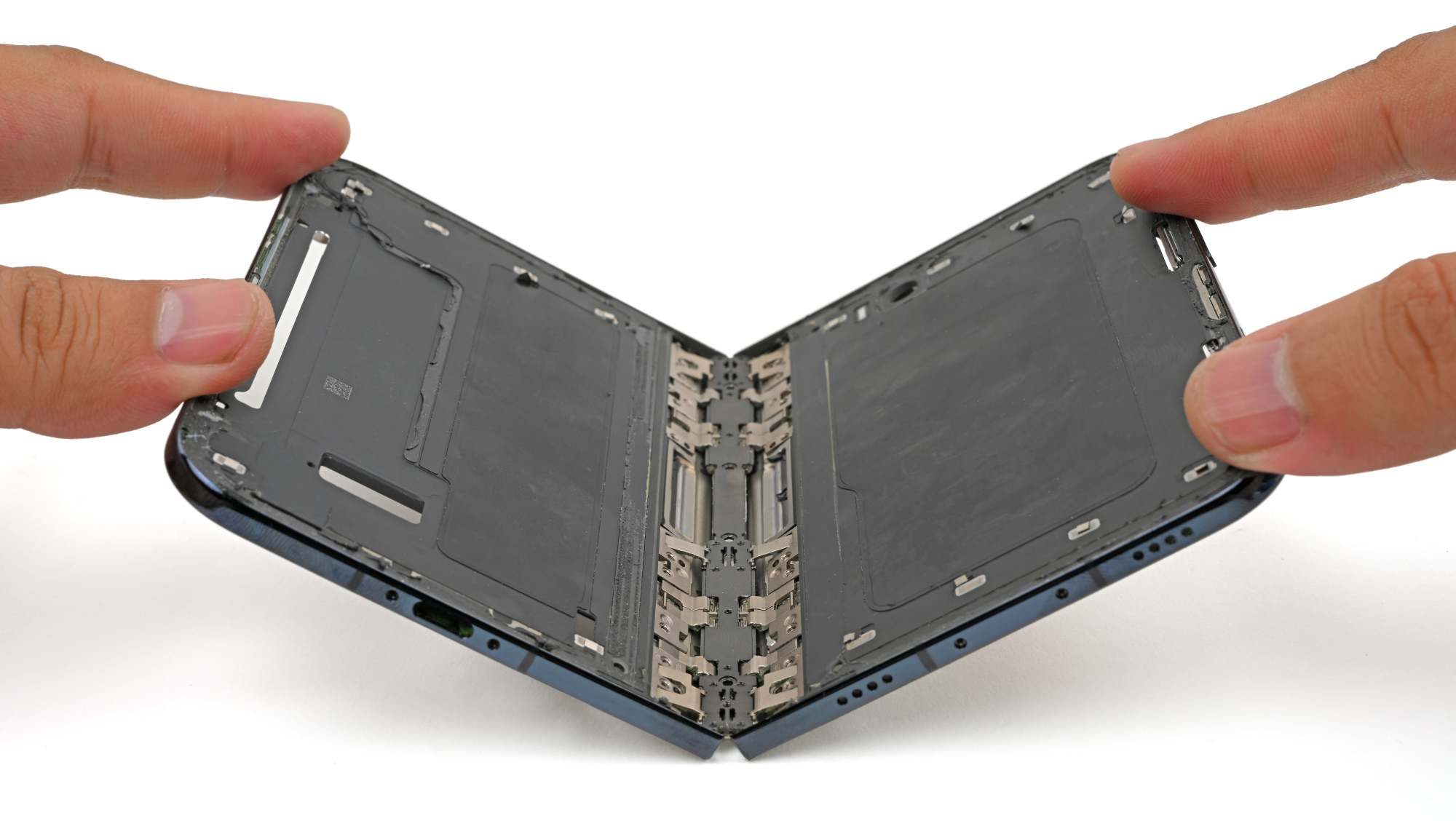
Opening the device revealed a sophisticated internal layout. The iPhone Duo utilizes a dual-battery system distributed across both halves of the chassis, consisting of a larger 11.567 Wh cell beneath the rear glass and a smaller 7.506 Wh cell rated at 7.506 Wh, culminating in a total combined capacity of 19.073 Wh. Notably, Apple implemented electrically releasable adhesive strips for both batteries. This design choice eliminates the need for forceful prying or chemical solvents, earning high praise from the repair community as the best battery-removal execution seen in any foldable phone on the market.
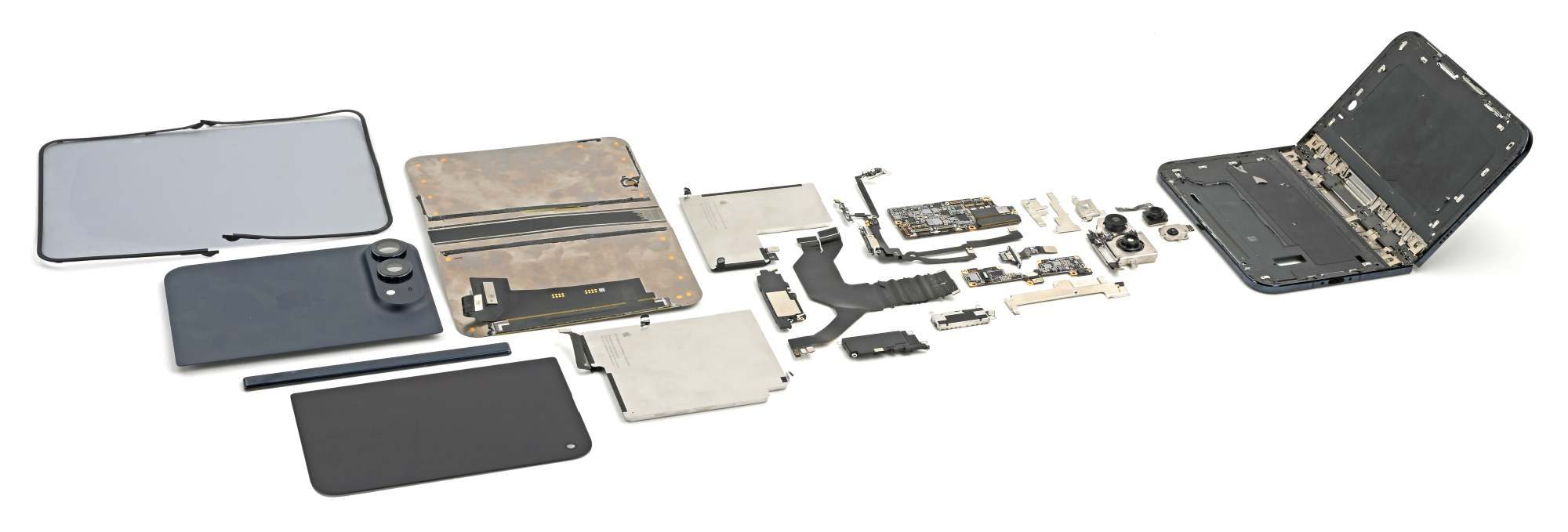
Furthermore, the inner display’s bezel can be detached without structural damage due to the use of mechanical clips rather than aggressive adhesives. The outer display is similarly accessible, an essential design consideration given that several internal component replacements require removing the external screen first. Despite these positive modularity aspects, achieving a complete repair still demands navigating intricate ribbon cables, tightly integrated logic boards, and the central hinge assembly.
Chronology of the iPhone Duo Launch and Analysis
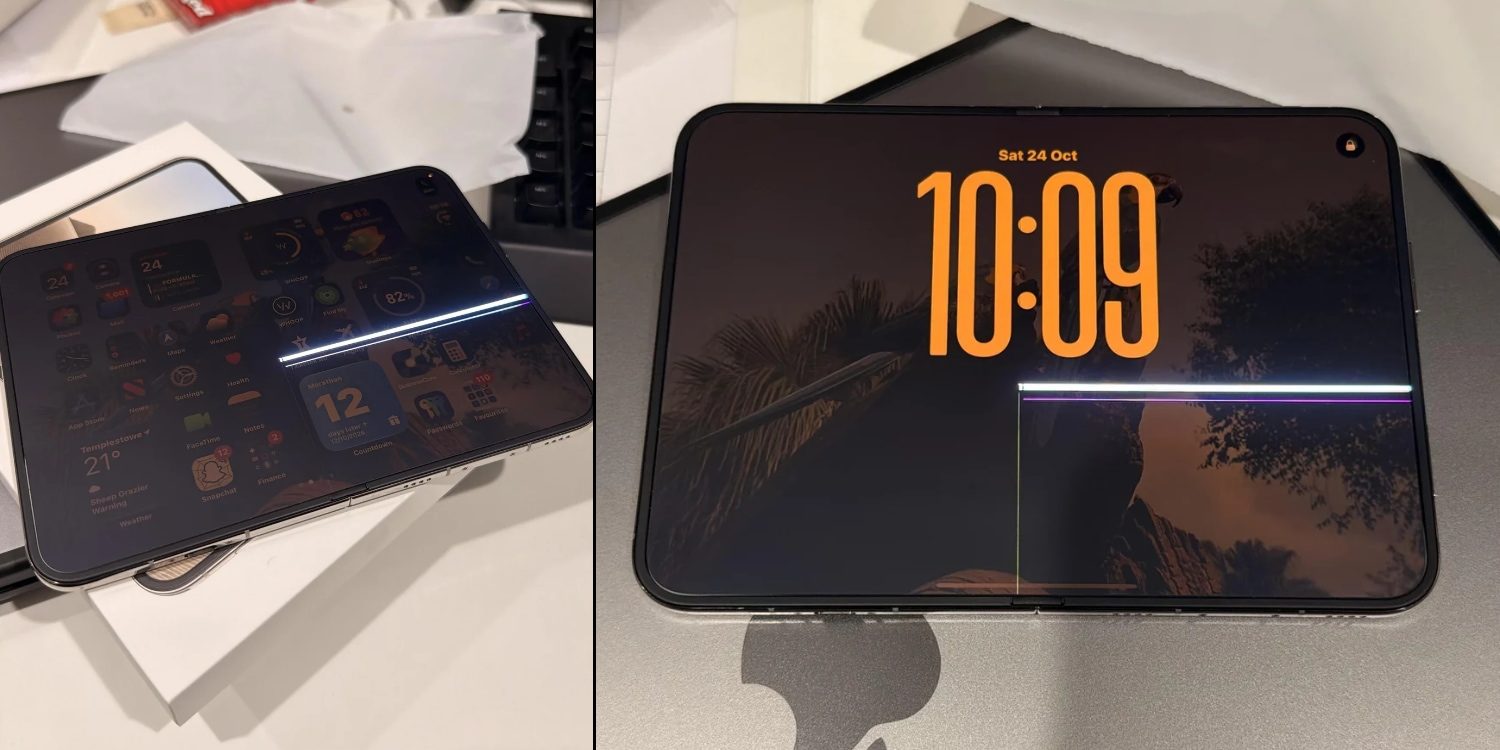
The timeline leading up to the iFixit teardown began months prior with leaks, supply chain rumors, and Apple’s formal announcement of the iPhone Duo. As consumers got their hands on the device following its global release, early adopters immediately began sharing alarming reports on social media and support forums. Users described a distinctive "crunching" sound emitted from the central crease when folding or unfolding the device, quickly followed by the sudden appearance of bright, vertical lines and catastrophic display failure on the inner screen.
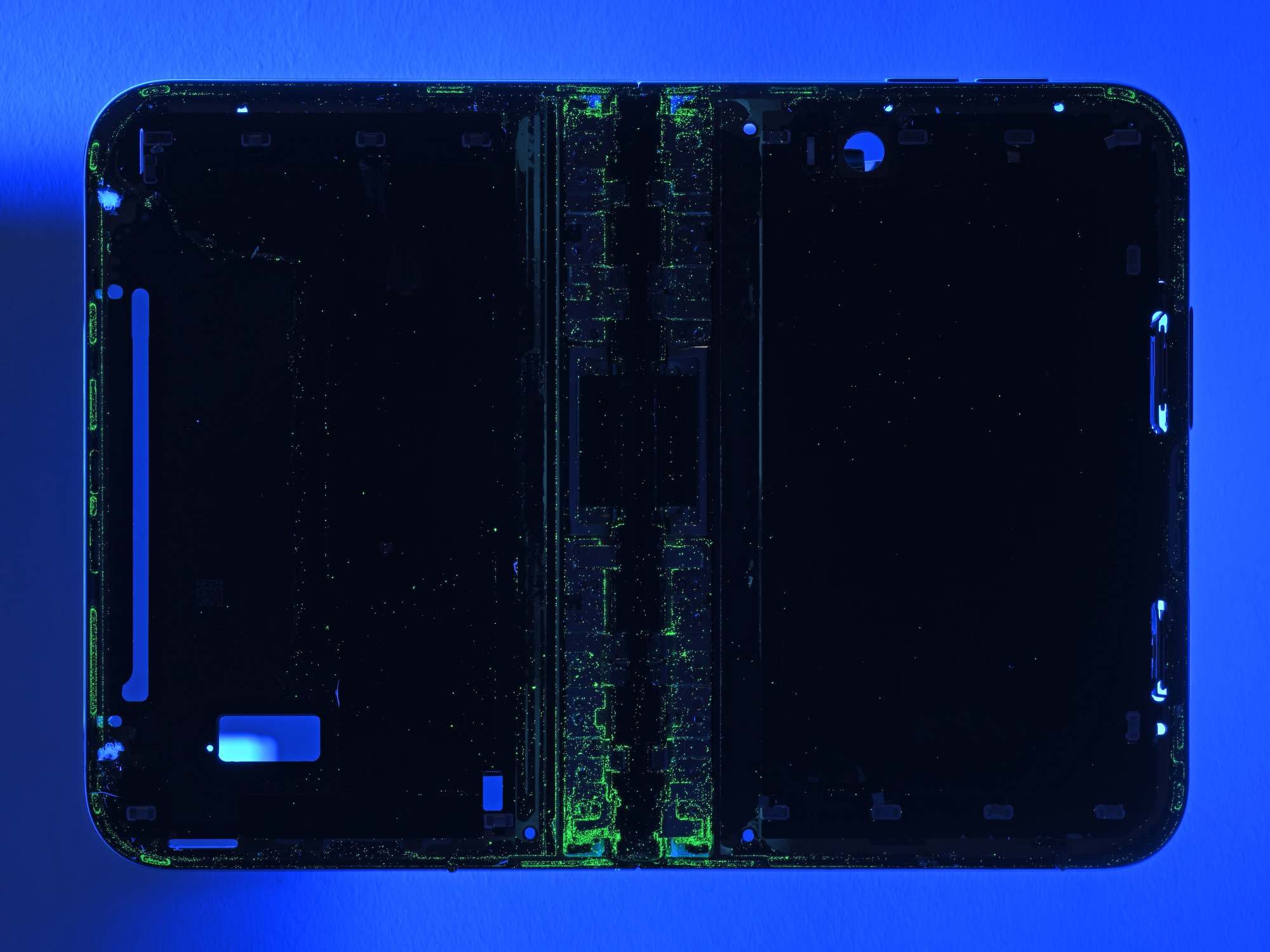
Anticipating high interest in the mechanical underpinnings of these failures, iFixit acquired the device immediately upon release. The team commenced their evaluation with a traditional fluorescent dust test to measure the ingress protection of the device’s IP68 rating, which officially certifies the phone as dust-tight and capable of surviving submersion in up to six meters of water for 30 minutes. While the hinge produced crunchy sounds following the particulate exposure test, subsequent disassembly revealed that remarkably little dust had penetrated the internal mechanism compared to competing foldable devices on the market.
Using computed tomography (CT) scans, microscopic analysis, and historical data from Apple’s previously filed hinge patents, the iFixit team constructed a 3D model of the internal architecture to investigate the root causes of the widespread screen failures.
Detailed Technical Analysis and Engineering Insights
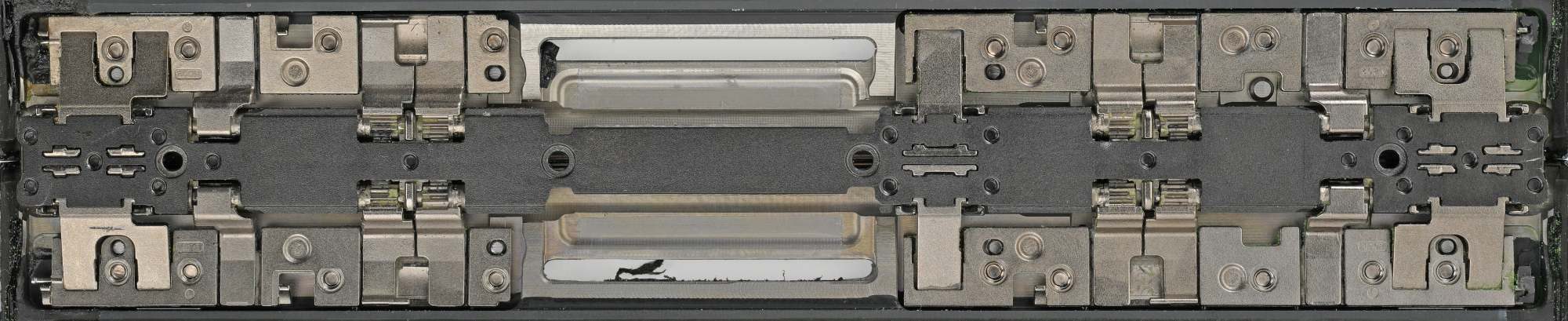
The core of the iPhone Duo’s engineering lies in its intricate waterdrop hinge. Designed to accommodate the bend radius of the flexible OLED panel without creating a sharp crease, the hinge coordinates a complex assembly of micro-gears, tension springs, and interconnected metal joints. Apple integrated curved guide rails to regulate the trajectory of the moving parts, effectively minimizing mechanical stress on the delicate display layers as the device transitions between open and closed states.
However, iFixit’s investigation into the reported screen cracks points directly to potential geometric bottlenecks within this very mechanism. The analysts identified that a central support bar responsible for stabilizing the display panel may occasionally fail to retract smoothly during the closing sequence, exerting localized pressure against the back of the screen. Additionally, the curved guidance rails rise slightly above adjacent components during the folding cycle. If synchronization between these moving parts falters by even a fraction of a millimeter, these rails could interfere with the inner screen layers, concentrating mechanical stress precisely where users have reported fractures.
Beyond the mechanical hinge, the teardown highlighted Apple’s advanced display engineering. Under a microscope, the inner screen’s matte nano-texture surface revealed an intricate topography of microscopic rounded bumps designed to diffuse ambient light and minimize the visibility of the central crease. Further examination of the subpixels near the under-display selfie camera and along the crease boundary revealed an irregular, oval-shaped orientation. According to cross-referenced Apple patents, this specialized pixel arrangement is engineered to mitigate diffraction artifacts and optical distortion, ensuring that the visual transition across the folding plane remains seamless to the human eye.
Broader Industry Impact and Implications
The findings from iFixit’s teardown carry significant implications for the future of foldable technology and Apple’s product roadmap. Foldable smartphones have long struggled with a dual dilemma: the necessity of complex mechanical hinges to achieve a durable form factor, and the inherent fragility of ultra-thin flexible glass and plastic polymer display layers.
By scoring a 5 out of 10 on the repairability index, Apple has demonstrated that consumer electronics manufacturers can prioritize modularity and end-user serviceability even in highly constrained, cutting-edge form factors. The inclusion of electrically releasable adhesives and clip-secured bezels sets a new benchmark that competitors in the foldable space will be pressured to adopt, particularly as global Right to Repair legislation gains legislative momentum across North America and Europe.
At the same time, the potential structural vulnerabilities uncovered regarding the hinge’s retraction mechanics highlight the immense difficulty of achieving long-term mechanical reliability in foldable displays. While Apple has not yet issued a formal recall or definitive statement regarding the precise cause of the isolated screen failures, the empirical data provided by independent analysis groups like iFixit offers crucial direction for hardware engineers. As Apple iterates on future generations of the iPhone Duo line, refining the synchronization of moving internal components and eliminating stress concentrations around the central axis will remain paramount to securing consumer trust in the foldable category.