Apple Intensifies Legal Battle with OpenAI, Sending Preservation Letters to Dozens of Former Employees Amid Trade Secret Lawsuit

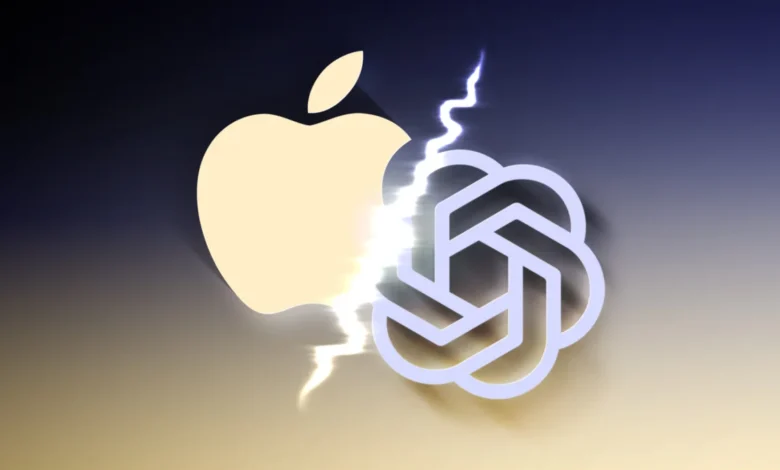
Apple has reportedly escalated its legal offensive against artificial intelligence powerhouse OpenAI, dispatching legal preservation letters to approximately 40 former employees who have since transitioned to work at the burgeoning AI firm. This significant development, emerging on July 17, 2026, underscores the intensifying nature of Apple’s trade secret lawsuit, which alleges a systematic misappropriation of confidential information by OpenAI, extending beyond the individuals initially named in its formal complaint. The letters instruct these former employees to safeguard all potentially relevant documents and communications, signaling a broadening scope in Apple’s pursuit of its intellectual property claims.
Deepening the Legal Quagmire: Apple’s Allegations Against OpenAI
The issuance of these preservation letters follows closely on the heels of Apple’s initial lawsuit filed last week, on July 10, 2026, which accused OpenAI of engaging in a "coordinated effort" to illicitly obtain proprietary information. The lawsuit specifically targets highly sensitive areas of Apple’s operations, including its advanced hardware engineering and product development. At the heart of Apple’s complaint is the assertion that OpenAI has actively recruited key engineers and executives, subsequently benefiting from their intimate knowledge of Apple’s proprietary designs, sophisticated manufacturing processes, and a myriad of other critical trade secrets.
Among the prominent figures explicitly named in Apple’s lawsuit are Tang Tan, who now serves as OpenAI’s Chief Hardware Officer, and Chang Liu, a member of OpenAI’s hardware team. Tan, a veteran of Apple with 24 years of service, previously held leadership positions in product design, making his expertise invaluable and his departure particularly impactful. Liu, prior to joining OpenAI, was a senior system electrical engineer at Apple, possessing deep knowledge of its complex system architectures. Apple contends that both individuals, by joining OpenAI and allegedly contributing their Apple-derived knowledge to OpenAI’s projects, are in breach of their employment agreements, which typically include stringent non-disclosure and intellectual property clauses.
The lawsuit highlights a broader concern for Apple, noting that more than 400 former Apple employees are currently employed by OpenAI. This substantial number forms a critical part of Apple’s argument, suggesting that the alleged misconduct is not merely a few isolated incidents involving individual employees, but rather indicative of a more pervasive and potentially orchestrated pattern of behavior by OpenAI to gain competitive advantage. Apple’s legal team has expressed its conviction that the evidence unearthed thus far may represent only the "tip of the iceberg," implying a preparedness for extensive discovery and a protracted legal battle to uncover the full extent of alleged trade secret violations.
OpenAI’s Stance and the Battle of Narratives
In response to Apple’s escalating legal actions, OpenAI has vehemently denied the allegations. A statement issued to Bloomberg earlier this week, on July 14, 2026, quoted OpenAI asserting that it is "not aware of any evidence that this complaint has merit." This categorical denial sets the stage for a contentious legal showdown, as both tech giants prepare to present their respective cases in court. OpenAI’s position suggests that it believes its hiring practices and development efforts are legitimate and do not infringe upon Apple’s intellectual property rights. The company will likely argue that employees are free to change jobs and bring their general skills and experience, rather than specific trade secrets, to new employers.
The Broader Context: Talent Wars in the AI Era
This high-stakes legal confrontation unfolds against a backdrop of an intensely competitive global technology landscape, particularly within the burgeoning field of artificial intelligence. The demand for top-tier AI talent – engineers, researchers, and product developers – has reached unprecedented levels, driving aggressive recruitment strategies across the industry. Companies like Google, Meta, Microsoft, and a plethora of well-funded startups are all vying for the same limited pool of experts, often offering lucrative compensation packages and unparalleled opportunities for innovation.
The migration of talent, especially from established tech behemoths like Apple to rapidly expanding AI innovators such as OpenAI, is a common phenomenon in this dynamic environment. However, the line between legitimate talent acquisition and the alleged misappropriation of trade secrets can be notoriously thin and legally complex. Companies invest billions in research and development, safeguarding their innovations through patents, copyrights, and trade secret protections. When key personnel depart, especially to direct competitors, the potential for intellectual property leakage becomes a significant concern, leading to proactive measures like the preservation letters now being sent by Apple.
Chronology of a Brewing Tech Feud:
- Pre-July 2026: Tang Tan, a 24-year Apple veteran, and Chang Liu, a senior system electrical engineer, along with hundreds of other Apple employees, transition to OpenAI, taking on various roles, including leadership positions in hardware development.
- July 10, 2026: Apple officially files a lawsuit against OpenAI, alleging a "coordinated effort" to misappropriate trade secrets related to its hardware engineering and product development. The lawsuit specifically names Tan and Liu for breach of contract.
- July 14, 2026: OpenAI publicly responds to Apple’s lawsuit, denying the allegations and stating to Bloomberg that it is "not aware of any evidence that this complaint has merit."
- July 17, 2026: Apple intensifies its legal strategy by sending legal preservation letters to approximately 40 former employees now working at OpenAI, instructing them to retain all relevant documents and communications for the ongoing lawsuit.
The Anatomy of Trade Secrets and Legal Ramifications
At the core of Apple’s lawsuit lies the concept of "trade secrets." Unlike patents, which protect inventions for a limited period, trade secrets protect confidential information that provides a business with a competitive edge, as long as it remains secret. This can include manufacturing processes, product designs, customer lists, algorithms, marketing strategies, and more. To prove trade secret misappropriation, Apple must demonstrate several key points:
- The information constitutes a trade secret.
- It took reasonable steps to protect the secrecy of the information.
- OpenAI (or its employees) acquired the trade secret through improper means or used it without authorization.
The preservation letters sent by Apple are a standard but crucial step in litigation. They serve to formally notify potential witnesses or parties that specific information may be relevant to a legal dispute and must not be destroyed or altered. Failure to comply can lead to severe sanctions, including adverse inferences against the party in court. For the former Apple employees, these letters place them directly in the crosshairs of a major corporate legal battle, potentially requiring them to testify or provide extensive documentation related to their work at both companies.
Apple is seeking an injunction that would compel OpenAI to cease using any Apple-derived information in the development of its rumored AI hardware device. Such an injunction, if granted, could significantly disrupt OpenAI’s ambitious plans to expand beyond software and into the lucrative hardware market, where Apple holds a dominant position. Beyond the injunction, Apple is also pursuing unspecified damages, which could amount to substantial financial penalties given the value of the intellectual property at stake and the potential competitive harm.
Implications for Apple’s AI Ambitions and Competitive Landscape
This lawsuit carries significant implications for Apple’s strategic positioning in the rapidly evolving AI ecosystem. While Apple has traditionally been more secretive about its AI endeavors compared to its rivals, it has been steadily integrating AI capabilities across its product lines, from Siri improvements to advanced on-device processing. Protecting its hardware engineering and product development secrets is paramount as it seeks to differentiate its AI offerings and maintain its competitive edge in a market increasingly defined by AI integration.
Apple’s aggressive legal action can be viewed as a defensive maneuver to safeguard its intellectual property and send a clear message to competitors and departing employees alike: unauthorized use of its trade secrets will be met with full legal force. The outcome of this case could establish a significant precedent for how talent mobility and intellectual property are managed within the tech industry, particularly as the lines between software and hardware continue to blur with the advent of specialized AI chips and devices.
OpenAI’s Hardware Ventures and Future Trajectory
For OpenAI, the lawsuit presents a formidable challenge, potentially hindering its nascent hardware ambitions. While primarily known for its groundbreaking AI models like ChatGPT, reports have indicated OpenAI’s strategic interest in developing its own AI hardware, possibly to optimize its models, control the full stack of its AI offerings, or even compete directly in the consumer electronics space. The alleged use of Apple’s hardware-related trade secrets, if proven, could significantly set back these efforts, forcing OpenAI to re-engineer products or face substantial financial and reputational costs.
The legal entanglement could also divert significant resources – financial, legal, and executive attention – away from OpenAI’s core mission of advancing AI research and development. In a fast-moving field, any such distraction can have long-term consequences for innovation and market leadership. The company’s denial of wrongdoing suggests it intends to fight vigorously, indicating a potentially lengthy and costly legal battle ahead.
Industry-Wide Repercussions and Future Precedents
The Apple-OpenAI legal clash is poised to have ripple effects across the entire technology industry. It underscores the critical importance of robust intellectual property protection in an era where innovation is a primary driver of market value. Companies will likely review and strengthen their non-disclosure agreements, non-compete clauses (where legally permissible), and exit interview processes to mitigate the risks of trade secret misappropriation.
Furthermore, the case could influence how companies approach hiring from competitors, particularly for highly specialized roles where the risk of IP infringement is high. It might lead to more cautious recruitment practices, more stringent vetting processes, and increased emphasis on ensuring new hires do not bring or utilize proprietary information from previous employers. For employees, it serves as a stark reminder of the enduring legal obligations they carry even after leaving a company, particularly concerning confidential and proprietary information.
As the legal proceedings unfold, the tech world will be watching closely. The resolution of this dispute, whether through settlement or a court verdict, will not only shape the future trajectories of Apple and OpenAI but also set important precedents for intellectual property protection and talent mobility in the hyper-competitive realm of artificial intelligence. The "tip of the iceberg" phrase from Apple’s lawsuit suggests that the full scope of this legal drama is yet to be revealed, promising further developments in the months and potentially years to come.