OnePlus Rolls Out Stable ColorOS 17 Update Ahead of Schedule for OnePlus 15 and OnePlus Pad 4

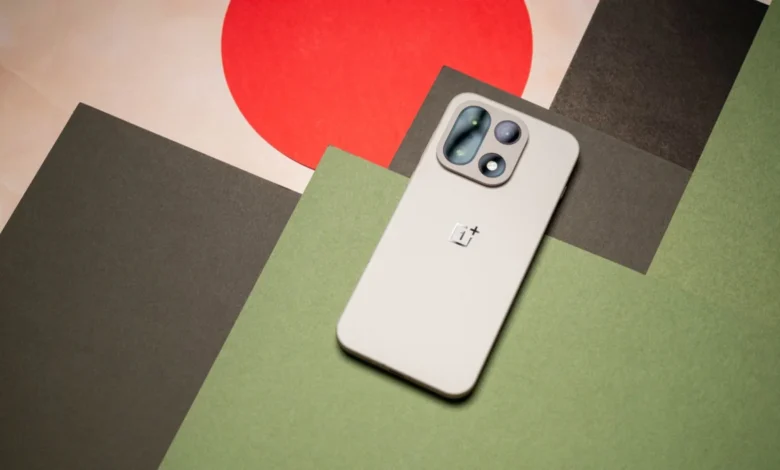
In a surprising early deployment, OnePlus has officially begun rolling out the stable version of its ColorOS 17 operating system, powered by Android 17. Originally slated for a public release on October 29, the software update has arrived ahead of schedule, targeting the flagship OnePlus 15 (model CPH2745) and the newly introduced OnePlus Pad 4. This early rollout marks another definitive milestone in the company’s ongoing software transition, continuing its steady migration away from the standalone OxygenOS brand identity that historically defined its software ecosystem for mobile enthusiasts worldwide.
The stable release follows a tightly managed open beta testing phase. According to official announcements posted on the OnePlus Community forums, participants who actively engaged in the open beta testing program are among the first wave of users receiving the over-the-air (OTA) update. Following the initial push to the flagship OnePlus 15 and the OnePlus Pad 4, the software will become available to a broader audience in a phased rollout designed to monitor system stability and mitigate unforeseen server congestion or critical software bugs.
A Comprehensive Visual and Functional Overhaul
ColorOS 17 brings a robust suite of visual enhancements, system optimizations, and practical utility features derived from the core Android 17 architecture. Among the most notable additions are redesigned system animations that offer fluid navigation throughout the user interface, a thoroughly revamped Quick Settings panel, and deeper personalization options that allow users to tailor their device aesthetics more extensively than before.
Beyond surface-level aesthetic updates, OnePlus has integrated advanced privacy controls designed to give users granular management over app permissions and data sharing. Furthermore, the updated software introduces sophisticated background process management algorithms. By intelligently throttling idle apps and optimizing hardware resource allocation, these efficiency tweaks aim to significantly extend daily battery life—a critical consideration for power users who rely heavily on their mobile devices throughout demanding workdays.
The Strategic Evolution Away from OxygenOS
This software release underscores a profound structural transformation within OnePlus and its operational alignment with parent company Oppo. Over the past several years, OxygenOS and ColorOS have progressively converged, sharing a substantial portion of their underlying codebase and infrastructural architecture. However, the commercial and regional restructuring of OnePlus—highlighted by strategic shifts in major markets such as North America and Europe—has accelerated the formal unification under the ColorOS banner.
For long-time loyalists of the brand, the transition from OxygenOS to ColorOS represents the closing of an era. OxygenOS was initially revered for its clean, near-stock Android aesthetic and lightweight performance, attributes that helped catapult OnePlus into critical acclaim during its early years as an independent "flagship killer" startup. While the underlying performance and feature set of ColorOS 17 remain exceptionally competitive, the branding shift signifies a permanent pivot toward a globally consolidated software strategy.
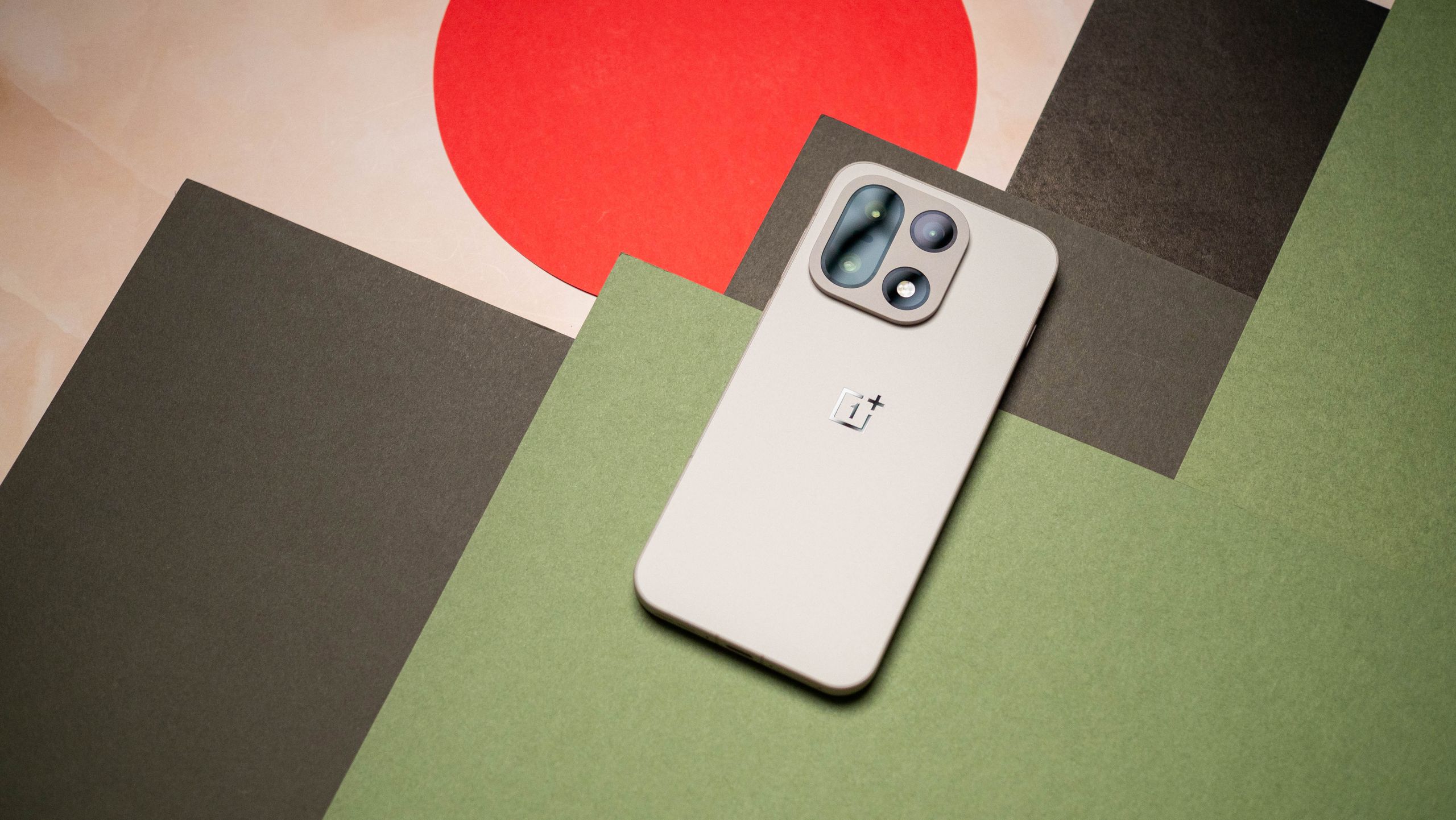
To ease potential friction among purist consumers, OnePlus has implemented a transitional regional policy. Eligible device owners retain the flexibility to choose whether they wish to upgrade to ColorOS 17. Furthermore, the company has confirmed that users who install the new software will have the option to roll back to a previous OxygenOS build if they find the new interface or ecosystem unsuited to their preferences. However, OnePlus has not yet clarified which specific iterations of OxygenOS will be supported for the rollback process across all regional variants.
Phased Rollout Schedule and Device Roadmap
As the initial phase touches devices currently enrolled in the beta pipeline, the general public can expect a staggered deployment model. According to internal product roadmaps shared by industry analysts, the subsequent wave of updates will target a broader array of hardware configurations.
Next in line for the Android 17-based ColorOS 17 update are the value-flagship OnePlus 15R, the previous-generation OnePlus 13, and the specialized OnePlus 13s. Because the distribution occurs in staggered regional batches, industry experts advise consumers to exercise patience if notification prompts do not appear immediately. Users manually checking for the update can navigate through the device settings via the path: Settings > About device > ColorOS.
Tech analysts frequently recommend that cautious consumers wait for initial deployment feedback before immediately installing major system upgrades. Allowing early adopters to report any localized bugs or performance hiccups can help safeguard against potential installation complications, ensuring a smoother transition to the new operating system architecture.
Industry Implications and Future Outlook
The accelerated release of ColorOS 17 highlights a maturing operational cadence within OnePlus, demonstrating its ability to deliver major Android platform updates swiftly upon Google’s public source code availability. By aligning its hardware release cycles tightly with rapid software deployment, OnePlus aims to maintain a competitive edge in the fiercely contested premium smartphone sector.
Nevertheless, the strategic deprecation of the OxygenOS moniker in favor of a unified ColorOS ecosystem presents both marketing challenges and opportunities. While streamlining software development reduces engineering overhead and accelerates patch deployment across a broader portfolio of devices, retaining the brand loyalty of Western consumers who historically championed the "Never Settle" philosophy remains paramount. As ColorOS 17 rolls out globally, the market will closely monitor consumer reception, measuring whether the tangible performance and battery efficiency gains outweigh the emotional attachment to the legacy software brand.