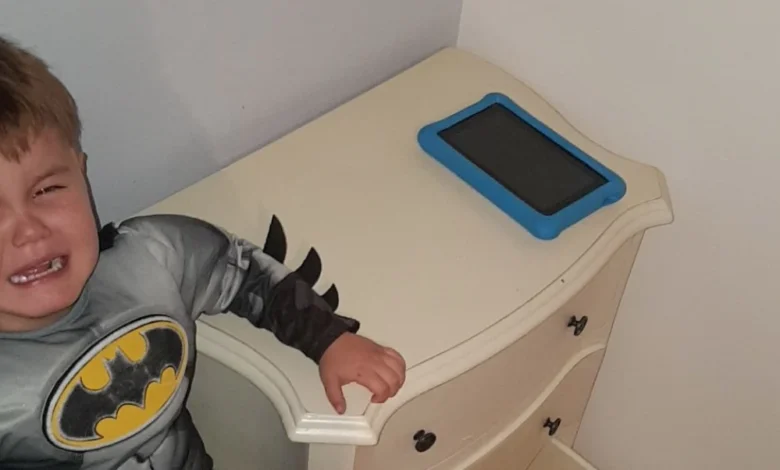
The digital landscape has long functioned as a repository for the bizarre, the mundane, and the unexpectedly viral, occasionally elevating domestic anomalies into international pop-culture artifacts. Among these phenomena, the viral internet meme known colloquially as the "piss drawer" stands out as a bizarre milestone in modern digital folklore. Originating from a seemingly innocuous social media post in late 2017, the image of a distraught three-year-old child dressed in a Batman costume—caught after utilizing a piece of bedroom furniture as a clandestine receptacle for urination—evolved over several years into a widespread digital touchstone. While initially capturing attention due to its sheer shock value and absurd humor, the meme ultimately joined the ranks of surreal absurdist humor formats, echoing antecedent internet tropes while cementing its own unique place in the history of web-based comedy.
Chronology and Origin of the Viral Event
The genesis of the phenomenon dates back to October 24, 2017. Twitter user @phoebebartlett_ published a photograph depicting her three-year-old younger brother visibly upset, standing in what appeared to be a standard domestic bedroom. According to the original accompanying caption, the child’s mother had inadvertently uncovered a household secret: a piece of bedroom furniture, specifically a drawer, that the toddler had been covertly using to relieve himself. In a detail that added immediate comedic narrative weight to the post, the young boy attempted to absolve himself of the blame by casting suspicion upon the family dog.
The tweet immediately resonated with the broader Twitter user base, capturing a rare blend of chaotic domestic reality and childish innocence. Within a relatively short window, the post accumulated substantial engagement, ultimately surpassing 52,000 retweets and 160,000 likes. The virality caught the attention of digital media outlets, notably BuzzFeed, which picked up the story the following day, introducing the domestic incident to a wider online audience beyond the confines of Twitter.
Despite mainstream media acknowledgment, the image’s true transformation into a persistent internet meme occurred months later, driven by user-generated content communities on platforms such as Reddit.

Transition into Digital Folklore and Meme Culture
By mid-to-late 2018, the image had transcended its initial news-cycle footprint, finding a permanent home within niche, irony-poisoned internet subcultures. On August 11, 2018, a Reddit user operating under the handle MilkyAurora shared a heavily edited, deep-fried iteration of the original photograph to the subreddit r/okaybuddyretard, a community known for its embrace of surreal, anti-humor, and chaotic image macros. This initial Reddit post garnered nearly 300 points of engagement, signaling the image’s transition into recognizable meme territory.
The spread continued to accelerate into early 2019. On January 30, 2019, another Redditor, PaneRampage, posted a variation of the image to the broader r/memes subreddit, securing over 840 points. These early image macros typically relied on captions mirroring or directly referencing the narrative structure of earlier, similar viral sensations, most notably the "Mom Found My Poop Sock" meme. Both phenomena capitalized on a specific brand of juvenile anxiety and domestic exposure, wherein children are caught engaging in bizarre, unsanitary habits within the confines of their bedrooms, resulting in public humiliation by parental authority figures.
As the image permeated deeper into the ecosystem of web humor, community members began producing increasingly complex multimedia interpretations. By the spring of 2019, content creators on YouTube had begun integrating the image into satirical media. On May 6, 2019, a YouTuber named Lacrosse devil published an Autonomous Sensory Meridian Response (ASMR) parody video centered around the narrative of the discovery. Concurrently, other creators fused the visual elements of the child’s discovery with auditory cues and sound effects borrowed from popular video game franchises, such as Konami’s Metal Gear Solid, mimicking the "alert" sound played when a player character is detected by enemies.
Structural Analysis of the Meme’s Appeal
The longevity and adaptability of the "piss drawer" meme can be attributed to several psychological and sociological factors common to internet humor in the late 2010s and early 2020s. Psychologically, the meme taps into universal anxieties surrounding parental discovery, the loss of privacy, and the chaotic unpredictability of early childhood behavior.
From a semiotic perspective, the juxtaposition of the child wearing a Batman costume—a symbol of justice, competence, and superheroic capability—against the utterly mundane and degrading reality of being caught urinating in a piece of furniture creates a potent comedic contrast. The superhero attire heightens the sense of tragicomic downfall, transforming an ordinary domestic reprimand into a theatrical, almost Shakespearean tragedy in the eyes of internet creators.

Furthermore, the meme’s structural alignment with pre-existing templates allowed it to easily slot into existing channels of ironic digital discourse. By utilizing image macro formats, surreal video parodies, and cross-overs with unrelated pop culture staples (such as the Mike Wazowski face swap or existential text-post formatting), the community ensured that the joke could be endlessly iterated upon without exhausting its comedic potential.
Broader Implications and Cultural Legacy
While the "piss drawer" phenomenon may appear at first glance to be a superficial byproduct of internet absurdity, cultural analysts note that such memes serve as modern folk tales. They provide shared cultural reference points for younger demographics navigating the anxieties of domestic life, digital connectivity, and the absurdity of modern media consumption.
The incident also highlights the complex ethical boundaries of modern digital sharing. The original photograph, posted by an older sibling depicting a minor family member in a state of emotional distress, generated widespread amusement at the expense of a three-year-old child who lacked the cognitive capacity to consent to global public exposure. While the family involved initially shared the moment lightheartedly—as evidenced by the amused tone of the original caption—the subsequent transformation of a private familial embarrassment into an immutable, searchable digital monument underscores the permanent and often unpredictable nature of the modern internet.
Ultimately, the "piss drawer" meme stands as a testament to the internet’s capacity to extract narrative entertainment from the most unexpected corners of everyday life. Through collective participation, a fleeting moment of familial annoyance was dissected, satirized, and preserved within the digital ether, securing its place as a peculiar chapter in the history of contemporary internet culture.