Samsung Galaxy S26 Ultra Users Face Crippling Boot Loops and Webpage Errors Following One UI 9 Update

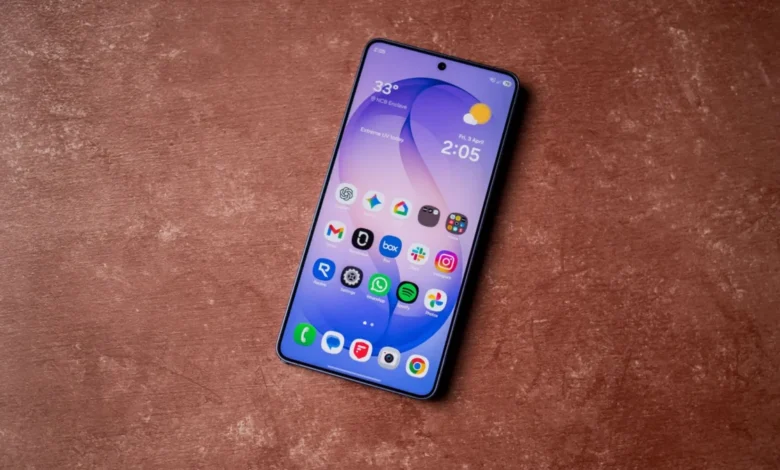
The deployment of major software updates is frequently touted by manufacturers as a milestone achievement, promising enhanced performance, fortified security, and a suite of innovative features. However, the rollout of Samsung’s One UI 9—built upon the Android 17 framework—has transformed from an anticipated upgrade into a software nightmare for a subset of users. Owners of the flagship Samsung Galaxy S26 Ultra, alongside individuals utilizing other high-end models like the Galaxy S24 series, are encountering severe, system-breaking bugs that render their devices temporarily unusable.
Reports surfacing from official Samsung community forums in South Korea, alongside extensive discussions on Reddit and various technology tracking platforms, highlight a critical error sequence. Affected devices are greeted with persistent black screens, unresponsive home interfaces, and an unyielding error message declaring that "The webpage is unavailable" due to specific system-level failures. For users who rely on their smartphones as indispensable tools for daily communication, commerce, and navigation, these software anomalies represent an unacceptable disruption, calling into question the efficacy of contemporary mobile operating system deployment strategies.
Anatomy of the One UI 9 Glitch: Webview and Connectivity Conflicts
The root cause of the primary error plaguing Galaxy S26 Ultra users has been isolated to a conflict involving system components and network stability. According to technical assessments shared by Samsung’s internal development teams in response to community tickets, the catastrophic freezing and black screen loops occur when the device attempts to process an unstable system Android WebView implementation over specific network configurations during the initial boot and setup sequence following the One UI 9 installation.
Android WebView is a crucial system component powered by Chrome that allows Android apps to display web content directly inside the application interface. When the major OS upgrade installs, background services initialize web-based sign-in portals—such as the Samsung Account verification screen—utilizing WebView. If the network handshake fails or encounters interference while the WebView component is unstable, the system enters an infinite error loop, failing to load the necessary graphical shell and leaving the user stranded on a black screen devoid of a functioning home launcher or status bar.
Samsung’s development division was quick to publish a temporary troubleshooting protocol for affected users. The guidance advises individuals experiencing the boot loop to bypass cellular data connections entirely during startup, opting instead to connect to a stable Wi-Fi network. Additionally, users are instructed to update their browser applications, specifically Google Chrome, to the latest available version before attempting to log back into their primary Samsung Accounts. While this workaround has successfully restored functionality for a portion of the user base, it remains a reactive measure rather than a seamless out-of-the-box fix, leaving many consumers dissatisfied with the initial user experience of a top-tier flagship device.
A History of Delays and Cumulative Quality Control Concerns
The friction surrounding One UI 9 is particularly poignant given the arduous timeline leading up to its release. Samsung originally faced severe scrutiny from the global tech community due to repeated, unexpected delays in the international deployment schedule of the Android 17 update. Consumers and industry analysts alike noted that the extended development cycle was supposedly implemented by Samsung precisely to ensure a smoother, bug-free rollout.
Historically, major operating system upgrades—such as previous transitions from One UI 6 to 7 or One UI 7 to 8—have occasionally suffered from isolated performance hiccups or minor app incompatibilities. However, the severity of the bugs accompanying One UI 9 points to deeper systemic challenges within Samsung’s software quality assurance pipeline.
The timeline of consumer grievances began accumulating weeks prior to the WebView issue when early adopters on Reddit began reporting a separate, equally debilitating software glitch known as the "XML Access Denied" error. This specific defect paralyzed devices across the Galaxy S26 Ultra and Galaxy S24 lineups, completely locking users out of core device directories and freezing user interfaces instantly upon boot. To circumvent the XML Access Denied error, resourceful users had to resort to drastic physical interventions, such as ejecting their physical SIM cards entirely, or booting the smartphone into Safe Mode with all wireless connections manually severed.
Broad Rollout Scope and Affected Ecosystems
The software deployment schedule for One UI 9 commenced in late September, targeting the United States market first. T-Mobile customers were among the initial wave to receive the substantial firmware package—weighing in at approximately 4GB—on their Galaxy S26 series handsets. Shortly thereafter, the update expanded to encompass unlocked variants, competing carrier networks, and older flagship iterations, including the Galaxy S25 and Galaxy S24 product families, as well as select mid-range and budget offerings.
Because the update has now saturated millions of devices globally, even a small percentage of hardware experiencing critical failures translates to tens of thousands of frustrated consumers. While the WebView bug and the XML Access Denied error do not universally affect every device upgraded to One UI 9, their mere existence across multiple hardware generations indicates that the underlying codebase contains foundational vulnerabilities that escaped detection during pre-release beta testing phases.
Implications for Samsung’s Market Position and Software Reputation
In the ultra-competitive premium smartphone market, hardware specifications alone are no longer sufficient to guarantee consumer loyalty. Companies like Samsung and Apple are increasingly judged by the longevity, reliability, and polish of their software ecosystems. Samsung has made significant strides in recent years by promising up to seven years of major operating system and security updates for its flagship devices, a policy that positioned the brand as an industry leader in software support longevity.
However, incidents like the troubled One UI 9 rollout threaten to undermine consumer confidence in that long-term support promise. If users must continually fear that downloading a major, company-sanctioned operating system update will brick their devices, trap them in endless error loops, or require advanced troubleshooting just to regain basic functionality, the perceived value of rapid update pacing diminishes rapidly.
Furthermore, these recurring software stumbles place an immense burden on customer service infrastructure, retail support centers, and online community moderators who must field thousands of complaints from users whose productivity has been abruptly halted. As consumers invest increasingly large sums of money into devices like the Galaxy S26 Ultra—often crossing the four-figure threshold—their tolerance for post-purchase software instability approaches zero.
Industry Outlook and Looking Forward
As of this writing, Samsung has not formally announced whether a comprehensive, patch-level firmware update will be pushed globally to permanently squash the WebView startup bug and the XML access conflicts at the source code level. While workaround guides provided by technical support teams offer a bridge for currently affected users, standard consumers should not be expected to execute complex network isolation techniques or safe-mode boot sequences to make a flagship smartphone operational after an official system update.
Industry watchers and Android developers alike will be closely monitoring Samsung’s next software maintenance release. The company must demonstrate a rigorous commitment to quality control and accelerated patch deployment to restore faith in its One UI development pipeline. Until a definitive, automated fix is delivered over the air to all active devices, the rollout of One UI 9 will likely be remembered not for its advanced features or performance enhancements, but as a cautionary tale of the hidden pitfalls inherent in modern mobile operating system scaling.