The release of Apple’s latest wearable technology lineup has arrived, and with it comes a series of early promotional pricing strategies from major retailers. Only one day following the official retail launch of the Apple Watch Ultra 4, Amazon has initiated a series of aggressive discounts on the flagship device. This move signals a departure from the traditional pricing stability often seen during the initial launch phase of Apple’s premium hardware, suggesting a highly competitive environment for wearable technology in the fall of 2026.
The Scope of the Apple Watch Ultra 4 Promotions
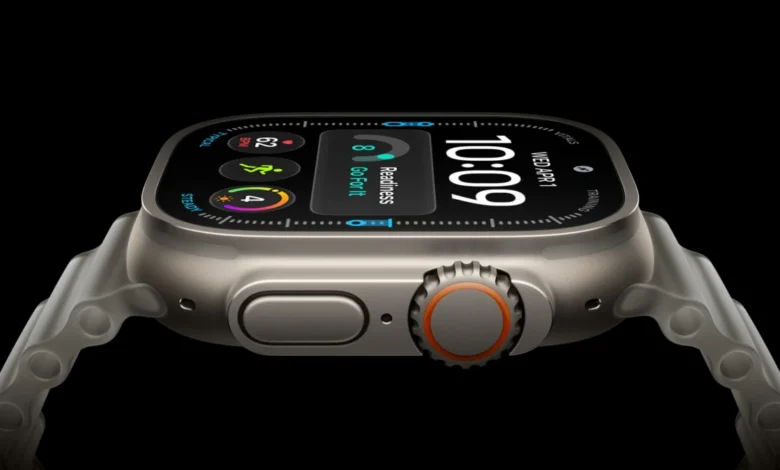
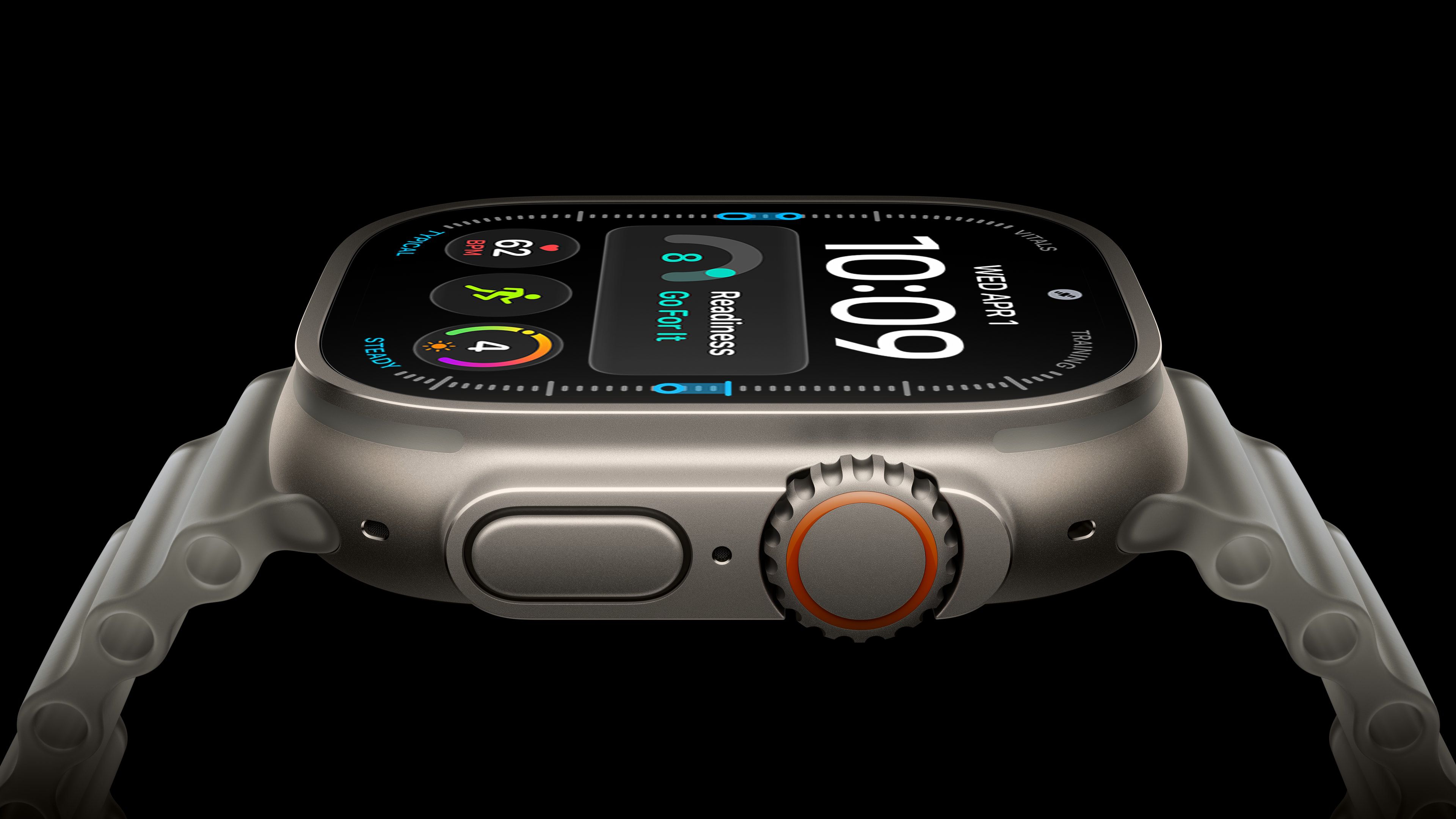
As of September 19, 2026, consumers can secure the Apple Watch Ultra 4 in the Natural titanium finish paired with a Translucent Gray Ocean Band for $779.99, representing a $19.01 reduction from the standard retail price of $799.00. While the discount may appear modest, its occurrence less than 24 hours after the device’s public availability is noteworthy for early adopters.
The promotion extends across several popular configurations. Beyond the Ocean Band variant, Amazon is offering matching price cuts on the Natural model equipped with the Sand Trail Loop (M/L) and the Natural model featuring the Desert Alpine Loop (Large). By targeting these specific, high-demand band configurations, the retailer is effectively incentivizing the entry-level tier of the premium Ultra segment, likely aiming to capture the interest of consumers who were previously hesitant due to the high price point.
Apple Watch Series 12 Market Adjustments
The discount strategy is not limited to the top-tier Ultra line. The Apple Watch Series 12, which serves as the cornerstone of Apple’s mainstream wearable strategy for the 2026 fiscal year, has also seen immediate price adjustments. The 42mm GPS model is currently listed at $389.99, while the larger 46mm GPS model has been marked down to $439.99. These represent $9 discounts—a subtle but symbolic gesture that positions the Series 12 as a more accessible option compared to its predecessor at launch.
The strategy behind these markdowns reflects a broader retail trend in the electronics sector: using marginal price drops to drive volume during the critical "launch window," a period that typically sees the highest volume of consumer searches and intent-to-purchase behavior.
Chronology of the 2026 Wearable Launch Cycle
To understand the significance of these discounts, one must look at the timeline of the 2026 product rollout. Following Apple’s late-summer event, the company initiated pre-orders for the flagship iPhone 18 series, which created a ripple effect across the entire accessory ecosystem.
- Early September 2026: Apple hosts its primary product keynote, unveiling the iPhone 18 Pro, the iPhone Duo, the Mac mini (featuring M5 Pro and M6 chip architecture), and the next generation of Apple Watches.
- September 10, 2026: Official pre-order window opens for the iPhone 18 lineup, accompanied by a surge in demand for protective peripherals, including cases and screen protectors from third-party manufacturers.
- September 12, 2026: Major telecommunications carriers in the United States announce competitive trade-in and financing incentives for the iPhone 18 series, complicating the consumer landscape for those looking to upgrade their entire tech suite.
- September 18, 2026: The Apple Watch Ultra 4 and Apple Watch Series 12 officially hit store shelves, marking the commencement of general availability.
- September 19, 2026: Amazon initiates the first series of retail discounts on the new watch hardware, providing a price-match incentive for users who have not yet committed to a purchase.
Contextualizing the Pricing Strategy
The decision to discount the Apple Watch Ultra 4 so soon after its release can be analyzed through the lens of market saturation. The Ultra line occupies a niche but lucrative segment of the market, competing not only with other smartwatches but also with specialized GPS and fitness trackers from brands like Garmin and Suunto. By lowering the entry price, Apple and its retail partners are effectively lowering the "barrier to entry" for performance-focused users who demand the extended battery life and robust titanium casing inherent to the Ultra design.
Furthermore, the simultaneous discounting of the Series 12 suggests that Apple is attempting to clear the inventory backlog while maintaining high sell-through rates. Historical data from previous years indicates that retail partners often coordinate these promotions with Apple to ensure that the "launch momentum" does not stall after the initial wave of pre-orders.
Broader Implications for the Wearable Market
The rapid price erosion of new hardware has significant implications for consumer sentiment. For the average buyer, the knowledge that a discount is available within 24 hours of launch may change purchasing habits. Consumers are increasingly conditioned to wait for the first "post-launch dip," which often happens within the first 48 to 72 hours of product availability.
From an economic perspective, this trend reflects a shift in how retailers value the "early adopter." Historically, early adopters paid a premium for the privilege of being first. Today, the competitive nature of online marketplaces means that retailers are willing to sacrifice a portion of their margin to become the preferred destination for these high-value transactions. This, in turn, keeps Apple’s ecosystem growth metrics high, as the total cost of ownership for a full Apple suite (iPhone, Watch, and Mac) remains a focal point for the company’s quarterly earnings reports.
Analyzing the Competitive Landscape
The 2026 wearable market is arguably the most crowded it has ever been. With the integration of advanced health-monitoring sensors and deeper AI-driven health analytics, the Apple Watch Series 12 and Ultra 4 are positioned as essential health tools rather than mere accessories.
The fact that these devices are being discounted immediately suggests that while demand is high, it is also highly price-sensitive. Analysts tracking the tech sector have noted that the 2026 product cycle is characterized by "value-conscious upgrading." Consumers are holding onto their devices for longer periods—often three to four years—meaning that when they do finally upgrade, they are looking for clear value propositions. A $20 discount on a $799 device, while small, provides the psychological "win" required to nudge a consumer from the "consideration" phase to the "checkout" phase.
Looking Ahead: The Remainder of the 2026 Season
As we move into the final quarter of 2026, the retail landscape is expected to become even more aggressive. With the Mac mini (M5 Pro/M6) slated for an official release on September 22, 2026, consumers are already seeing pre-order discounts emerging across various online storefronts. This suggests that the remainder of the year will be defined by "evergreen" promotions.
For those who missed the initial pre-order window, the current landscape offers a rare opportunity to acquire the latest technology at a slight reduction. However, industry experts caution that these early discounts may be limited by stock availability. As the supply chain continues to stabilize following the initial launch, inventory levels for the most popular configurations—such as the Natural titanium Ultra 4—may fluctuate.
Conclusion and Recommendations for Consumers
For prospective buyers, the current pricing environment at Amazon serves as a baseline for what to expect in the coming weeks. While it is unlikely that these prices will drop precipitously in the immediate future, they do represent a stable entry point for those looking to upgrade.
Consumers are encouraged to monitor authorized retailers and official carrier offers, as these may provide additional value in the form of trade-in credits or bundled services. As with any major technology purchase, it is recommended that buyers evaluate the specific features of the Series 12 versus the Ultra 4 to ensure the chosen device aligns with their specific use case—whether that be daily health tracking or high-intensity endurance training.
The landscape of 2026 consumer electronics is one defined by rapid adaptation and competitive pricing. Whether this trend of immediate post-launch discounting continues into the 2027 cycle remains to be seen, but for now, the consumer is the primary beneficiary of this retail-led pricing war. As always, staying informed via curated deal roundups and official manufacturer disclosures will remain the most effective strategy for those looking to maximize the value of their next technology investment.