The Legal Entanglements of Andrew and Tristan Tate: A Comprehensive Analysis of Their Ongoing Romanian Criminal Case

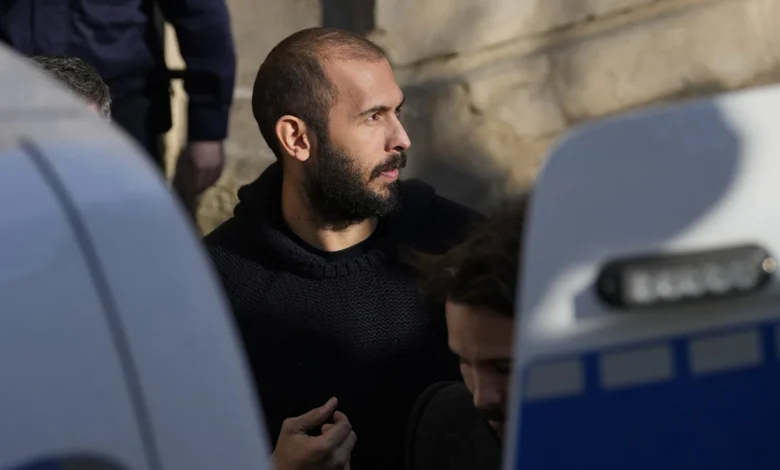
In late March, the Romanian justice system transitioned influencer Andrew Tate and his brother, Tristan, from the harsh confines of a central detention facility to house arrest. The move followed their initial arrest on December 29, 2022, on serious allegations of organized crime, human trafficking, and the formation of a criminal group. Alongside the brothers, two alleged associates, Georgiana Naghel and Luana Radu, were granted the same custodial status. While the move from a jail cell to a private compound represents a procedural shift, legal analysts and officials within the Romanian prosecutor’s office suggest that the brothers’ conduct during their detention may have significantly exacerbated their legal vulnerability as the case approaches a projected trial date in late April.
A Chronology of the Investigation
The legal saga began in earnest late last year when Romanian authorities, specifically the Directorate for Investigating Organized Crime and Terrorism (DIICOT), moved to detain the Tate brothers. The investigation centers on allegations that the suspects recruited women through the "loverboy" method—a technique involving the feigning of romantic intentions to manipulate victims into exploitative situations.
The chronology of the case highlights a persistent tension between the defense’s narrative and the prosecution’s evidence:
- December 29, 2022: Andrew and Tristan Tate, along with Naghel and Radu, are taken into custody in Bucharest.
- February 2023: Judicial papers reveal that prosecutors denied bail requests, citing the brothers’ potential to flee, their influence on witnesses, and the perceived danger they posed to public order.
- March 2023: The brothers attempt to appeal their detention status. During this period, wiretaps allegedly capture Andrew Tate discussing plans to flee to Dubai under the guise of medical treatment.
- March 31, 2023: An appeals court grants the request for house arrest, a decision that reportedly caused significant concern among judicial officials regarding the potential for ongoing witness tampering.
Allegations of Witness Tampering and Procedural Interference
The prosecution’s case has been bolstered by what authorities describe as a systemic attempt to subvert the judicial process. Court documents obtained through freedom of information requests detail a pattern of behavior that suggests the defendants viewed the legal system as an obstacle to be bypassed rather than a forum for resolution.
Among the most damning allegations is the claim that the Tate brothers orchestrated efforts to pressure victims into retracting their testimonies. Prosecutors allege that the brothers utilized their massive social media following to exert psychological pressure on those who had provided statements to the police. This strategy reportedly included both direct intimidation and the use of third parties.
Furthermore, the involvement of Luana Radu—a former police officer—has raised serious alarms. Prosecutors allege that between April and December 2022, Radu leveraged her background to gain unauthorized access to classified police databases. The judge presiding over the February hearings noted that such access would have been virtually impossible without external support, suggesting a deeper network of influence that the prosecution is now investigating as part of a broader criminal scope.
The Dubai Escape Narrative
A central point of contention in the detention hearings was the Tates’ alleged plan to abscond to the United Arab Emirates. Wiretap evidence cited by Romanian judges indicates that Andrew Tate explicitly discussed relocating to Dubai, citing medical issues as a justification.
The defense team has consistently pushed back against these claims. In early March, a representative claimed Andrew had a dark spot on his lung that was "most likely a tumor," though Andrew later clarified on social media that the issue was merely "scarring from an old battle." Romanian authorities remain unconvinced by these explanations, viewing the medical narrative as a calculated pretext to reach a jurisdiction that lacks an extradition treaty with Romania. Despite these efforts, the court denied all requests for international travel, maintaining that the flight risk was high.
Legal Implications and Judicial Sentiment
The behavior of the accused while in detention has created a palpable "irritation" among the judiciary. Mihai Mareș, a criminal defense lawyer and lecturer at the Alexandru Ioan Cuza University of Iași, notes that the defendants’ conduct has effectively compromised their standing before the court. "Any subsequent statements they may give will be viewed with a certain amount of skepticism by the judicial bodies," Mareș observed.
This skepticism is not merely theoretical. In the February 21 summary of the court session, the judge explicitly referenced "new reasons" for keeping the brothers in custody, highlighting their attempts to influence victims and their preparation to evade investigation. Such findings are critical because, in the Romanian legal system, the judge’s assessment of a defendant’s character and compliance—or lack thereof—can play a significant role in sentencing considerations should a conviction be secured.
The Role of External Influence and Political Outreach
Prosecutors have also investigated attempts by the Tate team to engage with high-profile, right-wing Romanian politicians, including George Simion and Diana Șoșoacă. Wiretaps allegedly show Andrew Tate instructing an assistant to solicit their support, promising "rewards" for those who helped them tell their version of the truth. While both politicians reportedly refused to involve themselves in the case, the attempt underscores the prosecution’s theory that the brothers were actively seeking to politicize a criminal matter to gain leverage.
The implications of these actions are severe. Legal experts suggest that if the defense’s actions—such as the cease-and-desist letters sent by a US law firm to a witness in Florida—are interpreted by the court as a form of witness tampering, it could lead to the opening of entirely new criminal investigations. Such a development would likely delay the trial and complicate the defense strategy, as the focus would shift from the original charges to the obstruction of justice.
Broader Impact on the Case
The shift to house arrest does not equate to an acquittal. The Tates remain under constant surveillance at their compound north of Bucharest. The prosecution continues to gather evidence, including unresolved complaints of violence and abuse that predate the current case. These prior complaints, which had reportedly stalled, are now being re-examined to establish a pattern of behavior.
As the case approaches its trial phase, the Tates find themselves in a precarious position. While their legal team, led by figures like Eugen Vidineac, continues to frame the charges as a result of a biased investigation, the documented attempts to influence the judiciary, manipulate witnesses, and secure an escape route have arguably created a more hostile environment for the defense.
The case of the Tate brothers has become a high-stakes test for the Romanian legal system. It is a collision between a high-profile, internet-driven influencer culture and the rigid requirements of criminal procedure. As prosecutors continue to present evidence of alleged intimidation and procedural subversion, the final outcome will hinge not just on the original accusations of human trafficking, but on the cumulative impact of the defendants’ actions while awaiting their day in court. The coming weeks, as the trial begins, will reveal whether the brothers’ strategy of confrontation and external pressure has succeeded in eroding the prosecution’s case, or if it has served only to deepen the legal jeopardy they now face.