Navigating the Digital Landscape: Comprehensive Analysis of Facebook Ad Tools and Automation Software in 2026


The digital advertising ecosystem has undergone a massive structural shift, forcing marketing teams to radically reevaluate how they build, manage, and scale paid campaigns across social media networks. With end-to-end artificial intelligence campaigns hitting a staggering $60 billion annual run rate, the modern media buyer faces a vastly different reality than they did just a few years ago. Stricter privacy regulations have complicated data attribution, ad delivery has become increasingly automated, and brands are routinely expected to manage omnichannel operations across multiple platforms simultaneously. To maintain a competitive edge without inflating departmental headcounts, marketing professionals are turning to a specialized suite of software platforms known broadly as Facebook ad tools.

Understanding the Mechanics of Modern Advertising Software
Facebook ad tools encompass a diverse category of software platforms designed to assist organizations in creating, managing, optimizing, reporting on, and scaling advertising campaigns across Meta’s extensive ecosystem—including Facebook, Instagram, Messenger, and WhatsApp. These solutions generally fall into two distinct buckets: native applications developed internally by Meta, such as Ads Manager and the public Ad Library, and third-party SaaS platforms that integrate via Meta’s secure application programming interface (API) to supply advanced capabilities that native dashboards often lack.

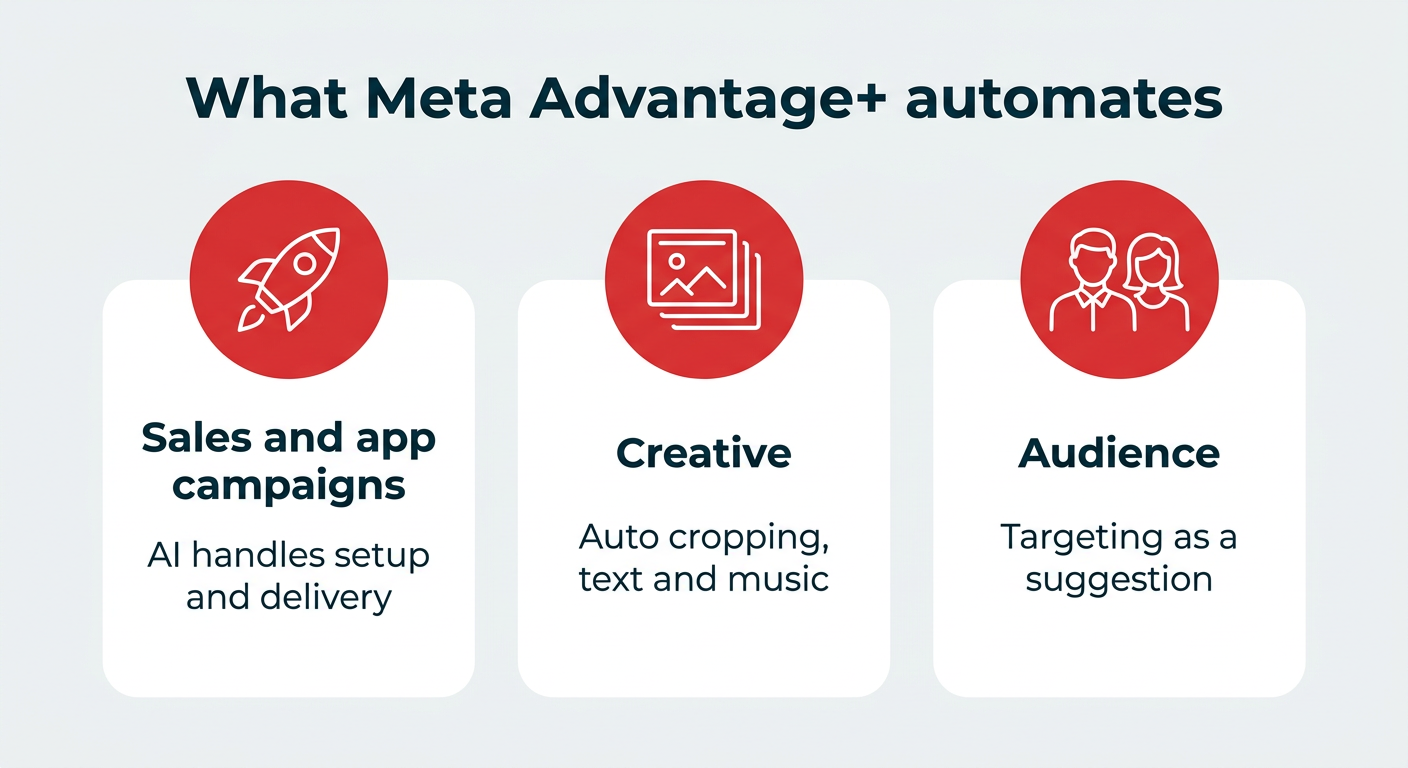
The necessity for these tools has escalated due to the convergence of artificial intelligence and automation. Meta’s proprietary Advantage+ suite, for instance, has transitioned from an experimental feature set to an indispensable baseline for media buyers. Platforms utilizing generative AI features have demonstrated measurable advantages, including an average 11% higher click-through rate compared to traditional manual configurations. Consequently, brands are no longer just buying media space; they are investing in orchestration tools designed to manage complex algorithmic delivery.
Categorizing the Ecosystem: Optimization, Reporting, and Creative Automation
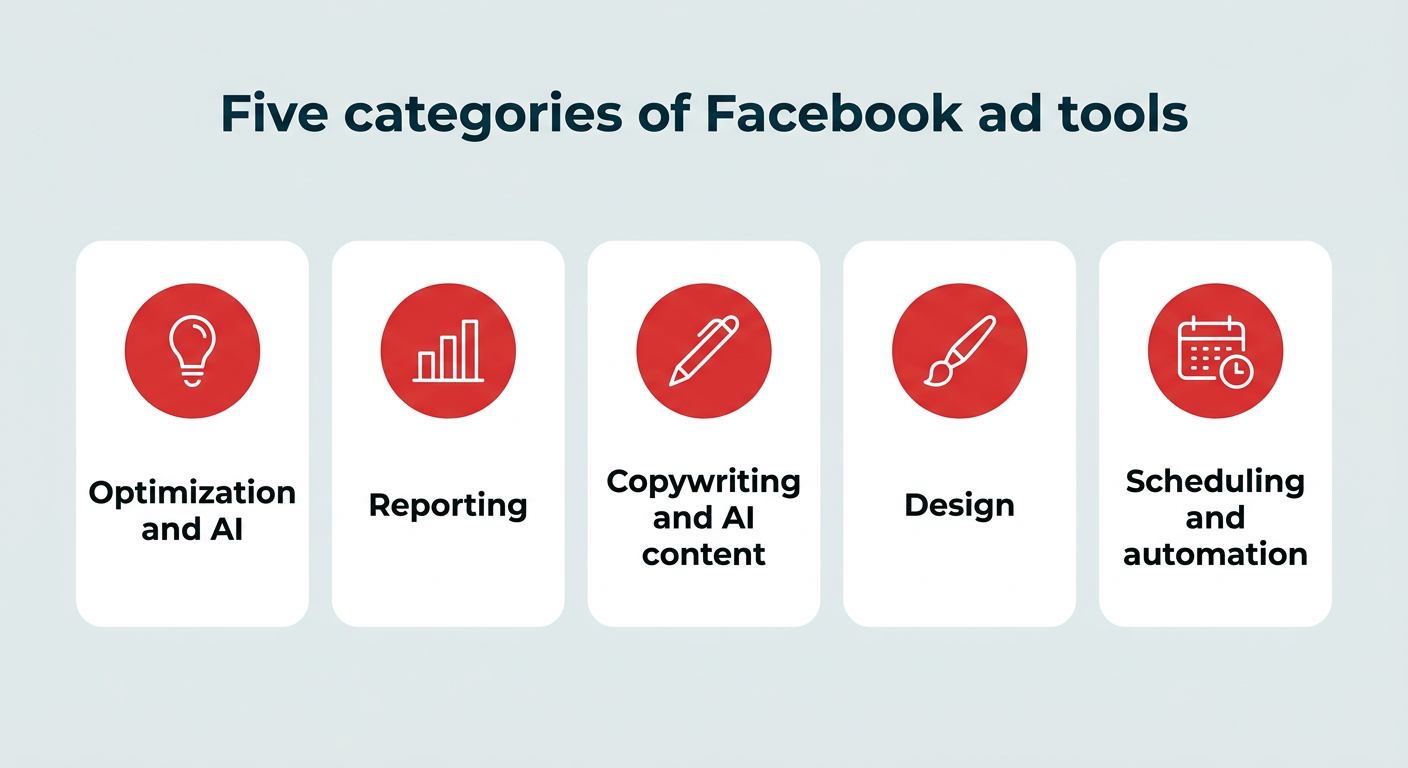
To make informed purchasing decisions, marketing leaders typically segment the software marketplace into four primary functional pillars: optimization and AI tools, multi-source reporting utilities, copywriting and content generators, and design automation platforms. By diagnosing specific workflow bottlenecks rather than shopping strictly by feature lists, organizations can avoid redundant subscriptions and streamline their daily operations.
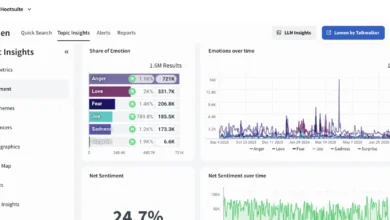
Optimization and AI-driven platforms sit at the center of modern campaign management. Meta Ads Manager remains the foundational, free-to-use portal for all native campaign deployment. It grants direct access to the Advantage+ suite, allowing algorithms to shoulder heavy lifting in audience expansion, placement optimization, and dynamic creative enhancement. Complementing native systems are enterprise-grade third-party operators like Hootsuite Social OS, which bridges the historical gap between paid advertising and organic social media publishing. By centralizing operations, platforms like Hootsuite permit marketing managers to evaluate comprehensive return on investment (ROI) across paid and organic channels from a single dashboard, eliminating the inefficiency of cross-tab toggling.
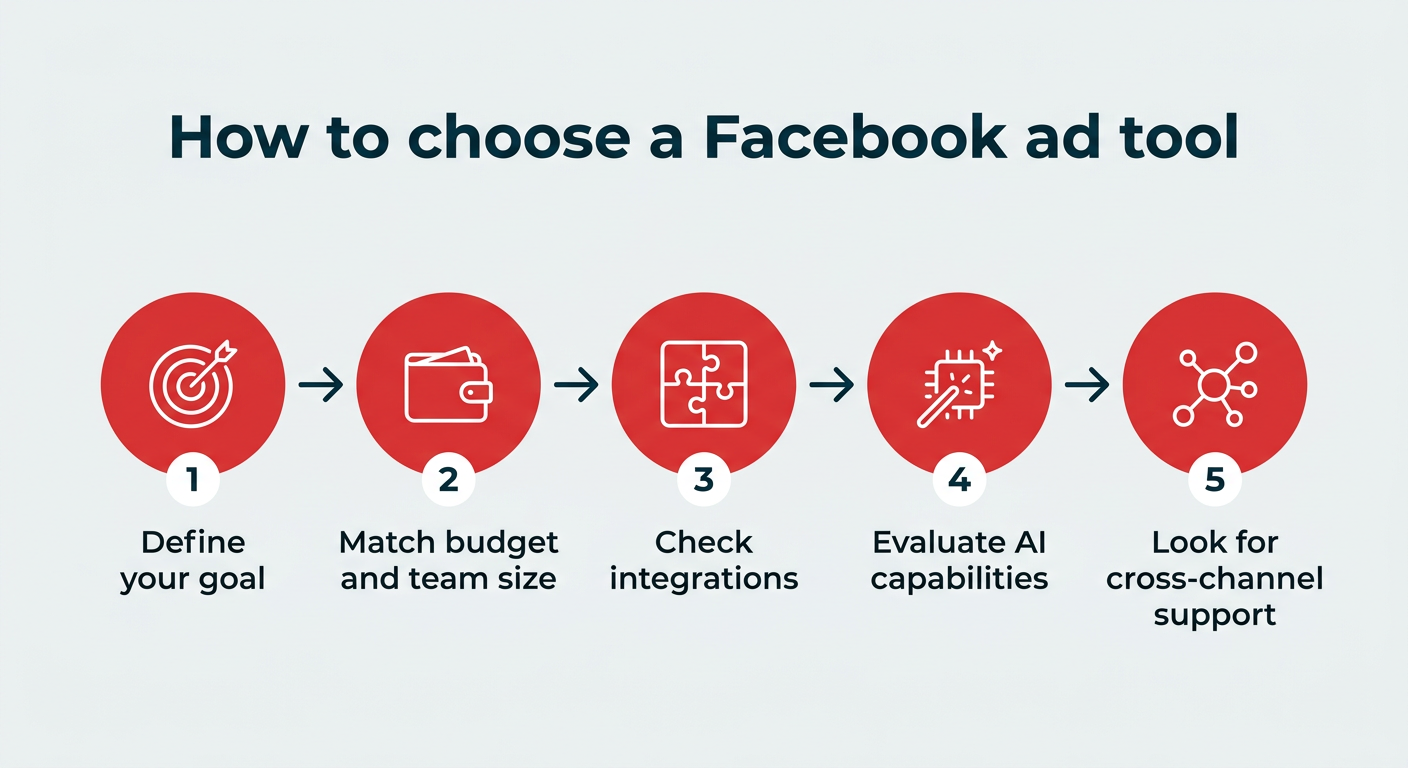
Advanced performance optimization can also be driven by specialized utilities such as Madgicx, which reviews ad accounts to deliver real-time, AI-backed action recommendations. Meanwhile, tools like Customers.ai assist brands in identifying website visitors to build privacy-compliant retargeting segments, though digital legal teams are consistently urged to verify local compliance regarding shifting data privacy standards. On the creative front, platforms like AdCreative.ai and Smartly.io allow performance marketers to generate and score high volumes of visual assets before capital is deployed, ensuring brands maintain consistency and fresh creative variations at scale.
Data Aggregation and Cross-Channel Reporting
As enterprise marketing budgets disperse across Google, Meta, LinkedIn, and emerging social channels, isolated reporting has become a critical vulnerability. Native metrics within individual ad managers often fail to paint a holistic picture of customer journeys. To counteract this, reporting and data-modeling platforms have emerged as essential enterprise infrastructure.
TapClicks and Funnel serve as prime examples of advanced reporting solutions designed to normalize mismatched field names and aggregate disparate data sources. Funnel, starting at $300 per month, specializes in flexible cross-platform data modeling, enabling data analysts to clean, structure, and route performance metrics into executive dashboards. Similarly, TapClicks allows agencies and large internal marketing departments to track custom key performance indicators (KPIs) and export branded reports automatically. These reporting layers ensure that stakeholders can evaluate campaign momentum mid-flight and reallocate budgets dynamically before capital is exhausted.

Copywriting, Content Generation, and Ad Design
The velocity required to sustain modern performance marketing campaigns demands robust content creation infrastructure. Blank-page syndrome can severely stall campaign deployment. To mitigate this, artificial intelligence has fundamentally transformed copywriting and visual asset generation.

Wisdom by Hootsuite acts as an intelligent content layer tailored specifically for social media management. By drawing upon extensive industry data, Wisdom enables marketers to draft original ad copy, brainstorm campaign angles, and seamlessly repurpose top-performing organic posts into high-impact advertisements. General-purpose generative tools like OpenAI’s ChatGPT similarly assist teams in rapidly drafting multiple copy variations for A/B testing.
In the realm of design, the Facebook Ad Library serves as an invaluable, free resource for competitive intelligence. Media buyers frequently utilize the searchable database to audit competitor creative strategies and research historical ad performance. For actual asset creation, Canva remains an industry standard, utilized by over 260 million monthly active users. Its Magic Studio features allow teams to generate imagery from text prompts, remove backgrounds, and utilize Magic Resize to instantly adapt a single creative asset across every required Facebook and Instagram placement dimension.

Automation and Scheduling Infrastructure
Efficiency in media buying is heavily dictated by how well repetitive, rule-based tasks can be automated. Enterprise advertisers frequently deploy dedicated scheduling and automation tools to protect ad spend from unexpected market anomalies or audience fatigue.

RevealBot empowers experienced media buyers to establish highly customizable, conditional automation rules. For instance, campaigns can be programmed to scale budgets upward only when specific performance thresholds are met, or pause immediately if cost-per-acquisition metrics breach acceptable limits. Similarly, Adzooma provides cross-network automation alerts, flagging optimization opportunities across both Meta and Microsoft or Google ad accounts. These systems function essentially as automated safety nets, safeguarding marketing budgets outside of standard business hours.
Strategic Implications and the Future of Social Advertising

The proliferation of sophisticated Facebook ad tools underscores a broader philosophical shift in digital marketing: brute-force media spending is rapidly being replaced by algorithmic precision and workflow efficiency. As generative AI assumes responsibility for routine targeting and creative variation, the human element of marketing is shifting toward high-level strategy, creative direction, and cross-channel data interpretation.
Organizations that successfully consolidate their tech stacks—leveraging unified platforms to govern both organic and paid initiatives—position themselves to outmaneuver competitors weighed down by fragmented legacy systems. By reducing administrative friction, eliminating redundant software subscriptions, and embracing automated optimization, modern marketing teams can focus on what truly drives revenue: compelling storytelling, strategic audience engagement, and rigorous, transparent performance measurement.