The 2026 iPad Showdown: Choosing Between the Eighth-Generation iPad Mini and the iPad Air

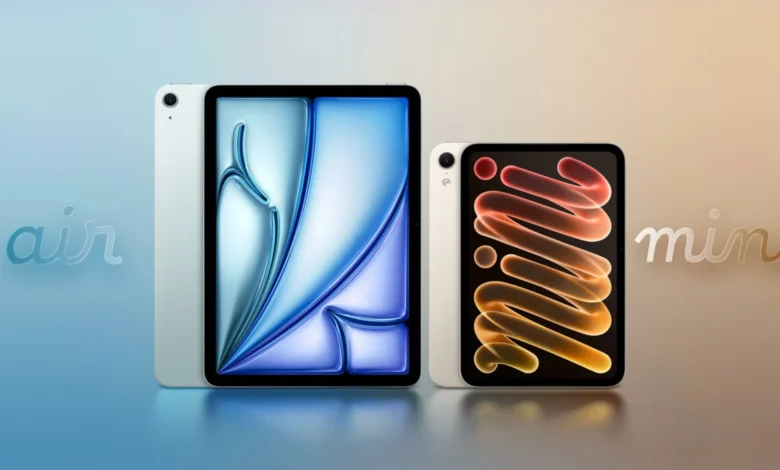
Apple’s tablet lineup underwent a significant transformation throughout 2026, leaving consumers with a complex decision as the company refreshed both the iPad Air and the iPad mini within months of one another. With a price gap of just $50 separating the entry-level models, the decision between the ultra-portable iPad mini and the productivity-focused iPad Air is no longer as straightforward as it once was. As the dust settles on the late-October launch of the eighth-generation iPad mini, potential buyers must weigh the technological leaps of the new mini against the established, albeit aging, architecture of the M4-powered iPad Air.
A Year of Rapid Iteration
The 2026 fiscal year saw Apple aggressively iterating on its hardware. The process began in March, when Apple unveiled the eighth-generation iPad Air. Positioned as the middle-ground solution for users who require more power than the base-model iPad but less professional complexity than the iPad Pro, the Air debuted with the high-performance M4 chip and 12GB of unified memory. It maintained its dual-size strategy, offering 11-inch and 13-inch configurations. However, a mid-year pricing adjustment in June saw the starting price for these models rise to $749 and $949, respectively, a move that recalibrated the value proposition of the entire ecosystem.
The landscape shifted again in October with the surprise announcement of the eighth-generation iPad mini. Unlike the Air, which largely retains a design language consistent with its predecessors, the new mini received a comprehensive overhaul. Featuring an 8.5-inch OLED display, a thinner and lighter chassis, and the A20 Pro chip, the device introduced features previously unseen in the smaller form factor, including an optional nano-texture finish and an innovative Acoustic Display audio system.
Comparative Hardware Specifications
To understand the divergence between these two product lines, one must look closely at the internal architecture. While the iPad Air relies on the M4 chip—a powerhouse designed for desktop-class performance—the iPad mini now utilizes the A20 Pro chip. In synthetic benchmarks, the M4 retains a clear advantage for sustained, heavy-duty multitasking, particularly in professional creative applications. However, the A20 Pro is optimized for the power-efficient, mobile-first experience of the mini, featuring a specialized configuration that includes up to 32 cores in the Neural Engine for the 512GB model.
Both devices now share 12GB of unified memory, a significant upgrade for the mini that allows it to handle the latest iPadOS features and complex multitasking scenarios that were previously restricted to the Pro or Air lines. Furthermore, both tablets now incorporate Apple’s N1 wireless chip, providing support for Wi-Fi 7, Bluetooth 6, and Thread networking, ensuring that both devices are future-proofed for the next generation of smart home and connectivity standards.
Despite these similarities, the display technologies remain worlds apart. The iPad mini’s transition to a Super Retina XDR OLED panel offers a contrast ratio of 2,000,000:1 and a peak HDR brightness of 1,200 nits. In contrast, the iPad Air continues to utilize Liquid Retina LED-backlit technology. While the Air offers more screen real estate, it lacks the deep blacks and color accuracy afforded by the OLED implementation in the mini. Notably, both devices omit ProMotion, leaving a feature gap that remains reserved for the high-end iPad Pro series.
Physical Dimensions and Ergonomics
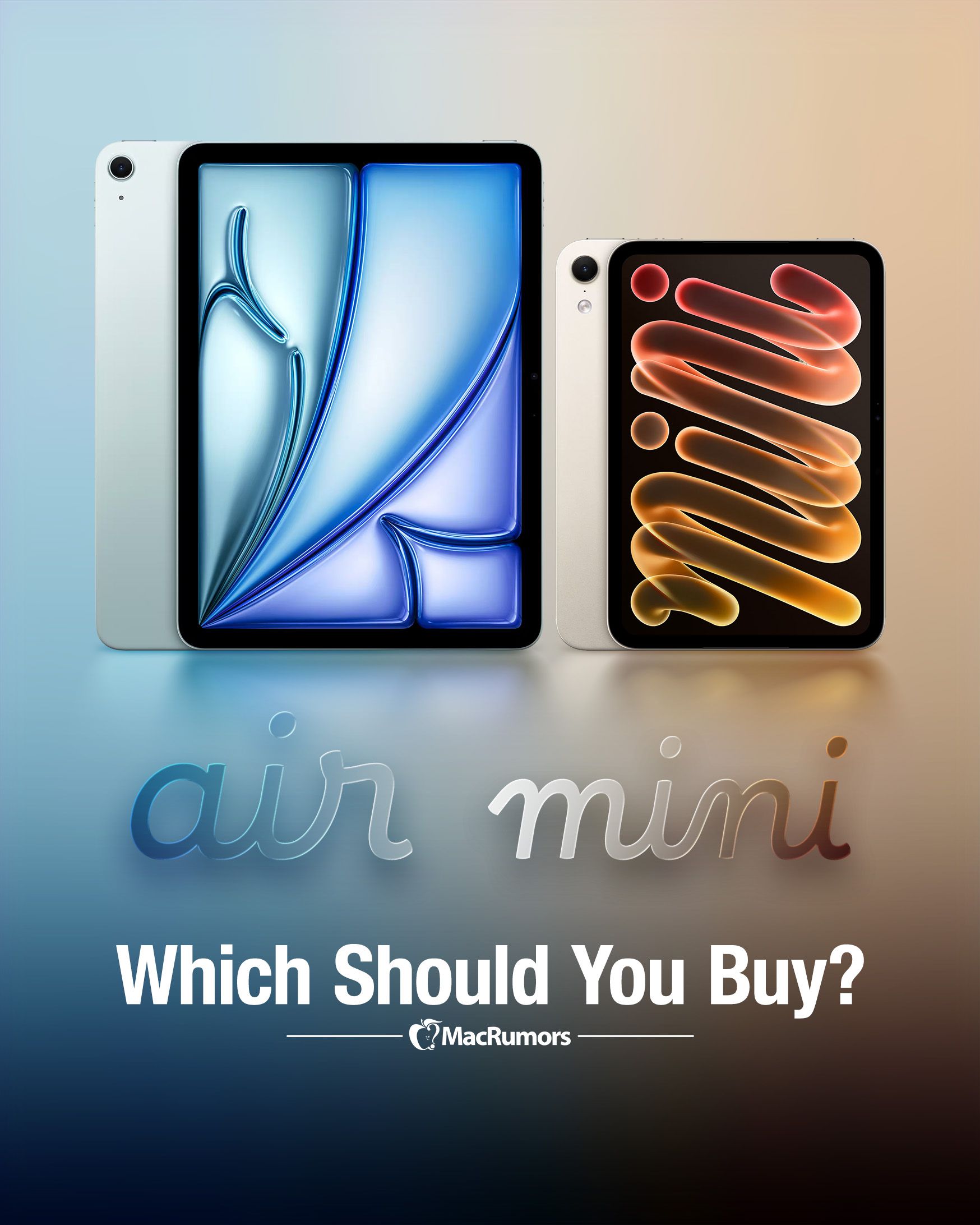
The most immediate difference for the end user is portability. The iPad mini is designed for a handheld, "anywhere" experience. Weighing only 255 grams (0.56 pounds) for the Wi-Fi model, it is less than half the weight of the 11-inch iPad Air, which tips the scales at 464 grams (1.02 pounds). The thickness of the mini has been reduced to 5.4 mm, compared to the 6.1 mm of the Air models.
These dimensions are not merely aesthetic; they dictate utility. The mini is engineered to be a companion device—a digital notebook, a handheld gaming console, or an e-reader that can be slipped into a jacket pocket or a small bag. The iPad Air, conversely, is built to be a primary productivity device. Its dimensions are optimized for the Magic Keyboard and the Smart Connector, creating a stable, lap-friendly workstation that the mini simply cannot replicate with its dependence on Bluetooth-connected peripherals.
Implications of the Strategic Divergence
The current state of the iPad lineup suggests a divergence in target demographics. Apple’s decision to load the iPad mini with cutting-edge features—such as IP67 water and dust resistance, an adaptive True Tone rear flash, and an advanced modem—while keeping the price at a sub-$700 entry point, indicates a strategy to dominate the "handheld" category. By contrast, the iPad Air feels like a legacy product currently awaiting its next major design refresh.
Industry analysts suggest that this strategy serves to protect the iPad Pro’s market share while pushing the iPad mini as the quintessential secondary device. Because the Air is currently in an "in-between" stage—featuring the powerful M4 chip but lacking the modern OLED panels and chassis refinements found in the mini—it currently faces a difficult positioning. Users who prioritize a large screen for keyboard-heavy workflows will still find the 13-inch Air indispensable, but the 11-inch model is currently caught in a squeeze between the high-value, feature-rich mini and the looming anticipation of a redesigned, OLED-equipped Air.
Official Positioning and Market Response
While Apple has not provided a direct statement regarding the overlap, the company’s marketing literature emphasizes "use case" over "spec-matching." For the iPad mini, the messaging centers on mobility, gaming, and the "Acoustic Display" technology. For the iPad Air, the messaging remains anchored to "productivity" and "desktop-class performance."
Market data indicates that the release of the OLED mini has spurred significant interest among long-time Apple users who had been waiting for a meaningful upgrade to the smaller tablet. Conversely, sales of the 11-inch iPad Air have seen a stabilization period, with many potential buyers opting to wait for the anticipated 2027 refresh. This "wait-and-see" approach is bolstered by credible industry reports that suggest the next iteration of the iPad Air will bridge the feature gap by adopting the OLED display technology currently proving popular in the mini.
Recommendations for Prospective Buyers
Deciding between these two devices ultimately comes down to the user’s workflow. If the objective is to replace a laptop, the 11-inch or 13-inch iPad Air remains the superior choice due to its integration with the Magic Keyboard and its larger display, which is better suited for split-screen multitasking and document management. The extra screen area is a non-negotiable requirement for many professionals who rely on the iPad for content creation, drafting, and complex workflows that require multiple apps to be visible simultaneously.
However, for the vast majority of users who consume media, read, take handwritten notes, or engage in casual gaming, the eighth-generation iPad mini is the objectively superior value. Its portability, combined with the superior contrast and color depth of its OLED display and its overall build quality, makes it a more enjoyable and versatile device for daily life.
Prospective buyers currently eyeing the 11-inch iPad Air should exercise caution. With a new model expected in the first half of 2027—likely incorporating the OLED technology that currently sets the mini apart—purchasing the current Air model represents an investment in an older chassis. Unless there is an immediate, critical need for a larger screen and dedicated keyboard support, the most sensible path for a consumer in 2026 is to either embrace the new iPad mini or defer the iPad Air purchase until the next generation of hardware arrives.
In conclusion, the 2026 iPad lineup reflects a company in transition. By prioritizing the user experience of the iPad mini, Apple has set a new standard for what a tablet can be, forcing the iPad Air to rely on its size and power to remain relevant. As technology cycles continue to accelerate, the lines between these categories will only become more blurred, but for now, the choice is clear: choose the mini for the experience, or the Air for the office.