The rapid integration of generative artificial intelligence into digital marketing has transformed how social media content is produced, scaled, and distributed. Platforms like Instagram, owned by Meta, have welcomed this creative evolution while simultaneously facing mounting pressure from regulators, consumers, and advocacy groups to ensure digital transparency. Consequently, understanding what requires an artificial intelligence label and what does not has become a critical operational requirement for modern brands, social media managers, and independent creators.
Posting artificial intelligence-generated content on Instagram is no longer a violation of platform terms, but concealing its origin introduces substantial operational, legal, and reputational risks. As synthetic media becomes increasingly sophisticated—blurring the line between human-made and machine-generated assets—Meta has rolled out explicit labeling requirements and enforcement mechanisms. For marketing teams, mastering these rules is essential to maintaining audience loyalty, avoiding algorithmic penalties, and safeguarding brand equity across digital channels.

The Evolution of Meta’s AI Disclosure Mandates
The implementation of Instagram’s artificial intelligence disclosure policy did not happen overnight; it represents the culmination of a broader industry-wide push for digital authenticity. As tools capable of generating hyper-realistic video, spatial audio, and digital human avatars advanced through 2023 and 2024, platforms faced an influx of synthetic media. Concerns regarding misinformation, consumer deception, and intellectual property infringement prompted regulatory bodies worldwide to scrutinize digital alterations.
In response, Meta announced comprehensive labeling frameworks across its family of apps, including Facebook, Threads, and Instagram. Initially relying on hidden technical metadata—such as C2PA standards embedded by creative software—Meta expanded its system to include user-facing toggles. These controls empower creators to explicitly declare when realistic synthetic media is deployed. The policy aims to strike a delicate balance: fostering technological innovation and creative expression while protecting users from deceptive practices.
Deconstructing the Disclosure Policy: What Needs a Label and What Doesn’t
A common point of confusion among marketers is the distinction between content that legally or contractually demands manual disclosure and content that falls outside these parameters. Instagram’s guidelines do not blanket-ban synthetic assets, nor do they mandate labels for every minor algorithmic touch-up. Instead, the focus rests heavily on realistic audio-visual media and virtual identities.

According to Meta’s official guidelines, organic posts featuring realistic-looking videos or realistic-sounding audio that has been created or substantially altered using artificial intelligence must be explicitly labeled. This includes voice-cloning technology, realistic AI voiceovers, and videos depicting events or people in a fabricated manner. Conversely, AI-generated captions, textual scripts, and still images generally do not require manual labeling by the user, though Meta’s automated systems may still append an "AI info" tag if underlying metadata indicates algorithmic creation or editing.
To clarify these requirements, the following breakdown outlines specific content categories and their corresponding disclosure obligations:
- AI-generated or realistic modified videos: Mandatory manual label required.
- Audio tracks with AI vocals or realistic voiceovers: Mandatory manual label required.
- Virtual influencer or AI-generated human profiles: Mandatory profile-level label required.
- AI-generated still images: No manual label strictly required, though Meta may automatically tag them based on technical markers.
- AI-assisted captions and copywriting: No label required.
The Two Core Labeling Categories on Instagram
Instagram utilizes two distinct mechanisms for disclosing artificial intelligence integration, each serving a unique function within the user interface.

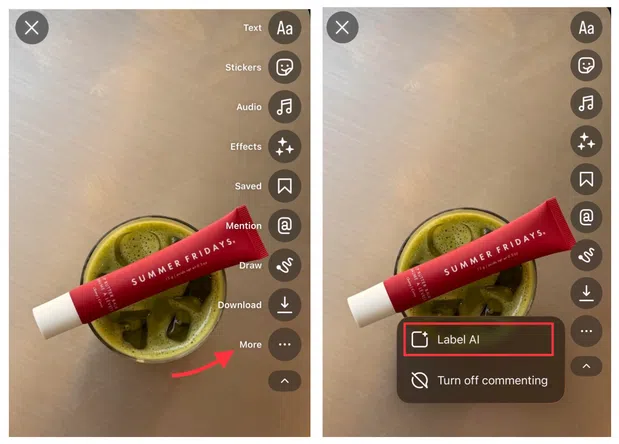
The first is the "AI info" label, which applies to individual posts, Reels, or Stories. This tag is manually activated by the creator prior to publishing or automatically attached by Meta’s detection algorithms when edited media is identified. It informs viewers that technological intervention shaped the asset they are consuming.
The second mechanism is the "AI-generated profile" label. This designation is engineered for accounts that represent virtual influencers, digital avatars, or fictional personas rather than living human beings. When enabled within profile settings, this label appears prominently on the profile page, adjacent to all associated content feeds, and next to comments and direct messages originating from the account. Failing to activate this setting for a synthetic persona can result in severe algorithmic suppression.
Implications for Brand Trust and Audience Loyalty
For commercial enterprises, compliance with Instagram’s artificial intelligence policy extends far beyond avoiding algorithmic penalties; it is a foundational pillar of brand reputation. Modern consumers exhibit heightened skepticism toward digital advertising and corporate messaging. When audiences discover retroactively that promotional materials or testimonials were artificially generated without transparency, trust erodes rapidly.

Industry experts emphasize that proactive disclosure can actually enhance brand perception. Creative directors note that in an era where consumers struggle to verify the authenticity of everyday digital media, radical honesty functions as a differentiator. Transparency communicates a level of respect for the audience, allowing consumers to evaluate and engage with content on their own terms. Conversely, hidden synthetic media often triggers widespread public backlash, damaging corporate credibility across all customer touchpoints.
Furthermore, regulated industries face severe compliance risks for non-disclosure. Financial services, healthcare, and heavily regulated consumer goods must align their social media strategies with external regulatory frameworks, such as Federal Trade Commission (FTC) guidelines concerning deceptive advertising, fake testimonials, and endorsements. Neglecting an artificial intelligence label in these sectors can precipitate formal regulatory investigations alongside reputational damage.
Algorithmic Reach and the Cost of Non-Compliance
Visibility on Instagram heavily relies on recommendation engines, such as the Explore page and Reels feed, which expose content to users who do not already follow an account. Content generated by or featuring artificial intelligence without proper labeling faces significant algorithmic friction.
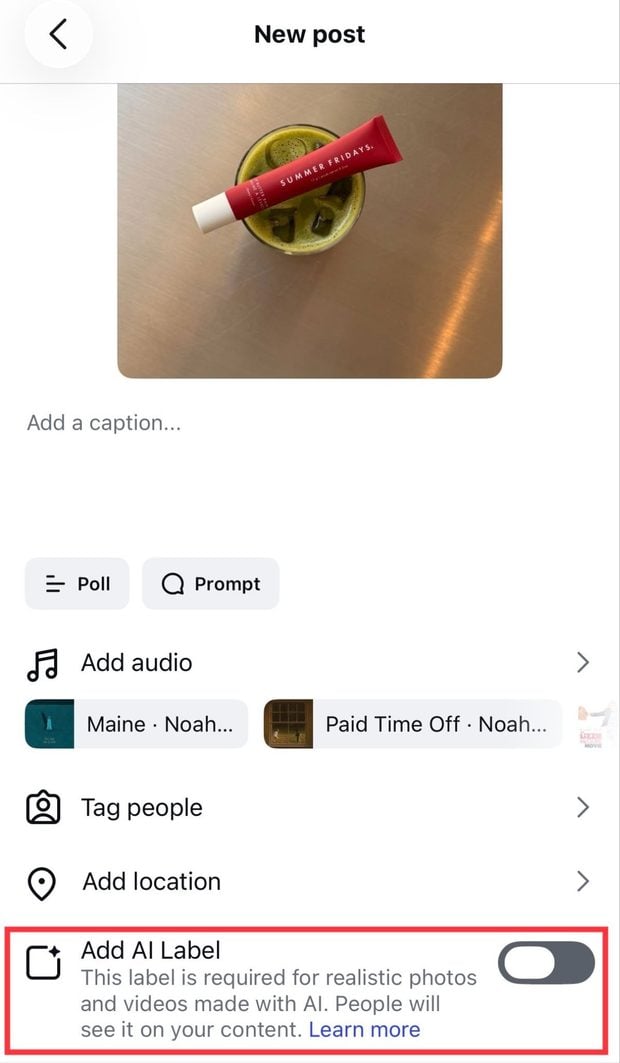
Meta’s enforcement strategy relies on a combination of automated detection and community reporting. If an unlabelled piece of realistic synthetic media is flagged by the platform’s systems, Meta may manually apply an appropriate label, reduce the post’s distribution across recommendation surfaces, or apply broader account-level visibility restrictions. For brands whose customer acquisition funnels depend on organic discovery, these algorithmic penalties can stifle digital marketing ROI.
Managing AI Disclosures Across Enterprise Workflows
As marketing operations scale, ensuring consistent compliance across internal teams, external agencies, and influencer partnerships becomes increasingly complex. Because third-party creators frequently utilize diverse technological stacks, brands can no longer assume that published assets are free of undisclosed synthetic elements.
To mitigate compliance risks, enterprise marketing departments are integrating standardized protocols into their content supply chains:
- Comprehensive Tool Auditing: Marketing teams must catalog every instance where artificial intelligence is utilized within their content creation workflows, identifying which specific assets trigger platform requirements.
- Influencer Contract Integration: Brand partnerships must explicitly require creators to disclose the use of realistic synthetic video or audio during the initial briefing stage, shifting accountability and ensuring pre-publication review.
- Approval Workflow Enhancements: Organizations are increasingly adopting centralized social media management platforms—such as Hootsuite’s suite of enterprise tools, including Perch and Vigil—to embed mandatory disclosure checklists into internal publishing calendars. These systems ensure that designated brand managers, legal counsels, and compliance officers review synthetic media before it reaches the public.
- Sentiment Monitoring: Utilizing social listening solutions like Lumen allows brands to track audience reactions, measure public sentiment regarding campaign execution, and quickly address any consumer confusion surrounding newly deployed digital assets.
Regulatory Context and the Broader Digital Landscape
Instagram’s policy is reflective of a global regulatory awakening. Legislative bodies across the European Union, the United States, and Asia are actively drafting comprehensive frameworks to govern artificial intelligence deployment. The European Union’s Artificial Intelligence Act, for instance, imposes strict transparency obligations on providers and deployers of deepfakes and generative systems, carrying substantial financial penalties for non-compliance.
Similarly, the United States Federal Trade Commission continues to aggressively target deceptive commercial practices, updating its enforcement priorities to encompass artificial intelligence-driven endorsements and fabricated consumer interactions. As international standards converge around mandatory disclosure, platforms like Instagram are positioning their policies to preempt more stringent legislative mandates.
Conclusion
The intersection of generative artificial intelligence and social media marketing offers unprecedented creative velocity, but it demands rigorous operational discipline. Instagram’s AI disclosure policy is not a temporary trend or a superficial feature; it is a permanent structural shift toward digital accountability.

For brands and creators, success in this new environment requires moving past the temptation to obscure synthetic media. By embedding transparent practices into standard operating procedures, utilizing robust approval workflows, and respecting audience intelligence, organizations can harness the full potential of artificial intelligence while preserving long-term trust, compliance, and algorithmic reach.