Exploring the Evolving Software Ecosystem of the iPhone Duo: A Look at the Latest Developer Innovations

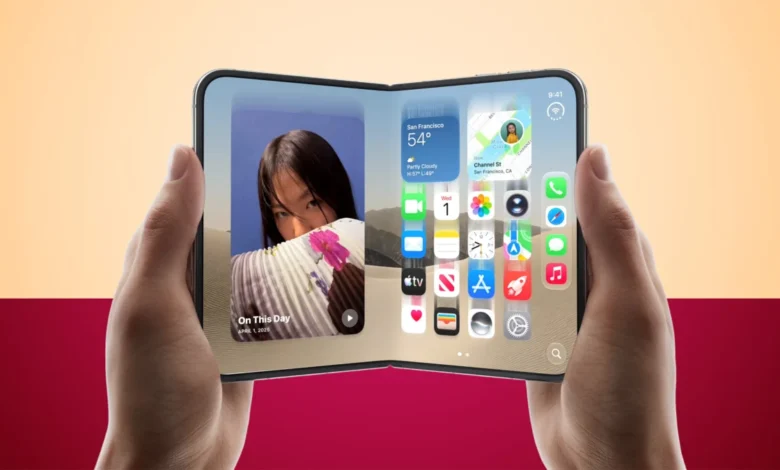
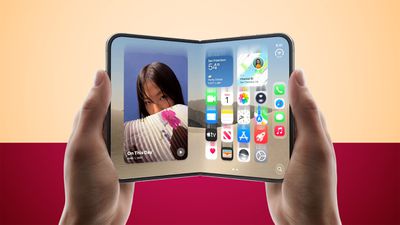
It has been two weeks since the official retail launch of the iPhone Duo, Apple’s foray into the dual-screen foldable smartphone market, and the software landscape is already undergoing a rapid transformation. While the initial wave of applications focused on basic compatibility and simple split-screen layouts, developers are now leveraging the unique hardware architecture of the device to introduce more sophisticated user experiences. This second surge of development highlights both the creative potential of the dual-display form factor and the challenges developers face in optimizing software for a non-traditional mobile interface.
The Launch Context and Initial Reception
The iPhone Duo made its global debut on October 23, 2026, amid significant market anticipation and supply chain constraints. Following a period of intense speculation regarding Apple’s entry into the foldable segment, the device launched with a high price point and limited availability. Retail operations were strained early on, with Apple management issuing internal directives to staff to discourage walk-in customers due to severe stock shortages.
The launch was not without technical controversy. Within hours of the first units reaching consumers, reports of hardware reliability surfaced on social media and community forums. Specifically, users reported display anomalies and structural fractures appearing along the central hinge mechanism. Some reports suggested these failures occurred after fewer than 20 opening cycles, leading to illuminated pixel lines across the screen. These early reports of "hinge-fatigue" prompted discussions regarding the longevity of foldable displays, a challenge that has historically plagued the broader foldable smartphone market.
Categorizing the New Software Wave
Despite the early hardware hurdles, the developer community has remained undeterred, focusing on creating utilities that bridge the gap between two independent displays. The software currently appearing on the App Store can be categorized into four distinct functional domains: gaming, productivity, lifestyle integration, and camera-centric utilities.
Interactive Gaming and Spatial Experiences
Gaming on the iPhone Duo has moved beyond simple screen mirroring. Developers are now utilizing the hinge-angle sensors to create "bookshelf" style gaming environments. By placing the device in a semi-folded position, titles are leveraging the lower screen as a dedicated controller or secondary information dashboard, while the upper screen displays the primary gameplay environment. This spatial separation allows for a cleaner user interface, removing on-screen overlays that typically obscure gameplay on single-screen devices.
Productivity and Utility: Simple but Clever
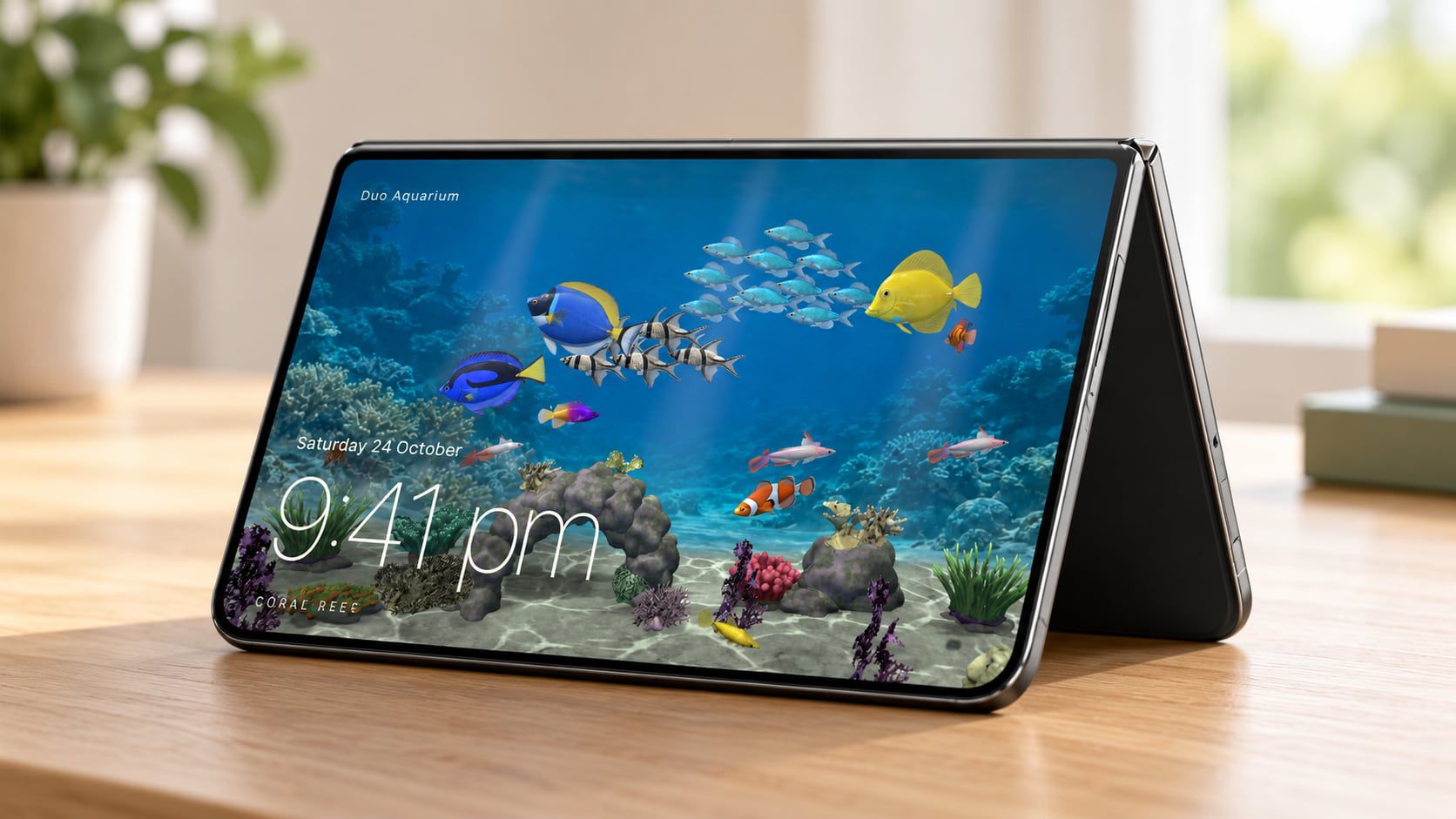
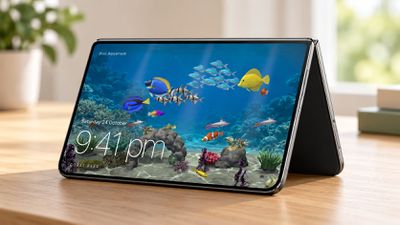
The most successful applications released in the last 14 days are those that solve the "digital clutter" problem. These include note-taking applications that utilize one screen for a live feed of the stylus input while the second screen hosts a reference document or research material. Other utilities have focused on ambient computing, such as high-fidelity aquarium or landscape simulations that span both screens, effectively turning the folded device into a piece of digital art when not in use. These apps reflect a shift toward treating the Duo not just as a smartphone, but as a modular computing surface.
Health and Wellness Optimization
The "Wakeout" class of applications has seen a significant update, specifically designed for the Duo’s form factor. By utilizing the dual-screen capability, these apps allow users to view instructional workout videos on the top half of the screen while simultaneously tracking their heart rate, set counts, and remaining intervals on the bottom half. This multi-pane approach significantly reduces the friction of switching between instructional content and personal metrics, a common pain point for mobile fitness enthusiasts.
Advanced Photography and Imaging
Camera applications have emerged as a primary beneficiary of the dual-screen design. Because the iPhone Duo allows for a unique orientation, developers have introduced tools that provide a real-time viewfinder on the primary screen while keeping the secondary screen reserved for camera settings, histogram data, and instant previews. This allows photographers to maintain a clean, unobstructed composition frame while having full manual control over exposure settings, effectively mimicking the workflow of a professional digital SLR camera.
Broader Implications for the iOS Ecosystem
The emergence of these specialized applications marks a pivot in Apple’s mobile strategy. For nearly two decades, the iOS interface was defined by the constraints of a single, monolithic rectangle. The introduction of the iPhone Duo necessitates a new design language, one that Apple has begun to address through its own first-party app updates. Internal data from the App Store shows that Apple’s core applications—including Mail, Calendar, and Safari—have been updated to support a "spanned" view, where content flows across the hinge rather than being confined to one side.
This transition, however, is not without its analytical challenges. Industry analysts suggest that the "fragmentation" of the screen space could lead to a divergence in user experience. If a developer optimizes for a single-screen layout, the app may feel stagnant on the Duo; conversely, if they over-index on the dual-screen experience, the app may become unusable on traditional iPhone models. This "dual-optimization" requirement increases the cost of software development and maintenance, potentially widening the gap between large-scale enterprise developers and independent creators.
Looking Toward the Future
The next phase of the iPhone Duo’s lifecycle will likely be determined by the adoption rate of these specialized applications. While current data suggests a strong interest among early adopters, the long-term success of the hardware depends on the integration of more robust, productivity-focused software.

Developers who are currently experimenting with the Duo are focusing on "state-aware" applications. These are apps that change their behavior based on the hinge angle. For example, an email application might show a list of messages when the phone is fully open, but transition to a reading pane on one screen and a compose window on the other when the device is propped open at a 90-degree angle.
As the industry observes these developments, several key questions remain:
- Software Standardization: Will Apple introduce a new "Duo-Kit" for developers to standardize how apps handle the screen-fold transition, or will the ecosystem remain an experiment in individual design choices?
- Durability and Market Confidence: How will the reports of display cracking impact the long-term software support for the device? If the hardware failure rate remains high, developers may be hesitant to invest significant resources into the platform.
- Enterprise Adoption: Will the unique form factor lead to the development of specialized enterprise software, such as field-engineering tools or high-stakes financial dashboards, which could justify the high entry cost of the device for business users?
In summary, the first two weeks of the iPhone Duo era have been characterized by a blend of cautious hardware evaluation and enthusiastic software experimentation. The device has successfully challenged the standard mobile paradigm, forcing a reimagining of how users interact with content. As the community continues to share feedback and iterate on these designs, the iPhone Duo stands as a critical test case for the future of mobile computing—a future that is increasingly likely to be flexible, multi-paneled, and highly modular. Whether these developments remain a niche interest or define the next decade of mobile technology will depend on the stability of the hardware and the continued ingenuity of the software engineering community.