IFixit iPhone 18 Pro Teardown Reveals Innovative Camera Mechanics, Advanced Thermal Architecture, and Emerging Repairability Concerns

The landscape of consumer electronics repair has always been defined by a delicate balance between engineering innovation and component accessibility. As manufacturers push the boundaries of miniaturization, thermal management, and optical capabilities, the interior architecture of flagship smartphones grows increasingly complex. The release of Apple’s iPhone 18 Pro has once again brought these competing priorities into sharp focus, courtesy of the comprehensive teardown recently published by the independent repair advocacy and teardown specialists at iFixit. This year’s dismantling process has offered tech enthusiasts and repair technicians an unprecedented, microscopic look at Apple’s latest engineering feats, most notably the much-discussed variable aperture camera system, an innovative under-display Face ID configuration, and a substantially expanded vapor chamber cooling layout. However, while the device demonstrates clever modularity in certain areas, the analysis has also sounded a cautionary note regarding potential display frame vulnerabilities and the ongoing challenges associated with component-level DIY repairs.
Unpacking the Architecture: Main Facts and Key Engineering Upgrades
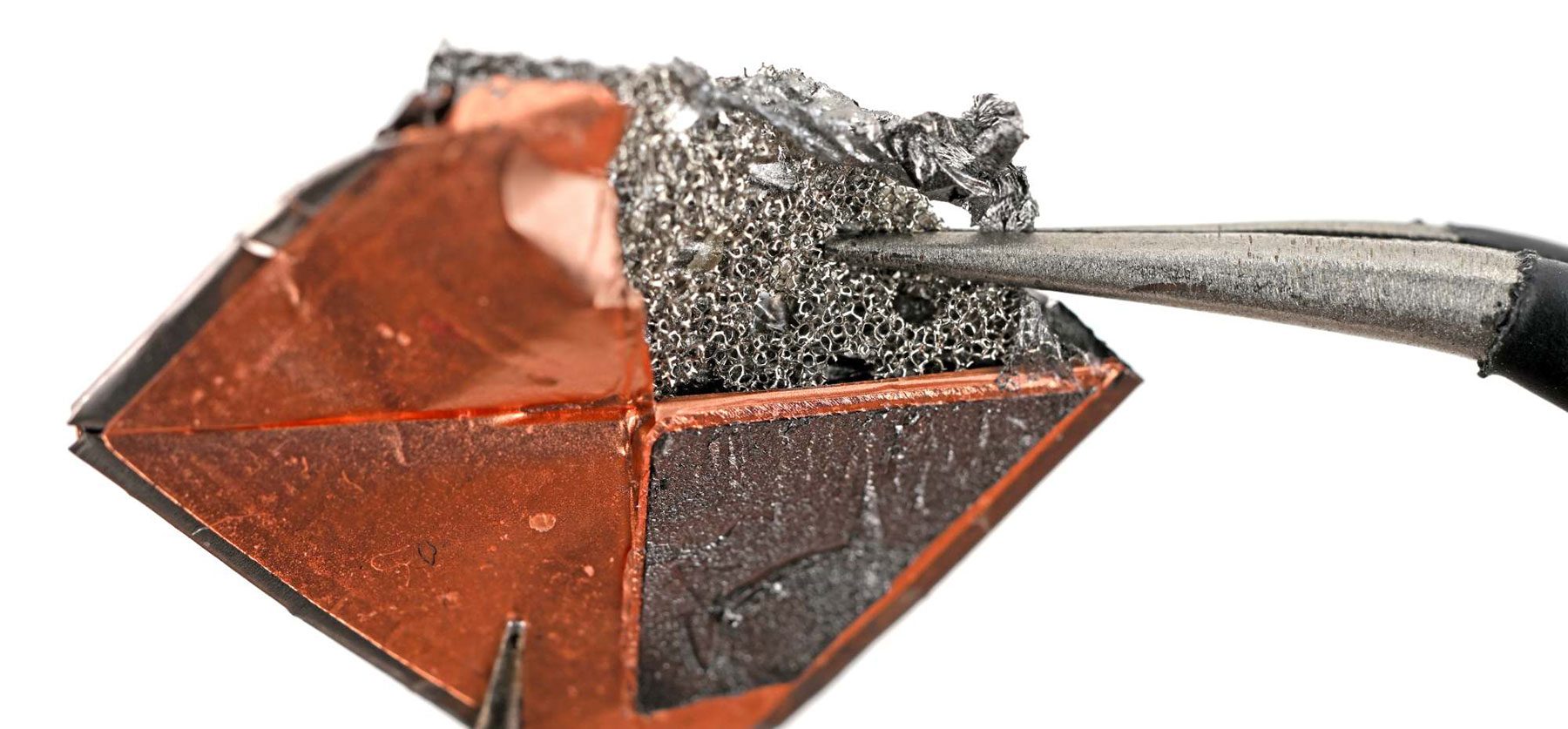
The iPhone 18 Pro arrives on the market carrying high expectations, particularly in the realm of mobile photography and sustained performance. At the heart of the device’s internal redesign is the new A20 Pro system-on-chip, which utilizes a specialized packaging methodology. During its official product launch event, Apple highlighted that the A20 Pro places the silicon die side-by-side with the device memory. This architectural shift intentionally separates the RAM from the thermal path of the primary processing unit, permitting the main chip to interface directly with an upgraded cooling apparatus.
According to Apple’s engineering specifications, the new vapor chamber spans a significantly larger portion of the chassis, boasting roughly triple the surface area compared to the cooling system found in the preceding iPhone 17 Pro. iFixit’s physical teardown confirms this layout, exposing the thermal interface material that presses the A20 Pro directly against the sprawling vapor chamber. This structural layout is designed to mitigate thermal throttling during intensive tasks such as mobile gaming, 4K video recording, and augmented reality processing.
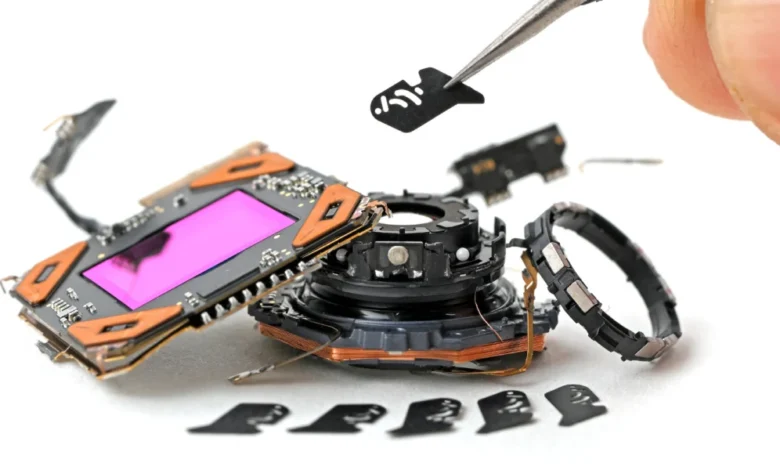
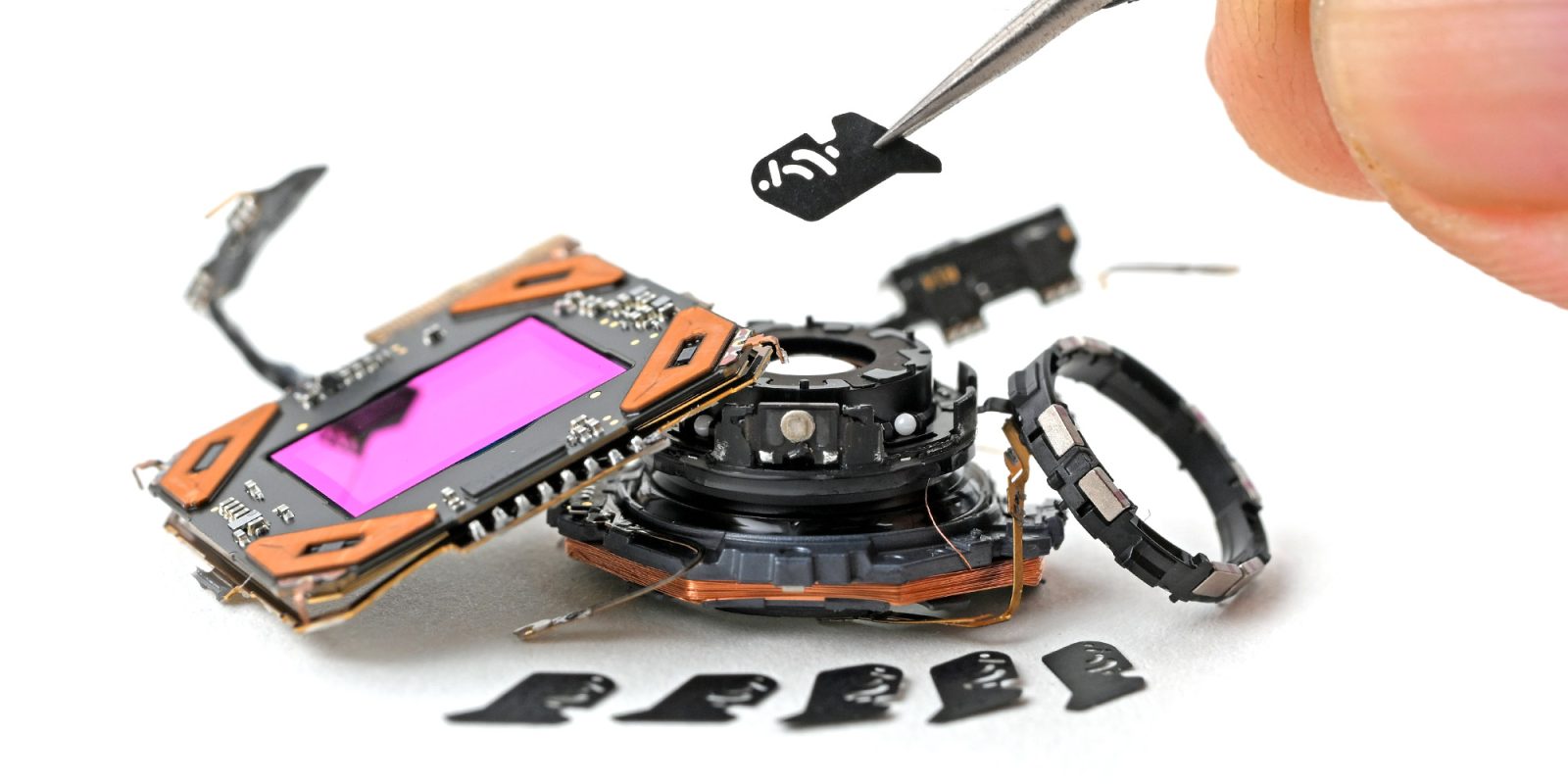
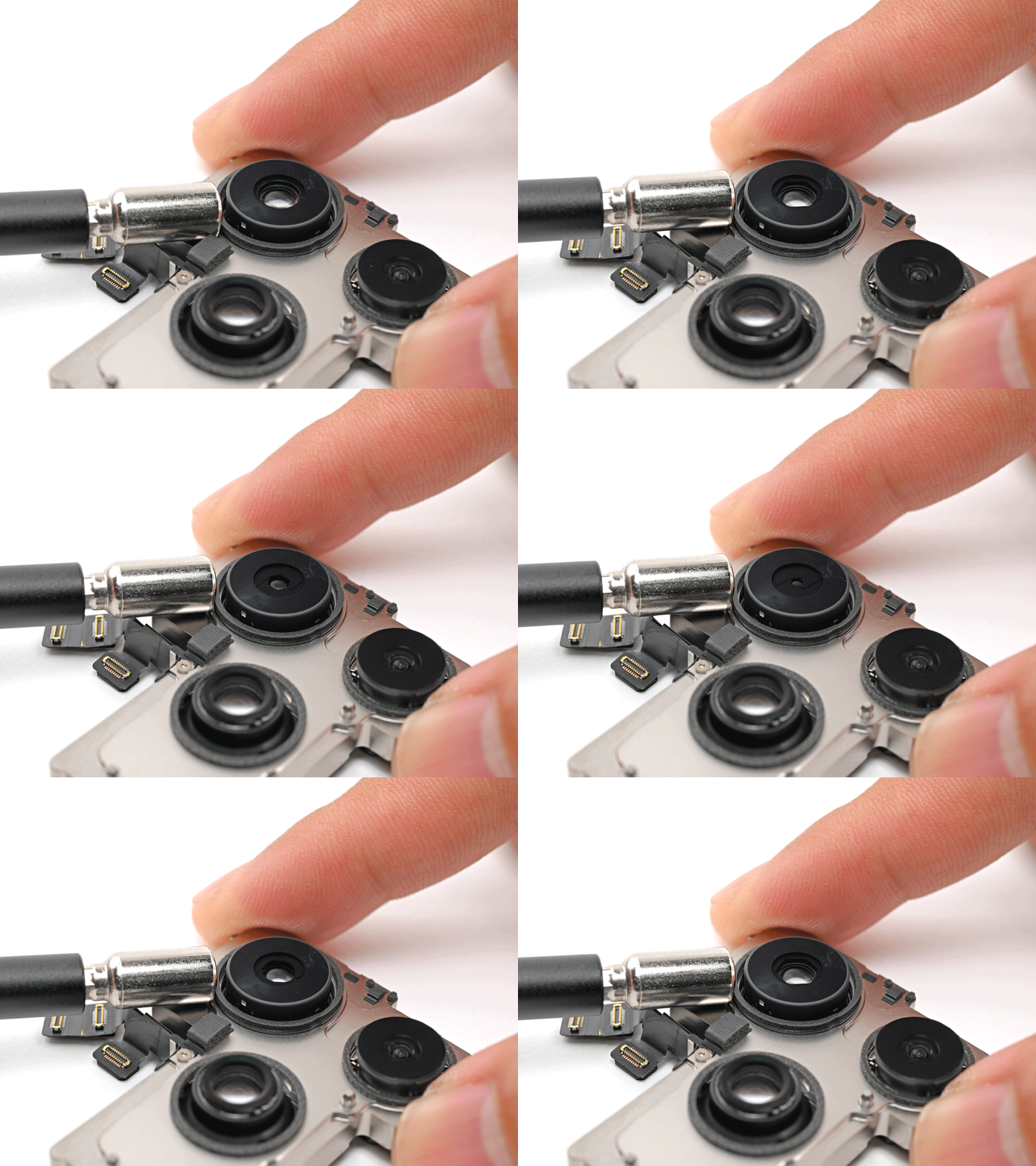
Beyond thermal management, the primary visual and functional headline of the iPhone 18 Pro is its revolutionary variable aperture mechanism housed within the main camera assembly. Unlike fixed-aperture lenses standard on most smartphones, this new system utilizes six microscopic blades operated by precision electromagnets. These blades function similarly to the optical image stabilization (OIS) actuators already common in modern smartphones, though the OIS and aperture systems operate independently.
Under microscopic examination, the sheer fragility of these components becomes immediately apparent. When the iFixit team dismantled the lens stack, one of the minuscule aperture blades inadvertently dislodged and flew out of the assembly. This accidental mishap vividly underscored the impracticality of component-level repairs for the camera module. Industry analysts and repair technicians note that if a variable aperture blade becomes jammed or malfunctions over the lifecycle of the device, attempting to repair or replace the individual blade is virtually impossible. Instead, service technicians will be forced to replace the entire primary camera assembly, altering the economics and logistics of camera repairs for third-party service providers.
The Evolution of Biometrics: The Under-Display Face ID Transition
Another major engineering shift in the iPhone 18 Pro lineup is the relocation of specific biometric hardware. While previous iterations housed the entire TrueDepth camera array—including the infrared camera, flood illuminator, and dot projector—within the visible cutout known as the Dynamic Island, Apple has altered its approach for this generation. In the iPhone 18 Pro and Pro Max, the infrared camera has been successfully moved beneath the OLED display panel, leaving only the selfie camera and the IR dot projector visible within a noticeably smaller Dynamic Island cutout.
Using high-powered microscopes, the iFixit team detailed the manufacturing technique employed to hide the relocated infrared camera. Apple achieves this transparency by systematically removing every other row of pixels situated directly above the sensor. This precise pixel-thinning technique allows infrared light to pass through the display stack to authenticate the user while maintaining visual continuity for the screen contents.
However, the teardown also revealed the physical limitations of this optical illusion. The filtering effect noticeably fades toward the outer boundaries of the sensor cutout. Furthermore, an IR-pass filter has been embedded beneath the OLED layer specifically to block ambient visible light from interfering with the sensor. Under specialized microscope settings, this filter does not extend completely to the absolute edge of the physical opening, creating a distinct optical phenomenon that researchers have dubbed the "eclipse effect." While this minor visual quirk is entirely imperceptible to the naked eye during normal daily operation, it serves as a fascinating testament to the optical physics required to place biometric sensors behind emissive display panels.

Chronology and Initial Findings: The Repairability Assessment
The process of evaluating a newly released flagship smartphone typically follows a strict chronology. Within days of a device hitting retail shelves, specialized teardown teams acquire units, subject them to thermal softening processes, and systematically uncouple adhesives, displays, and internal cabling. For the iPhone 18 Pro, this timeline yielded a mix of expected design continuity and unexpected physical hurdles.
When assessing general repairability, iFixit noted that Apple has maintained several positive design choices introduced in prior generations. Notably, the device retains a glue-free battery tray secured by easily removable pull-tabs, significantly lowering the risk of accidental punctures or thermal incidents during battery replacements. Modular camera assemblies also remain a staple of the internal layout, allowing certain discrete units to be swapped out without extensive soldering.
However, the teardown process was marred by a troubling physical anomaly concerning the display assembly. Across four separate iPhone 18 Pro units opened during the initial teardown phase, the specialized plastic frame surrounding the OLED display suffered structural damage on three of the devices.
This unexpected breakage has sparked intense discussion within the global repair community. Apple has utilized this specific plastic display frame design since the introduction of the iPhone 15 Pro, a period during which thousands of successful teardowns and screen replacements have been documented without widespread frame failure. Consequently, technicians are currently divided on whether the fragility observed during the iPhone 18 Pro teardown represents an isolated manufacturing anomaly in the initial batch of devices or a systemic vulnerability inherent to the new internal layout.
Technical Analysis: Implications of the Display Frame Issue
To understand why a damaged display frame matters, one must examine the mechanics of modern smartphone waterproofing and structural integrity. Modern flagships rely on tight tolerances and strong chemical adhesives to achieve high IP68 water and dust resistance ratings. During a professional or DIY screen replacement, technicians typically apply controlled heat to soften the adhesive bonding the display to the aluminum or titanium chassis.
iFixit has put forward a plausible working theory regarding why the iPhone 18 Pro display frames proved unusually susceptible to cracking during this process. Because Apple’s newly redesigned thermal architecture and expansive vapor chamber are engineered to rapidly dissipate heat away from the internal silicon, the thermal management system may inadvertently be drawing heat away from the display perimeter as well. As a heating pad attempts to soften the outer adhesive, the internal cooling mechanisms may alter the thermal distribution across the chassis, causing uneven softening and forcing technicians to apply unintended mechanical pressure to separate the screen.
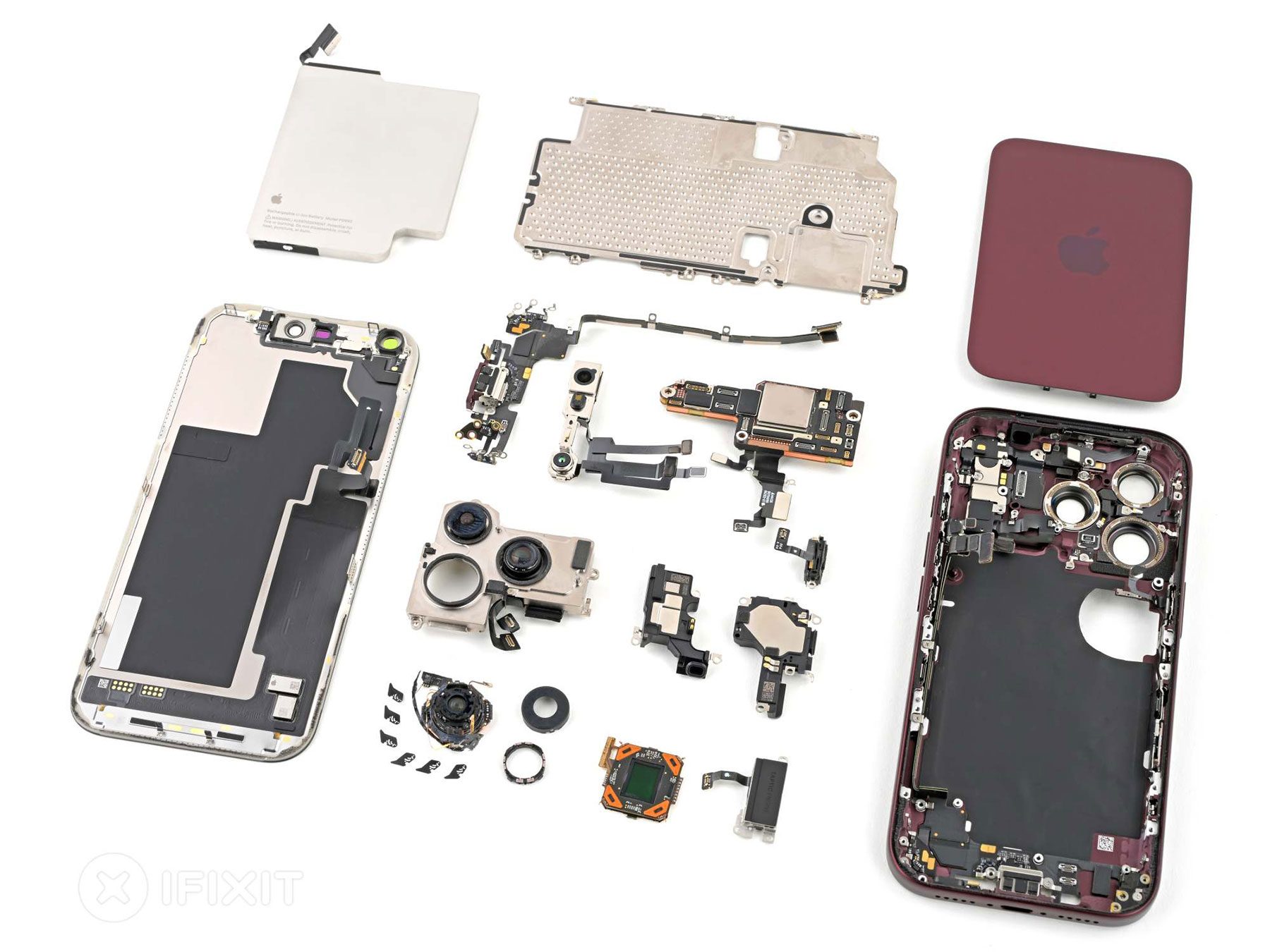
In practical terms, a cracked or warped plastic display frame carries severe consequences. If the frame is compromised during removal, the replacement display will not sit perfectly flush with the housing upon reassembly. Even a microscopic gap can compromise the device’s water and dust resistance, leaving internal components vulnerable to moisture ingress and subsequent corrosion. Furthermore, internal accessibility remains a persistent bottleneck; for instance, replacing the heavily utilized USB-C port still requires technicians to dismantle a vast majority of the internal shielding and components, keeping deep-level maintenance labor-intensive.
Broader Impact and Official Provisional Scoring
As the tech industry digests the findings of the iFixit report, the broader implications for right-to-repair legislation and consumer ownership are multifaceted. On one hand, Apple continues to provide official self-service repair manuals and genuine parts programs, acknowledging the growing consumer demand for device longevity. The retention of modular components and accessible battery mechanisms indicates a sustained design philosophy aimed at meeting emerging regulatory standards in regions like the European Union.
Conversely, the extreme miniaturization required to implement features like the six-blade variable aperture camera and under-display biometric sensors underscores the widening chasm between superficial repairs—such as battery swaps—and deep component-level restoration. When advanced optical and thermal engineering necessitates the replacement of entire modules rather than individual sub-components, the overall cost of out-of-warranty repairs remains elevated.

Pending the widespread availability of replacement components, broader user testing, and further observation regarding whether the display frame cracking issue affects consumer units in the wild, iFixit has assigned the iPhone 18 Pro and Pro Max a provisional repairability score of 7 out of 10. This score mirrors the baseline established by previous generations, reflecting a device that is neither entirely hostile to repair nor remarkably straightforward to service independently. As millions of units find their way into the hands of consumers worldwide, the durability of the display frame and the real-world reliability of the variable aperture camera will ultimately determine how the iPhone 18 Pro is judged by the global repair community in the months and years to come.