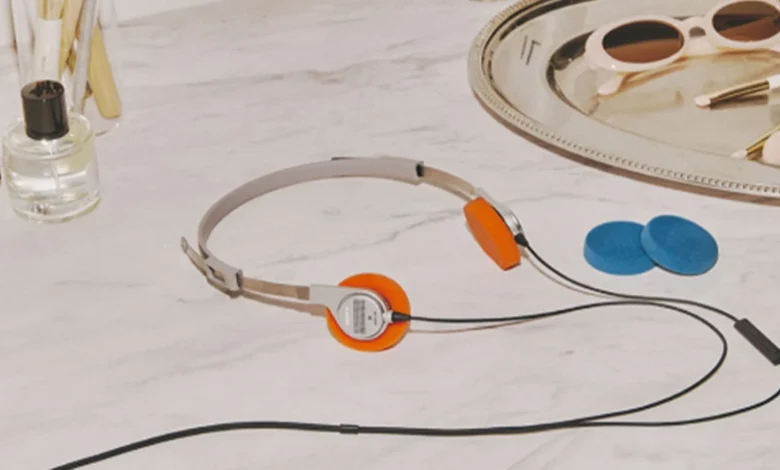
ives Iconic 1980s Retro MDR-3 Headphones with Modern USB-C Twist, Sparking Rapid Sell-Outs and High Demand
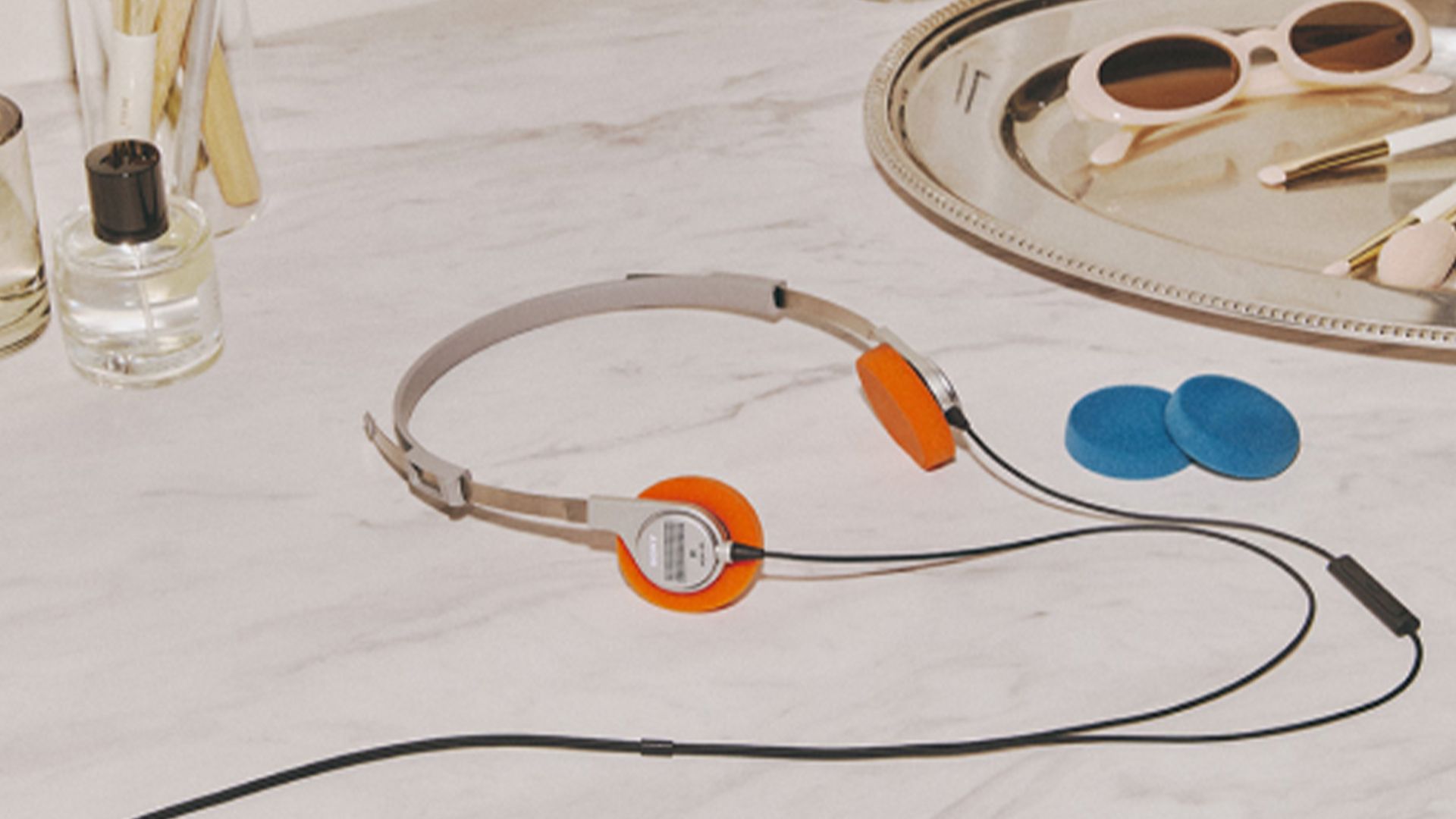
Sony has officially reintroduced one of the most celebrated industrial design icons of the 1980s, bringing its classic portable audio aesthetic back to the modern consumer market. The newly launched Sony MDR-3R USB-C wired headphones capture the nostalgic visual language of the original MDR-3 model—which famously accompanied the revolutionary Sony Walkman—while integrating contemporary connectivity standards. Priced accessibly at £49, the retro revival has struck a powerful chord with consumers, resulting in immediate sell-outs across retail platforms and highlighting a broader cultural shift back toward wired audio technology.
The sudden resurgence of the MDR-3 design underscores a massive cyclical shift in consumer electronics and fashion. For over a decade, the global audio market was dominated by wireless Bluetooth earbuds and over-ear headphones, driven largely by smartphone manufacturers removing standard 3.5mm headphone jacks. However, wired headphones have experienced an unexpected and robust renaissance, crossing over from audiophile niche status to mainstream cultural relevance. Driven largely by Gen Z consumers, TikTok aesthetics, and a broader Y2K nostalgia wave, wired headphones are once again viewed as a deliberate stylistic choice, valued both for their zero-latency transmission, uncompressed audio fidelity, and distinct minimalist retro look.
A Historical Retrospective: The Legacy of Sony’s Portable Audio Dominance
To understand the cultural significance of the MDR-3R release, one must look back at the historical footprint of Sony’s audio engineering division during the late 20th century. Released in the wake of the original TPS-L2 Walkman in 1979, early Sony portable headphones were engineered to solve a fundamental design paradox: delivering high-fidelity stereo sound through lightweight, portable transducers that could be worn comfortably for hours.
The original MDR series, including the MDR-3, revolutionized personal listening by discarding the bulky, heavy studio monitor designs of the 1970s in favor of on-ear foam cushions, adjustable metal headbands, and high-efficiency drivers. These headphones were not merely accessories; they were cultural artifacts that symbolized the birth of modern mobile lifestyle technology. Owning a Walkman paired with lightweight Sony headphones transformed how humanity interacted with music, shifting the experience from a communal living room event to a private, mobile soundtrack.
Over the decades, as digital audio formats evolved through compact discs, MP3 players, and eventually streaming smartphones, Sony continued to iterate on its lightweight portable designs. Yet, the distinct industrial minimalism of the early 1980s models remained unmatched in public memory, eventually achieving vintage collector status among industrial design enthusiasts and retro technology collectors.
Chronology of the Revival: From Niche Trend to Mainstream Phenomenon
The path toward the modern MDR-3R release began several years ago, quietly taking shape across social media platforms before capturing the attention of major consumer electronics manufacturers.
Phase 1: The Y2K Aesthetic and Vintage Revival (2020–2022)
As fashion cycles accelerated, the aesthetic of the late 1990s and early 2000s began dominating youth culture. Concurrently, vintage digital cameras, wired earphones, and physical media formats such as vinyl records and CDs experienced dramatic commercial resurgences. Consumers began favoring the tactile nature of analog and wired devices over seamless, frictionless cloud ecosystems.
Phase 2: The Mainstreaming of Wired Headphone Culture (2023–2024)
Celebrities, models, and internet personalities were increasingly photographed wearing simple, retro-style wired headphones, turning functional audio gear into high-fashion statement pieces. Content creators on TikTok and Instagram began utilizing vintage Sony and Koss portable headphones to complete curated outfits, driving search volumes for lightweight, foam-padded wired headphones to record highs.
Phase 3: The Official Sony Reintroduction (Late 2024–Present)
Recognizing the sustained demand for heritage designs paired with updated usability, Sony developed the MDR-3R. By retaining the exact visual silhouette, ultra-lightweight frame, and retro foam ear pads of the original units, the company appealed directly to nostalgia-driven buyers. Crucially, by integrating a modern USB-C connection rather than legacy analog jacks, Sony bridged the generational divide, making the vintage form factor immediately compatible with contemporary smartphones, tablets, and laptops.
Market Data and Consumer Response
The commercial reception of the Sony MDR-3R has surpassed initial supply forecasts. Priced competitively at £49, the headphones positioned themselves as an impulse-buy luxury for design-conscious consumers and music enthusiasts alike. Within days of going live on retail channels, initial inventory allocations were completely exhausted, leaving eager buyers scrambling for restock notifications or turning to alternative retro-styled wired headphones on the market.
Market research firms tracking the audio sector note that while wireless audio still commands the largest overall market share by revenue, wired headphone sales have experienced consistent double-digit year-over-year growth since 2022. This growth is propelled by several distinct consumer segments:
- Audiophiles seeking uncompressed, lossless audio transmission without digital-to-analog conversion lag.
- Budget-conscious consumers avoiding the battery degradation issues inherent in wireless earbuds.
- Trend-driven younger demographics prioritizing aesthetic minimalism and vintage industrial design.
Because official stock of the MDR-3R has proven difficult to secure, secondary markets and alternative manufacturers offering similar vintage aesthetics—such as classic Koss Porta Pro models and lightweight Panasonic designs—have also seen notable bumps in consumer interest and sales velocity.
Industry Implications: Why Heritage Design Matters Now
The successful launch and immediate sell-out of the MDR-3R offer a clear lesson for consumer technology manufacturers: heritage matters. In an era where many modern gadgets feature homogenized, minimalist glass-and-plastic designs devoid of distinctive personality, brands with deep historical archives possess a unique competitive advantage.
By leaning into nostalgia, companies like Sony can transform functional commodities into emotional purchases. Consumers are no longer buying headphones solely for frequency response curves or active noise-canceling metrics; they are purchasing a narrative, an aesthetic identity, and a tangible connection to an era perceived as simpler and more authentic.
Furthermore, the integration of USB-C into a 1980s chassis represents a masterclass in product positioning. It proves that retro design does not have to mean technological obsolescence. By marrying vintage form with modern function, manufacturers can successfully bypass the friction points of legacy technology while preserving the emotional resonance of classic industrial design.
Looking Ahead: What’s Next for Retro Audio?
As supply chains work to replenish stock of the Sony MDR-3R, industry analysts are speculating whether other iconic audio brands will dive into their historical archives to resurrect legendary designs. The blueprint has been successfully established: take a beloved, recognizable silhouette from the golden age of consumer electronics, update the interface for modern hardware compatibility, and price it accessibly.
For now, consumers still searching for the MDR-3R are advised to monitor retail restocks closely or explore contemporary alternatives that capture the same lightweight, foam-padded aesthetic. Whether this retro wave represents a fleeting micro-trend or a permanent diversification of the personal audio market, one fact remains clear: the appeal of classic design, much like great music, never truly goes out of style.