The Great Migration: How Bantu Expansion Remade the Cultural and Genetic Landscape of Africa

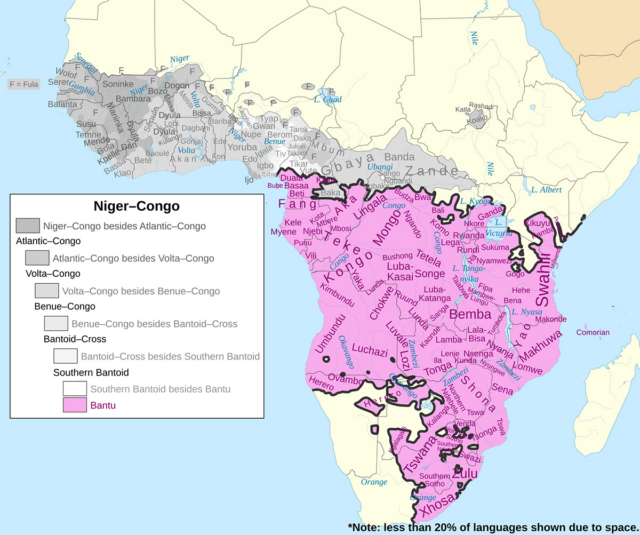
The history of sub-Saharan Africa is defined by one of the most significant demographic shifts in human history: the Bantu expansion. This millennia-long migration, which saw agriculturalist, iron-working, and linguistic communities disperse from their ancestral homelands in western Africa to inhabit the vast majority of the continent’s southern half, remains a primary focus of modern archaeology, linguistics, and genetics. By integrating sedentary farming practices, advanced metallurgical skills, and a complex linguistic framework, these Bantu-speaking peoples fundamentally altered the ecological and social fabric of the regions they entered, laying the foundations for the diverse societies observed today.
Origins and the Cradle of Expansion
The origins of the Bantu-speaking peoples are traced back to the Grassfields region of present-day Cameroon, dating to approximately 6,000 to 4,000 years ago. Archaeological evidence at sites like the Shum Laka rock shelter provides early clues into the development of their distinctive pottery styles—initially marked by simple incisions and later by intricate braided or carved patterns—that would eventually become a hallmark of the expansion.
While the linguistic classification of Bantu languages was formalized in the 19th century, the broader realization of their migration stems from a comparative analysis of over 500 distinct tongues. The linguistic diversity observed in western Africa suggests it served as the epicenter of this dispersal. As communities pushed outward, they carried with them the "Bantu package": a suite of innovations including the cultivation of indigenous crops, the domestication of livestock, and the mastery of iron smelting.
A Chronology of Movement: From the Rainforest to the Great Zimbabwe
The expansion was not a singular event but a complex, multi-stage migration that spanned thousands of years. Early scholars debated whether the transition of technology and language was the result of actual human migration or merely cultural diffusion among existing hunter-gatherer populations. However, modern genetic evidence has definitively confirmed a massive demographic movement.
By 2,500 to 3,500 years ago, Bantu-speaking groups encountered the dense Congo rainforest. For years, researchers speculated about the route taken, with some suggesting a split into two distinct paths—one eastward and one southward—before reaching the forest. Recent computational linguistic models and genetic data, however, point to a more nuanced reality: these groups moved through the rainforest as a cohesive population, only diverging into eastern and southern streams upon reaching its southern fringes.
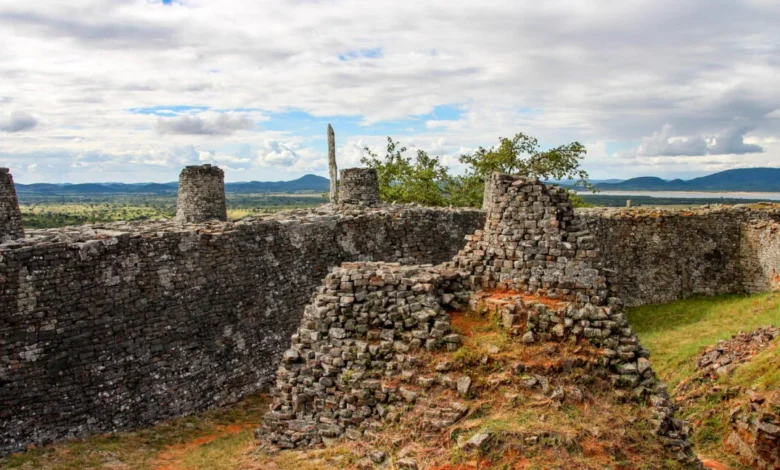
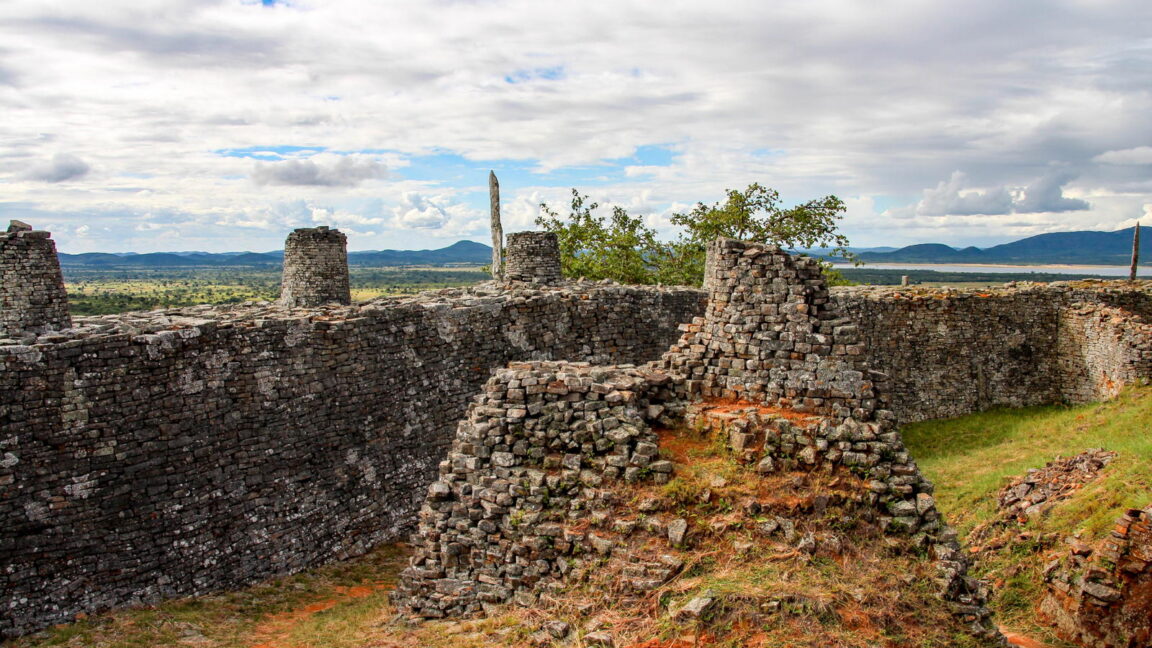
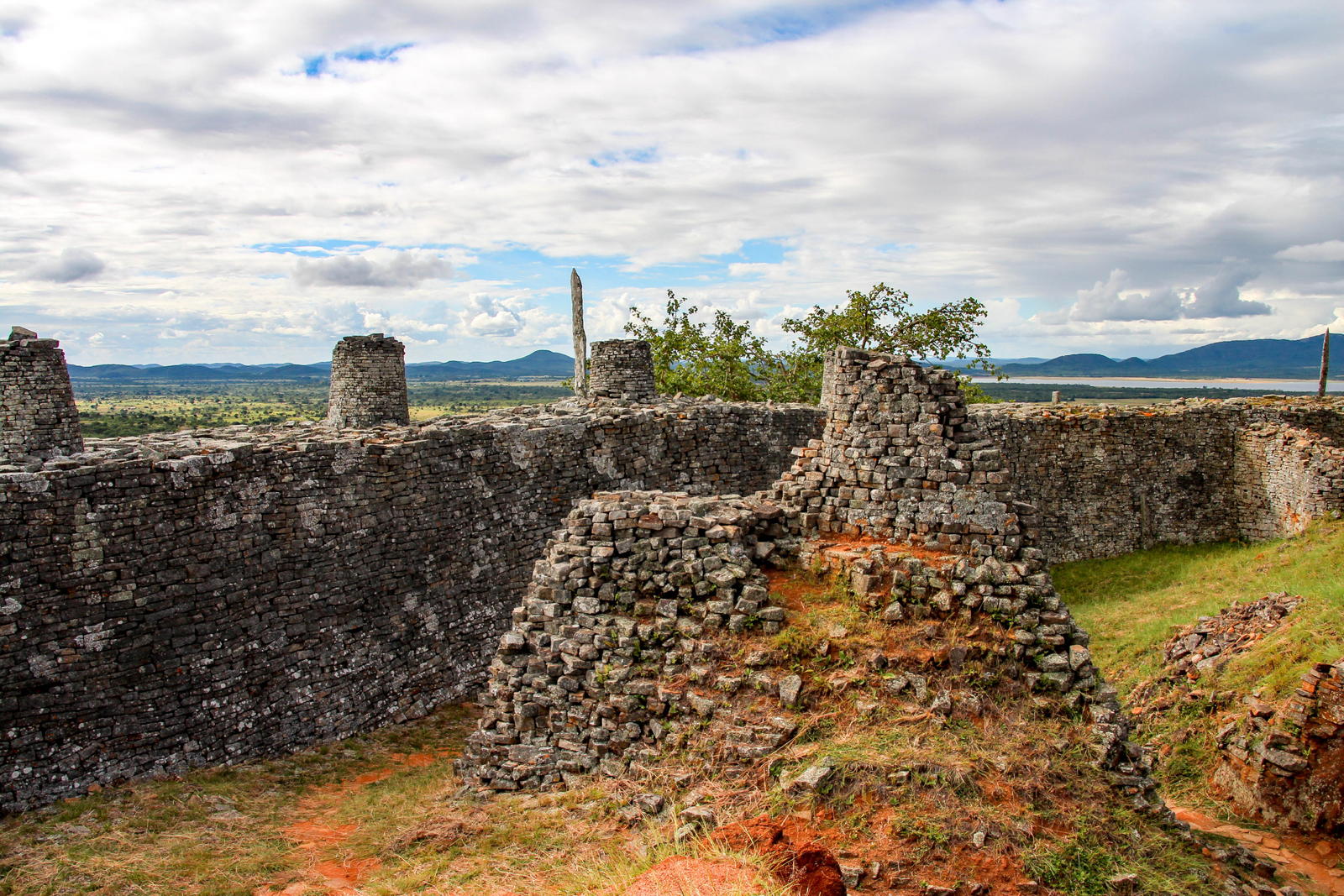
This southward push led to the establishment of sophisticated societies, most notably the kingdom of Great Zimbabwe. Flourishing between 1000 and 1700 AD, this civilization served as a testament to the technological prowess of the Bantu settlers. The ruins of Great Zimbabwe, characterized by massive dry-stone walls, reflect a high level of engineering and architectural sophistication. Near these ruins, the discovery of numerous iron-smelting furnaces—some capable of maintaining temperatures exceeding 2,100°F through natural-draft technology—demonstrates that these societies had optimized industrial production long before colonial intervention.
The Metallurgical Revolution
Iron production was the engine of the Bantu expansion. The ability to craft durable hoes, axes, and arrowheads allowed these communities to clear forests for agriculture and defend their territories effectively. Archaeometallurgists have noted that the furnaces in the Great Zimbabwe hinterlands were technologically advanced; they utilized a chimney effect to suck air into the furnace, eliminating the need for constant, labor-intensive manual bellows.
Recent research into these sites has even uncovered the ritualistic integration of science. Evidence suggests that smelters added bone fragments—rich in calcium—to the ore during the melting process. While likely part of a traditional blessing or medicinal ceremony, the addition of calcium acted as a flux, lowering the melting point of the iron and significantly improving the efficiency of the separation process. This fusion of cultural ritual and technical innovation highlights the intellectual depth of these pre-colonial industries.
Genetic Evidence and Inter-group Dynamics
The genetic legacy of the Bantu expansion is profound. Today, approximately 350 million people speak a Bantu language, and the genetic markers of this ancestral group are found in millions of Africans, as well as in the African diaspora across the Americas.
Genetic studies have revealed a consistent pattern of declining genetic diversity as one moves further away from the Bantu homeland in western Africa, a classic signal of a population expanding into new territories. However, this expansion was not a vacuum-sealed movement; it involved intense interaction with indigenous groups, such as the rainforest hunter-gatherers and the Khoisan peoples.
Data from 2024 studies indicates that many Bantu-speaking groups share significant amounts of DNA with these indigenous populations. Interestingly, the admixture often shows a gender-biased pattern: Y-chromosome data frequently shows high levels of Bantu ancestry, while mitochondrial DNA (inherited from mothers) often reflects a higher proportion of indigenous ancestry. Sociologists and geneticists hypothesize that this may indicate historical power dynamics, where Bantu-speaking men may have formed unions with indigenous women. This interaction left a permanent mark on language as well; the distinctive "click" consonants found in languages like Zulu and Xhosa are widely considered a linguistic substrate borrowed from the Khoisan languages that predated the arrival of Bantu settlers in southern Africa.
Broader Impact and Modern Implications
The Bantu expansion fundamentally reconfigured the demographic map of sub-Saharan Africa. By introducing a sedentary lifestyle, they facilitated higher population densities and the creation of complex state societies. These states soon became nodes in a vast global trade network, reaching across the Indian Ocean to trade gold, ivory, and high-quality iron for Chinese porcelain and glass beads.
Despite these revelations, experts acknowledge that the current historical record remains incomplete. Linguistic reconstruction is hampered by the fact that many older branches of the Bantu language family have gone extinct, and early computational models that assumed language evolution occurred in isolation have proven too simplistic. Future research is shifting toward the analysis of ancient DNA to provide a clearer timeline of how different groups overlapped and repopulated specific regions.
Dr. Shadreck Chirikure of the University of Oxford and other leading researchers emphasize that the primary challenge facing this field is a lack of sustainable research funding. Much of the current work remains dependent on European grants, which limits the scope of excavations and the ability of local African institutions to lead their own historical research. There is a broad consensus that more robust investment in archaeology and genetics within Africa is required to move beyond the current "spread over spread" hypothesis and into a more granular understanding of these migrations.
Ultimately, the Bantu expansion represents the creation of a vast, interconnected cultural sphere that spans the continent. It is a story of resilience, innovation, and adaptation. As researchers continue to bridge the gap between archaeological artifacts, linguistic trees, and genomic data, they are uncovering a legacy that is not merely a relic of the past, but a living, breathing component of modern African identity—a rich, complex tapestry of traditions, languages, and philosophies that continues to evolve in the present day.