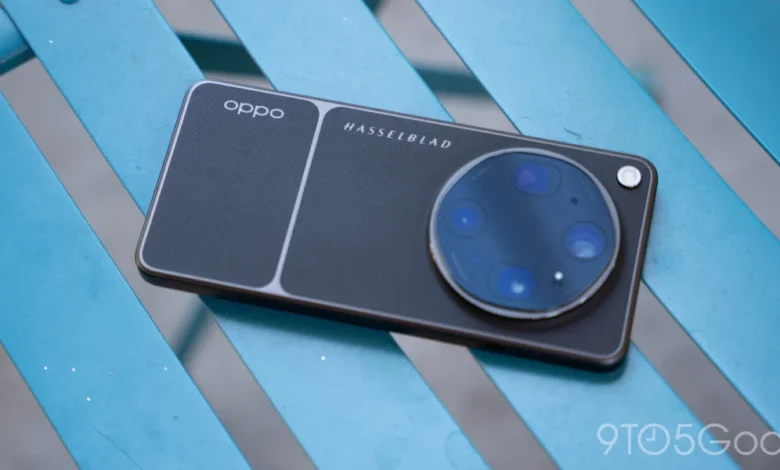
The smartphone industry is currently facing a period of unprecedented volatility. Reports originating from the prominent industry leaker Digital Chat Station via the social platform Weibo have indicated that Oppo has officially shelved its development plans for the Find X10 Ultra. This decision, while not yet formally acknowledged by Oppo’s corporate headquarters, aligns with a broader pattern of austerity measures being adopted by major Android original equipment manufacturers (OEMs). The cancellation serves as a stark illustration of how rising hardware costs, particularly in high-speed memory modules, are forcing companies to prune their most ambitious product lines.
The Anatomy of RAMageddon and Its Market Impact
To understand the demise of the Find X10 Ultra, one must first examine the phenomenon known as "RAMageddon." Over the past eighteen months, the global semiconductor market has experienced a severe supply-demand imbalance regarding high-bandwidth memory (HBM) and LPDDR5X/LPDDR6 DRAM. This shortage is primarily driven by the exponential growth of generative artificial intelligence (AI).
As data centers and enterprise AI developers scramble to secure high-capacity memory for large language models, the supply chain for consumer electronics has been sidelined. The cost of integrating 16GB or higher configurations into mobile devices has surged, creating a bottleneck for manufacturers who rely on thin profit margins. For a flagship device like the proposed Find X10 Ultra, which was designed to push the boundaries of mobile computing, the inclusion of premium memory was not merely a feature—it was a necessity for performance. When these costs become prohibitive, manufacturers are left with two choices: increase the retail price to levels that alienate the consumer base or cancel the product entirely.
Chronology of the Find X Series Evolution
The Oppo Find X9 Ultra, released in 2026, was widely regarded as a pinnacle of mobile hardware. It featured a seamless integration of the latest Snapdragon architecture and generous memory allocations, setting a high benchmark for the brand. Its success, however, created a difficult trajectory for its successor.

- Q1 2026: The launch of the Oppo Find X9 Ultra establishes the brand as a leader in high-end photography and raw processing power, utilizing a 16GB RAM configuration.
- Q3 2026: Market reports begin to surface regarding the rising costs of LPDDR memory, signaling the early stages of the supply crunch.
- Q4 2026: Oppo releases the Find X10 Pro Max. To mitigate costs, the company shifts to MediaTek flagship chipsets and scales back base memory configurations to 12GB in most regions. The device receives mixed feedback regarding its aggressive pricing in European markets.
- Q2 2027: Industry leaks emerge suggesting that the internal development of the Find X10 Ultra has been terminated, ending the cycle for the "Ultra" branding in this generation.
Technical Aspirations and the Hardware "Dream"
The specifications rumored for the Find X10 Ultra were nothing short of aspirational. Had the device reached production, it would have featured a 200MP 1/1.12-inch main sensor integrated with LOFIC (Lateral Overflow Integration Capacitor) technology, which significantly enhances dynamic range in high-contrast lighting.
Furthermore, the secondary imaging array was expected to include a 200MP periscope telephoto lens with a 1/1.3-inch sensor—a size virtually unheard of for a zoom module—complemented by a 50MP 10x periscope lens and a 100MP front-facing sensor. This camera stack was positioned to challenge the limits of computational photography. The combination of these massive sensors, high-resolution processing requirements, and the necessity for robust memory to handle the resultant image data, made the Find X10 Ultra an incredibly expensive proposition. By canceling the project, Oppo is effectively choosing to protect its bottom line over maintaining its status as a "spec-sheet" leader.
The Broader Implications for Android OEMs
The cancellation of this device provides a clear window into the current state of the flagship smartphone market. As AI integration becomes a standard requirement for high-end phones, the memory requirements will only continue to rise. If manufacturers cannot secure a stable, affordable supply of memory, the "Ultra" tier of smartphones may face an existential threat.
Market analysts observe that we are entering an era of "pragmatic premium." While consumers demand high-end features, they are becoming increasingly sensitive to price points exceeding the $1,200 threshold. When a manufacturer like Oppo—which has historically been aggressive in its hardware specifications—determines that a device is no longer viable, it signals to the rest of the market that the era of "more is better" is reaching a structural impasse.
Competitors are likely to follow suit. We may see a broader industry trend where brands prioritize "Pro" models that focus on software optimization and efficiency over the sheer brute-force hardware specifications of "Ultra" models. The pivot toward MediaTek chipsets, as seen in the Find X10 Pro Max, is further evidence of this cost-cutting strategy, as these chipsets often provide a more competitive performance-per-dollar ratio compared to their Qualcomm counterparts.

Consumer Reaction and Future Outlook
The reaction from the enthusiast community has been one of resignation. For power users, the Find X10 Ultra represented a vision of the future where the smartphone could truly replace dedicated professional cameras. The loss of this device signifies a retreat from the "camera powerhouse" race that defined the mid-2020s.
Oppo has not issued an official press release regarding the cancellation, which is standard procedure for projects that never reach the prototype-to-mass-production transition. However, the move suggests a strategic shift for the remainder of 2027 and into 2028. The company is likely to focus its resources on optimizing the existing Find X10 Pro Max and expanding its mid-range offerings, where margins are more predictable and supply chain pressures are less acute.
Looking ahead, the industry must find a way to decouple consumer electronics from the volatile HBM market. Whether this involves on-device memory compression, cloud-based processing, or a shift in semiconductor manufacturing priorities, the outcome remains uncertain. For now, the Find X10 Ultra stands as a casualty of the race for artificial intelligence supremacy, a device that was simply too demanding for the current economic climate of the hardware industry.
As the smartphone market continues to mature, the focus is shifting away from yearly hardware escalations toward long-term software support and sustainable product design. While the cancellation of the Find X10 Ultra is a disappointment for those seeking the absolute peak of mobile technology, it is a necessary adjustment for a manufacturer navigating a constrained global supply chain. The coming quarters will reveal whether other major OEMs will take similar steps, or if they will continue to absorb the costs of "RAMageddon" to maintain their market positions. For the time being, the industry remains in a holding pattern, waiting for the memory supply crisis to stabilize before pushing the next generation of mobile innovation forward.
Related posts: