The Evolution of Halloween Costume Culture and the Digital Influence on Modern Holiday Traditions

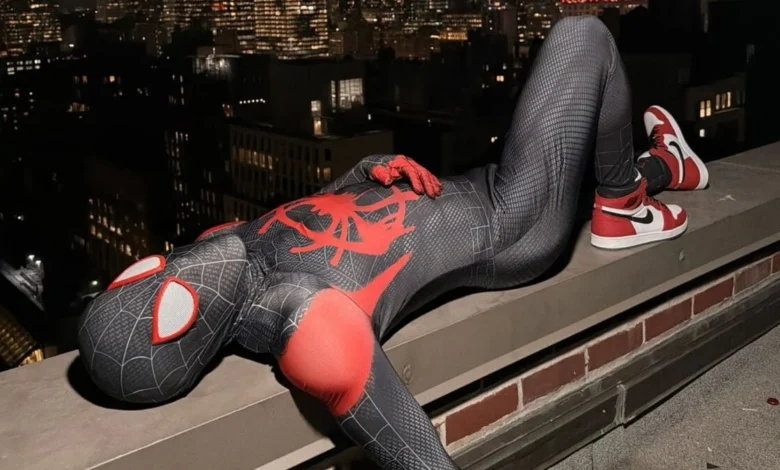
Halloween has evolved significantly from its ancient Celtic roots, transitioning from a somber observance of Samhain into a global cultural phenomenon dominated by creative expression, consumer spending, and social media engagement. While the tradition of trick-or-treating remains a staple for younger demographics, the adult population has increasingly reclaimed the holiday, transforming it into a high-stakes display of craftsmanship, satire, and pop-culture commentary. This shift is not merely a change in social behavior; it is a multi-billion-dollar economic engine that has fundamentally altered how individuals conceptualize identity and community participation during the autumn season.
Historical Context and the Modern Economic Landscape
The historical trajectory of Halloween traces back over 2,000 years to the festival of Samhain, where people would light bonfires and wear costumes to ward off ghosts. By the mid-20th century, the holiday had become deeply embedded in American domestic life, characterized primarily by community gatherings and confectionery consumption. However, the 21st century has seen the rise of the "prosumer" Halloween enthusiast—individuals who leverage digital tools, advanced materials, and global social networks to craft elaborate costumes that often transcend traditional notions of fancy dress.
According to data from the National Retail Federation (NRF), total Halloween-related spending in the United States has consistently trended upward, reaching record-breaking figures in recent years. In 2023, consumer spending was projected to hit $12.2 billion, with a significant portion of that expenditure attributed to costumes, decorations, and party supplies. This economic surge reflects a broader trend: Halloween is no longer a localized event for children but a professionalized creative industry. Costume designers, makeup artists, and social media influencers now dedicate months to conceptualizing "fits" that are designed for maximum visibility on platforms like X (formerly Twitter), Instagram, and TikTok.
The Digital Catalyst: Social Media as a Costume Runway
The rise of social media has acted as a primary accelerant for the current state of costume culture. In previous decades, the "big reveal" of a costume was limited to the immediate vicinity of a house party or a neighborhood block. Today, the digital sphere functions as a global runway, where the quality of a costume is measured by its engagement metrics—likes, shares, and reposts.
This shift has created a feedback loop of innovation. When a high-profile streamer or celebrity debuts a meticulously crafted costume, it sets a new standard, prompting hobbyists to utilize 3D printing, complex prosthetics, and high-end textiles to replicate or exceed that benchmark. The thematic breadth of these costumes has also expanded. Where 20th-century costumes were largely confined to horror tropes—ghosts, vampires, and monsters—modern costumes often serve as sophisticated, meta-commentary on media, politics, and internet memes.
Categorizing the Modern Costume Aesthetic
Analysis of recent viral trends suggests several distinct categories that dominate the contemporary Halloween landscape:
- Nostalgia-Driven Narratives: These costumes draw heavily from television shows and films of the late 1990s and early 2000s. By tapping into the "core memory" demographic, these costumes generate immediate recognition and social currency.
- Hyper-Realistic Homages: Often focusing on historical figures or iconic pop-culture icons (such as the "Godfather of Soul"), these costumes prioritize accuracy and craft. They are intended to demonstrate the wearer’s commitment to detail and respect for the source material.
- Surrealist and Abstract Concepts: Perhaps the most technically challenging category, these involve bringing two-dimensional animation or non-human characters into three-dimensional space. This often requires complex structural engineering to maintain the aesthetic integrity of a cartoon character in a real-world setting.
- Internet Culture Satire: Streamers and digital personalities often utilize their platforms to debut costumes that reference niche internet subcultures. Because these creators have dedicated, high-engagement audiences, these costumes frequently go viral within hours of being posted, blurring the lines between professional content creation and holiday celebration.
The Role of Technology in Crafting the "Look"
The technical sophistication of today’s costumes is a direct result of increased access to specialized technology. The integration of 3D printing, for example, has allowed for the creation of intricate armor and accessories that were previously unattainable for the average consumer. Furthermore, the availability of professional-grade special effects makeup tutorials on platforms like YouTube has democratized the ability to create cinematic-quality prosthetics at home.
Retail analysts have observed that this "do-it-yourself" approach has not killed the retail sector; rather, it has transformed it. Many consumers now purchase base garments from mass retailers and augment them with custom-fabricated components. This hybrid model of production—part store-bought, part bespoke—represents the dominant consumer behavior in the current holiday landscape.
Broader Societal Implications and Analysis
The professionalization of Halloween has profound implications for how adults interact with play and leisure. Sociologists suggest that for many adults, Halloween provides a unique, safe harbor to engage in "identity play." By adopting a persona, individuals can temporarily shed their daily professional or personal responsibilities, engaging in a form of controlled, temporary escapism.
Furthermore, the communal nature of sharing these costumes online creates a sense of belonging among dispersed communities. A user in one time zone can admire the technical precision of a costume created by a user in another, fostering a sense of global camaraderie centered around shared interests. This digital community-building is a hallmark of modern cultural consumption.
However, critics of the modern Halloween era note that the pressure to curate a "viral-worthy" costume can lead to increased stress and financial burden. The pursuit of perfection, driven by the desire for digital validation, can sometimes strip the holiday of its original, whimsical intent. Despite this, the overwhelming trend continues to favor innovation and participation.
Official Perspectives and Market Responses
Retailers and industry experts have noted that the "Halloween season" has begun to start earlier each year, with merchandise hitting shelves as early as late August. This phenomenon, often referred to as "creep," is a direct response to consumer demand. Organizations that track retail trends suggest that Halloween is now the second-largest commercial holiday after Christmas, a fact that has led to increased investment from major fashion and accessory brands in seasonal product lines.
The shift is not lost on entertainment entities, either. Studios now frequently time the release of high-profile films or merchandise drops to coincide with the Halloween season, recognizing that the holiday provides an ideal backdrop for brand integration. This creates a symbiotic relationship where the media ecosystem and the consumer costume market feed into each other, ensuring that Halloween remains a central pillar of the annual entertainment calendar.
Conclusion: The Future of the Tradition
As we move further into the decade, the evolution of Halloween will likely continue to be defined by the intersection of technology and creativity. We are already seeing the early stages of augmented reality (AR) being integrated into costume design, where digital overlays can be projected onto physical costumes via smartphone cameras, adding an extra layer of complexity to the experience.
Whether through the meticulous recreation of a classic children’s show character or the bold, satirical take on a trending internet personality, the essence of the modern Halloween costume remains rooted in the desire for self-expression. While the methods of creating and showcasing these costumes have shifted from the physical doorstep to the digital feed, the underlying human impulse—to transform, to surprise, and to engage in collective play—remains as potent as ever. As long as there is a platform for the display of such creativity, the Halloween season will continue to serve as a vital, high-energy focal point for cultural expression, ensuring that the magic of the holiday persists, even for the most seasoned of adults.