Gentle Monster officially confirms December 2026 release date for first Android XR intelligent eyewear

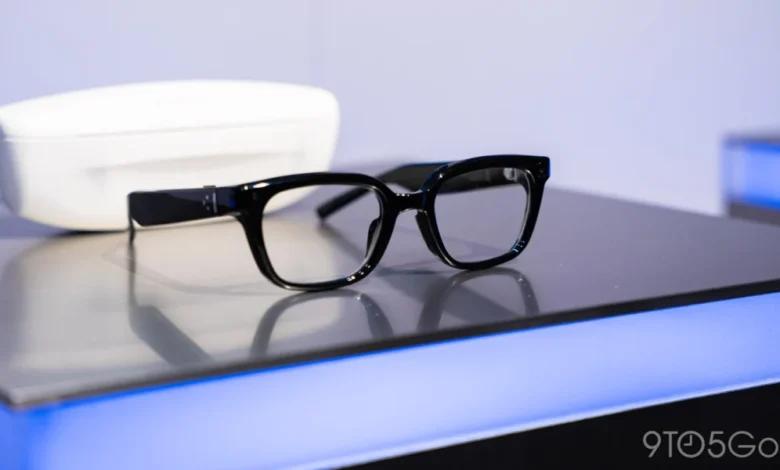
The landscape of wearable technology is poised for a significant shift as Gentle Monster has officially confirmed that its highly anticipated Android XR glasses will hit the market this December. This announcement serves as the final piece of a puzzle that has been assembling throughout late 2026, solidifying the arrival of Google and Samsung’s collaborative "Intelligent Eyewear" initiative. While the tech industry has spent years speculating on the convergence of augmented reality and everyday fashion, the confirmation from Gentle Monster, alongside parallel movements from Warby Parker, indicates that the hardware is finally ready for consumer-grade deployment.
The Chronology of the Android XR Rollout
The path to the December 2026 launch has been marked by a series of strategic disclosures designed to build anticipation while navigating the complexities of a new hardware category. The initiative, spearheaded by the strategic partnership between Google and Samsung, aims to define the "Intelligent Eyewear" sector by blending high-end fashion design with robust, Android-powered spatial computing.
The timeline of these developments reveals a calculated rollout:
- Early 2026: Initial reports surfaced regarding a collaborative effort between Google’s Android XR division and major eyewear manufacturers to create a non-intrusive, glasses-based form factor for spatial computing.
- Late Q3 2026: Industry leaks suggested that the hardware, characterized by its focus on slim, wearable aesthetics rather than bulky headsets, would target a year-end release window to capitalize on holiday retail traffic.
- Early November 2026: Warby Parker broke the silence by announcing a pre-order date of November 12, 2026, for its own line of Android XR glasses. This signaled that the platform ecosystem was nearing a state of readiness.
- November 6, 2026: Gentle Monster released a teaser campaign featuring actor Joaquin Phoenix and directed by Jonathan Glazer. Within this cinematic announcement, the company explicitly confirmed a December 2026 retail launch.
This synchronized approach between two distinct design partners—Warby Parker, known for its accessible optical retail footprint, and Gentle Monster, known for its avant-garde, luxury-focused aesthetic—suggests that Google and Samsung are targeting a wide demographic spectrum, from practical tech enthusiasts to high-fashion consumers.
Design Philosophy and Strategic Partnerships
The core of the Android XR project lies in the "Intelligent Eyewear" branding. Unlike the bulky augmented reality headsets that dominated early industry efforts, such as the Meta Quest or the Apple Vision Pro, the Google-Samsung initiative prioritizes the form factor of traditional spectacles.
Gentle Monster’s involvement is particularly noteworthy due to the brand’s history of integrating technology into eyewear. Their previous ventures into "smart" glasses focused on audio integration and connectivity, but the Android XR iteration represents a leap forward in terms of compute power and visual overlay capabilities. The short film teaser, characterized by its "cinematic journey between reality and dream," suggests a marketing strategy that emphasizes the seamless nature of the technology. By collaborating with visionaries like Jonathan Glazer, Gentle Monster is attempting to position the product not merely as a piece of hardware, but as an extension of the user’s sensory experience.

The dual-partner strategy allows the platform to address different consumer pain points. Warby Parker provides a familiar, accessible retail environment with established optical expertise, likely focusing on prescription-ready integration. Gentle Monster provides the cachet and experimental design language required to make wearable computing desirable as a fashion accessory rather than a purely functional device.
Supporting Data and Market Context
The wearable technology market is currently in a state of transition. According to industry analysts, the "smart glasses" segment is expected to grow at a compound annual growth rate (CAGR) of approximately 20% through 2030, as consumers shift away from handheld smartphone dependency toward ambient computing.
The Android XR platform is built on the foundation of the Android Open Source Project (AOSP), optimized specifically for low-latency spatial rendering. Key specifications inferred from recent disclosures indicate a focus on:
- Low-Latency Processing: Essential for preventing motion sickness and maintaining visual coherence.
- Battery Optimization: A critical bottleneck for glasses-based form factors, necessitating high-density, low-profile power cells.
- Sensor Integration: The utilization of outward-facing cameras and depth sensors to map the user’s environment in real-time.
While technical specifications for the Gentle Monster glasses remain under wraps, the partnership with Google implies a deep integration with the Google Play Services ecosystem. This will likely include features such as real-time language translation, heads-up navigation, and context-aware notification management—all delivered through a lightweight optical display system.
Official Responses and Industry Sentiment
While Google and Samsung have been relatively tight-lipped regarding the granular technical details, their representatives have consistently referred to the Android XR ecosystem as a "new frontier for mobile computing." In previous industry summits, spokespeople for the companies emphasized that the success of the platform depends not on hardware specifications alone, but on the breadth of the software ecosystem and the comfort of the physical design.
The reaction from the tech community has been one of cautious optimism. The late-year launch is an unusual move for high-stakes consumer hardware, which often targets early-to-mid-year release windows to avoid production bottlenecks. However, by launching in December, these companies are positioning the glasses as premium, high-tech gifts, effectively testing the market’s willingness to adopt wearable technology at a higher price point during the peak retail season.
Market observers note that the success of these glasses will depend on the "utility-to-friction" ratio. If the glasses can provide value—such as unobtrusive navigation or instant access to digital information—without the social stigma or physical discomfort associated with previous smart glass failures, they could mark the beginning of a post-smartphone era.

Broader Implications and Future Outlook
The launch of the Gentle Monster and Warby Parker Android XR glasses represents a pivotal moment for the Android ecosystem. For years, Google has sought to define its own path in the XR space, moving past the early days of Google Glass toward a more sustainable, platform-centric model.
The implications of this launch extend beyond simple hardware sales. If these devices gain traction, they will create a new class of "spatial developers" tasked with building applications for a wearable interface. This will require a fundamental shift in user interface design, moving from touch-based inputs to voice, gesture, and gaze-based interaction models.
Furthermore, the involvement of high-fashion labels signals a broader trend: the "tech-washing" of wearables. By decoupling the hardware from the "geeky" aesthetic of traditional Silicon Valley products, companies are banking on the idea that the consumer of 2027 wants their digital assistant to look as good as their favorite pair of designer frames.
As the industry looks toward December 2026, all eyes will be on the retail performance of these devices. If the launch proves successful, it will likely trigger a massive influx of investment from other hardware manufacturers looking to capture a share of the burgeoning intelligent eyewear market. Conversely, any technical or supply chain issues during this rollout could dampen consumer confidence in the category for several years to come.
For now, the stage is set. With the pre-orders for the Warby Parker line opening on November 12 and the full cinematic reveal from Gentle Monster arriving shortly thereafter, the hardware is moving from the realm of prototypes and concept art into the hands of the public. Whether these glasses become the next essential accessory or remain a niche curiosity remains to be seen, but the era of Android-powered, fashion-forward spatial computing has officially begun.