Samsung Extends Software Support for Galaxy Watch 9 and Galaxy Watch Ultra 2 to Five Years, Setting a New Industry Benchmark

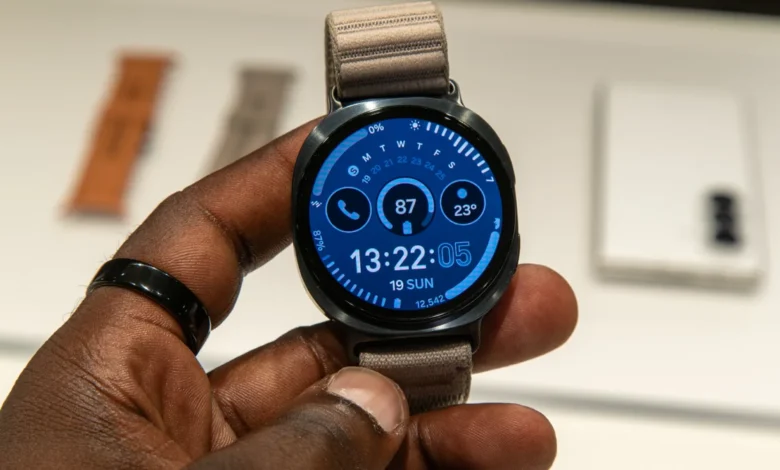
Samsung Electronics has announced a significant enhancement to its software support policy for its latest wearable devices, the Galaxy Watch 9 and Galaxy Watch Ultra 2. Unveiled at the highly anticipated Galaxy Unpacked event in London on July 22, these new smartwatches will now receive an unprecedented five major Wear OS upgrades, alongside a continuation of five years of security updates. This strategic move positions Samsung at the forefront of the Android smartwatch market, offering a level of longevity that surpasses many of its direct competitors, including Google’s own Pixel Watch lineup.
The Unpacked Revelation: A Quiet Yet Significant Upgrade
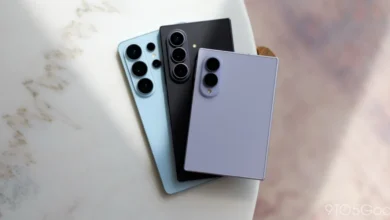
The Galaxy Unpacked event, typically a spectacle dominated by Samsung’s flagship foldable smartphones like the new Galaxy Z Fold 8 series, also served as the launchpad for these advanced wearables. While the spotlight often shines brightest on the innovative foldable designs and powerful new mobile processors, Samsung’s quiet revelation regarding extended software support for its smartwatches holds profound implications for consumers and the broader wearable technology industry. The announcement, though not a central feature of the keynote presentation, quickly resonated with tech enthusiasts and industry analysts who recognize the long-term value it presents. Beyond the larger batteries and incremental performance gains, this commitment to software longevity emerges as one of the most compelling upgrades for the Galaxy Watch 9 and Galaxy Watch Ultra 2.
Elevating Wear OS: Samsung’s Commitment to Longevity
Prior to this announcement, Samsung already held a commendable position among Android smartwatch manufacturers for its software update policies. The company historically provided four major Wear OS upgrades and five years of security updates for its Galaxy Watch series. This policy already placed Samsung ahead of several rivals. For instance, Google, the developer of the Wear OS platform itself, currently offers only three years of software updates for its Pixel Watch devices. This disparity highlighted Samsung’s proactive approach to device lifecycle management and customer satisfaction. With the introduction of the Galaxy Watch 9 and Galaxy Watch Ultra 2, Samsung has pushed this commitment even further, adding an additional major OS upgrade to its existing five-year security patch promise. This means consumers investing in these new models can expect their devices to remain current and feature-rich for a significantly longer period, extending their utility and value well into the future.
Both the Galaxy Watch 9 and Galaxy Watch Ultra 2 will ship with One UI 9, Samsung’s custom interface layered atop Wear OS 7. Assuming Samsung adheres to its stated policy, these smartwatches are projected to continue receiving major Wear OS updates through 2031. This ambitious timeline would foreseeably take the devices through to Wear OS 12, demonstrating an unparalleled commitment to keeping its hardware technologically relevant.
Technical Foundations: The Role of the Snapdragon Wear Elite Chipset
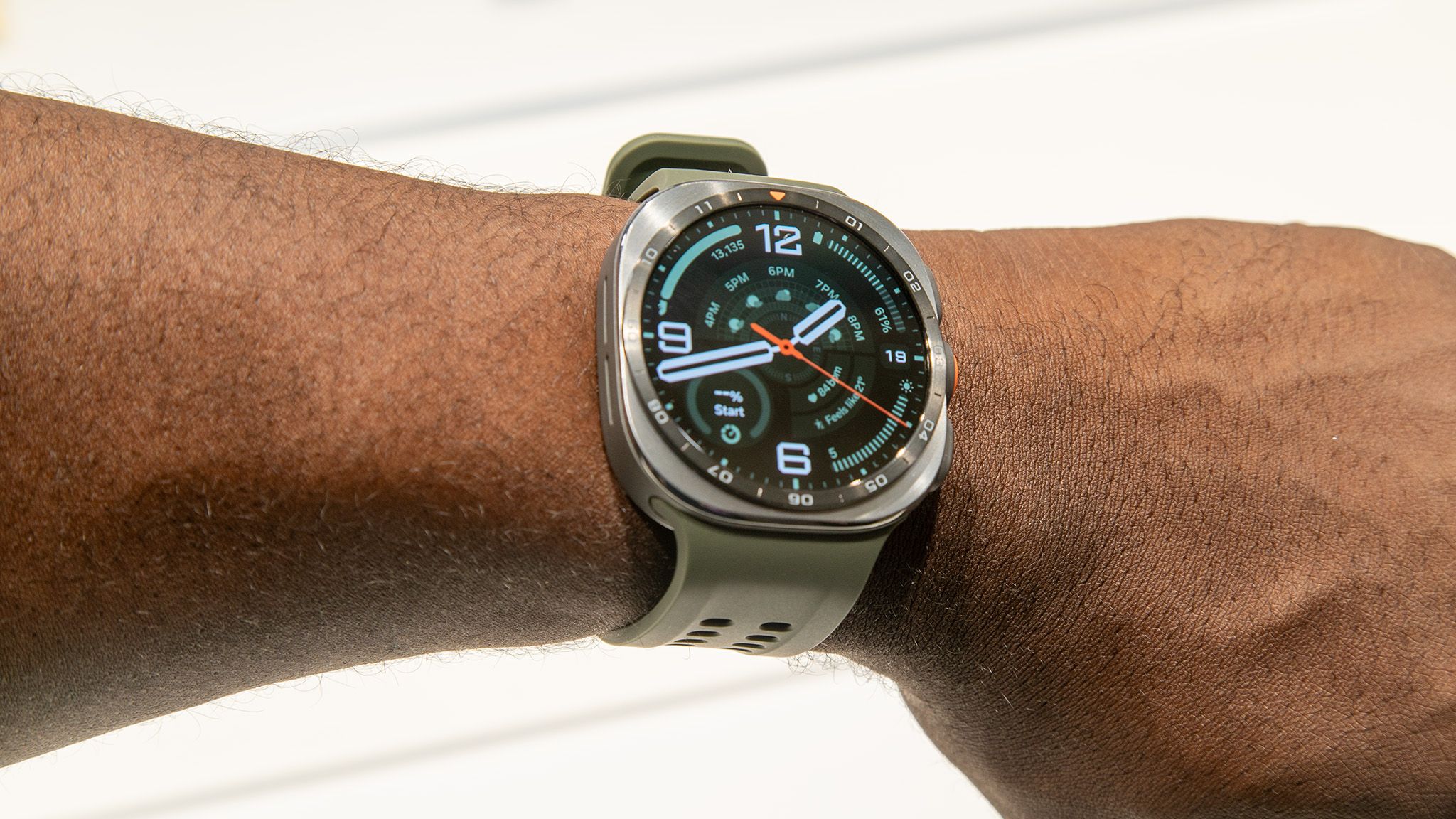
The ability to offer such extended software support is not merely a policy decision; it is deeply rooted in the underlying hardware capabilities of the new smartwatches. A key factor enabling this enhanced longevity is the integration of the new Snapdragon Wear Elite chipset. While specific details about this processor were not extensively elaborated during the Unpacked event, industry insights suggest it is built on an advanced 3-nanometer (3nm) manufacturing process. This represents a significant leap forward in wearable processor technology.
The 3nm process node is crucial for several reasons. Firstly, it allows for a higher transistor density, meaning more processing power can be packed into a smaller physical footprint. Secondly, and perhaps more importantly for wearables, it dramatically improves power efficiency. A more efficient chip translates to better battery life, even with increased performance demands. Samsung claims the new Snapdragon Wear Elite chipset delivers up to 32% better performance compared to the previous generation. This substantial performance boost provides ample headroom for future software iterations, which often demand more processing power and memory. As Wear OS evolves with new features, more sophisticated health tracking algorithms, and potentially richer graphical interfaces, a robust and efficient chipset is indispensable. By building these watches on such a powerful and future-proof foundation, Samsung is ensuring that the hardware can comfortably support software advancements for many years to come, making the extended support policy technically feasible and sustainable.
A Chronology of Wear OS and Samsung’s Evolution
Understanding the significance of Samsung’s new policy requires a brief look at the history of the Wear OS platform and Samsung’s journey in the smartwatch market.
- Early Wear OS (Android Wear): Launched in 2014, Google’s Android Wear (later rebranded to Wear OS) initially struggled to gain significant traction against rivals like Apple Watch. It faced criticism for performance issues, battery life, and a perceived lack of innovative features.
- Samsung’s Tizen OS Era: During this period, Samsung largely pursued its own path with Tizen OS for its Galaxy Watch series. Tizen-powered watches were lauded for their battery life, intuitive rotating bezel interface, and solid performance, carving out a niche for Samsung in the global smartwatch market.
- The Pivotal Partnership with Google for Wear OS 3: In 2021, a landmark collaboration between Google and Samsung was announced. Samsung decided to abandon Tizen for its mainstream smartwatches and co-developed a unified platform, Wear OS 3, which combined the best elements of Tizen with Google’s Wear OS. This partnership revitalized Wear OS, bringing significant performance improvements, better battery management, and a richer app ecosystem, largely driven by Samsung’s hardware expertise.
- Previous Galaxy Watch Software Policies: With the adoption of Wear OS, Samsung committed to four major OS upgrades and five years of security updates for its Wear OS-based Galaxy Watches, setting a high bar for the Android segment.
- The Current Announcement: The expansion to five major Wear OS upgrades for the Galaxy Watch 9 and Galaxy Watch Ultra 2 signifies a new chapter, not just for Samsung but potentially for the entire Wear OS ecosystem. It underscores a long-term vision for smartwatches as enduring personal technology devices.
Competitive Landscape: Benchmarking Against Rivals
Samsung’s latest software support policy places it in a highly competitive position within the wearable market, outperforming key players in critical areas.
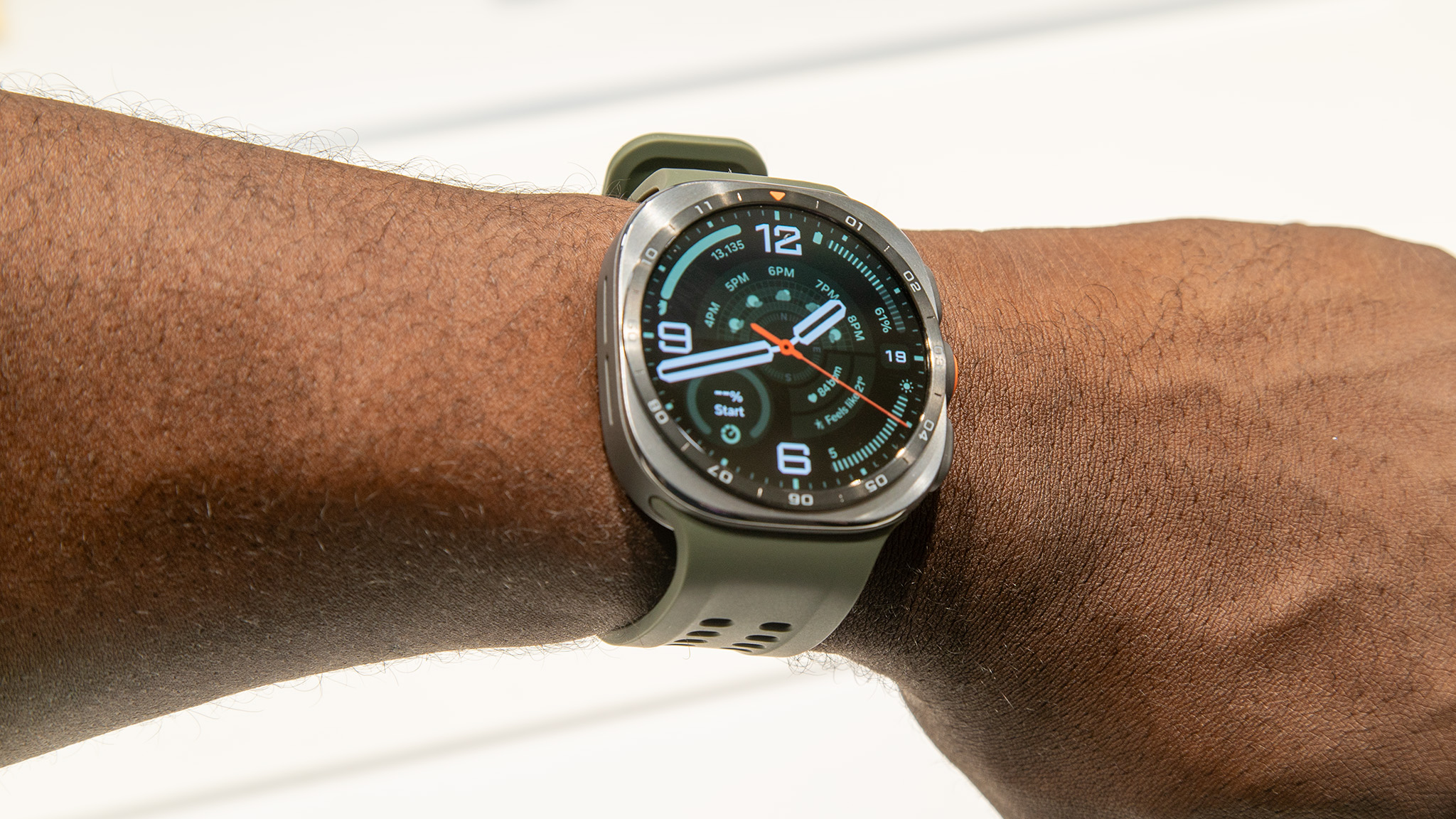
- Google Pixel Watch: As previously noted, Google’s own Pixel Watch offers three years of software updates. Samsung’s two additional years of major OS upgrades for its new devices clearly differentiate its offering and challenge Google to match or exceed this standard for its future wearables.
- Apple Watch: Apple, the dominant player in the global smartwatch market, does not typically specify an exact number of years for watchOS updates. However, its historical trend shows that Apple Watch models usually receive watchOS updates for 5-7 years, tied to their compatibility with newer iOS versions. While Apple’s ecosystem approach ensures long-term support, Samsung’s explicit commitment to five major OS upgrades for an Android-based watch is a direct and transparent promise of longevity that rivals Apple’s implicit strategy.
- Other Wear OS Brands: Many other manufacturers producing Wear OS smartwatches, such as Fossil, Mobvoi, and others, often provide less consistent or shorter periods of software support. This fragmented approach has historically been a weakness of the broader Android wearable ecosystem. Samsung’s bold move could pressure these brands to improve their own update policies to remain competitive.
- Fitness Trackers/Dedicated Sports Watches (Garmin, Fitbit): Brands like Garmin and Fitbit operate on a different model. While they offer continuous firmware updates and feature enhancements for many years, these are not "major OS upgrades" in the same vein as Wear OS or watchOS. Their focus is typically on refining fitness tracking algorithms, adding new sports profiles, and improving sensor accuracy, rather than comprehensive operating system overhauls. Samsung’s policy directly addresses the "smart" aspect of smartwatches, ensuring they remain capable of running the latest apps and functionalities.
Consumer Value and Environmental Impact
The extended software support policy for the Galaxy Watch 9 and Galaxy Watch Ultra 2 carries substantial benefits for consumers and holds significant implications for environmental sustainability.
- Enhanced Value Proposition: For consumers, a device that receives five years of major OS upgrades represents a significantly enhanced value proposition. Smartwatches are becoming increasingly sophisticated, integrating advanced health monitoring, contactless payments, smart home control, and communication features. Longer software support means that users can continue to access the latest features, security patches, and app compatibility for a prolonged period, maximizing their investment. This reduces the pressure to upgrade devices frequently, allowing users to fully amortize the cost of their premium smartwatch over a longer lifecycle.
- Investment Protection: The Galaxy Watch 9 starts at $380 in the U.S., while the Galaxy Watch Ultra 2 is priced at $700. These are substantial investments for a wearable device. The guarantee of five major OS upgrades provides a strong reassurance that these premium devices will not become obsolete prematurely due to lack of software support. This protection of investment makes the initial purchase more appealing and justifiable.
- Sustainability and Reduced E-waste: In an era of increasing environmental consciousness, device longevity is a critical factor. By extending the usable life of its smartwatches, Samsung contributes to reducing electronic waste (e-waste). Shorter update cycles often lead to devices being discarded even when their hardware is still functional, simply because they no longer receive critical software updates or security patches. Samsung’s commitment to five years of support aligns with global efforts to promote sustainability and circular economy principles in electronics manufacturing. It encourages consumers to keep their devices longer, thereby lessening the environmental burden associated with frequent manufacturing and disposal. This move could also serve as a powerful marketing tool, appealing to environmentally conscious consumers.
Strategic Implications for Samsung and the Wearable Market
Samsung’s decision to extend software support is not just a gesture of goodwill; it’s a strategic move with far-reaching implications for the company and the wider wearable technology market.
- Market Leadership and Differentiation: This policy firmly entrenches Samsung as a leader in the Android smartwatch segment. In a market where hardware innovations can often be incremental, software support emerges as a key differentiator. By offering the most comprehensive update policy, Samsung creates a compelling reason for consumers to choose its smartwatches over competitors.
- Strengthening Brand Loyalty: Long-term software support fosters greater customer satisfaction and loyalty. Users who feel that their devices are well-supported over time are more likely to remain within the Samsung ecosystem for their next purchase. This creates a virtuous cycle of repeat business and positive brand perception.
- Pressure on Competitors: Samsung’s move sets a new benchmark that other Wear OS manufacturers, and even Google itself, may feel compelled to match. This could lead to a positive ripple effect across the industry, driving better software support practices overall. If Google’s own Pixel Watch offers less support than a partner’s device running Wear OS, it could prompt Google to re-evaluate its own policies to maintain platform integrity and competitiveness.
- Bolstering the Wear OS Ecosystem: For Google, Samsung’s commitment is a significant boon. Extended support from a major partner like Samsung makes the Wear OS platform more attractive and reliable. It signals to both developers and consumers that Wear OS is a robust and future-proof ecosystem, encouraging greater investment in app development and user adoption. This is particularly important as Wear OS seeks to solidify its position against the entrenched Apple Watch.
- Long-Term Vision for Wearables: The decision reflects Samsung’s long-term vision for smartwatches as integral, enduring personal health and connectivity devices, rather than transient gadgets. It suggests a confidence in the underlying technology and the future trajectory of the Wear OS platform.
Pricing and Availability
The Samsung Galaxy Watch 9 and Galaxy Watch Ultra 2, with their newly announced extended software support, are slated for availability starting August 7. The Galaxy Watch 9 will be accessible from a starting price of $380 in the United States, while the premium Galaxy Watch Ultra 2 will be available for $700. These price points, coupled with the enhanced longevity promise, aim to solidify Samsung’s appeal across different segments of the smartwatch market.
In conclusion, Samsung’s expansion of software support for its Galaxy Watch 9 and Galaxy Watch Ultra 2 to five major Wear OS upgrades and five years of security updates represents a pivotal moment for the wearable industry. While not the most attention-grabbing announcement at Galaxy Unpacked, its implications for consumer value, environmental sustainability, and competitive dynamics are profound. This strategic move, underpinned by advanced hardware like the Snapdragon Wear Elite chipset, not only reinforces Samsung’s leadership but also sets a new, higher standard for device longevity and customer commitment in the rapidly evolving world of smartwatches.