Vivo Reportedly Developing a Compact Wide Foldable Phone Targeted for a 2027 Market Launch


The global smartphone landscape continues to evolve as manufacturers experiment with form factors to capture a larger share of the lucrative foldable device market. Recent supply chain whispers and industry leaks indicate that Chinese consumer electronics manufacturer Vivo is actively developing a novel "wide fold" smartphone. Unlike its competitors, who are primarily pushing for larger screen real estate, Vivo’s upcoming device reportedly aims to buck the trend by offering a significantly more compact footprint, targeting a commercial release window in 2027.
The development cycle of this mysterious device has caught the attention of mobile technology analysts following a series of posts on the social media platform Weibo. Prominent and historically reliable industry insider Digital Chat Station (DCS) brought the project back into the public eye, revealing that Vivo has maintained its research and development efforts surrounding a widescreen foldable design despite shifting industry trends. According to these latest leaks, the primary internal hardware components for the device have already been largely finalized, suggesting that the engineering blueprint has moved past the conceptual phase and into practical prototyping.
Challenging Industry Standards with a Sub-6.5-Inch Approach
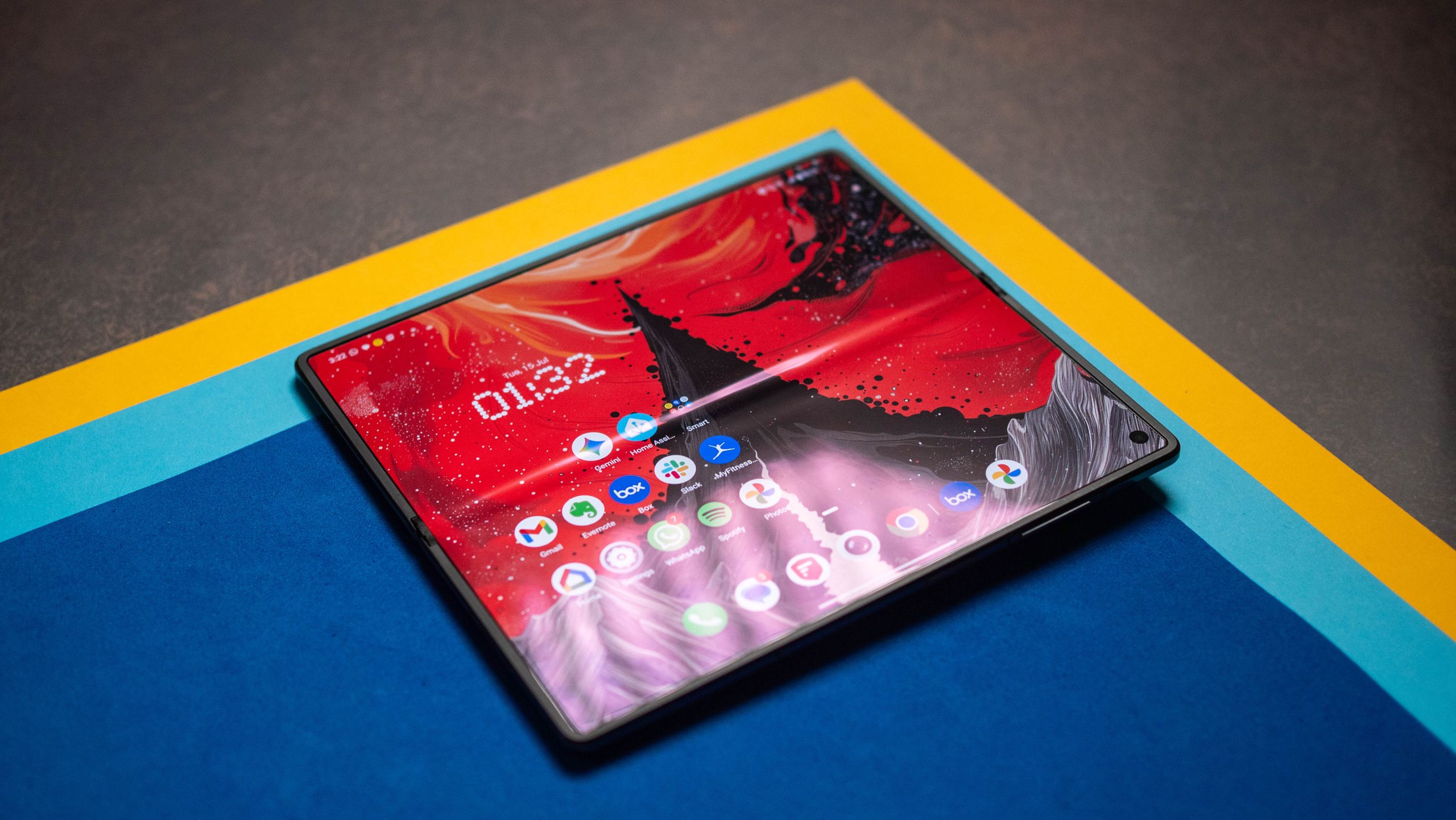
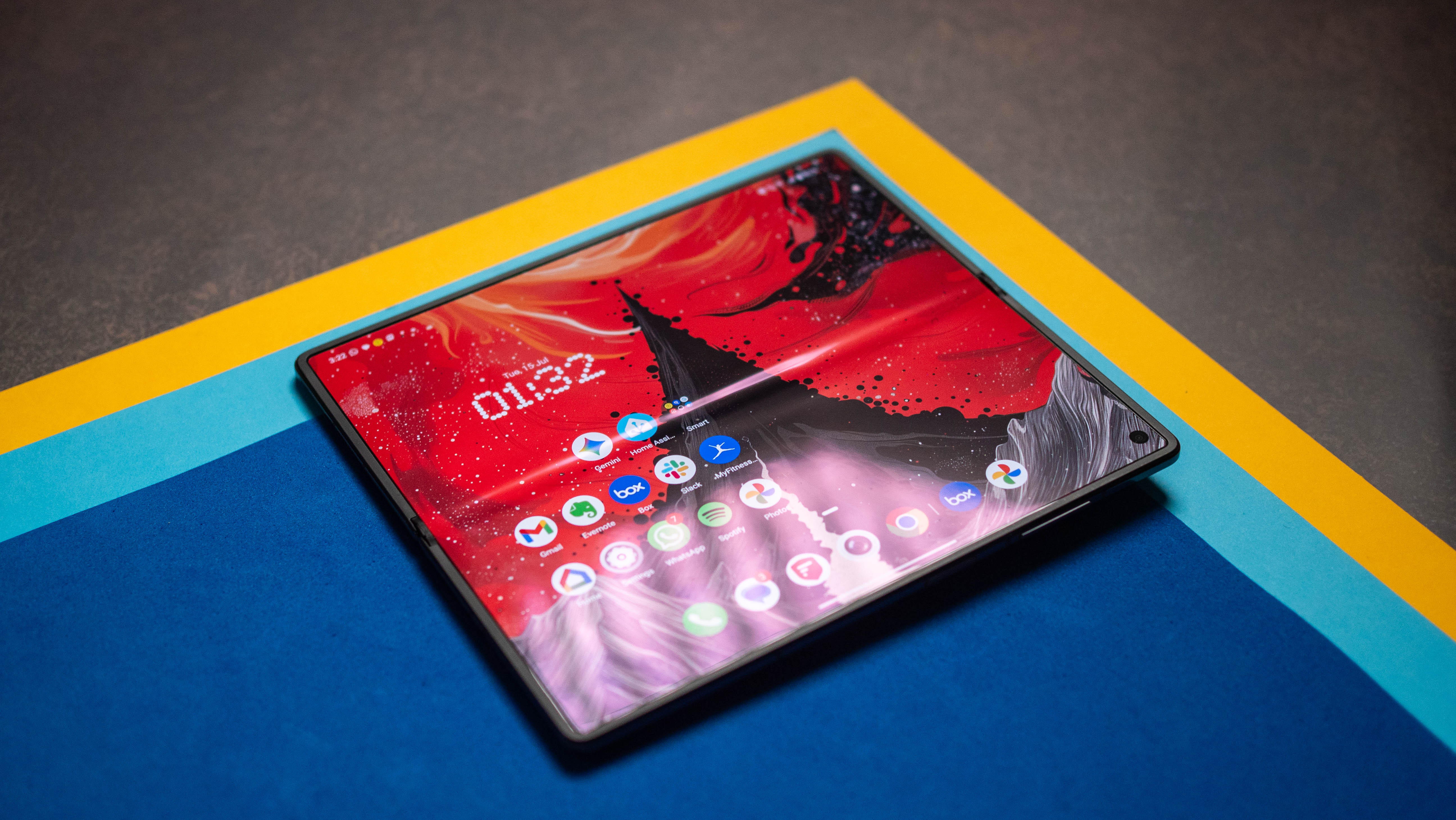
The defining characteristic of Vivo’s rumored device is its size. While the broader foldable market trends toward expansive displays—typified by devices like Samsung’s Galaxy Z Fold 8 and hypothetical Apple dual-screen ecosystem products, both of which utilize expansive inner screens measuring roughly 7.6 inches—Vivo’s proposed wide foldable is expected to feature a main display measuring under 6.5 inches.
This design philosophy positions the device in a unique category. By opting for a sub-6.5-inch inner screen, Vivo is attempting to solve a common ergonomic complaint among consumers: the cumbersome nature of traditional book-style foldables when used in folded or unfolded states. For users who find current foldable offerings too heavy, bulky, or wide to comfortably operate with one hand, a downscaled, ultra-thin widescreen alternative could bridge the gap between traditional candy-bar smartphones and expansive tablet-style folding devices.
Tech enthusiasts discussing the leak on Chinese microblogging platforms have expressed general optimism regarding the direction. Many commentators noted that while the overall physical dimensions may shrink, Vivo’s historical reputation for packing high-tier processing specifications, premium camera systems, and advanced hinge mechanisms into its hardware could make the device a compelling option for power users who prioritize portability.
The Evolving Landscape of Wide Foldables
The race to capture the wide foldable market has intensified significantly over the last several years. Following Samsung’s initial success in popularizing the book-style foldable format globally, rival original equipment manufacturers (OEMs) such as Honor and OPPO quickly began developing competing widescreen models to challenge Samsung’s dominance.
Industry leaks concerning Vivo’s primary competitors highlight a stark contrast in product strategy. Reports surrounding Honor’s upcoming wide foldable suggest the company is leaning heavily into maximum specifications, with leaks pointing toward a 7.6-inch internal display, a 5.5-inch cover screen, and an exceptionally high-capacity battery rumored to exceed 7,000mAh. Similarly, OPPO has been tied to rumors of a wide-format foldable device equipped with a 7.6-inch display, a 5.5-inch exterior panel, and cutting-edge silicon such as Qualcomm’s advanced mobile processors, with a potential market arrival slated for the first quarter of 2027.
Against this backdrop, Vivo stands out as the only major manufacturer actively rumored to target a noticeably smaller canvas for its wide fold project. While early speculation erroneously linked the device to hypothetical naming conventions such as the "X Fold 6," supply chain realities dictate a much later timeline, aligning the commercial debut firmly with the 2027 release window.
Chronology of Foldable Evolution and Market Adaptation
To understand the significance of Vivo’s 2027 timeline, it is essential to examine the chronological progression of the foldable market over the past half-decade:
- 2019–2021 (The Experimental Phase): Early foldables entered the market with experimental designs, plagued by high price points, fragile displays, prominent creases, and mechanical durability concerns.
- 2022–2024 (Refinement and Normalization): Manufacturers refined hinge technologies, reduced device thickness, and introduced water resistance. Brands like Vivo entered the market with competitive horizontal foldables like the Vivo X Fold series, gradually capturing market share in Asia and select international regions.
- 2025–2026 (The Wide Fold Shift): Consumer preferences began shifting toward wider cover screens that mimic standard candy-bar smartphones, moving away from the tall, narrow aspect ratios popularized by early generation devices. Competitors like Honor and OPPO began preparing dedicated wide-foldable hardware.
- 2027 and Beyond (Diversification of Form Factors): As the market matures, manufacturers are beginning to segment their portfolios. While some brands focus on maximizing screen size and battery capacity, Vivo’s reported pivot toward a compact wide-foldable design indicates an attempt to carve out a specialized niche for consumers desiring pocket-friendly dimensions.
Technical Hurdles and Engineering Implications
Designing a compact wide foldable presents unique engineering challenges. Shrinking the internal display to under 6.5 inches while maintaining a wide aspect ratio requires micro-component miniaturization, ultra-thin battery architectures, and advanced thermal management systems to prevent overheating in a restricted chassis.
Furthermore, hinge durability becomes exponentially more complex as devices get thinner. Vivo has previously demonstrated expertise in hinge engineering, utilizing lightweight carbon fiber and aerospace-grade steel to reduce weight and minimize screen creasing. Applying these lessons to a smaller, thinner wide-foldable chassis will be critical to the device’s commercial viability.
Analysts note that consumer reception will largely depend on whether battery life is severely compromised by the smaller physical dimensions. If Vivo can successfully integrate high-density silicon-carbon battery cells—a technology rapidly being adopted across the industry to pack larger capacities into thinner spaces—the device could overcome traditional battery-life criticisms associated with compact smartphones.
Broader Market Implications and Future Outlook
The entry of a compact wide foldable into the 2027 product roadmap reflects a maturing industry willing to cater to diverse consumer segments rather than adhering strictly to a one-size-fits-all philosophy.
For the broader mobile industry, Vivo’s strategy could validate a new sub-category of foldables. If successful, the device may compel other manufacturers to reconsider their size parameters, offering consumers a middle ground between traditional flip phones (clamshells) and massive book-style foldables.
As development continues behind closed doors, consumers and industry watchers will be keeping a close eye on further supply chain leaks to see whether Vivo’s ambitious vision for a compact wide foldable successfully transitions from blueprint to reality by 2027.