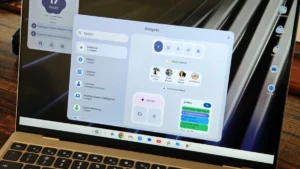
Pixelated Episode 118: Analyzing the Android-Powered Laptop Transition and Google’s Evolving Hardware Strategy

The latest installment of the Pixelated podcast, Episode 118, offers a comprehensive deep dive into the practical realities of Google’s newest laptop lineup, exploring the significant pivot toward an Android-integrated computing environment. Hosts Damien and Abner, joined by producer Will, provide listeners with hands-on impressions that dissect the user experience, the structural differences between the new Googlebook platform and the long-standing ChromeOS, and the strategic hurdles Google faces as it attempts to unify its mobile and desktop ecosystems.
The Evolution of the Google Computing Platform
For over a decade, ChromeOS has served as the backbone of Google’s hardware strategy in the education and budget-conscious laptop sectors. Built on a Linux kernel and optimized for web-based applications, ChromeOS prioritized security, speed, and simplicity. However, the introduction of a new hardware tier powered by Android represents a fundamental shift in Google’s vision for personal computing.
The transition is not merely a branding exercise; it is an architectural evolution. Unlike ChromeOS, which utilizes a containerized approach to run Android apps, the new Googlebook platform aims to treat Android as the primary operating system. This move reflects the growing sophistication of mobile silicon and the increased demand for a seamless transition between smartphone and laptop interfaces. Industry analysts have long anticipated this convergence, noting that as mobile processors—specifically those based on ARM architecture—reach parity with traditional x86 desktop chips, the distinction between mobile and desktop software becomes increasingly arbitrary.
Hands-On Impressions and User Experience
During the discussion, the hosts highlighted the immediate tactile and functional differences of the new devices. A primary point of interest for the team was the fluidity of the interface. Android, originally designed for touch-first environments, has undergone extensive modifications to accommodate mouse and keyboard inputs, window management, and multi-tasking scenarios common in a professional laptop setting.

Damien and Abner noted that while the familiarity of the Android interface lowers the barrier to entry for existing smartphone users, it presents unique challenges for power users accustomed to the desktop-class file management of ChromeOS. The podcast episode details the "learning curve" associated with managing app-based workflows compared to the browser-centric workflows that have defined the Google hardware ecosystem for years. Key takeaways from their testing include:
- Window Management: The transition from full-screen mobile app behavior to a desktop-like windowed environment remains a work in progress, with varying levels of optimization across different applications.
- Peripheral Support: The integration of legacy hardware, such as external monitors and docking stations, appears to be better supported in this iteration than in previous experimental Android-on-laptop builds, though it still lags behind the robustness of native desktop operating systems.
- Battery Efficiency: Leveraging the inherent power management features of Android, the new lineup demonstrates impressive idle-state battery life, a critical metric for a device intended for mobile productivity.
Strategic Implications and Market Challenges
Google’s decision to pursue this trajectory comes at a time of heightened competition in the laptop market. With Apple’s successful transition to its own Silicon and Microsoft’s continued refinement of Windows on ARM, the pressure to deliver a unified experience is immense. For Google, the goal is to leverage its massive Android developer ecosystem to breathe new life into its laptop offerings.
However, the success of the Googlebook platform hinges on several critical factors:
- Developer Adoption: For the platform to succeed, developers must optimize their Android applications for large-format displays and non-touch inputs. Historically, this has been the "Achilles’ heel" of Android tablets and alternative form factors.
- Enterprise Readiness: To capture the corporate market—a segment currently dominated by Windows and, to a lesser extent, macOS—Google must address concerns regarding security, remote management, and compatibility with enterprise-grade software suites.
- Brand Differentiation: Google must clearly define the value proposition of these laptops for consumers who may already own a Chromebook or a Windows PC. Without a clear narrative regarding "why Android on a laptop," the product risks being perceived as a redundant offering.
The Roadmap: Where Google Goes from Here
Following the launch, the industry is watching closely to see how Google updates its software stack to address early user feedback. The panel in Episode 118 identified several steps Google needs to take to ensure the platform gains traction. These include:
- Continuous Software Refinement: Regular, rapid updates to the system UI to improve the desktop experience.
- Incentivizing Developers: Launching programs or SDK improvements that make it easier for developers to bring their mobile applications to the desktop environment without significant manual effort.
- Unified Ecosystem Messaging: Google needs to articulate a cohesive message that integrates the Googlebook, the Pixel smartphone, and the broader Google Workspace suite, emphasizing a "better together" functionality that competitors cannot replicate.
Broader Context of the Android Ecosystem
The expansion of the Android ecosystem into the laptop space is the latest chapter in a long-term strategy that began with the launch of the T-Mobile G1 in 2008. Over the last 16 years, Android has grown from a fledgling mobile OS to a global powerhouse, influencing everything from televisions and smartwatches to automotive infotainment systems.

The move into the laptop market is a natural, albeit risky, progression. While the tablet market proved difficult for Android to conquer due to the dominance of the iPad, the laptop market offers a different set of challenges. By focusing on productivity and the integration of the Google suite—Docs, Sheets, Drive—Google is positioning its new laptops as the ultimate tool for a specific demographic: the mobile-first worker who lives primarily in the cloud.
Podcast Community and Industry Support
The conversation on Pixelated Episode 118 also serves as a microcosm of the broader discourse within the Android community. As listeners engage with the content, the feedback loop between enthusiasts, developers, and Google becomes increasingly vital. The podcast, through its partnership with entities like Proton Unlimited, also highlights the importance of privacy and security in the modern computing landscape—a trend that will undoubtedly play a role in how these new devices are perceived by enterprise customers.
In closing, the transition toward an Android-powered laptop platform is a pivotal moment for Google. Whether this represents the future of personal computing or a niche experiment depends on the company’s ability to maintain a consistent development cadence and win the support of both the user base and the third-party developer community. The insights shared by Damien and Abner in Episode 118 provide a necessary baseline for understanding these challenges, offering a roadmap for what lies ahead in the coming months as these devices make their way into the hands of the public.
For those interested in a deeper analysis of the hardware specifications, user interface nuances, and the future trajectory of the Android desktop experiment, the full discussion can be accessed via the episode link. As Google continues to iterate, the Pixelated team remains committed to tracking the platform’s progress, ensuring that users have the information needed to navigate this changing technological landscape.