The Evolution of Modern Marketing: Top Trends Shaping the Future of E-Commerce and Digital Strategy

The digital marketplace is locked in a state of perpetual transformation, mirroring the rapid advancements of the e-commerce sector it serves. Year after year, shifting consumer behaviors, technological breakthroughs, and innovative strategies pioneered by global brands redefine how businesses connect with their audiences. Over the past decade, the center of gravity in marketing has shifted decisively toward social interaction, short-form video formats, and data-driven engagement. This evolution reflects a broader reality: capturing the modern consumer requires substantial financial and time investments across both organic and paid acquisition channels. To maintain relevance, brands must deploy precision targeting, reaching consumers on the right platforms at the exact moment of intent. As budgets expand and digital channels saturate, industry analysts and marketing leaders are closely monitoring five critical trends set to dictate commercial success in the coming period.
The Financial and Strategic Shift in Digital Ad Spend
Recent economic data underscores the mounting financial commitment required to sustain a competitive advantage in online retail and digital services. According to global advertising forecasts, worldwide digital ad spending continues to climb, projected to surpass historic highs as businesses pivot away from traditional media. This capital allocation is not arbitrary; it directly responds to fragmented consumer attention spans and the demand for omnichannel experiences.
Historically, marketing relied heavily on broad demographic sweeps and generalized messaging. However, the rise of ad-blocking software, privacy regulations phasing out third-party cookies, and shifting generational preferences have rendered legacy tactics largely ineffective. Consequently, CMOs are reallocating resources toward infrastructure that supports real-time analytics, artificial intelligence, and interactive media. This strategic pivot aims to lower customer acquisition costs (CAC) while simultaneously increasing customer lifetime value (LTV).
1. Responsible Artificial Intelligence and the Demand for Ethical Tech
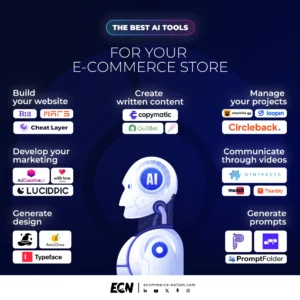
Artificial intelligence has transitioned from a speculative technological novelty to the operational backbone of modern marketing. However, the rapid integration of machine learning models has introduced a new imperative: responsible artificial intelligence. This framework emphasizes transparency, data privacy, algorithmic fairness, and accountability in automated decision-making.
As regulatory bodies worldwide—most notably the European Union with its landmark Artificial Intelligence Act—begin to codify rules governing automated systems, marketers face mounting pressure to ensure their AI-driven campaigns do not perpetuate bias or mislead consumers. Responsible AI involves clear disclosure when users are interacting with chatbots, strict adherence to consent protocols regarding personal data, and rigorous auditing of predictive algorithms. Industry leaders argue that consumer trust is the ultimate currency; failing to implement ethical AI safeguards risks severe reputational damage and regulatory penalties. By prioritizing transparency, brands can harness the computational power of machine learning without alienating privacy-conscious buyers.

2. Sustainability as a Core Brand Pillar and Conversion Driver
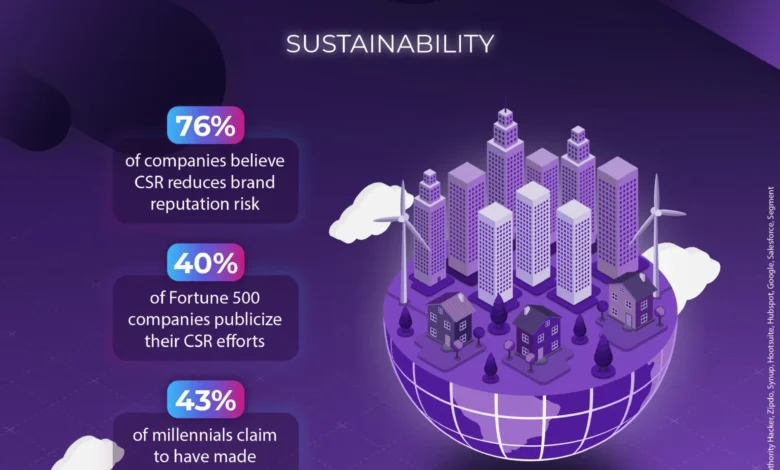
Environmental consciousness has evolved from a niche corporate social responsibility (CSR) initiative into a central driver of consumer decision-making. Modern buyers, particularly Millennials and Generation Z, increasingly scrutinize the environmental footprint of the brands they support. Consequently, digital marketing strategies are incorporating sustainability into every layer of the customer journey.
Brands are leveraging digital channels to communicate their eco-friendly product lines, circular economy initiatives, and carbon-reduction goals. Social media campaigns frequently highlight sustainable manufacturing processes, while strategic partnerships with eco-conscious influencers help amplify these messages to targeted demographics. Furthermore, technological innovations are bridging the gap between brand claims and consumer trust. Blockchain technology is increasingly deployed to provide immutable supply chain traceability, allowing buyers to verify the ethical sourcing of products via mobile applications. Similarly, personalized marketing engines are now utilizing preference data to recommend sustainable alternatives to traditional goods, proving that environmental responsibility and commercial profitability can coexist.
3. Conversational Search and the Rise of Voice-Activated Discovery
The methodology of consumer search behavior has undergone a structural shift away from fragmented keyword typing toward natural, conversational queries. Driven by the proliferation of smart speakers, mobile assistants, and advanced natural language processing (NLP), conversational search has forced SEO and content marketing professionals to completely overhaul their optimization strategies.

When users interact with voice assistants such as Siri, Google Assistant, or Alexa, they speak in complete sentences and conversational cadences rather than abbreviated strings of keywords. This behavior necessitates a pivot toward semantic search optimization, where content is structured to directly answer specific questions. Marketers must anticipate user intent by mapping out frequently asked questions, optimizing for local search queries, and ensuring their digital assets are easily interpretable by AI algorithms. Businesses that successfully adapt to conversational search capture high-intent traffic at the precise moment of query, significantly improving conversion rates and brand visibility.
4. Immersive Media and the Dominance of Short-Form Video
Video content remains the undisputed king of digital engagement, yet the format of delivery has bifurcated into two distinct categories: hyper-concise social clips and fully immersive experiences. Platforms like TikTok, Instagram Reels, and YouTube Shorts have conditioned audiences to evaluate and consume content in a matter of seconds. To penetrate this noise, brands are forced to master the art of immediate hook-based storytelling, leveraging humor, high-impact visuals, and concise messaging to capture attention within the critical opening three seconds.
Simultaneously, immersive technologies—including 360-degree video, augmented reality (AR), and virtual reality (VR)—are redefining the digital showroom. Retailers in apparel, cosmetics, and home furnishings are increasingly deploying AR filters and virtual try-on tools, enabling consumers to evaluate products within their own physical spaces prior to purchase. This interactivity reduces return rates, alleviates purchase hesitation, and fosters a deeper psychological connection between the consumer and the brand.

5. Hyper-Personalization Through Advanced Data Analytics
Generic email blasts and broad demographic segmentation are rapidly becoming relics of the past. The pinnacle of modern marketing strategy is hyper-personalization, a data-intensive approach that tailors offers, recommendations, and messaging to the unique behavioral patterns and immediate context of the individual consumer.
Powered by advanced machine learning models, hyper-personalization engines analyze vast quantities of first-party data—ranging from past purchase history and browsing velocity to real-time location and weather conditions. This allows e-commerce platforms to dynamically alter website landing pages, curate bespoke product recommendations, and deliver individualized push notifications. Industry analysis indicates that consumers not only expect this level of tailored service but actively reward brands that respect their preferences with higher loyalty and increased average order values. However, this strategy relies heavily on the ethical collection and management of first-party data, tying back to the critical importance of consumer consent and digital privacy.
Implications for the Future of Digital Commerce
The convergence of responsible artificial intelligence, sustainability integration, conversational search, immersive video, and hyper-personalization signals a mature, highly sophisticated digital marketing landscape. Companies that successfully navigate these trends will secure a distinct competitive advantage, characterized by higher consumer trust, optimized ad spend, and resilient brand equity. Conversely, organizations that fail to adapt to shifting consumer expectations and regulatory frameworks risk obsolescence in an increasingly crowded digital economy. As marketing continues its rapid evolution, the ultimate winners will be those who balance technological innovation with unwavering authenticity and respect for the consumer.
Related posts: