The Rise of the SpongeBob Jingle Bells Meme: How a TikTok Audio Sparked an Animation Phenomenon

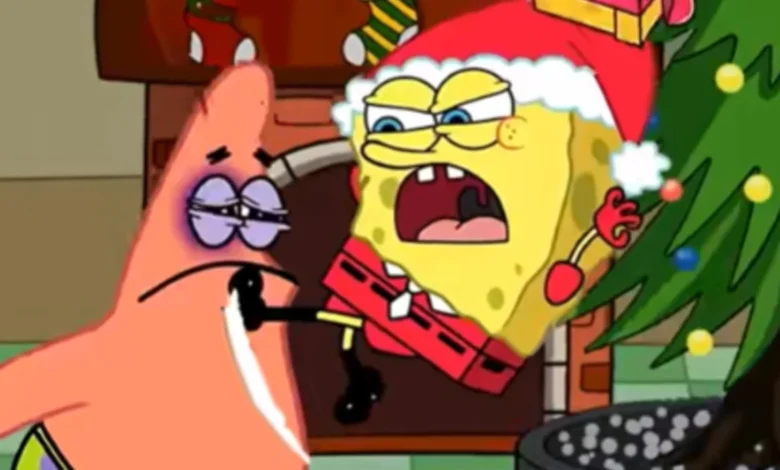
The intersection of classic animated television and modern digital content creation has once again yielded a viral internet phenomenon, this time merging the universally recognizable universe of SpongeBob SquarePants with the high-energy, eccentric style of prominent TikTok creators. The trend, colloquially known across social media platforms as the SpongeBob Jingle Bells meme, centers on a looped animation of the beloved title character dressed in holiday attire while delivering physical blows to his longtime neighbor and best friend, Patrick Star. Set to a distinctive audio track of festive carol singing punctuated by sharp, rhythmic pops, the meme has captured the imagination of millions of users worldwide, demonstrating the unpredictable nature of internet virality and the enduring cultural footprint of 2000s-era animation.
To understand the full scope of the phenomenon, observers must trace its lineage back to December 2021, long before the animated iteration ever crossed the drawing boards of digital artists. On December 19, 2021, popular content creator @junya1gou uploaded a video to TikTok that would inadvertently plant the seeds for a future internet sensation. In the original recording, the creator donned a Santa Claus costume and enthusiastically belted out a rendition of the traditional holiday song "Jingle Bells." However, the performance featured a comedic physical element: as he sang, he aggressively kicked and popped an array of balloons scattered around him. The sharp sound of the balloons bursting synchronized neatly with the cadence of the song. The video resonated deeply with the platform’s audience, steadily accumulating over 23.6 million views over the course of five years and cementing the creator’s distinctive audio as a prime candidate for future audio-driven meme formats.
The audio remained a staple of lighthearted entertainment until late 2025, when the landscape of the meme shifted dramatically into the realm of custom animation. On November 8, 2025, an animator and TikTok user operating under the handle @twisstedfrr published a short, looping animation. The clip featured SpongeBob SquarePants wearing a Santa Claus outfit, aggressively striking Patrick Star in a manner that mirrored the chaotic energy of @junya1gou’s original balloon-popping video. Crucially, the creator synchronized the sound effects of Patrick absorbing the impacts with the audio track of the balloons bursting, while SpongeBob’s mouth movements matched the "Jingle Bells" vocals. The juxtaposition of wholesome childhood cartoon characters engaging in sudden, cartoonish violence proved immensely potent. Within a single year, the initial animation surpassed 904,000 views, establishing a solid foundation for a broader cultural wave.
The true inflection point for the trend arrived in early November 2026, exactly one year after the debut of the animated video, when the content experienced an explosive surge in algorithmic distribution and user engagement. What began as a niche animation transformed into a multifaceted trend characterized by rapid iteration, subcultural parody, and participatory culture. Content creators across TikTok began dissecting, altering, and recontextualizing the animation, utilizing various editing techniques to extract fresh humor from the source material.
Chronologically, the escalation of the trend during its November 2026 peak followed a rapid and diverse trajectory. On November 4, 2026, TikTok user @cheeseybaconfries capitalized on the mood by publishing a "slowed and reverb" audio edit of the animation, a popular internet aesthetic that transforms upbeat or aggressive clips into melancholic, atmospheric experiences. This variant struck a chord with the platform’s demographic, pulling in over 700,000 views in just six days. Shortly thereafter, on November 5, user @idkgng423 published a side-by-side comparison video showcasing @junya1gou’s original 2021 live-action performance directly alongside @twisstedfrr’s animated adaptation. This educational approach to the meme contextualized the joke for newer audiences, helping drive the video to over 2.3 million views within five days.
As the week progressed, the ways inables users interacted with the meme expanded further into meta-commentary and cross-media adaptations. On November 7, 2026, creator @marsigclips posted a reaction video feigning intense moral outrage over the violence depicted in the SpongeBob animation, a tongue-in-cheek performance that accumulated nearly 600,000 views in three days. Demonstrating the modular nature of the trend, another creator, @sloopahasyourip, published a complete re-animation on November 9, 2026. This iteration replaced the SpongeBob SquarePants characters entirely with figures from the indie video game The Binding of Isaac, successfully garnering over 468,000 views in less than twenty-four hours and proving that the core comedic timing of the original audio could be successfully mapped onto entirely different intellectual properties.
The proliferation of these varied examples highlights several key themes in contemporary digital media consumption, notably the mechanics of "brainrot" culture and accuracy reenactments. Digital media analysts note that internet subcultures frequently rely on the juxtaposition of recognizable, comforting media properties—such as Nickelodeon’s flagship animated series—with absurd, hyper-aggressive, or surreal scenarios. By stripping characters of their canonical personalities and placing them in frantic, looped conflicts synchronized to audio cues, creators generate a hypnotic viewing experience that encourages repeated loops, thereby signaling positive metrics to algorithmic recommendation engines.
Furthermore, the longevity of the SpongeBob Jingle Bells phenomenon offers insight into the lifecycle of digital audio trends on short-form video platforms. While trends often experience a rapid spike and an equally swift decline, the five-year gap between the creation of the original audio and its full manifestation as an animated meme demonstrates how digital artifacts can lie dormant before being successfully revived through cross-medium translation. The transition from a live-action TikTok stunt into a 2D animated cartoon, and subsequently into slowed edits, side-by-side comparisons, and video game crossovers, illustrates a collaborative, crowdsourced approach to content generation where thousands of individuals contribute to the ongoing evolution of a single joke.
Although no formal statements have been issued by corporate entities such as Paramount, Nickelodeon, or the original creators regarding the specific mechanics of the meme, the trend falls securely within the longstanding tradition of transformative fan works and internet parodies. Historically, copyright holders of major animated properties maintain varying stances on user-generated derivative works, but decentralized trends of this nature typically operate within the ecosystem of fair use, parody, and community-driven celebration.
As search interest surrounding the SpongeBob Jingle Bells meme continues to register across analytical platforms, its trajectory serves as a case study in modern internet folklore. The trend bridges the gap between early-pandemic TikTok content creation and contemporary animation communities, proving that even the most seemingly simple audio clip can, given the right creative spark and a universally beloved cast of characters, evolve into a defining cultural moment of the digital holiday season.