Google Rolls Out Massive November Pixel Drop Bringing Advanced AI Features to Older Devices

Google has officially launched its highly anticipated November Pixel Drop, deploying a robust suite of software updates and artificial intelligence enhancements to a wide array of Pixel smartphones. Traditionally known for delivering seasonal feature updates alongside routine security patches and bug fixes, this release represents one of Google’s most ambitious software distributions to date. Notably, the update bridges the technological gap between generations by extending several capabilities previously exclusive to the newer Pixel 11 lineup down to last year’s flagship Pixel 10 devices, while simultaneously expanding foundational tools to legacy handsets like the Pixel 6 series.
The roll-out commenced on November 10, following Google’s established phased distribution model. While some users received the over-the-air (OTA) package immediately, the deployment is structured to scale globally across supported devices over the coming weeks. This methodology allows Google to monitor telemetry data in real-time, ensuring system stability and mitigating potential software regressions before hitting the entire active user base.
Bridging Generations: AI Expansion to the Pixel 10 Series
At the heart of the November Pixel Drop is the integration of advanced Gemini Intelligence capabilities into the Pixel 10 family, encompassing the standard Pixel 10, Pixel 10 Pro, Pixel 10 Pro XL, and the foldable Pixel 10 Pro Fold. Previously restricted to the freshly released Pixel 11 hardware ecosystem, these tools leverage enhanced on-device machine learning architectures to reshape daily user interaction.
Among the standout inclusions is the Rambler feature, which empowers Gemini to execute complex, multi-step tasks natively on the device without requiring constant manual intervention. For example, if a user receives an incoming text message inquiring about their estimated time of arrival while actively navigating via Google Maps, the operating system intelligently synthesizes context from both applications. It then generates proactive suggestions and rapid-action prompts tailored to the user’s immediate physical activity and location data.
Furthermore, the update introduces "Create My Widget," an innovative customization utility powered by natural language processing. Rather than forcing users to select from a rigid library of pre-designed home screen widgets, this tool interprets conversational user descriptions to dynamically generate bespoke widgets on the fly. Although this feature spans both the Pixel 10 and Pixel 11 series, market observers note the notable omission of the budget-oriented Pixel 10a from this specific rollout, highlighting Google’s hardware segmentation strategy regarding demanding on-device neural processing requirements.
Aesthetic Refinement and Deep Device Search
Beyond generative AI capabilities, Google is focusing heavily on interface cohesion and system-wide accessibility. The November Pixel Drop introduces ten new custom icon styles designed to unify the user interface. Utilizing Google’s proprietary Nano Banana AI model, the system analyzes the user’s current wallpaper and thematic layout to generate harmoniously matching app icons, delivering a polished, consistent visual aesthetic across the entire home screen ecosystem.
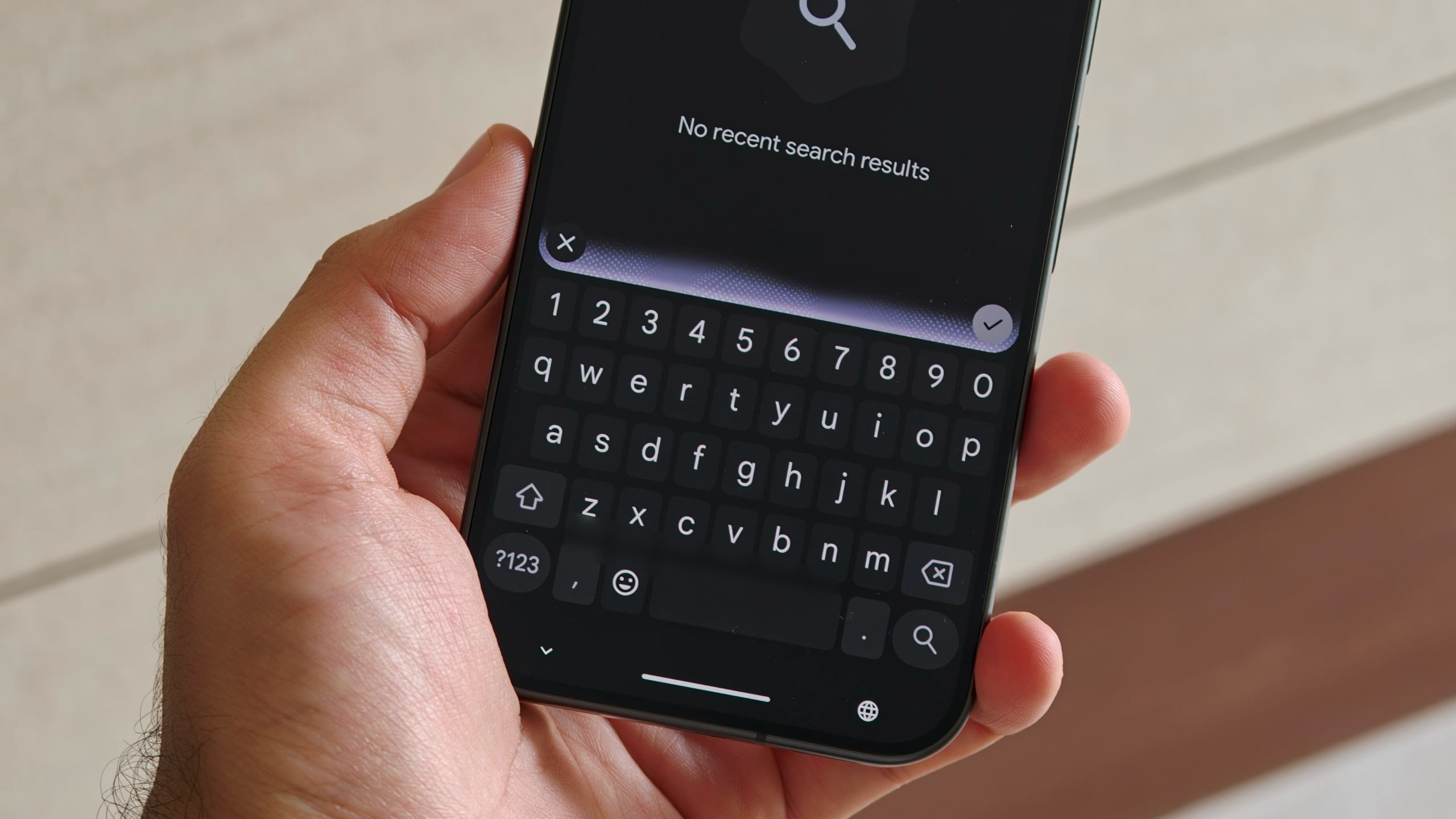
Concurrently, Google is expanding its comprehensive Pixel Search functionality to older generations, specifically making it available on the Pixel 6 series and all subsequent models. This upgrade removes traditional app-silo boundaries, enabling users to execute unified searches across applications, text messages, photo libraries, email threads, and device settings simultaneously through a single centralized query interface. By democratizing this search depth for owners of devices several years old, Google continues to reinforce its long-term software support commitments, distinguishing its hardware portfolio in a fiercely competitive mobile market.
Exclusive Upgrades for the Flagship Pixel 11 Lineup
While older models receive significant feature influxes, Google has reserved distinct, high-tier upgrades exclusively for its latest flagship generation, the Pixel 11 series. These enhancements highlight the computational advantages of Google’s newest Tensor silicon and specialized sensor arrays.
Chief among these exclusives is the integration of Gemini into Call Screen. When answering calls from unknown or unsaved numbers, the AI assistant now engages in fluid, natural-sounding conversations to determine the caller’s identity and intent, all while generating a real-time, scrolling transcript for the user to review on screen. This advancement moves beyond rigid, automated prompts, offering a more dynamic filter against spam and unwanted solicitations.
Additionally, the Pixel 11 Pro models receive a functional expansion to the HiLight notification feature. The hardware can now illuminate dynamically in response to incoming Google Messages alerts. However, early adopter feedback indicates a current limitation: native support remains strictly confined to Google’s messaging client, lacking integration with dominant third-party communication platforms such as WhatsApp or Telegram. Industry analysts suggest that opening this hardware-level notification light to external APIs could be prioritized in future software drops, depending on developer demand and battery optimization metrics.
Hardware Synergy: The Global Retail Launch of Pixel Tag
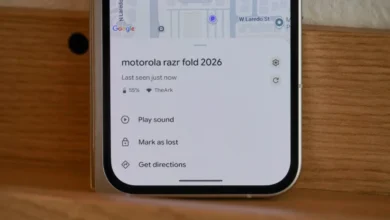
Coinciding with the software deployment, Google has commenced the broader retail availability of the Pixel Tag, an ultra-wideband tracking device initially teased alongside the Pixel 11 hardware launch in August. Priced individually at $29.99 or packaged in a cost-effective four-pack for $99.99, the tracker directly challenges established competitors in the item-finding ecosystem.
The Pixel Tag integrates seamlessly with Google’s upgraded Find Hub network, utilizing Bluetooth Low Energy (BLE) and Ultra-Wideband (UWB) technology to deliver precise, directional spatial tracking for personal belongings. By tying the hardware launch directly to the ecosystem updates rolling out this month, Google aims to solidify its interconnected device strategy, providing Pixel users with a unified hardware-software experience.
Strategic Implications and Industry Context
The November Pixel Drop arrives at a critical juncture for the smartphone industry, where hardware iteration cycles have slowed, and consumer purchasing decisions are increasingly dictated by software longevity and artificial intelligence utility. By systematically backporting high-value AI features to the Pixel 10 series while reserving select computational tasks for the Pixel 11, Google is executing a dual-pronged strategy.
First, the company reassures buyers of its previous-generation flagships that their devices will retain relevance and modern capabilities, mitigating the psychological friction of rapid hardware obsolescence. Second, by introducing exclusive features for newer silicon, Google preserves a clear value proposition for consumers considering an upgrade to its latest hardware tier.
As the software update continues its staggered global deployment over the coming weeks, consumer response to features like Rambler and natural language widget generation will provide vital performance data. This feedback loop will likely shape the developmental roadmap for subsequent feature drops heading into the new year, cementing Google’s aggressive push toward deeply integrated, ambient artificial intelligence within the mobile operating system space.