Binance Issues Urgent Security Warning to iPhone Users Over Unpatched iOS Sandbox Escape Flaw Dubbed Worse_Query

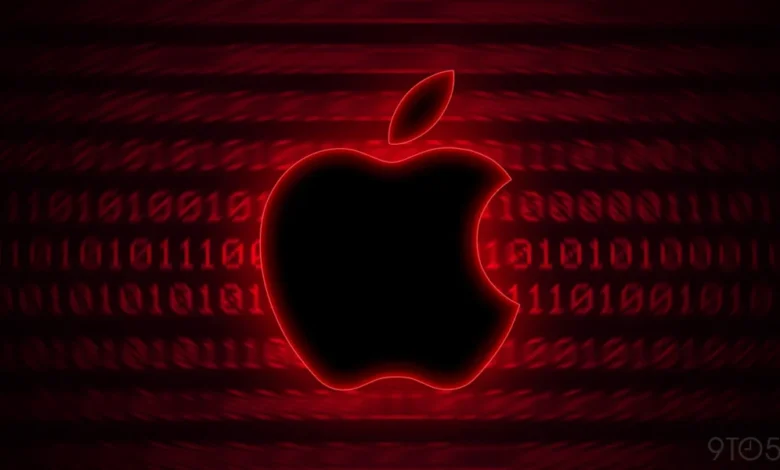
Major cryptocurrency exchange Binance has issued a high-priority security advisory alerting iPhone owners worldwide to a critical, unpatched vulnerability affecting Apple’s iOS operating system. The flaw, identified by security researchers as "worse_query," fundamentally undermines the strict isolation protocols designed to protect user data on Apple devices. By bypassing iOS sandbox protections—the foundational security barrier that prevents applications from interacting with or reading data stored by other programs—the vulnerability opens the door for malicious applications to access local files across the entire ecosystem.
For the millions of users who rely on their iPhones to manage sensitive digital assets, this discovery presents a significant operational and financial threat. The advisory underscores the growing complexity of mobile security and highlights the persistent cat-and-mouse game between security researchers, malicious actors, and software developers striving to protect consumer infrastructure.
The Mechanics and Threat Profile of Worse_Query
At the core of the issue is the breakdown of the iOS sandbox architecture. Traditionally, Apple builds its mobile operating system around the principle of least privilege, ensuring that every installed application operates within a tightly restricted, isolated environment known as a sandbox. This design is intended to guarantee that even if a single application is compromised or malicious, it remains contained and unable to access personal information, documents, or credentials belonging to other apps or the core operating system.
The worse_query vulnerability shatters this assumption. According to disclosures made by security researchers @0xjohnny and @forcequitOS, the flaw allows unauthorized applications to read local files belonging to peer applications. In practical terms, this means a malicious program downloaded to an affected iPhone could silently harvest critical authentication materials. Binance specifically highlighted the danger to cryptocurrency holders, noting that the vulnerability puts seed phrases, private keys, and user login credentials at immediate risk.
While the initial warning was targeted toward the cryptocurrency community because of the catastrophic financial consequences of compromised private keys, security analysts emphasize that the flaw is an ecosystem-wide operating system issue. It is not unique to Binance or any single financial application; any app storing sensitive user data in local directories could theoretically be exposed if an attacker successfully deploys a malicious application leveraging the exploit.
Chronology of Discovery and Public Disclosure
The public awareness of the worse_query exploit unfolded rapidly across social media platforms and developer repositories in November 2026. The timeline of events highlights the speed at which modern security vulnerabilities move from academic discovery to widespread industry concern:
Initial Identification and GitHub Release: Security researchers @0xjohnny and @forcequitOS identified the flaw in early November 2026. To demonstrate the severity of the architectural oversight, the researchers published a proof-of-concept (PoC) on GitHub. This code was intended to provide fellow developers with a transparent look at how the sandbox bypass functions.
Developer Weaponization: Despite the researchers’ original intent that the code serve as a diagnostic and educational tool for developers, the open-source nature of the PoC meant it was quickly repurposed. Other developers successfully built functional applications utilizing the worse_query methodology, including a sophisticated file manager capable of accessing, modifying, and deleting data belonging to entirely separate applications without requiring the device to be jailbroken.
Binance Security Advisory: Recognizing the severe risks posed to digital asset holders, the Binance security team published an urgent warning on X on November 10, 2026. The exchange detailed how the vulnerability affected multiple versions of iOS and cautioned users to take immediate defensive measures.
Assessment of Current Apple Software Updates: Confusion initially arose regarding which iOS versions were vulnerable. Binance’s initial advisory indicated that iOS 26.7.1, iOS 27.0.1, and iOS 27.2 were impacted. However, subsequent community notes and direct confirmations from the security researchers clarified that the exploit remained entirely unpatched in later releases, specifically noting that neither iOS 27.2.1 nor the subsequent iOS 27.3 beta 1 included a remediation for worse_query.
Current Status of Exploitation and Official Responses

As of the time of reporting, neither the original security researchers nor major industry stakeholders such as Binance have documented active, in-the-wild exploitation or widespread cryptocurrency thefts directly linked to the worse_query vulnerability. The absence of confirmed attacks offers a temporary window of relief, but cybersecurity experts warn that malicious actors are likely working to operationalize the exploit for targeted campaigns before Apple issues an official patch.
Apple has yet to release a public security advisory specifically addressing worse_query, and the vulnerability remains unpatched in the current stable iterations of the iOS operating system. This has placed significant pressure on the tech giant to expedite a dedicated security update. Historically, Apple maintains a rigorous patch management cycle, but zero-day disclosures that bypass sandboxing mechanics typically command the highest urgency within the company’s product security engineering teams.
Industry Reactions and Broader Implications
The disclosure of worse_query has reignited debate within the cybersecurity community regarding the balance between open-source vulnerability research and responsible disclosure frameworks. While publishing proof-of-concept code on platforms like GitHub is a standard practice for validating security claims and pushing vendors to act quickly, it simultaneously lowers the barrier to entry for malicious actors who can weaponize the underlying research before a defensive patch is deployed.
For financial institutions, fintech companies, and crypto exchanges, the incident underscores the limitations of relying solely on operating system-level security. Security architects point out that applications handling high-value credentials—such as decentralized finance (DeFi) wallets, banking apps, and password managers—must implement defense-in-depth strategies. These strategies may include hardware-backed security modules, advanced encryption keys stored in secure enclaves rather than standard local storage directories, and continuous runtime application self-protection (RASP) measures to detect anomalous file-system access attempts.
Recommended User Precautions and Defensive Best Practices
In the absence of an official software patch from Apple, cybersecurity professionals and platforms like Binance recommend that iPhone users adopt heightened vigilance and implement precautionary measures to safeguard their devices and digital assets:

Exercise Extreme Caution with App Downloads: Users should strictly limit software installations to verified, reputable developers from the official App Store. Avoiding sideloaded applications, third-party app stores, and untrusted enterprise certificates significantly reduces the likelihood of introducing a malicious application capable of executing the sandbox escape.
Review App Permissions and Storage: Regularly auditing installed applications and removing unused or obscure utilities minimizes the potential attack surface.
Migrate High-Value Assets to Hardware Wallets: For cryptocurrency holders, the most robust defense against software-level vulnerabilities is the utilization of dedicated hardware wallets (cold storage). By keeping private keys and seed phrases entirely offline and isolated from internet-connected mobile devices, users can eliminate the risk of remote file-reading exploits compromising their primary portfolios.
Monitor for Official Apple Updates: Users should closely monitor Apple’s official security support documentation and apply system software updates immediately upon release, as an emergency patch addressing worse_query is anticipated in an upcoming iOS maintenance release.
Conclusion and Outlook
The emergence of the worse_query vulnerability serves as a stark reminder that even the most rigorously engineered mobile ecosystems are susceptible to sophisticated architectural flaws. While no active exploitation has been officially confirmed, the combination of an unpatched zero-day sandbox bypass and the availability of functional proof-of-concept code creates a high-risk environment for iPhone users, particularly those managing sensitive financial data. As Apple races to develop and deploy a comprehensive software fix, the burden falls on users to exercise extreme caution with their application ecosystem and adopt hardware-level redundancies to protect their critical assets.