One Week With the iPhone Duo: A Critical Assessment of Apple’s First Foldable Device and What It Reveals About Consumer Habits

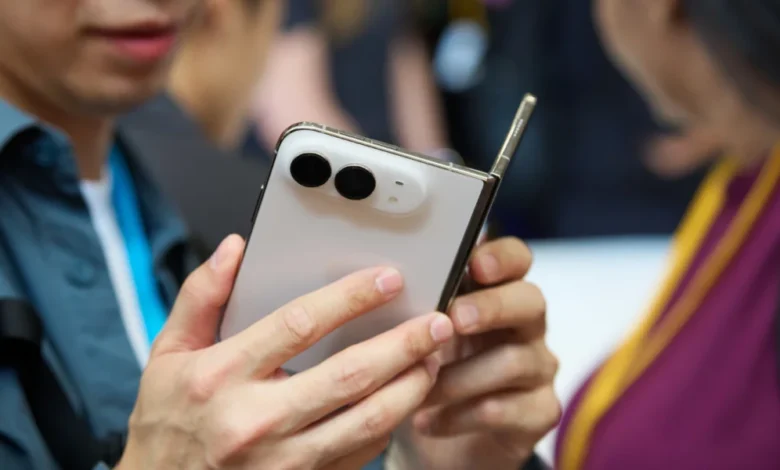
Apple’s entry into the foldable device market with the long-awaited iPhone Duo has sparked intense industry debate, bringing both technological innovation and user friction into sharp focus. Following its official market rollout, early adopters have spent their first full week evaluating whether foldable form factors represent the definitive future of personal computing or a niche alternative best suited for a specific demographic.
Initial feedback from the consumer base highlights a distinct polarization in daily usability. While social media platforms are flooded with enthusiasm from users praising the novelty and expansive screen real estate of the iPhone Duo, a parallel segment of buyers is confronting the practical realities of integrating a foldable device into a traditional workflow. For many, the transition from standard slab-style smartphones like the iPhone 18 Pro to a dual-screen foldable requires a fundamental shift in daily habits—one that does not naturally align with every user’s lifestyle.
The Ergonomic Challenge: Navigating the Outer Display
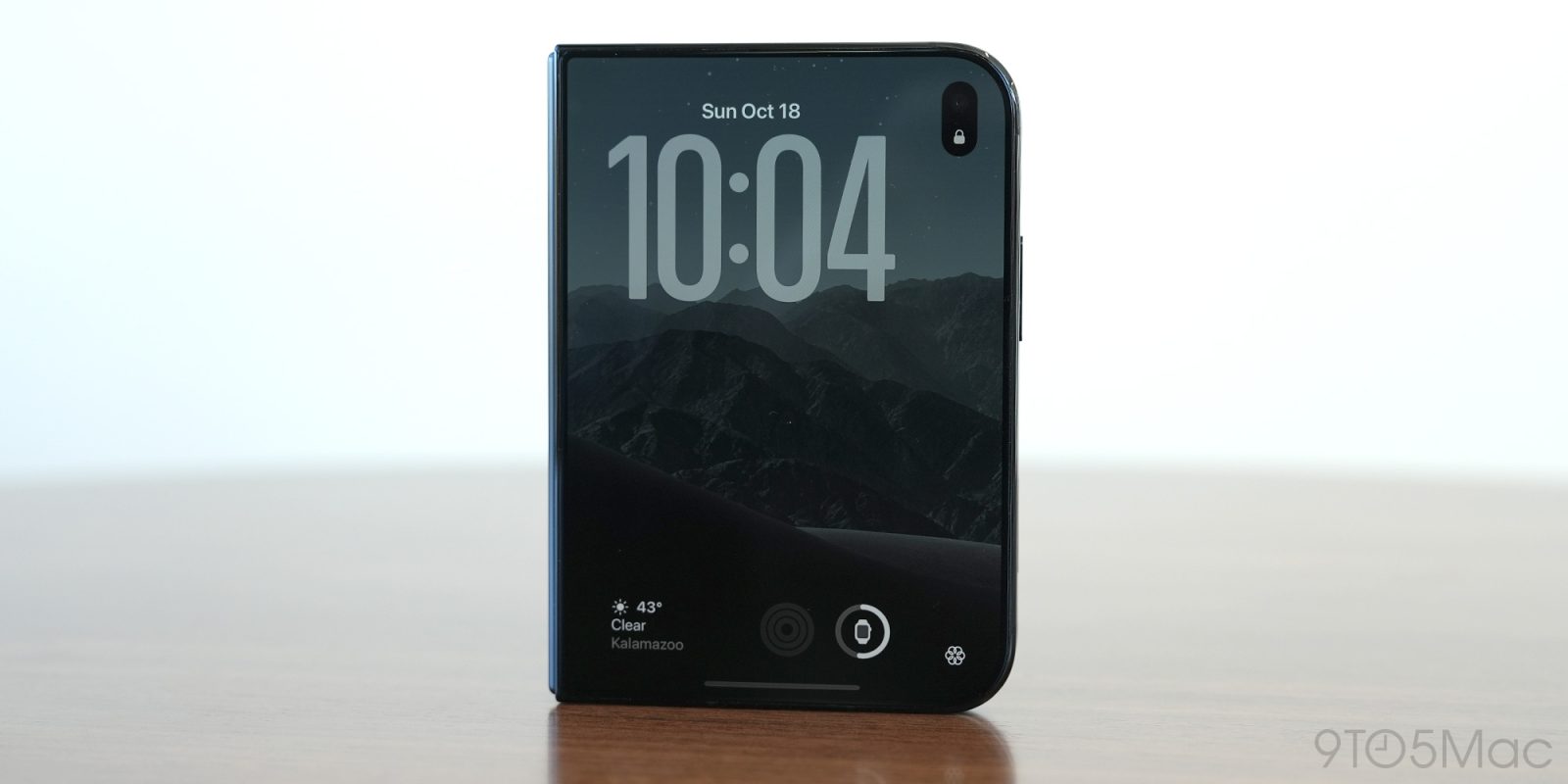
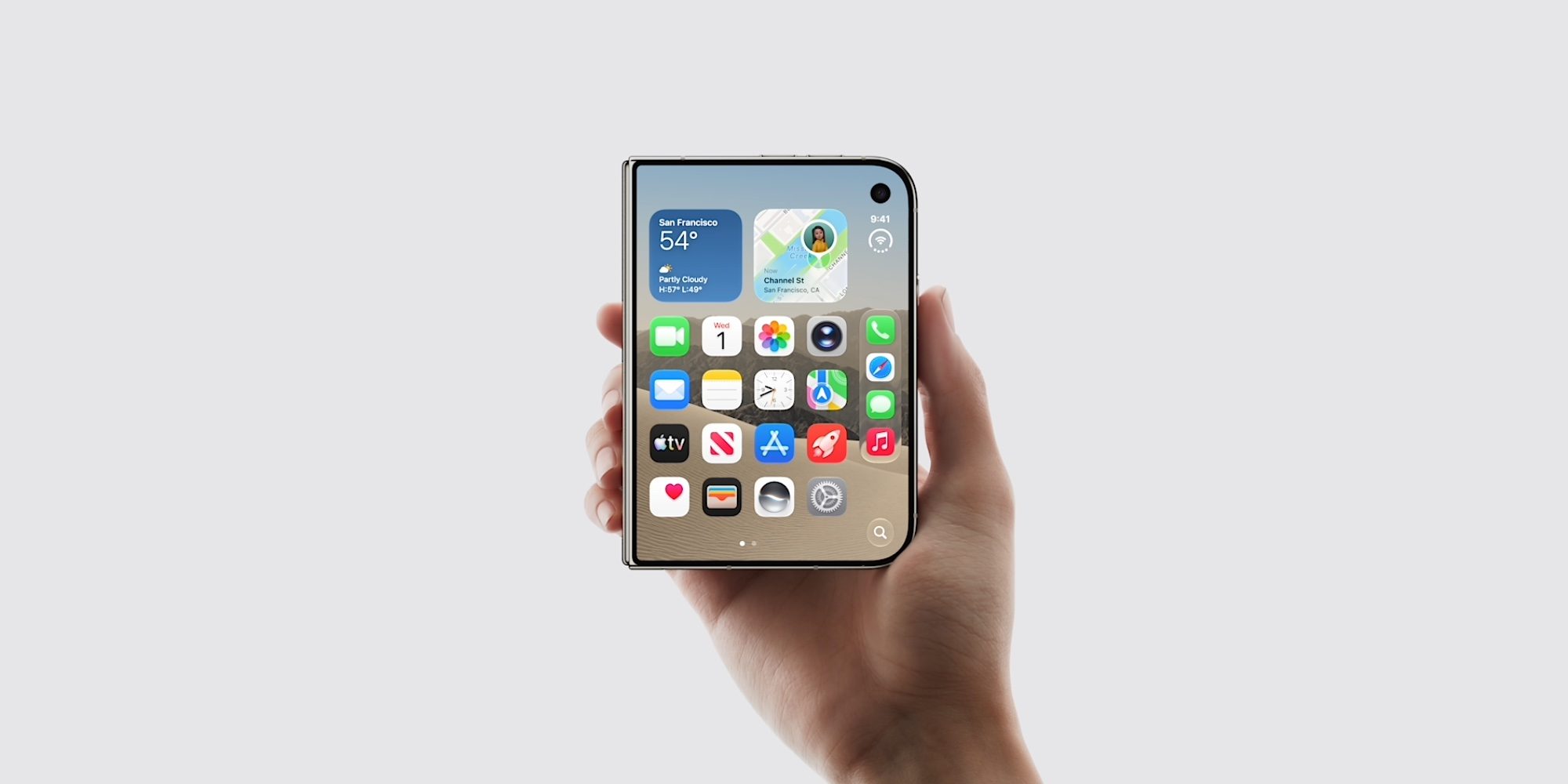
At the core of the friction experienced by many early adopters is reliance on the external display. Observational data from the first week of use indicates that a significant percentage of everyday interactions—frequently estimated at up to 90%—occur while the device remains folded.
When used exclusively in its closed state, the iPhone Duo presents distinct ergonomic hurdles compared to traditional flagship smartphones. The device’s internal hinge mechanism and secondary screen contribute to a noticeably heavier chassis and a wider overall footprint. For users accustomed to the slim, lightweight profile of standard iPhone models, the folded Duo can feel cumbersome during extended browsing sessions or quick text replies.
Furthermore, user interface adaptation remains an ongoing process. While iOS has been optimized to scale across varying dimensions, third-party applications occasionally require manual resizing or layout adjustments when transitioned from the outer display to the primary internal canvas. For users who rarely unfold the device, these minor trade-offs can accumulate into a less seamless experience than what is found on traditional candy-bar smartphones.
Contextual Usage: One-Handed Constraints vs. Multi-Device Ecosystems
The primary selling point of any foldable device is the ability to expand a compact pocket-sized phone into a tablet-like viewing area. However, maximizing this capability requires a two-handed interaction model that is not always practical in fast-paced environments.
For parents of young children and professionals who frequently multitask on the go, one-handed phone operation is a daily necessity. Quick replies, managing notifications while holding grocery bags, or checking directions while navigating crowded streets are scenarios where unfolding a device is simply impractical. In these moments, the physical limitations of the outer screen become more pronounced.
Conversely, when users find themselves with both hands free and a stationary moment to spare, alternative devices often compete for their attention. Consumers heavily invested in the Apple ecosystem—specifically those who regularly utilize an iPad Pro paired with a Magic Keyboard—frequently report that they prefer reaching for a larger dedicated tablet or laptop when a bigger screen is required, rendering the iPhone Duo’s inner display redundant for heavy media consumption or productivity tasks.
Industry Timeline and the Evolution of Foldable Technology
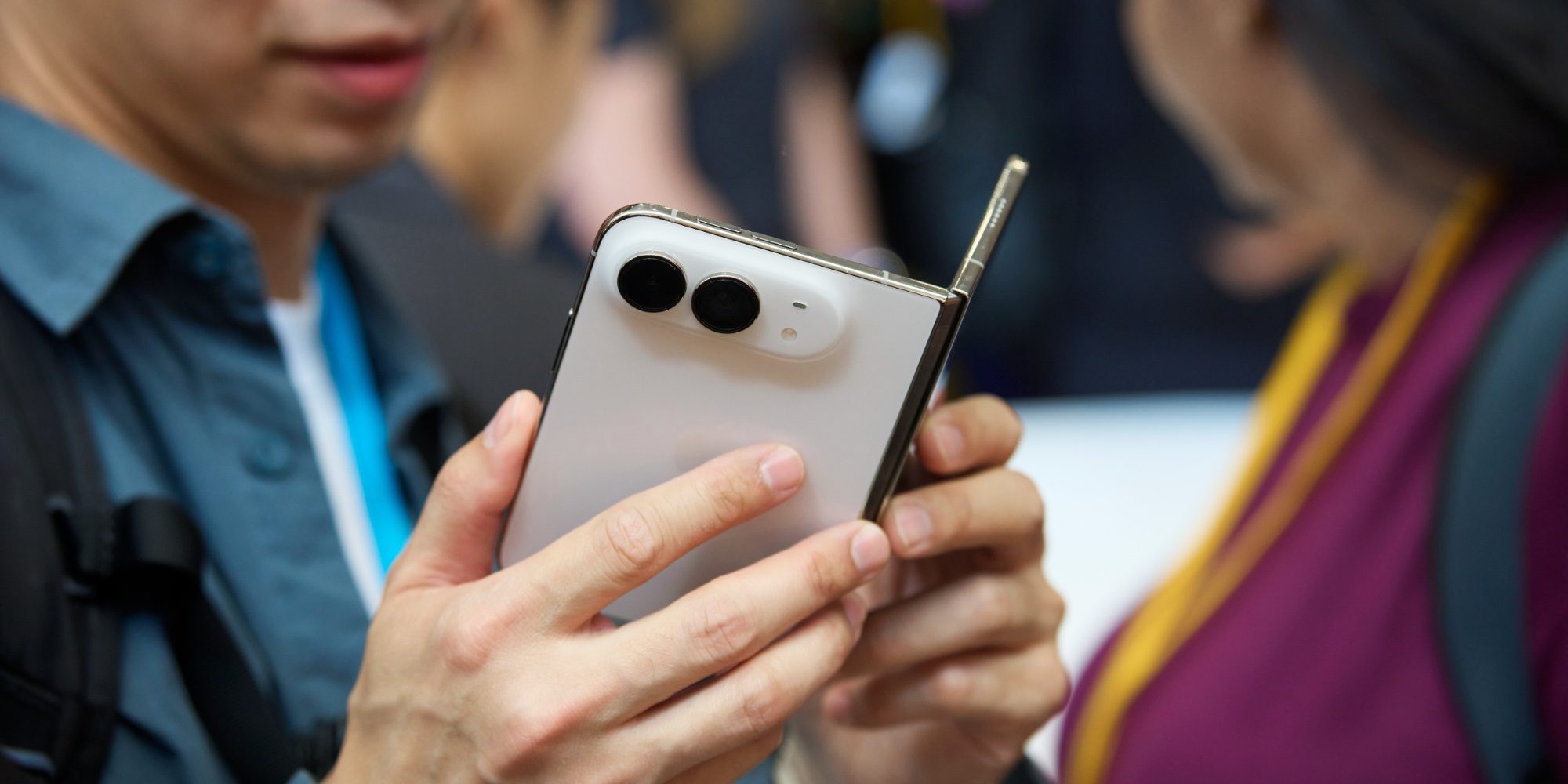
The launch of the iPhone Duo represents the culmination of years of research, patent filings, and engineering breakthroughs by Apple. While competitors in the Android ecosystem, including Samsung, Google, and OnePlus, have iterated through multiple generations of book-style and clamshell foldables since 2019, Apple has historically taken a patient approach to emerging form factors, preferring to wait until hardware durability, battery efficiency, and software maturity reached acceptable enterprise thresholds.
Industry analysts note that the introduction of the iPhone Duo marks a critical milestone for the foldable category. Historically, foldable phones have occupied a luxury, enthusiast-tier segment, accounting for a low single-digit percentage of total global smartphone shipments. By entering the market, Apple is expected to validate the form factor for mainstream consumers, potentially accelerating supply chain investments in ultra-thin glass, more durable hinge mechanisms, and crease-minimization technologies.
However, the historical trajectory of consumer electronics suggests that hardware innovation alone does not guarantee universal adoption. Just as phablets and curved displays faced initial skepticism before finding their market equilibrium, foldables must prove their long-term utility beyond novelty appeal.

Market Implications and Consumer Retention
As return windows begin to close for early buyers, retail analysts are closely monitoring return rates and exchange data for the iPhone Duo. While viral enthusiasm often drives initial launch-day queues and pre-order spikes, the true test of a new product category lies in sustained customer retention and satisfaction scores over a 30-to-90-day period.
Early anecdotal evidence from retail staff and online forums indicates a steady stream of returns from users who discovered that the device’s weight, battery compromises, or dual-screen workflow did not justify the premium price point over traditional flagships like the iPhone 18 Pro. At the same time, power users and mobile professionals have lauded the device for its multitasking capabilities, split-screen app management, and immersive media playback when unfolded.
This divergence suggests that the smartphone market may be entering a bifurcated era. Rather than completely replacing traditional handsets, foldables like the iPhone Duo may carve out a specialized segment alongside standard slab phones, catering specifically to users whose workflows benefit from expanded screen real estate.

Broad Outlook: Adapting to Change or Sticking to Tradition
The arrival of the iPhone Duo forces both Apple and its consumer base to reevaluate what a smartphone is expected to do. For those who choose to adapt, the foldable experience introduces new paradigms for productivity and content consumption on the go. For others, the realization that a traditional device better serves their daily routines highlights the enduring value of simpler, single-screen designs.
As software developers continue to optimize applications for dual-screen environments and future hardware iterations address weight and thickness concerns, the role of foldables in the consumer market will continue to evolve. Whether the iPhone Duo becomes the blueprint for the next decade of mobile computing or remains an alternative choice for power users will ultimately be decided by how well future generations of the hardware can bridge the gap between pocketability and expansive usability.