In the fast-paced ecosystem of digital marketing and search engine optimization, website managers, content creators, and technical consultants frequently encounter high-priority pages that underperform in search engine results pages (SERPs). Whether a core product category page has experienced a sudden ranking decline, a competitor’s recent post has eclipsed your primary target, or a client portfolio link fails to drive desired conversions, immediate analytical insights are vital. Historically, diagnosing these issues necessitated exhaustive, site-wide architectural crawls that consumed valuable time and resources before isolating root causes. However, modern browser-based utilities have transformed preliminary diagnostic workflows, enabling rapid page-level assessment directly within the web browser interface.
Understanding the Evolution of Quick-Check Diagnostic Tools
The necessity for immediate, low-friction diagnostic capabilities stems from the complex nature of modern algorithmic ranking factors. Search engines evaluate thousands of individual on-page, off-page, and technical signals before serving a result to a user. When a page slips in rankings, the discrepancy can typically be traced to broken structured data markup, suboptimal heading hierarchies, missing alternative image tags, or broken link architecture.
Rather than deploying deep-crawl software for every localized performance dip, industry professionals have increasingly adopted lightweight browser extensions. Among these, SEOquake—a widely utilized free Chrome extension developed by Semrush—has established itself as a premier utility for rapid, on-the-fly technical signal validation, on-page SEO assessment, linking strategy review, and core visibility metric gathering. By simply installing the extension, navigating to any live web address, and activating the browser icon, analysts can bypass complex software configurations to access comprehensive page-level diagnostics instantly.
The Three-Minute Page Audit Framework
To maximize efficiency during performance triage, experienced SEO specialists rely on a structured, time-boxed diagnostic framework. By dividing a three-minute audit window into distinct phases, practitioners can swiftly transition from initial triage to deep technical diagnosis without getting overwhelmed by superfluous data.
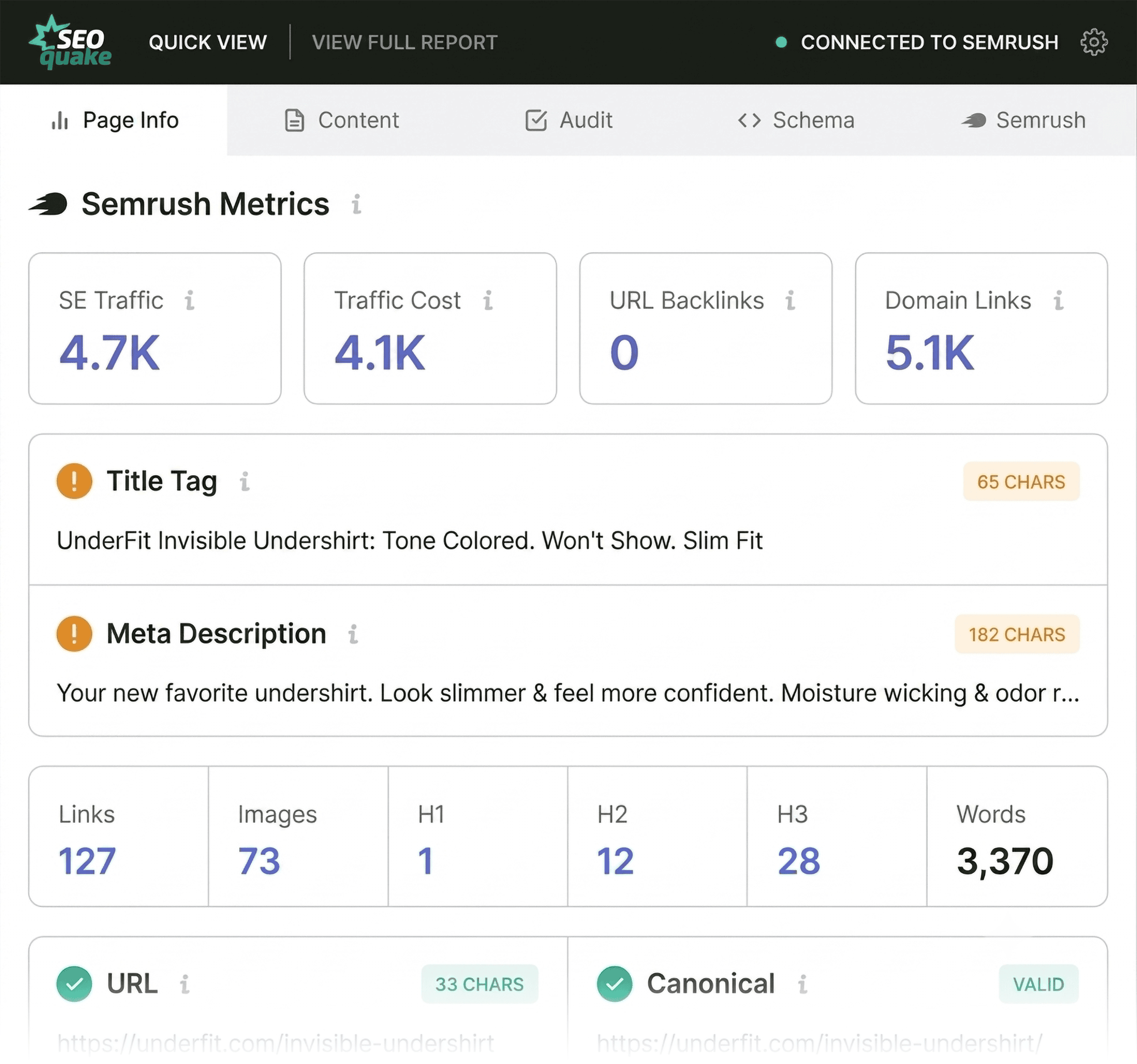
Minute One: Triage via the Quick View Pop-Up
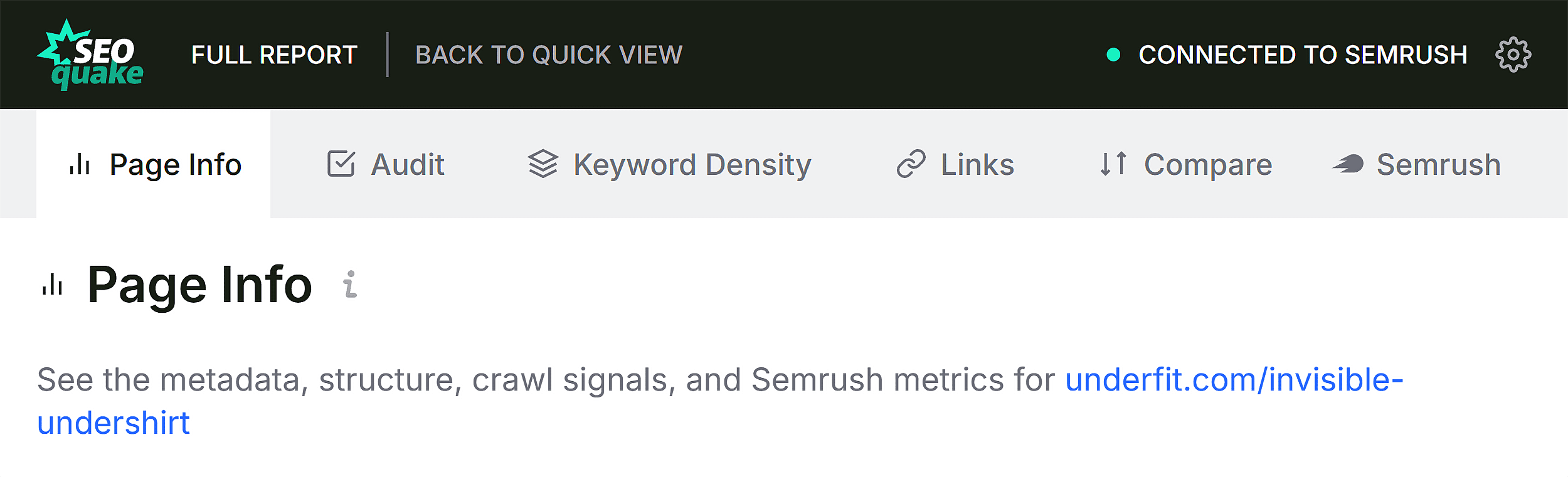
The primary objective of the first 60 seconds is straightforward: determine whether glaring technical or structural failures are directly harming the page’s visibility. Activating the SEOquake Quick View interface reveals a multi-tabbed dashboard housing critical metadata, technical audit results, and content summaries.
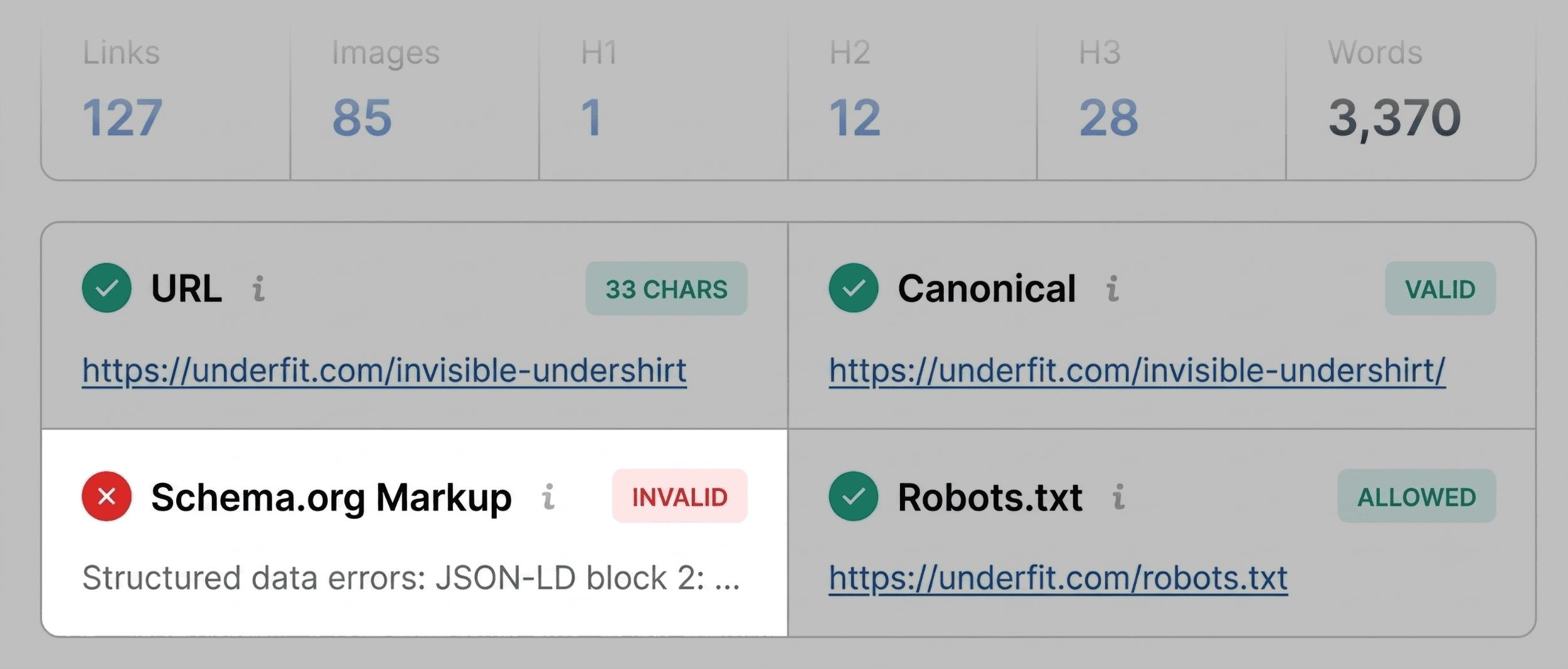
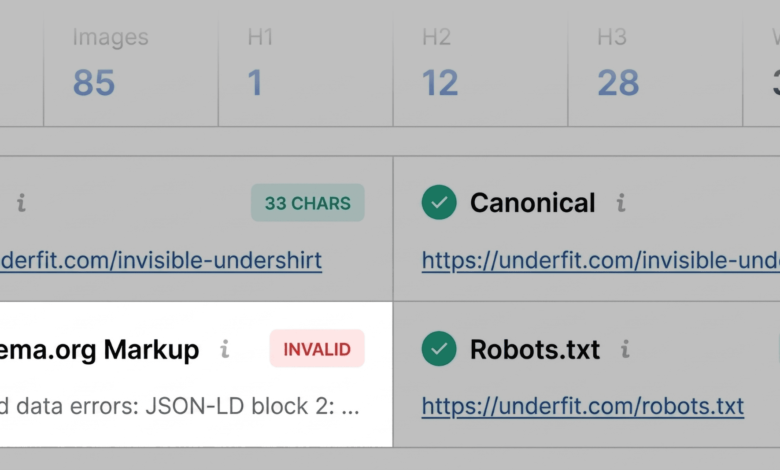
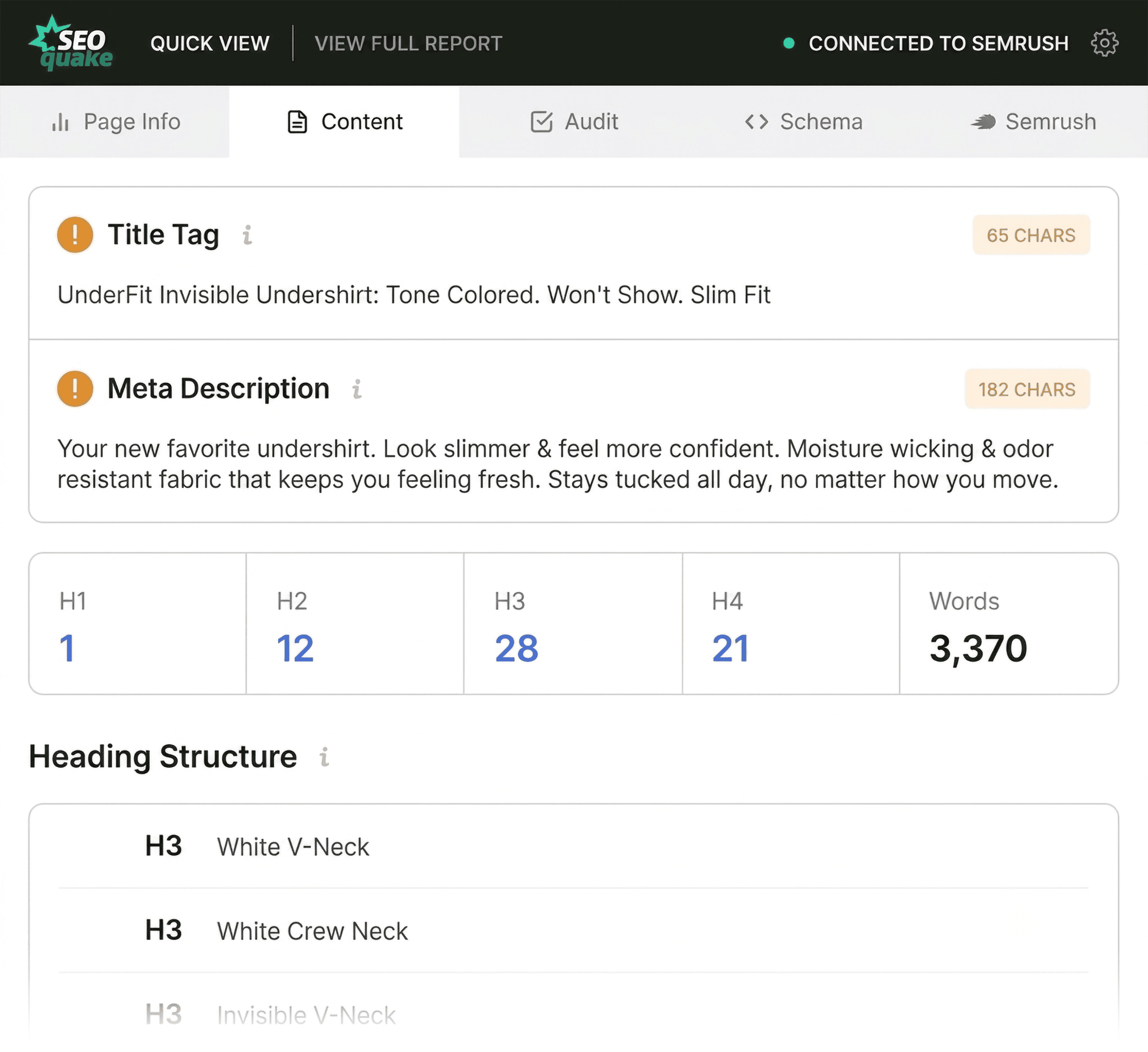
When evaluating a typical e-commerce product page—such as the UnderFit apparel store examined in standard benchmark tests—analysts immediately prioritize core metadata components:
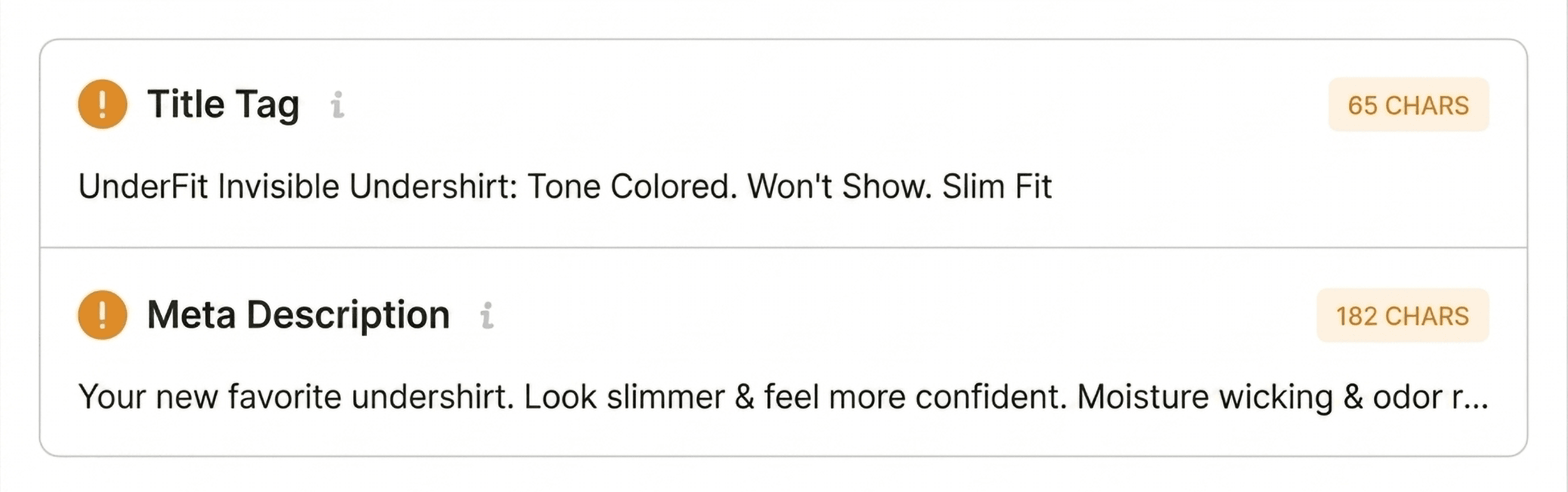
- Title tag presence, exact character length, and keyword relevance.
- Meta description clarity, length, and call-to-action effectiveness.
- HTTP status codes confirming secure, standard 200 OK delivery.
- Canonical tag implementation to prevent duplicate content penalties.
- Meta robots directives verifying indexability status.
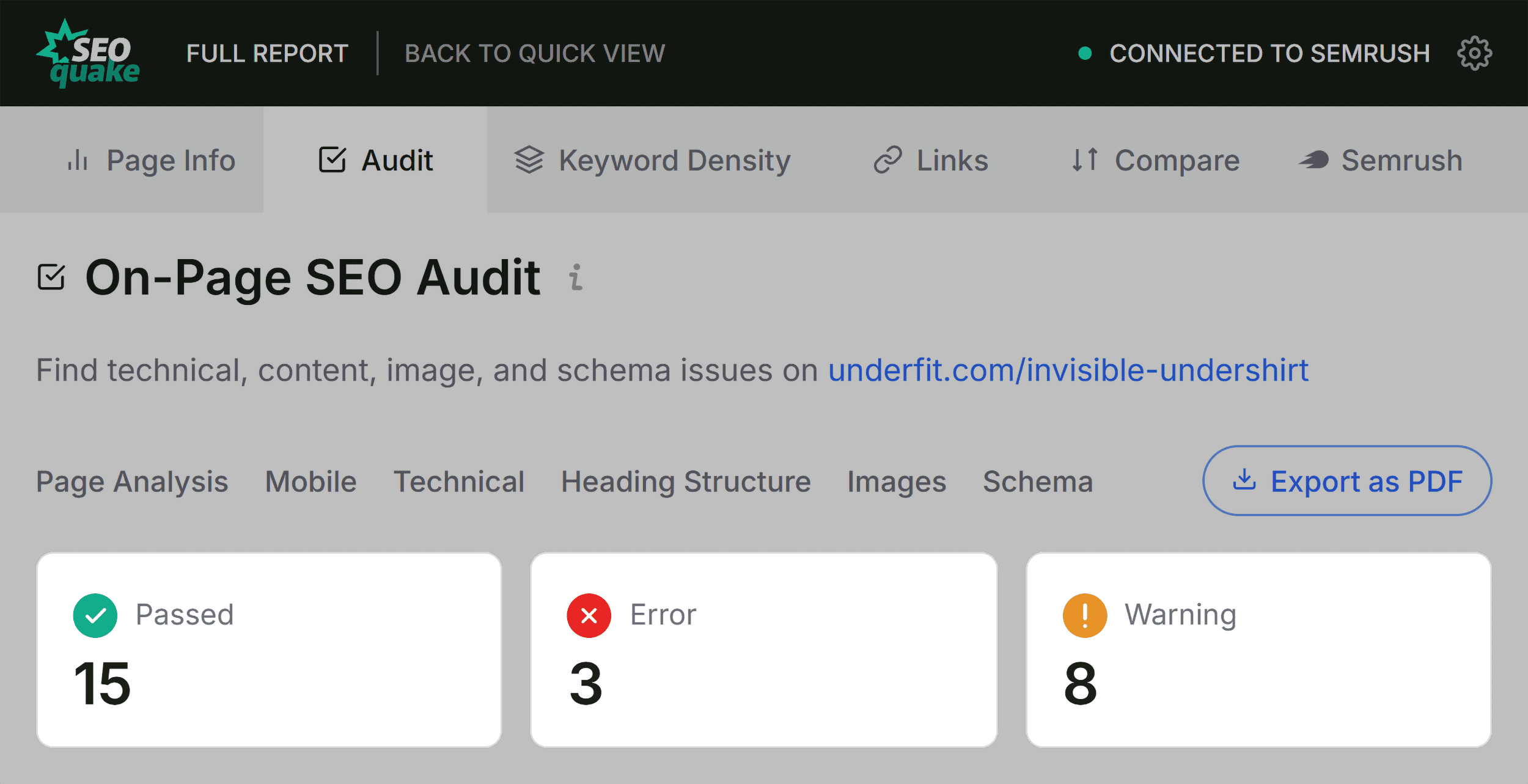
During this rapid initial scan, color-coded visual indicators guide the auditor’s focus. Green signals optimal implementation, orange denotes minor warnings requiring human judgment, and red highlights critical errors demanding immediate remediation. For instance, if an e-commerce product page triggers a red flag regarding Schema.org structured data, search engines may struggle to parse critical JSON-LD markup. Invalid product schema directly compromises a page’s eligibility for rich SERP features, including dynamic pricing, verified customer reviews, and live stock availability listings. Identifying such blockers within the first minute allows specialists to route critical issues directly to a remediation queue.
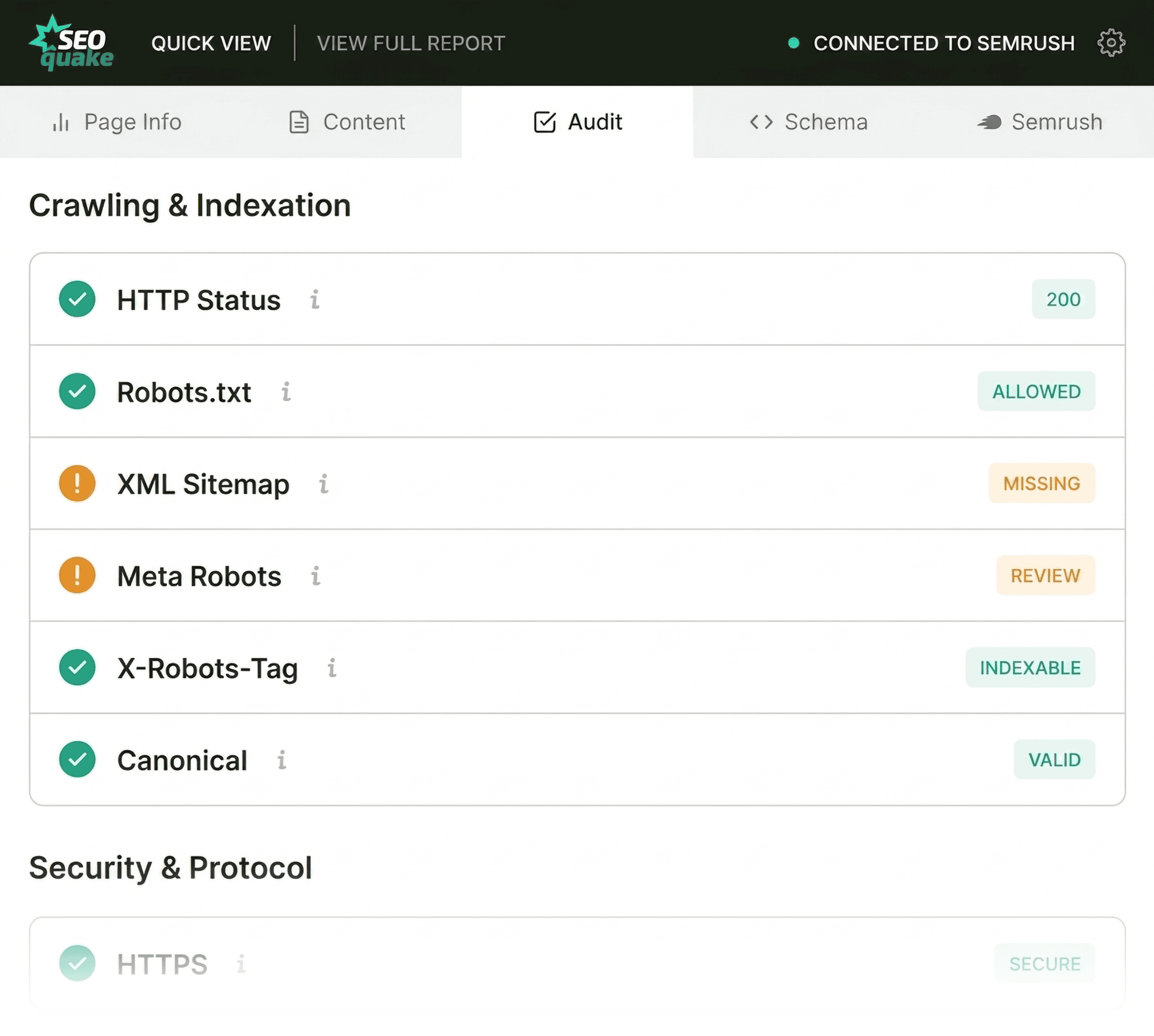
Minute Two: Exploring Technical Compliance and Content Structures
Once initial triage is complete, the auditor transitions into evaluating structural layout and technical depth. Navigating to the Audit tab reveals critical health signals regarding mobile responsiveness, security certificates, and sitemap accessibility. While minor orange warnings—such as missing explicit hreflang annotations on single-region sites—may not represent immediate ranking emergencies, structural discrepancies within the content tab require careful scrutiny.

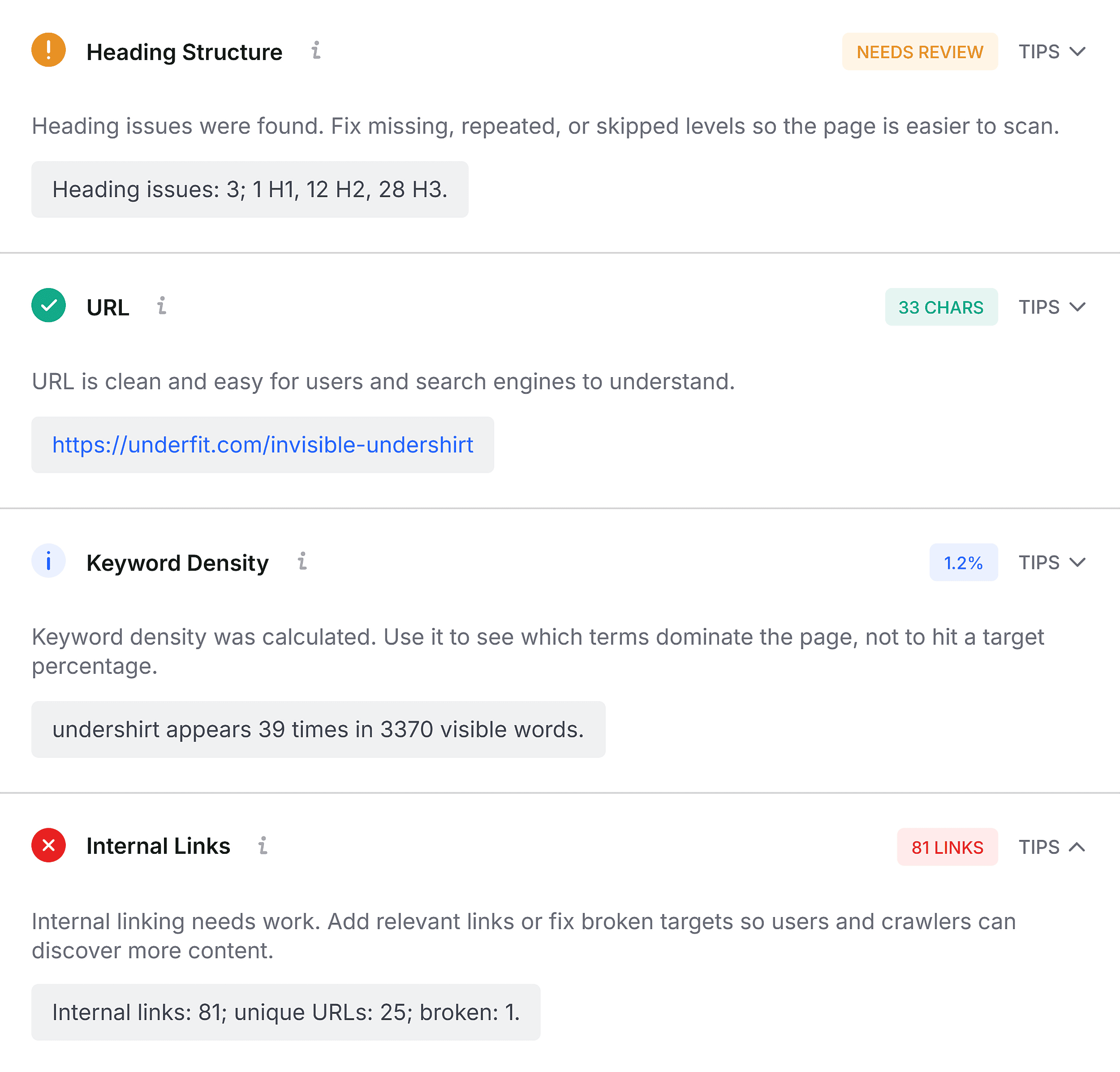
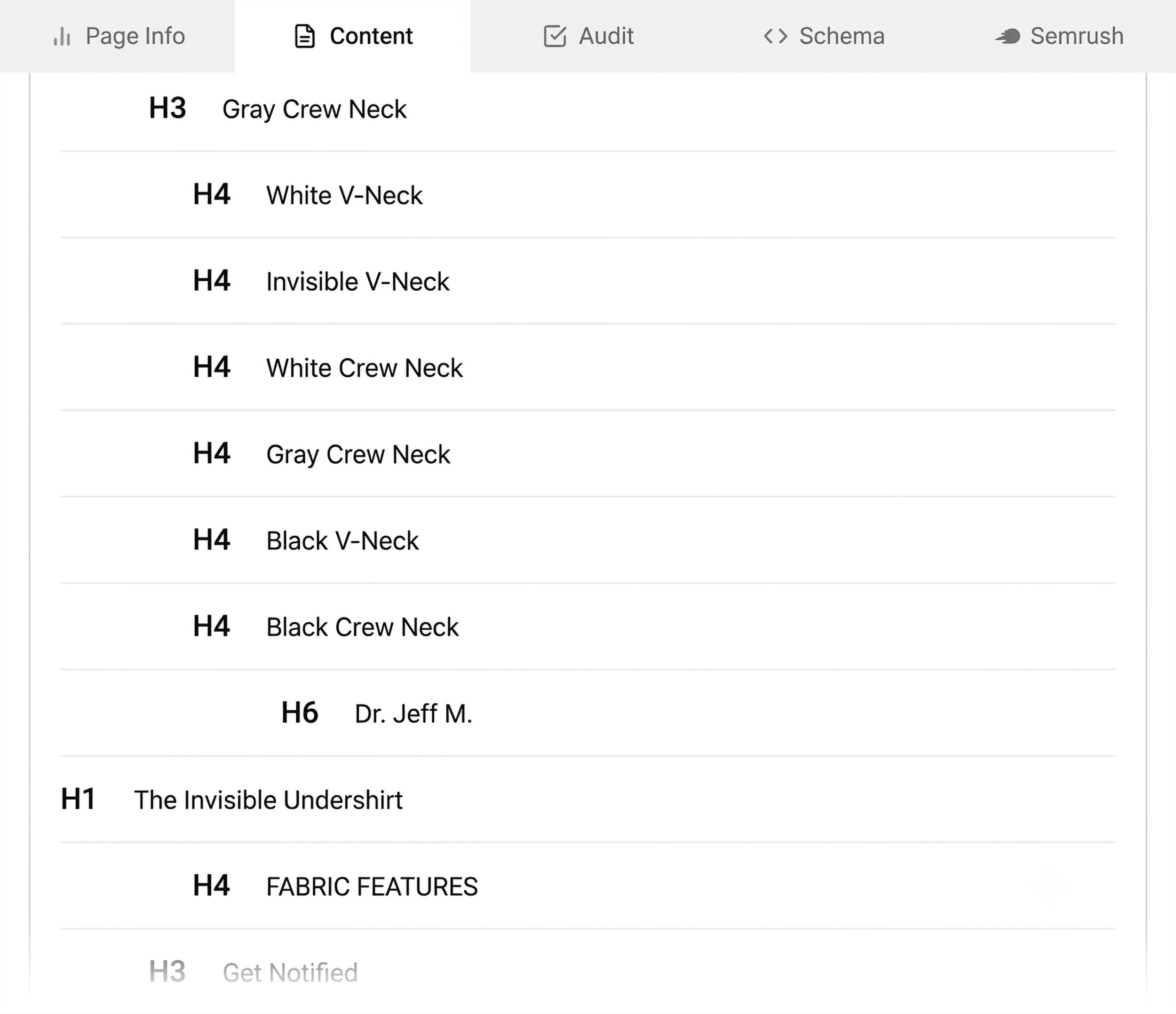
Content hierarchy plays a dual role in modern search environments: it assists human readers with visual navigation and provides clear semantic context for automated crawlers and artificial intelligence systems. A common architectural flaw exposed during quick audits is an improper heading tag hierarchy. If a page’s primary H1 tag appears deep within the body copy, or if the document structure leaps illogically from an H1 directly to an H4, search engines may misinterpret the core topical focus of the document.
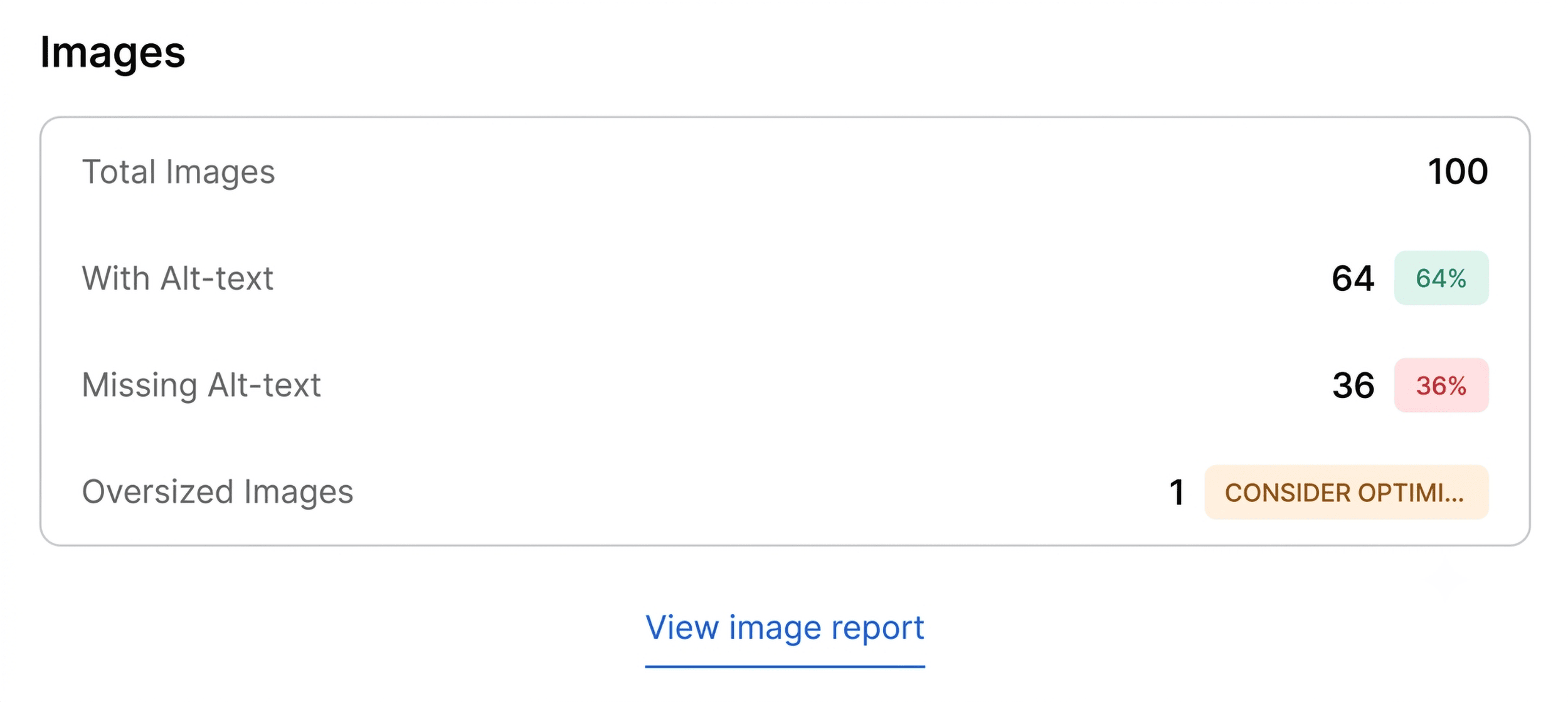
Additionally, the content summary frequently highlights missing image alternative (alt) attributes. On media-heavy product listings, dozens of unoptimized images fail to provide text-based contextual clues to crawlers, simultaneously degrading accessibility standards for visually impaired consumers. While neither factor guarantees an instant ranking penalty, cumulative optimization gaps collectively suppress a page’s competitive potential.
Minutes Three: Advanced Diagnostics and Full Report Analysis
As the audit enters its final minute, practitioners leverage SEOquake’s Full Report interface to investigate deeper systemic concerns. Divided into specialized panels—including Full Audit, Keyword Density, Links, and Semrush Domain Metrics—this section bridges the gap between page-level anomalies and broader site-wide infrastructure health.
- The Full Audit Panel: Utilizing modular navigation menus, analysts jump directly to specific error categories. Testing structured data directly through integrated connections to Google’s Rich Results Test confirms whether JSON-LD errors invalidate rich snippet eligibility. Similarly, verifying XML sitemap discoverability ensures that search engines can easily locate and crawl the asset.
- The Keyword Density Panel: By reviewing keyword clouds and multi-word phrase frequency tables, auditors verify whether topical coverage aligns with user search intent. Core product terms—such as specific fabric types, design cuts, and category identifiers—should naturally dominate the visible text. Discrepancies, such as non-standard terms originating from hidden interactive elements or JavaScript widgets, help analysts distinguish between true copy optimization issues and routine code artifacts.
- The Links Panel: Broken internal and external links represent significant friction points for both users and web crawlers. The Links report categorizes anchor text, HTTP response codes, and link attributes (dofollow versus nofollow). Discovering broken external JavaScript references or internal redirection chains provides actionable tasks for development teams to clean up legacy site architecture.
Contextualizing Page Performance Within Domain Metrics
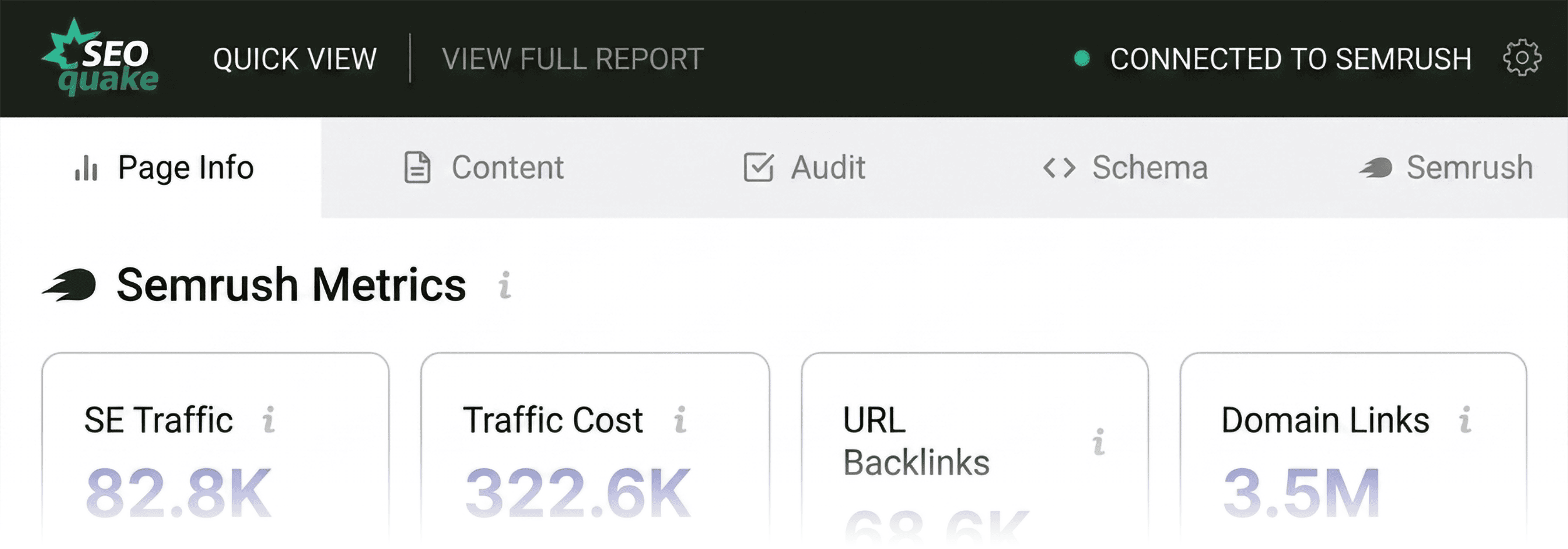
A crucial determination at the conclusion of any rapid audit is deciding whether observed flaws stem from localized page construction or systemic, site-wide technical debt. The integrated Semrush metrics panel delivers essential macroeconomic context by displaying domain-level authority indicators, historical visibility trends, and estimated organic traffic volumes.
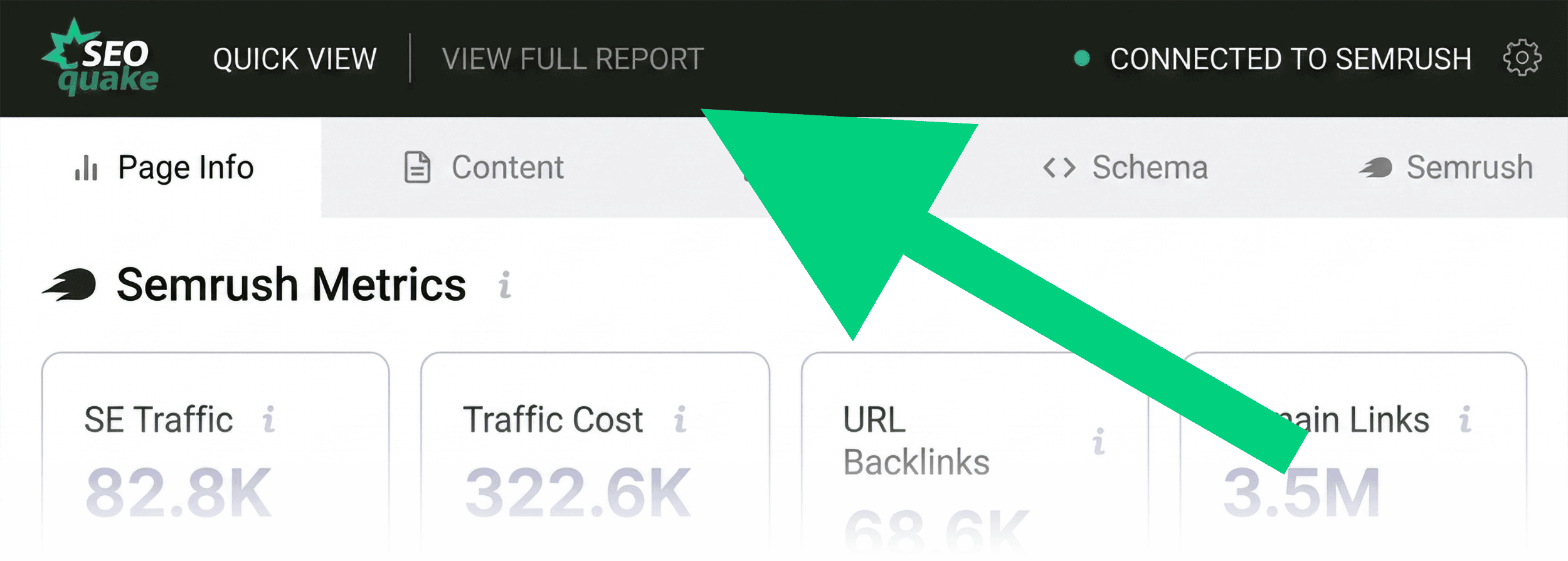
When an underperforming page resides on a robust, highly authoritative domain boasting a solid backlink profile and consistent baseline traffic, the underlying issue is overwhelmingly page-specific. Fixing the immediate metadata, repairing local JSON-LD syntax, and updating heading tags will typically restore the page’s competitive standing. Conversely, structural warnings—such as unlinked XML sitemaps or site-wide template errors in structured data generation—indicate systemic vulnerabilities that require enterprise-grade intervention. For these broader challenges, transitioning from a lightweight browser extension to a comprehensive site crawler, such as Semrush Site Audit, becomes a necessary next step to protect overall domain health.
Broader Industry Implications and Best Practices
The proliferation of streamlined, browser-based SEO diagnostics reflects a broader shift toward agile, efficiency-driven digital marketing workflows. As search engines continuously refine their ranking algorithms to prioritize user experience, mobile optimization, and semantic clarity, digital practitioners must balance macro-level strategy with meticulous execution of fundamental technical standards.
Tools like SEOquake democratize technical oversight, empowering marketing professionals, e-commerce managers, and small business owners to diagnose complex site performance issues in the time it takes to brew a cup of coffee. By maintaining a disciplined, three-minute triage-and-diagnosis routine, web managers can systematically identify critical errors, prioritize development backlogs, and ensure that every page across their digital footprint operates at maximum optimization potential.