Samsung Galaxy Z Fold 8 Redefines the Modern Mobile Experience Through Advanced Versatility and Hardware Integration

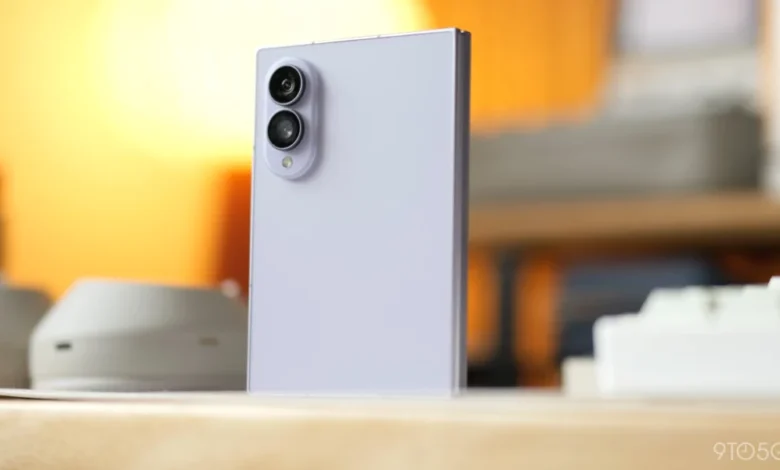
The evolution of foldable smartphone technology has reached a significant milestone with the release of the Samsung Galaxy Z Fold 8. As the latest iteration in a lineage that began with the original Galaxy Fold in 2019, this device represents a strategic pivot toward usability, ergonomic refinement, and software-hardware synergy. By addressing historical pain points such as aspect ratio constraints and multitasking limitations, the Galaxy Z Fold 8 positions itself as both a productivity powerhouse and a sophisticated consumer device designed for the demands of the digital age.

The trajectory of the foldable market has been characterized by rapid iteration. Since the debut of the category, Samsung has consistently aimed to bridge the gap between pocketable handsets and mobile tablets. The Galaxy Z Fold 8 emerges during a period of high competition, where consumers are increasingly prioritizing device longevity, display brightness, and seamless multitasking. With its refined form factor and enhanced One UI 9 interface, the device seeks to harmonize the compact nature of a standard smartphone with the expansive utility of a secondary, tablet-sized display.
A Chronology of Foldable Development
The journey to the Galaxy Z Fold 8 reflects years of research and development. In 2019, Samsung introduced the first Galaxy Fold, a device that faced initial durability challenges but successfully pioneered a new product category. By 2021, the Galaxy Z Fold 3 brought water resistance and S Pen support, signaling a transition from experimental technology to enterprise-ready hardware.

The subsequent years focused on mechanical refinement, specifically the "Flex Hinge" technology that allowed for a gapless fold, significantly reducing the device’s thickness. The Z Fold 8 builds upon this foundation by optimizing the internal and external displays to ensure that software transitions between the two are instantaneous. This evolution underscores a commitment to moving beyond the "wow factor" of a foldable screen to provide genuine, daily-use value for power users.
The Engineering of the Dual-Display Architecture
At the core of the Galaxy Z Fold 8 experience is the dual-display design. The outer cover screen features a wider aspect ratio compared to earlier iterations, which historically favored a narrow, "tall" design that hindered typing and navigation. This adjustment allows the user to perform standard tasks—such as responding to emails, checking social media, or navigating maps—without needing to unfold the device.

When opened, the internal display provides a expansive canvas that rivals compact tablets. This screen is engineered for media consumption and professional workflows. The integration of high-refresh-rate OLED technology ensures that content appears fluid, while the increased surface area makes it an ideal environment for split-screen applications. Unlike tablets that require external stands, the Z Fold 8 utilizes its unique hinge mechanism to hold its shape at various angles, allowing the device to act as its own tripod or kickstand. This capability is particularly relevant for the growing segment of users who engage in video conferencing or mobile content creation.
Advanced Multitasking and Software Synergy
One UI 9, the operating system powering the Z Fold 8, is central to the device’s functionality. Samsung has implemented a "three-way Split View" that allows users to operate multiple applications simultaneously without sacrificing screen responsiveness. This feature is supported by an intuitive taskbar that remains accessible at the bottom of the screen, mimicking the workflow of a desktop operating system.

Data indicates that the demand for mobile multitasking is at an all-time high, with enterprise users often juggling communication platforms, document editors, and web browsers. The Z Fold 8 addresses this by allowing up to four applications to run concurrently—three in a split-screen arrangement and one in a floating window. While the hardware specifications are designed to handle this load, the software optimization is what truly elevates the experience, ensuring that app transitions are seamless and power management remains efficient.
Market Context and Consumer Impact
The launch of the Galaxy Z Fold 8 occurs during the peak holiday retail cycle, a period where premium technology sales traditionally see an uptick. Industry analysts have noted that the foldable sector is no longer a niche market but is becoming a staple for high-end consumers. By partnering with major retailers like Best Buy, Samsung has broadened the accessibility of the device, offering trade-in programs that mitigate the high initial entry cost of foldable technology.

From a market perspective, the Z Fold 8 is positioned to compete not just with other foldables, but with traditional flagship smartphones. Its ability to serve as a primary communication device while offering the capabilities of a portable workstation provides a compelling value proposition. For users who prioritize portability, the device offers the efficiency of a laptop in a form factor that fits into a pocket or small bag.
Official Perspectives and Industry Reception
While Samsung has not released specific sales figures for the Z Fold 8, internal communications and promotional strategies indicate a heavy emphasis on the device’s durability and "everyday use" potential. The company has highlighted the structural integrity of the display and the robustness of the hinge mechanism as primary selling points, aiming to assuage any remaining consumer skepticism regarding the longevity of folding screens.

Industry observers have largely responded positively to the refinements made to the aspect ratio. By making the cover screen more ergonomic, Samsung has effectively addressed the most frequent complaint regarding the Fold series. This, coupled with the integration of AI-enhanced photo editing and improved multitasking, suggests that the Z Fold 8 is the most polished iteration to date.
Future Implications for Mobile Computing
The implications of the Galaxy Z Fold 8 extend beyond hardware. As software developers continue to optimize their applications for non-traditional screen sizes, the ecosystem for foldable devices will likely expand. The Z Fold 8 serves as a benchmark for this transition, demonstrating that mobile devices can be both compact and expansive.

Furthermore, the rise of "foldable-first" software design patterns suggests that the industry is preparing for a future where standard rectangular displays are no longer the default. The success of the Z Fold 8 may influence future mobile operating system designs, encouraging developers to prioritize modular layouts that adapt to the user’s specific orientation and unfolding status.
In summary, the Samsung Galaxy Z Fold 8 is not merely an incremental update but a comprehensive refinement of the foldable concept. Through its deliberate balance of hardware durability, software multitasking capabilities, and a more accessible physical design, it addresses the core requirements of modern users. As the technology continues to mature, the Z Fold 8 stands as a testament to the potential for mobile devices to evolve from simple communication tools into sophisticated, multi-functional computing platforms. Whether used for professional productivity or high-end media consumption, the device provides a versatile solution that aligns with the multifaceted needs of today’s digital consumer.
Related posts: