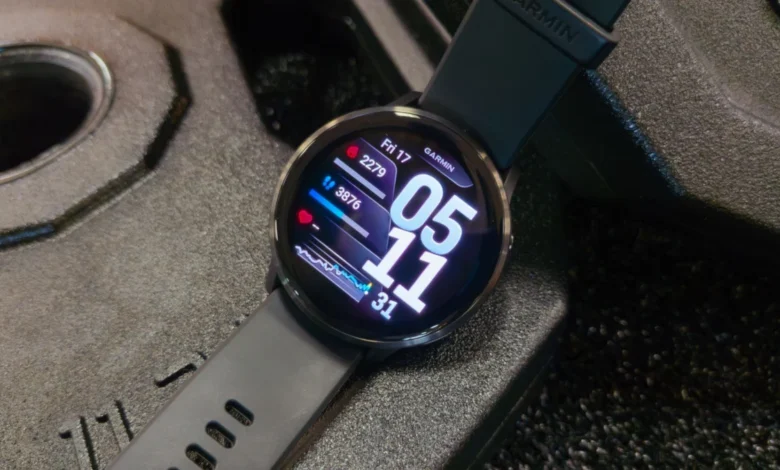
Garmin has officially deployed its comprehensive fall software update across a wide-ranging portfolio of its premier fitness trackers, smartwatches, and cycling computers. The latest firmware distribution introduces a suite of sophisticated capabilities long anticipated by the athletic community, including vital safety additions such as fall detection for lifestyle-focused devices, hands-free voice operations via a new wake word command, and deeply personalized athletic training frameworks designed to elevate performance tracking.
As the wearable technology sector becomes increasingly competitive, manufacturers are under mounting pressure to narrow the feature gap between general-purpose smartwatches and dedicated athletic equipment. With this rollout, Garmin continues to solidify its footprint in both categories, targeting flagship models such as the Fenix 8 series, the Forerunner 570, the Forerunner 970, the Venu 6, and the Vivoactive 6, alongside corresponding updates for the company’s dedicated Edge cycling hardware.
Main Facts and Ecosystem Expansion
The rollout, which began publishing to compatible devices globally, delivers several long-awaited ecosystem enhancements. Most notably, the Venu 6—widely utilized as an everyday wellness tracker rather than an extreme-endurance timepiece—now includes built-in fall detection. When triggered by a sudden, hard impact, the feature automatically initiates an emergency protocol, transmitting the user’s real-time geographic coordinates to pre-selected emergency contacts. While this capability has been a staple of Apple Watch and Wear OS devices for several generations, its integration into Garmin’s lifestyle and hybrid fitness lineup marks a significant step forward in personal safety features for the brand.
Simultaneously, several Garmin smartwatches are receiving an integrated, hands-free voice control system activated by the phrase "OK Garmin." This functionality enables users to navigate specific watch menus, initiate timers, and check fundamental metrics without breaking stride during workouts or fumbling with physical buttons while their hands are occupied.
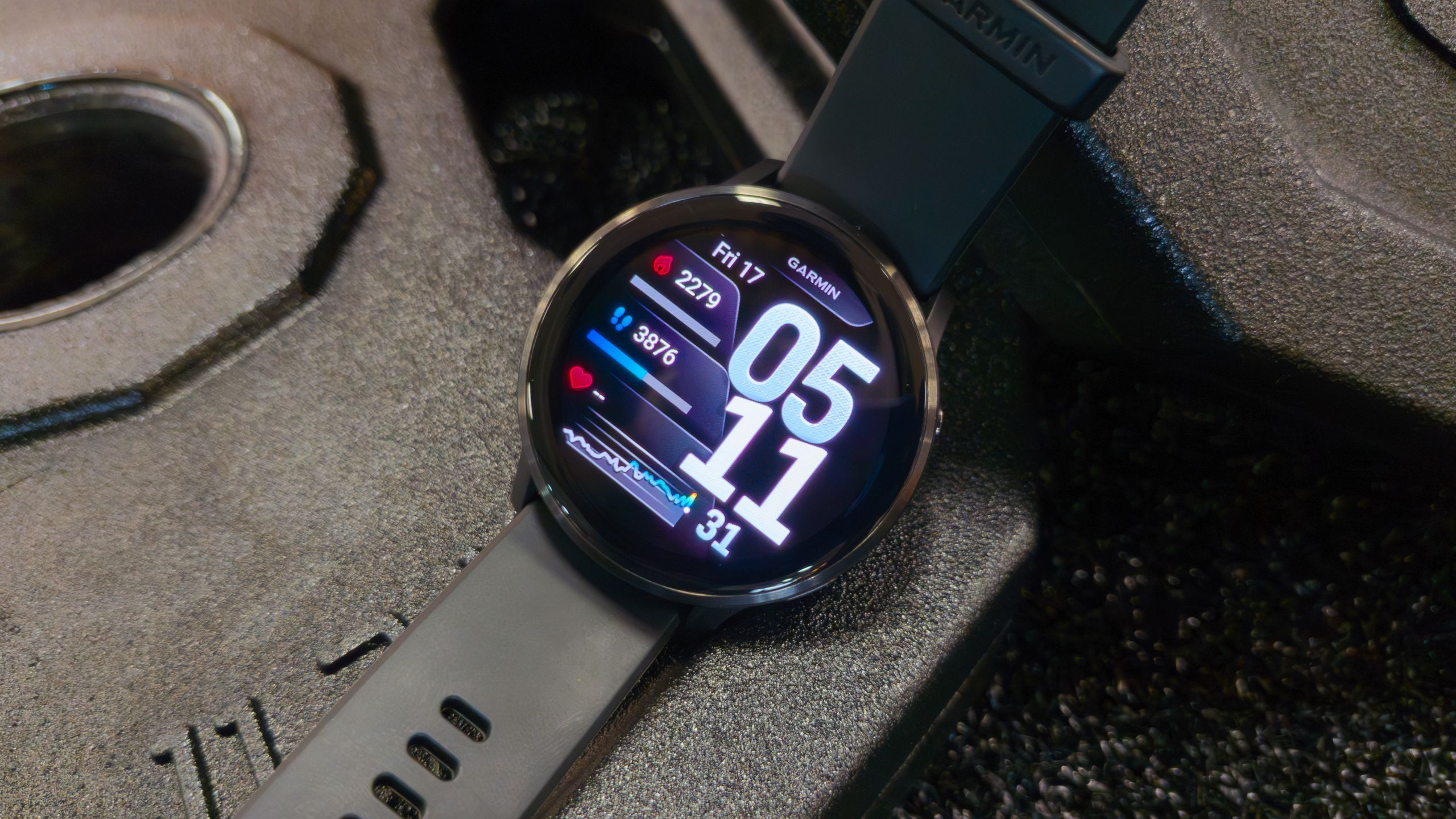
Beyond safety and hardware control, the software package heavily emphasizes endurance sports progression. The updated firmware includes tailored running workouts and an expanded, highly responsive version of the Garmin Run Coach adaptive training plan. This system dynamically modulates upcoming workout intensities, distances, and recovery windows based on continuous evaluations of the user’s weekly performance metrics, recovery status, and physiological adaptation rates.
Chronology and Deployment Schedule
The development and deployment of seasonal firmware updates have become a cornerstone of Garmin’s product lifecycle management. Historically, the company utilizes late-summer and autumn release windows to test and stabilize major software iterations before the busy year-end holiday shopping season.
- Early Phase: Garmin’s internal beta testing program evaluated the stability of the voice command architecture and adaptive coaching algorithms across select developer units throughout the late summer months.
- Official Announcement: Garmin formally detailed the scope of the fall software update, confirming compatibility across its current generation of wearables, including the Fenix 8 and Forerunner series.
- Current Rollout: The phased firmware distribution commenced via the Garmin Connect smartphone application. Because Garmin deploys updates in gradual waves to prevent server congestion and ensure stability, some users may see the notification immediately, while others are advised to allow a few days for the over-the-air package to propagate to their specific region and device serial number.
- Peripheral Updates: Concurrently, Garmin released corresponding software enhancements for its Edge cycling computer lineup, introducing automated climb and descent detection algorithms that eliminate the need for manual lap marking or elevation profile navigation during mixed-terrain cycling sessions.
Supporting Data and Technological Context
The wearable technology market has experienced explosive growth, with consumers increasingly relying on algorithmic recovery scores, training load ratios, and biometric monitoring to optimize physical health. According to industry tracking metrics, advanced health and safety functionalities—such as electrocardiogram (ECG) monitoring, irregular heart rhythm notifications, and fall detection—are no longer viewed as luxury additions by consumers, but rather as baseline requirements for premium wearable devices priced above the $300 threshold.
Garmin’s decision to integrate fall detection into the Venu 6 bridges the gap between its rugged, adventure-oriented Fenix line and its consumer-friendly lifestyle devices. The Venu series traditionally prioritizes vibrant AMOLED displays and sleek aesthetics over ultra-rugged chassis design, making the addition of critical safety features an essential step in maintaining its competitive edge against dominant players in the smartwatch ecosystem.
Furthermore, the integration of adaptive training plans reflects a broader industry shift toward machine-learning-assisted fitness coaching. Rather than relying on static 12-week or 16-week marathon preparation templates, modern athletes demand responsive coaching ecosystems that account for acute sleep deficits, elevated resting heart rates, and unforeseen schedule disruptions. The upgraded Garmin Run Coach framework leverages historical performance data—including VO2 max estimates, training status, and load ratios—to recalculate weekly training loads in real time, mirroring the coaching methodologies previously reserved for professional athletes and bespoke physiological laboratories.
Official Responses and User Integration
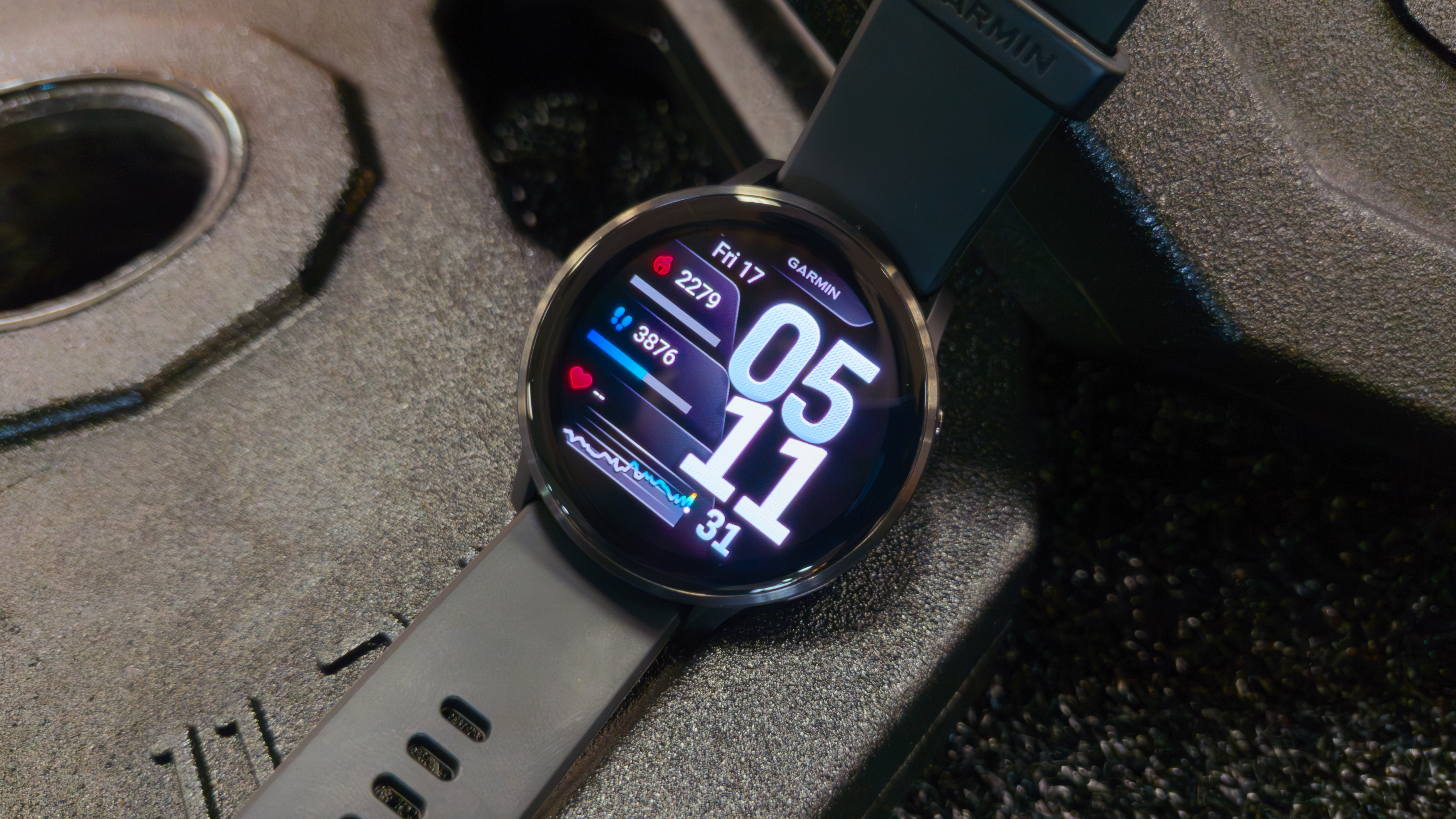
While Garmin’s engineering teams have focused primarily on the technical architecture of the rollout, consumer feedback within the broader athletic community has highlighted the practical implications of these updates. Early adopters and fitness commentators have focused particularly on the refined data visualizations arriving on devices like the Forerunner 970, which now displays acute impact load miles, user tolerance thresholds, and actual mileage distributions in cleaner, more digestible graphical charts directly on the wrist.
To access the new firmware, users are directed to open the Garmin Connect companion application on their paired smartphone or synchronize their devices via Garmin Express on a desktop computer. The application automatically flags available system updates, though users experiencing delays in receiving the notification are encouraged to manually check for software updates within the device settings menu.
Broader Impact and Industry Implications
The deployment of this robust software update underscores Garmin’s ongoing commitment to post-purchase device support—a critical differentiator in the consumer electronics market. By pushing high-tier training analytics and essential safety tools to existing hardware generations, the company enhances brand loyalty and mitigates the consumer pressure to upgrade prematurely to newly released watch models.
From an industry perspective, the convergence of safety, voice-command integration, and adaptive coaching highlights the maturation of the smartwatch market. As hardware iterations yield increasingly incremental changes in sensor accuracy and battery longevity, software-driven feature additions have become the primary battleground for consumer acquisition.
As Garmin continues to refine its ecosystem through these rolling updates, the boundaries between consumer wellness trackers and professional-grade sports instruments continue to blur, providing everyday runners, cyclists, and fitness enthusiasts with access to analytical tools that were once exclusive to elite training camps.