The Strategic Imperative of Social Media Monitoring: Unlocking Real-time Consumer Intelligence for Modern Brands

In an increasingly digital landscape, social media monitoring has emerged as an indispensable practice for brands seeking to understand, engage with, and respond to public discourse surrounding their identity, products, and industry. This sophisticated process involves meticulously tracking both direct and indirect mentions across the vast social web, transforming raw conversational data into actionable insights that can profoundly influence marketing strategies, product development, customer service, and overall brand reputation. Far more than a mere reactive function, effective social media monitoring provides a crucial window into real-time consumer sentiment, competitive activities, and nascent trends, offering businesses an unparalleled opportunity to adapt and thrive in dynamic markets.
The Evolution of Digital Intelligence: A Brief History
The concept of monitoring public opinion is not new, but its application to digital channels has undergone a rapid transformation. In the early days of social media, brands primarily relied on manual searches for direct mentions, a laborious and often incomplete method. As platforms proliferated and user-generated content exploded, the need for automated solutions became critical. The mid-2000s saw the rise of rudimentary tools that could track keywords, evolving into more comprehensive platforms by the 2010s that integrated sentiment analysis and competitive tracking. Today, driven by advancements in artificial intelligence and machine learning, social media monitoring tools offer sophisticated capabilities, moving beyond simple keyword alerts to provide deep contextual understanding and predictive analytics. This evolution underscores the growing recognition that social media is not just a broadcasting channel but a dynamic feedback loop, essential for any brand’s strategic planning. According to a 2023 report by Grand View Research, the global social media management market size, which includes monitoring tools, was valued at over $17 billion and is projected to grow significantly, highlighting the widespread adoption and perceived value of these technologies across industries.

Distinguishing Monitoring from Listening: A Strategic Imperative
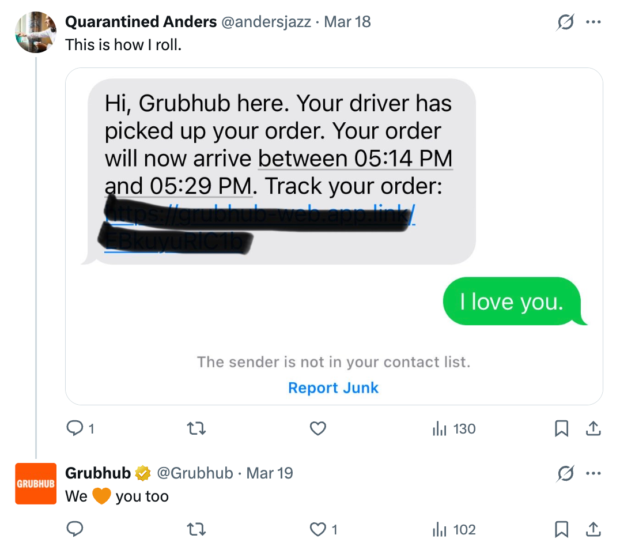
While often used interchangeably, social media monitoring and social listening serve distinct yet complementary strategic purposes. Social media monitoring is primarily a tactical, real-time activity focused on immediate data collection and response. It identifies specific mentions, comments, and conversations as they occur, allowing brands to address customer service issues, participate in relevant discussions, or detect potential crises swiftly. For instance, a monitoring tool would flag a tweet from a customer complaining about a product, enabling the customer service team to respond directly and promptly. This reactive posture is critical for maintaining customer satisfaction and mitigating immediate reputational damage.
Social media listening, conversely, adopts a more strategic and analytical approach. It involves aggregating and analyzing the data gathered through monitoring over extended periods to identify overarching patterns, trends, and shifts in public sentiment. Instead of merely responding to individual complaints, social listening seeks to understand why those complaints are arising, whether a new product feature is generally well-received, or if a competitor’s recent campaign is resonating strongly with the target audience. For example, while monitoring might show a spike in negative comments about a product, listening would analyze those comments to reveal a recurring issue with a specific feature, informing future product development or marketing messaging. This deeper dive into conversational data provides invaluable intelligence for long-term strategic planning, allowing brands to anticipate market shifts, refine brand messaging, and innovate products proactively. The synergy between monitoring and listening creates a robust feedback mechanism: monitoring provides the raw data and immediate response capability, while listening extracts the strategic insights necessary for sustained growth and adaptation.

The Multifaceted Benefits for Modern Enterprises
The strategic implementation of social media monitoring offers a wealth of advantages for brands operating in today’s interconnected world. These benefits extend across various departmental functions, driving informed decision-making and fostering greater organizational agility.
-
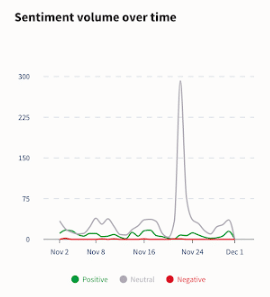
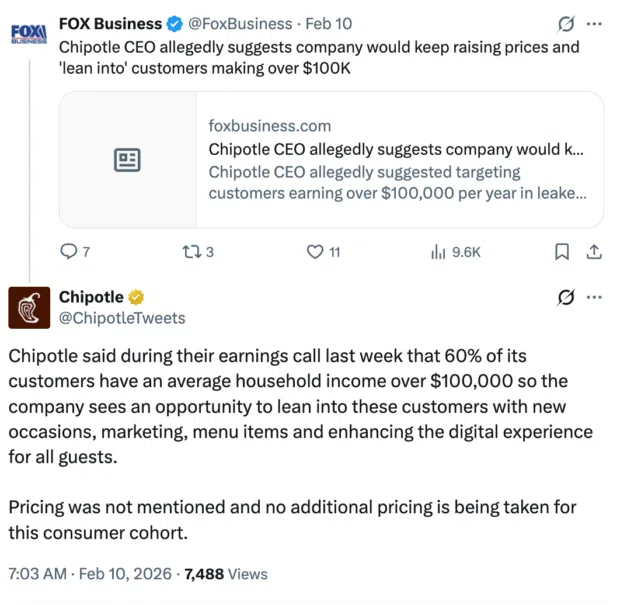
Reputation Management and Crisis Aversion: One of the most immediate and critical benefits of social media monitoring is its role in safeguarding brand reputation. By continuously tracking mentions, sentiment, and volume, brands can establish a baseline of public perception. Any sudden spike in negative comments, viral complaints, or misleading narratives can be detected instantly, enabling rapid intervention. For example, when a major fast-food chain faced accusations regarding its CEO’s alleged targeting of specific demographics, continuous monitoring allowed the brand to quickly identify the widespread discussion and issue prompt, coordinated responses across social platforms, thereby controlling the narrative and preventing further escalation. Real-time alerts from monitoring tools can signal an impending crisis, providing the opportunity to address issues before they spiral into widespread public relations disasters. Conversely, monitoring also helps identify positive viral moments, allowing brands to amplify favorable content and reinforce positive public sentiment.

-
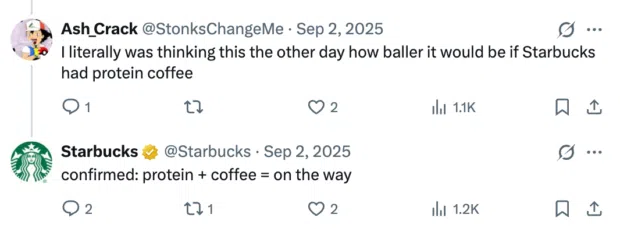
Enhanced Customer Understanding and Engagement: Social media monitoring provides a comprehensive view of the customer voice, extending beyond direct interactions on owned channels. It captures conversations where brands are mentioned without being directly tagged, revealing unsolicited feedback, product usage scenarios, and unmet needs. This complete picture allows brands to understand their audience more intimately – who they are, what motivates them, and how they perceive the brand versus competitors. This understanding is crucial for tailoring messaging, improving product features, and even identifying new market segments. Furthermore, monitoring facilitates proactive customer engagement. By identifying customers discussing the brand (positively or negatively), companies can join conversations, offer assistance, express gratitude, or gather feedback directly, fostering stronger customer relationships and demonstrating responsiveness. For instance, a coffee giant could spot a customer tweeting about a desired new drink flavor and respond directly, showing they value customer input and potentially inspiring future product development.
-
Strategic Marketing and Campaign Optimization: For marketing teams, social media monitoring is a powerful tool for campaign assessment and content strategy. It allows marketers to gauge real-time reactions to campaigns, identifying what resonates and what falls flat, enabling immediate adjustments to messaging or targeting. Beyond direct campaign feedback, monitoring unearths valuable insights such as trending hashtags, popular memes, and emerging cultural conversations that align with brand values. This intelligence can inform the creation of timely, relevant content, increasing engagement and organic reach. Observing competitor campaigns through monitoring also provides a competitive edge, revealing successful strategies to emulate or pitfalls to avoid, thereby refining a brand’s own marketing approach.
-
Competitive Intelligence and Market Positioning: Social media monitoring extends beyond a brand’s own ecosystem, offering a panoramic view of the competitive landscape. By tracking mentions of competitors, industry trends, and key influencers, businesses can benchmark their performance against rivals. This includes understanding competitor product launches, marketing effectiveness, customer sentiment towards competing brands, and even potential weaknesses in their offerings. Such insights enable brands to identify market gaps, refine their unique selling propositions, and anticipate competitive moves. For example, monitoring could reveal a sudden surge in positive sentiment for a competitor’s new eco-friendly packaging, prompting a brand to accelerate its own sustainability initiatives.
Crafting an Effective Social Media Monitoring Strategy
Developing a robust social media monitoring strategy requires careful planning and the right tools. The following steps outline a systematic approach:
-
Defining Objectives and Key Metrics: The foundational step involves clearly articulating what the brand aims to achieve through monitoring. This could range from improving customer service response times and managing online reputation to identifying product development opportunities or enhancing competitive intelligence. Each objective must be linked to specific, measurable key performance indicators (KPIs) such as sentiment scores (e.g., percentage of positive, negative, neutral mentions), volume of mentions, response rates, crisis detection time, or share of voice against competitors. For example, if a goal is to enhance customer service, a KPI might be to reduce average response time to customer complaints on social media by 20% within a quarter.
-
Identifying Critical Keywords and Data Points: Once objectives are set, the next step is to determine what to monitor. This involves creating an exhaustive list of keywords, phrases, hashtags, and account handles. This list should include:
- Brand names (official, common misspellings, abbreviations)
- Product names (including variations and common misspellings)
- Key personnel names (CEO, founders, public figures associated with the brand)
- Relevant industry terms and trending topics
- Competitor names and products
- Campaign-specific hashtags and slogans
- Relevant geographical terms (if the brand operates in specific regions)
For global brands, it’s crucial to include these keywords in multiple languages and regional dialects to capture the full scope of conversations.
-
Selecting Advanced Monitoring Tools: While manual monitoring might suffice for very small operations, most businesses quickly outgrow this approach. Dedicated social media monitoring tools automate the collection, aggregation, and initial analysis of social data. These platforms offer features such as real-time alerts, sentiment analysis, trend tracking, and customizable dashboards. The choice of tool depends on factors like budget, scale of operations, depth of analytics required, and integration capabilities with existing systems. Platforms like Hootsuite, often integrated with advanced listening tools like Talkwalker, provide comprehensive solutions for tracking mentions, analyzing sentiment, and managing engagement across multiple social networks from a single interface. These tools dramatically reduce manual effort, improve data accuracy, and accelerate response times.
-
Cross-Departmental Integration of Insights: The true value of social media monitoring is realized when insights transcend the social media team and inform decision-making across the organization. Customer service teams are immediate beneficiaries, using monitoring to quickly address inquiries and resolve issues. Marketing and PR departments leverage insights for campaign optimization, content creation, and reputation management. Product development teams can utilize feedback on features, pain points, and desired innovations to guide their roadmaps. Sales teams might identify potential leads or understand customer objections. Even HR can gain insights into employee sentiment or employer branding. Establishing clear communication channels and reporting mechanisms (e.g., weekly insight reports, dedicated Slack channels, shared dashboards) ensures that relevant data reaches the right stakeholders, fostering a truly data-driven culture. A 2019 study published in the Journal of Marketing Analytics highlighted that companies integrating social media insights across departments showed significantly higher performance in customer satisfaction and product innovation.
Implementing Monitoring with Leading Platforms (Hootsuite & Talkwalker)
Modern social media management platforms like Hootsuite provide robust features for implementing a comprehensive monitoring strategy, often enhanced by integrations with specialized listening tools like Talkwalker.
-
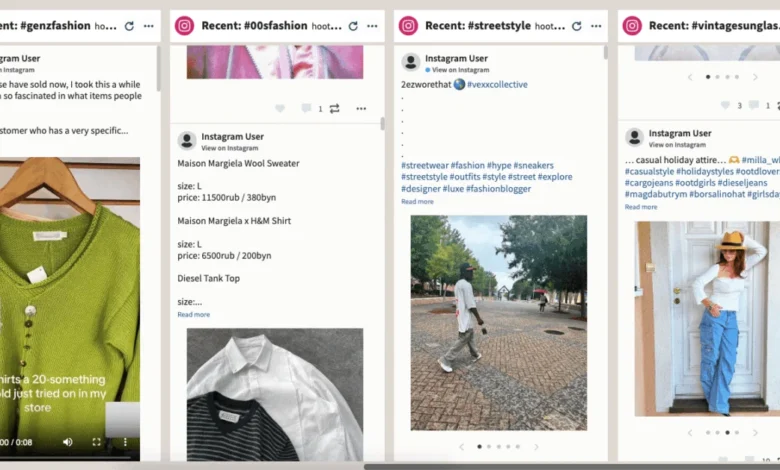
Real-time Tracking with Hootsuite Streams: Hootsuite’s Streams feature allows users to create customized feeds that monitor specific keywords, hashtags, and mentions across various social networks. These streams can be organized into thematic boards—e.g., one board for brand mentions, another for competitor activities, and a third for industry trends. This structured approach ensures that relevant conversations are captured and categorized efficiently. Users can set up streams to track direct mentions, replies, specific hashtags, or even broader keyword searches, enabling real-time engagement and immediate response when necessary. The ability to add "Listening Streams" powered by integrations like Talkwalker further enriches this data, pulling in deeper analytical insights directly into the Hootsuite dashboard.

-
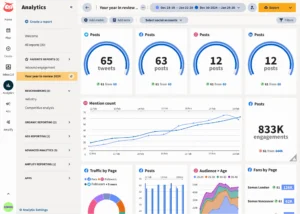
Advanced Competitive Analysis via Hootsuite Analytics: Beyond simply tracking mentions, Hootsuite Analytics offers powerful tools for competitive benchmarking. By adding key competitors to the platform, businesses can generate detailed reports that compare performance metrics such as engagement rates, follower growth, content performance by type, and even the effectiveness of hashtags used by rivals. This allows brands to understand their market position, identify areas of strength and weakness relative to competitors, and uncover strategic opportunities. For instance, if a competitor’s video content consistently outperforms static images, a brand might adjust its own content strategy accordingly.
-
Deepening Insights with AI-Powered Talkwalker: For enterprises requiring more profound insights, the integration of Talkwalker within Hootsuite elevates monitoring to advanced social listening. Talkwalker, an AI-powered platform, expands the scope of data collection beyond social media to include blogs, forums, news sites, and review platforms, capturing a truly holistic view of online conversations. Its artificial intelligence capabilities enable sophisticated sentiment analysis, trend identification, and thematic categorization of conversations across an immense dataset (over 150 million sources, including emerging platforms like Bluesky). With over 50 filters available, teams can segment data to pinpoint specific demographics, topics, or geographical discussions. Crucially, Talkwalker facilitates the assignment of conversations to relevant team members for follow-up, ensuring that insights translate directly into action, from customer service resolutions to strategic marketing adjustments. This powerful combination of monitoring and deep listening provides a competitive edge, allowing brands to not only react quickly but also to proactively shape their future based on comprehensive consumer intelligence.

Implications for Business Growth and Resilience
The pervasive nature of social media means that public perception can shift rapidly, with significant consequences for brands. Social media monitoring is no longer a luxury but a fundamental component of a resilient business strategy. By staying attuned to the pulse of public opinion, brands can build stronger customer relationships, innovate products that truly meet market demands, craft more effective marketing messages, and navigate potential crises with greater agility. The investment in robust monitoring tools and a well-defined strategy yields tangible returns in enhanced brand reputation, increased customer loyalty, and improved financial performance. In an era where consumer voice holds unprecedented power, mastering social media monitoring is paramount for sustained growth and competitive advantage.
In essence, social media monitoring provides the eyes and ears for brands in the digital realm, transforming the cacophony of online conversations into a symphony of actionable intelligence. By embracing this strategic imperative, businesses can not only survive but thrive in the ever-evolving landscape of digital communication.