Apple Vision Pro And Airpods Pro 2 Usb C Lossless And Spatial Audio Explained
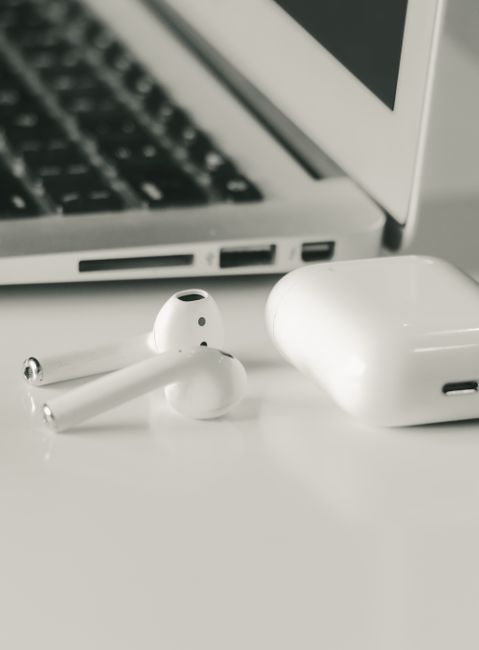
Apple Vision Pro and AirPods Pro 2 (USB-C): Unlocking Lossless Audio and Spatial Audio Fidelity
The Apple Vision Pro, Apple’s groundbreaking spatial computing device, and the updated AirPods Pro 2 featuring a USB-C charging case, represent a significant leap forward in personal audio and immersive experiences. At the core of this evolution lies the enhanced capability for lossless audio and the refined implementation of Spatial Audio, a synergy that promises to redefine how we consume content and interact with sound. This article delves into the technical underpinnings and user benefits of these advancements, explaining what lossless audio and Spatial Audio entail, how they are integrated within the Apple ecosystem, and the implications for users seeking the highest fidelity audio experiences.
Lossless audio refers to audio that has been encoded with no loss of data. Unlike lossy compression formats like MP3 or AAC, which discard information to reduce file size, lossless formats preserve the original audio data exactly as it was recorded. This means that when you listen to a lossless audio file, you are hearing the sound precisely as the artist and sound engineer intended, without any degradation or alteration. Common lossless audio codecs include FLAC (Free Lossless Audio Codec), ALAC (Apple Lossless Audio Codec), and WAV (Waveform Audio File Format). The primary advantage of lossless audio is its superior sound quality, offering greater detail, a wider dynamic range, and a more nuanced representation of the original recording. This is particularly noticeable in high-fidelity audio playback systems and with discerning listeners who can perceive the subtle differences in clarity and texture.
Spatial Audio, on the other hand, is a technology that aims to create a three-dimensional soundscape, making audio feel as if it’s coming from all around you, not just from left and right. It simulates the natural way sound reaches our ears from different directions and distances, creating a sense of depth and immersion. This is achieved through a combination of advanced audio processing techniques, including object-based audio, head-tracking, and dynamic room simulation. Object-based audio allows sound engineers to place individual sounds in a three-dimensional space, rather than being confined to traditional stereo channels. Head-tracking, a feature prominently utilized by Apple, uses sensors in devices like AirPods Pro to detect the orientation of your head. As you turn your head, the soundstage dynamically adjusts, keeping the audio source fixed in space, further enhancing the illusion of realism. Dynamic room simulation then applies virtual acoustic properties to the sound, mimicking the reverberations and reflections that would occur in a real environment.
The Apple Vision Pro, by its very nature as a spatial computing device, is inherently designed to leverage and enhance immersive audio experiences. Its advanced sensor array and processing power are capable of rendering complex spatial audio environments with remarkable fidelity. When combined with AirPods Pro 2, the synergy becomes even more profound. The Vision Pro can analyze the user’s environment and the position of the listener to dynamically adjust and personalize the Spatial Audio experience. This means that the sound can be tailored to the specific acoustics of the user’s surroundings, creating a more believable and enveloping soundstage. For example, if the user is in a large, open space, the Spatial Audio might incorporate a sense of spaciousness and echo, while in a smaller, more intimate setting, the sound might feel more direct and focused.
The inclusion of USB-C on the AirPods Pro 2 charging case is not just about convenience; it opens up new possibilities for high-resolution audio transmission. While Bluetooth has made significant strides in audio quality, it still inherently relies on compression. The USB-C port on the AirPods Pro 2 case, when connected to a compatible audio source that supports high-resolution audio over USB, can bypass Bluetooth compression entirely. This allows for the transmission of uncompressed or lossless audio data directly to the AirPods Pro 2. This direct digital connection is crucial for achieving true lossless audio playback, as it eliminates the potential for signal degradation that can occur during Bluetooth transmission, even with advanced codecs like LDAC or aptX Lossless.
For Apple’s own ecosystem, this development is particularly significant with the advent of Apple Music Lossless. Apple Music offers a vast library of songs in lossless formats, including Hi-Res Lossless up to 24-bit/192 kHz. Previously, achieving this full fidelity required a wired connection to external DACs (Digital-to-Analog Converters) and high-quality headphones or speakers. With AirPods Pro 2 connected via USB-C to a compatible Apple device (like an iPhone or iPad running the latest software), users can now experience Apple Music’s lossless catalog with greater fidelity than ever before through wireless earbuds. The AirPods Pro 2 are capable of decoding and reproducing these high-resolution audio streams, delivering an unparalleled listening experience for audiophiles.
The integration of lossless audio and Spatial Audio on the Apple Vision Pro and AirPods Pro 2 (USB-C) offers a multifaceted enhancement to content consumption. For movies and TV shows, this means a more cinematic experience. Dialogue can be clearer and more distinct, sound effects can be more impactful and precisely located in the three-dimensional space, and the overall immersion is significantly amplified. Imagine the rumble of an explosion that seems to originate from directly in front of you, or the subtle whisper of wind rustling through leaves that seems to emanate from behind. This level of sonic realism, when paired with the visual immersion of the Vision Pro, creates a truly captivating experience.
In gaming, the benefits are equally profound. Spatial Audio can provide crucial directional cues, allowing gamers to pinpoint the location of enemies or important in-game events with greater accuracy. The enhanced detail of lossless audio means that subtle sound design elements, which can contribute to atmosphere and gameplay, are not lost. This can lead to a more engaging and competitive gaming experience, where sound plays a more active role in the player’s awareness and strategy.
Music listening, of course, is a primary beneficiary. The richness and detail of lossless audio, combined with the three-dimensional soundstage of Spatial Audio, transform how we experience music. Instruments can be perceived with greater clarity and separation, vocals can feel more present and intimate, and the overall sonic tapestry can be appreciated with a newfound depth. For those who have invested in high-quality audio equipment and appreciate the nuances of studio recordings, this represents a significant step towards experiencing that fidelity on a portable and personal level.
The technical implementation of this synergy involves sophisticated digital signal processing. The Apple Vision Pro acts as the central hub, receiving audio data and processing it for spatialization. The AirPods Pro 2, with their custom-designed drivers and advanced chipsets, then receive this processed audio and reproduce it with exceptional accuracy. The USB-C connection ensures that the raw audio data is transmitted without degradation, allowing the AirPods Pro 2’s internal DACs and amplifiers to work with the purest possible signal. The H2 chip within the AirPods Pro 2 plays a pivotal role in this, powering the advanced audio processing, noise cancellation, and the seamless integration with Apple’s spatial audio technologies.
Furthermore, Apple’s implementation of Spatial Audio includes dynamic head tracking, which is crucial for maintaining the illusion of a fixed sound source. As your head moves, the AirPods Pro 2 communicate with the Apple Vision Pro to adjust the audio output accordingly, keeping the sound anchored to its virtual position within the 3D space. This creates a sense of presence and realism that is difficult to achieve with traditional stereo sound. For example, if a character in a movie is speaking to you from the left, and you turn your head to the right, their voice will continue to sound as if it’s coming from your left, rather than moving with your head.
The user interface and settings within the Apple ecosystem are designed to make these advanced audio features accessible. Users can enable or disable Spatial Audio, choose between fixed or dynamic head tracking, and select their preferred audio quality settings for Apple Music and other compatible apps. The USB-C connection for lossless audio is largely plug-and-play, though ensuring the audio source and the media being played are in a lossless format is essential to realize the full benefit. The Apple Vision Pro’s interface will likely offer granular control over audio output and Spatial Audio configurations, allowing users to fine-tune their experience.
In conclusion, the convergence of the Apple Vision Pro and the AirPods Pro 2 (USB-C) marks a pivotal moment in the evolution of personal audio. By enabling true lossless audio playback via USB-C and refining the immersive capabilities of Spatial Audio, Apple is offering users an unprecedented level of fidelity and realism. Whether for consuming media, gaming, or simply enjoying music, this combination promises to deliver an audio experience that is not just heard, but felt, pushing the boundaries of what is possible in personal entertainment and computing. The ability to bypass Bluetooth compression through the USB-C port, coupled with the sophisticated spatialization technologies within the Apple ecosystem, unlocks a new era of sonic immersion, making the Apple Vision Pro and AirPods Pro 2 (USB-C) essential devices for anyone seeking the pinnacle of audio quality.