Four Years Of Future Apple Products Just Leaked Foldable Iphone A Cheaper Vision Pro And Ar Glasses Reportedly In The Pipeline
Four Years of Future Apple Products: Foldable iPhone, Cheaper Vision Pro, and AR Glasses Leaked
Recent leaks and supply chain whispers paint a compelling picture of Apple’s product roadmap for the next four years, revealing ambitious plans that could redefine personal technology. The most significant revelations center on the long-rumored foldable iPhone, a more accessible version of the Vision Pro headset, and the much-anticipated entry into the augmented reality glasses market. These developments suggest a strategic pivot for Apple, moving beyond its established product lines to embrace new form factors and immersive computing paradigms. The company appears poised to challenge established players and potentially create entirely new categories of devices, building upon its formidable ecosystem and brand loyalty.
The foldable iPhone, codenamed "iPhone Flip" or "iPhone Fold" in various reports, is reportedly in advanced development, with a potential release as early as 2025 or 2026. This device is expected to adopt a clamshell design, similar to Samsung’s Galaxy Z Flip series, allowing for a more compact form factor when closed and a larger display when unfolded. Early prototypes are said to be undergoing rigorous testing, with Apple focusing on durability and hinge mechanisms to address common concerns associated with foldable displays. The internal display is anticipated to be an OLED panel, likely with a high refresh rate for smooth scrolling and an immersive viewing experience. The external display, while smaller, will remain functional for notifications, quick interactions, and potentially even taking selfies. Sources suggest Apple is exploring various folding mechanisms, including a waterdrop hinge to minimize creasing and improve longevity. The software experience is also a critical area of focus, with iOS being adapted to seamlessly transition between folded and unfolded states, enabling new multitasking capabilities and app layouts. For instance, users might be able to have a video call on the unfolded screen with controls on one half and the video feed on the other, or use the device in a tent mode for media consumption. The integration of Apple’s powerful A-series chips is a given, ensuring flagship performance, and the cameras are expected to be of the highest caliber, potentially incorporating advanced computational photography features to compensate for any design compromises. The foldable iPhone represents a significant technological undertaking for Apple, demanding substantial investment in research and development, particularly in display technology and manufacturing processes. This move into foldables signals Apple’s intent to compete directly with existing Android foldable offerings and to capture a premium segment of the smartphone market that values innovation and unique form factors.
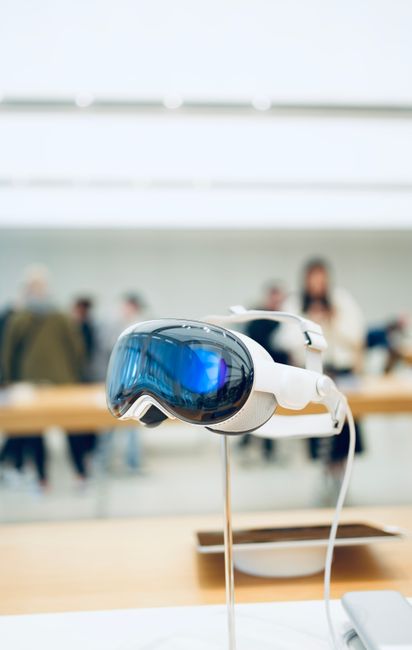
Following the initial launch of the Vision Pro, Apple is reportedly working on a significantly cheaper variant, aiming to democratize its spatial computing platform. This more affordable Vision Pro, potentially arriving in 2027 or 2028, is expected to retain the core functionalities of its predecessor but with some trade-offs in materials, display resolution, and potentially processing power. The current Vision Pro is priced at $3,499, making it inaccessible to a broad consumer base. By reducing costs, Apple aims to attract a larger audience, encourage wider developer adoption, and establish a stronger foothold in the nascent metaverse. Cost-saving measures could include the use of less premium materials for the headset’s exterior, a slightly lower-resolution micro-OLED display (though still very high by industry standards), and potentially a less powerful, albeit still capable, custom silicon. The field of view and eye-tracking technology might also see minor adjustments to reduce manufacturing expenses. Apple’s strategy here mirrors its approach with the iPhone SE – offering a gateway into its premium ecosystem at a more palatable price point. This move is crucial for fostering a vibrant app ecosystem for visionOS, as more users translate to more developers creating applications for the platform. The success of this cheaper Vision Pro will be a critical indicator of Apple’s long-term commitment to spatial computing and its ability to make immersive technologies mainstream. The company is likely leveraging lessons learned from the first-generation Vision Pro’s development and manufacturing to optimize production for a higher-volume, lower-cost model. This could involve streamlining internal components, reducing the complexity of certain assembly processes, and potentially sourcing components from a wider range of suppliers.
Perhaps the most anticipated and strategically significant development is Apple’s entry into the augmented reality (AR) glasses market. While the Vision Pro is a sophisticated mixed-reality headset, AR glasses represent a more wearable and everyday-centric form factor. These devices are expected to blend digital information seamlessly with the real world, offering a persistent layer of contextual data, notifications, and interactive experiences. Reports suggest a first-generation AR glasses product could materialize around 2026 or 2027, potentially running on a dedicated Apple silicon chip optimized for AR processing. The design is likely to be sleek and unobtrusive, aiming for a fashion-forward aesthetic that encourages daily wear. Key features will include high-resolution micro-displays for each eye, advanced optics for realistic AR overlays, and sophisticated sensors for environmental understanding, gesture recognition, and potentially even outward-facing cameras for capturing the user’s surroundings. Connectivity to an iPhone or a dedicated accessory will be essential for processing power and data access, similar to how the Apple Watch operates. The software experience will be built around a new operating system, potentially an evolution of visionOS, designed for glanceable information and subtle interactions. Imagine seeing navigation prompts overlaid on your view of the street, receiving discreet notifications without pulling out your phone, or interacting with digital objects in your physical space. Apple’s AR glasses could revolutionize how we navigate, learn, work, and socialize, offering a hands-free and more integrated computing experience. The challenge for Apple will be balancing advanced technology with a comfortable and socially acceptable form factor, while also developing a compelling use case that justifies the cost and complexity. The company’s deep expertise in miniaturization, optics, and software integration positions it uniquely to tackle this ambitious undertaking. The success of this venture could ultimately define the next era of personal computing.
Beyond these headline-grabbing products, the next four years will likely see iterative improvements across Apple’s existing lineup. The iPhone will continue to receive annual updates, with advancements in camera technology, processing power, battery life, and display quality. Expect further integration of AI and machine learning into the operating system, enabling more intelligent features and personalized experiences. The Apple Watch will likely see more advanced health monitoring capabilities, potentially including non-invasive glucose monitoring and improved sleep tracking. MacBooks will continue to benefit from Apple Silicon’s ongoing evolution, delivering increased performance and efficiency. The iPad lineup may see further convergence with macOS, blurring the lines between tablet and laptop. The smart home ecosystem, including HomePod and HomeKit, will likely see increased adoption and more sophisticated automation capabilities. The company’s focus on privacy and security will remain a core tenet, with new features and safeguards integrated into all its products and services. The development of Apple’s own cellular modems is also a significant ongoing project, which could reduce reliance on Qualcomm and potentially lead to more power-efficient and cost-effective connectivity solutions in future iPhones and other devices. Furthermore, Apple’s investment in satellite communication for emergency SOS on the iPhone hints at potential future expansions of this capability, perhaps for broader data services or communication in remote areas. The sheer breadth of Apple’s rumored and anticipated product pipeline indicates a company not content with maintaining its current market dominance, but actively seeking to shape the future of technology across multiple fronts. The next four years promise to be a period of significant innovation and transformation for Apple and the consumer electronics industry as a whole. The successful execution of these ambitious plans will undoubtedly solidify Apple’s position as a leader in pushing the boundaries of what personal devices can do.


